Is your old deadbolt lock giving you trouble or making you feel unsafe? Replacing it might seem tricky, but it’s easier than you think.
Imagine having a strong, reliable lock that keeps your home secure without any hassle. In this guide, you’ll learn simple, step-by-step instructions to swap out your old deadbolt for a new one—no special tools or skills needed. By the end, you’ll feel confident and in control of your home’s security.
Ready to get started? Let’s dive in!

Credit: diy.stackexchange.com
Tools And Materials Needed
Replacing an old deadbolt lock requires the right tools and materials. Using proper equipment makes the job easier and safer. This section lists what you need to have before starting.
Essential Tools
A screwdriver set is vital for removing and installing screws. A drill helps make new holes if needed. Measuring tape ensures the new lock fits perfectly. A pencil marks where to drill. A chisel can adjust the door edge for the new lock. Safety glasses protect your eyes from dust and debris.
Choosing The Right Deadbolt
Select a deadbolt that fits your door’s thickness and backset. Most doors need a 2-3/8 or 2-3/4 inch backset. Pick a lock with a solid metal construction for durability. Consider a single-cylinder deadbolt for easy use or a double-cylinder for extra security. Match the finish to your door hardware for a neat look.
Removing The Old Deadbolt
Removing the old deadbolt is the first step in replacing your lock. It clears the way for the new deadbolt to fit perfectly. Careful removal prevents damage to your door and frame.
Follow each step closely. Use the right tools for easy and safe removal.
Unscrewing The Interior Plate
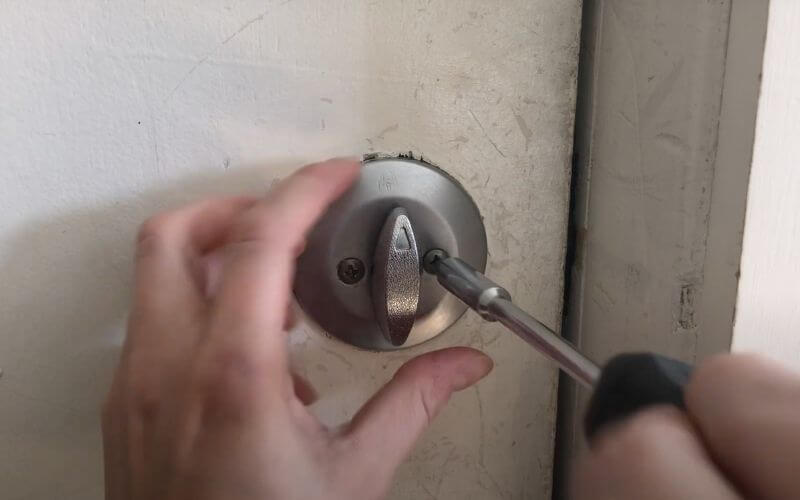
Start with the screws on the inside of the door. These hold the interior plate in place. Use a screwdriver to remove all screws carefully. Keep the screws safe for reuse or disposal. Once the screws are out, gently pull off the interior plate. This exposes the lock mechanism inside the door.
Extracting The Exterior Lock
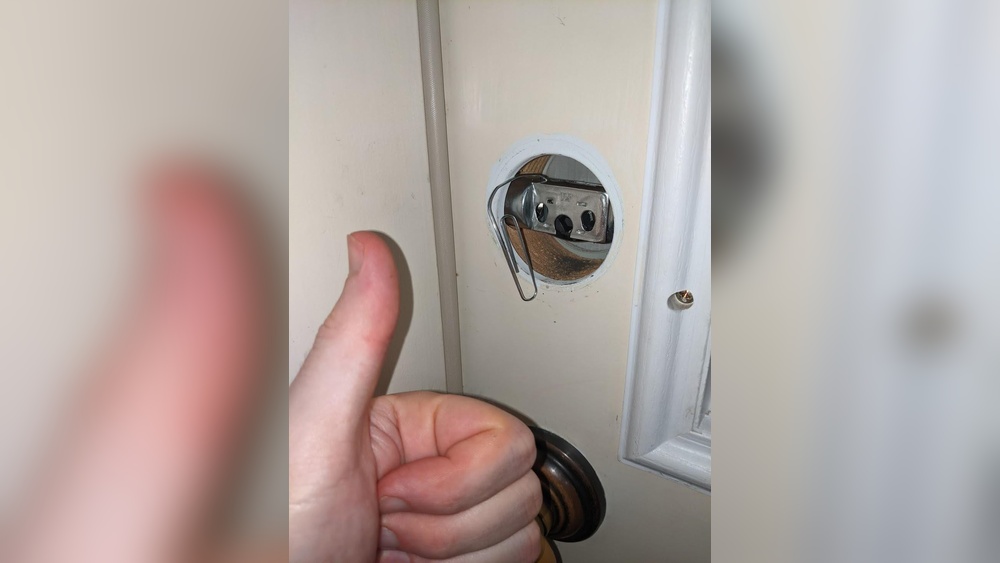
Next, move to the outside of the door. The exterior lock is attached through the door to the interior plate. Pull the exterior lock straight out after removing the interior plate. If it feels stuck, wiggle it slightly. Avoid using force to prevent damage to the door or lock parts.
Removing The Latch And Strike Plate
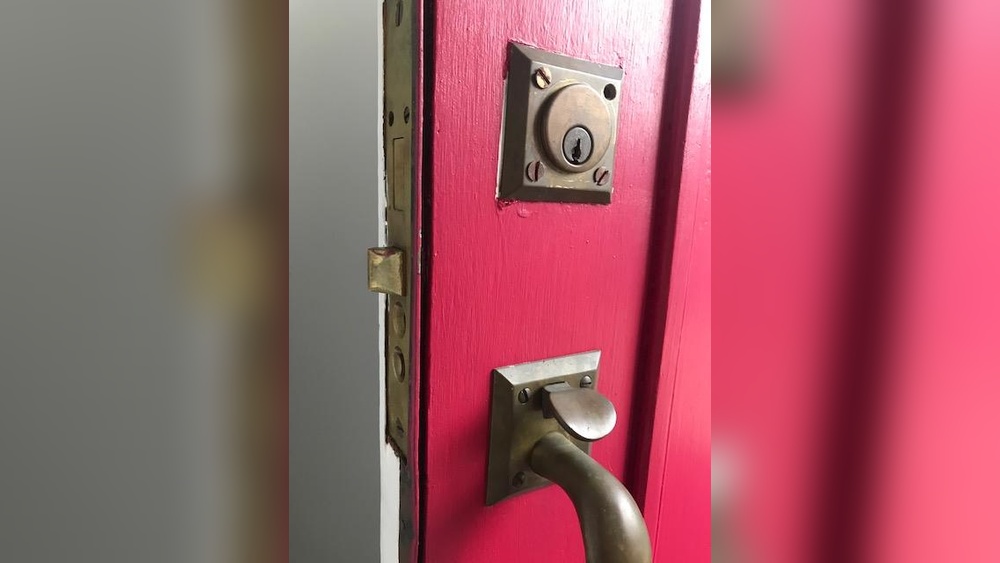
Open the door edge to find the latch and strike plate. The latch fits inside the door edge, while the strike plate attaches to the door frame. Unscrew the latch plate from the door edge. Then remove the latch by pulling it out. Finally, unscrew the strike plate from the frame. Remove all parts to clear the way for the new deadbolt.
Preparing The Door For Installation
Preparing the door for installation is an important step before fitting a new deadbolt lock. It ensures the lock works smoothly and fits securely. Take time to check the door and clean the area. This helps avoid problems later on.
Checking The Door Alignment
Start by checking the door alignment. The door should close evenly in the frame. Look for gaps or uneven spaces between the door and frame. Misalignment can stop the lock from working properly. Adjust the hinges or strike plate if needed. A well-aligned door makes installation easier and the lock more secure.
Cleaning The Lock Area
Clean the lock area thoroughly. Remove old paint, dirt, and debris around the lock hole. Use a cloth and mild cleaner to wipe the surface. A clean area helps the new lock fit tightly. It also prevents dust from getting into the lock mechanism. Clean surfaces improve the lock’s durability and function.
Installing The New Deadbolt
Installing the new deadbolt is a key step in securing your door. This process involves placing the latch, fitting the exterior lock, and securing the interior plate. Each part must fit correctly to ensure the lock works smoothly and keeps your home safe.
Inserting The Latch
Start by sliding the latch into the door’s edge. The latch should fit snugly into the hole. Make sure the angled side faces the door frame. Use screws to fasten the latch tightly. Check that the latch moves freely without sticking.
Attaching The Exterior Lock
Place the exterior part of the lock on the outside of the door. Align the lock’s spindle with the latch mechanism inside. Hold it firmly while you work on the other side. This part has the keyhole and usually the thumb turn.
Securing The Interior Plate
Fit the interior plate on the inside of the door. Make sure the spindle goes through the latch properly. Use screws to secure the plate tightly. Test the lock by turning the thumb turn or key. It should move smoothly and lock the door firmly.
Testing And Adjusting The Lock
After installing a new deadbolt lock, testing and adjusting it is crucial. This step ensures the lock works properly and keeps your home secure. Small problems can cause big issues later. Check the lock carefully before finishing the job.
Ensuring Smooth Operation
Turn the key or thumb turn several times. It should move easily without sticking. Listen for any unusual sounds, like grinding or clicking. These noises may mean parts are not aligned or need lubrication. Try locking and unlocking the door fully to test smoothness.
If the lock feels stiff, spray a little graphite lubricant inside. Avoid using oil-based lubricants, which can attract dust. Keep testing until the lock moves freely and quietly. A smooth lock gives peace of mind and better security.
Fixing Misalignment Issues
Check the bolt and strike plate alignment. The bolt should enter the strike plate hole easily. If it hits the side or doesn’t slide in fully, adjust the strike plate position. Loosen its screws and move it slightly up, down, or sideways.
Mark the new position and tighten the screws. Test the lock again. If needed, enlarge the strike plate hole using a metal file. Keep adjusting until the bolt fits perfectly without resistance. Proper alignment prevents lock damage and door jamming.
Credit: www.safewise.com
Tips For Enhanced Door Security
Improving door security goes beyond just replacing an old deadbolt lock. Strong locks and solid door frames work together to keep your home safe. Small upgrades can make a big difference in protecting your family and belongings.
Upgrading To High-security Locks
Choose locks that resist picking and drilling. High-security locks have tougher materials and better designs. These locks often include features like anti-bump pins and reinforced cylinders. Installing one is a smart way to boost your door’s defense.
Reinforcing Door Frames
Weak door frames make even the best locks less effective. Use metal strike plates with long screws to secure the frame. Reinforce the frame corners with metal brackets to prevent splitting. A strong frame helps the lock hold firm against force.

Credit: www.youtube.com
Frequently Asked Questions
How Do I Remove An Old Deadbolt Lock Safely?
To remove an old deadbolt lock, first unscrew the interior and exterior plates. Then, carefully pull out the lock cylinder. Make sure to keep all screws and parts for reuse or disposal. Handle tools gently to avoid damaging the door.
What Tools Are Needed To Replace A Deadbolt Lock?
You will need a screwdriver, new deadbolt lock set, tape measure, and optionally a drill. These tools help remove the old lock and install the new one accurately. Having the right tools ensures a smooth replacement process.
How Long Does It Take To Replace A Deadbolt Lock?
Replacing a deadbolt lock typically takes 15 to 30 minutes. This depends on your experience and door condition. Following step-by-step instructions can speed up the process and prevent mistakes.
Can I Replace A Deadbolt Lock Without Drilling?
Yes, if the new lock matches the old hole size and alignment, no drilling is needed. If sizes differ, minor drilling or adjustments may be required for a proper fit. Always check lock specifications before purchase.
Conclusion
Replacing an old deadbolt lock keeps your home safe and secure. You can do it yourself with just a few tools. Follow the steps carefully and take your time. Double-check each part fits well before tightening screws. A new lock improves your door’s strength instantly.
Enjoy peace of mind knowing your lock works properly. Keep your home protected without spending too much. Simple tasks like this save money and build confidence. Try it today and feel the difference in security.