Are you planning to hang a heavy mirror, shelf, or artwork but unsure if your wall anchors can hold the weight? Knowing how much weight wall anchors can support is key to keeping your items secure and your walls damage-free.
If you’ve ever worried about anchors failing or your decorations crashing down, this guide is for you. Keep reading to discover exactly how to choose the right wall anchor for your needs and avoid costly mistakes that could ruin your space.
Your walls—and your peace of mind—will thank you.

Credit: www.youtube.com
Types Of Wall Anchors
Wall anchors come in different types. Each type holds weight differently. Choosing the right anchor is key for a strong hold.
Some anchors work best for light loads. Others can support heavy items. Understanding each type helps you pick the best one.
Plastic Expansion Anchors
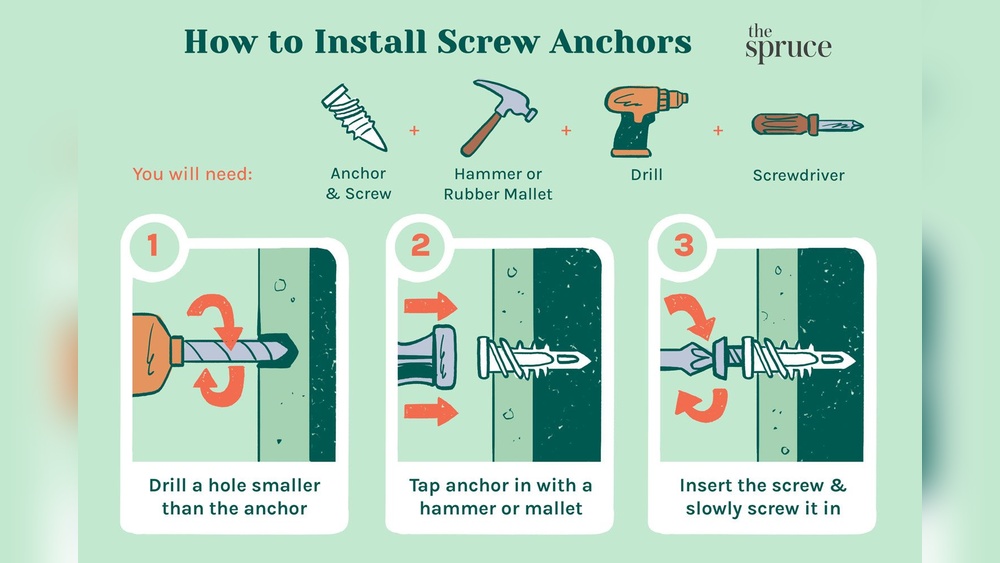
Plastic expansion anchors are common and easy to use. You drill a hole, insert the anchor, then screw in. They work well for light to medium weight items. Great for drywall and plaster walls.
Toggle Bolts
Toggle bolts have wings that open inside the wall. They spread the load over a large area. These anchors support heavier objects. Ideal for hollow walls and ceilings.
Molly Bolts
Molly bolts expand behind the wall for a secure grip. They offer strong support for medium to heavy items. Best for drywall where you need a lasting hold.
Self-drilling Anchors
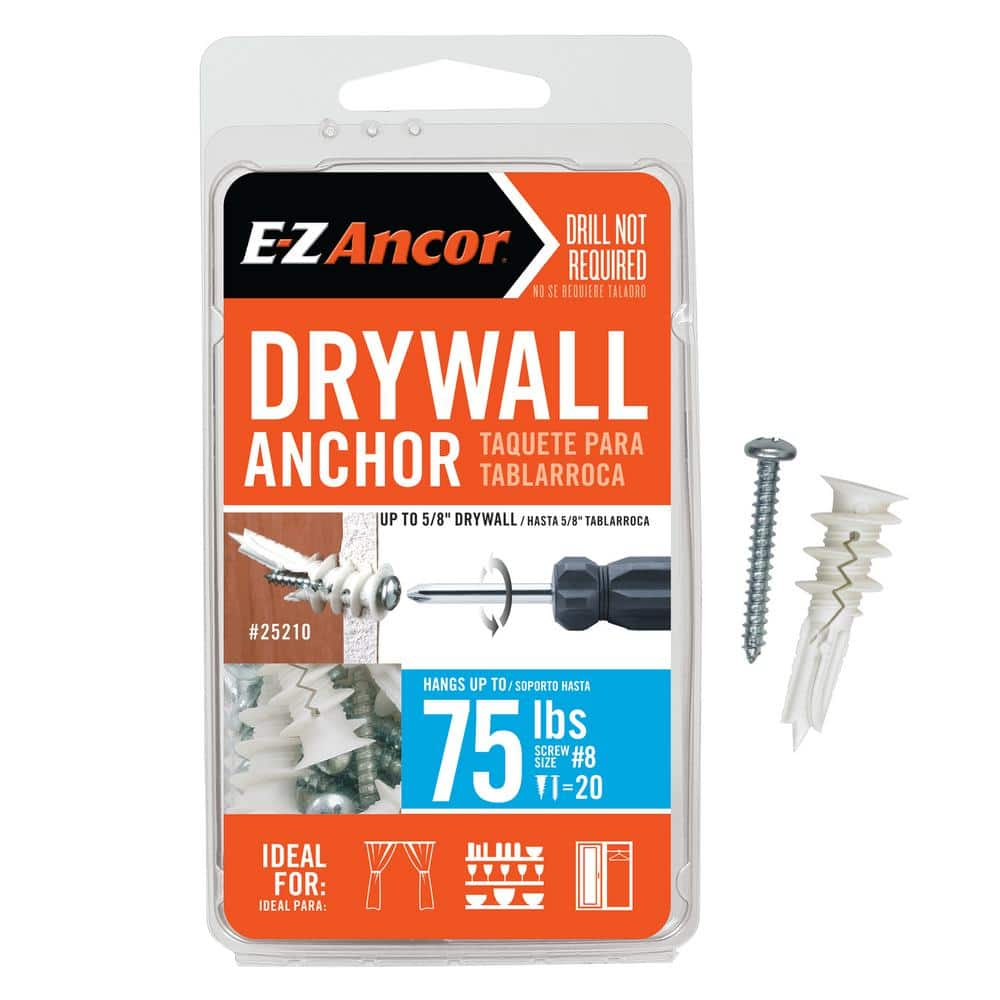
Self-drilling anchors screw directly into drywall without pre-drilling. They save time and provide good support. Useful for medium weight items like shelves and frames.
Threaded Drywall Anchors
Threaded drywall anchors have deep threads for firm grip. They screw into drywall easily and hold steady. Suitable for medium loads such as small cabinets and mirrors.
Weight Capacity Factors
The weight a wall anchor can hold depends on several important factors. These factors affect the strength and safety of the installation. Understanding them helps you choose the right anchor for your needs.
Each factor plays a role in how much weight the anchor can support. Ignoring these can lead to weak holds and possible damage.
Wall Material Impact
The type of wall matters a lot. Drywall, concrete, brick, and plaster have different strengths. Anchors hold better in solid materials like concrete and brick. Drywall is weaker and needs special anchors. Always match the anchor to your wall type for best results.
Anchor Size And Length
Bigger anchors usually hold more weight. Longer anchors reach deeper into the wall, increasing strength. Using an anchor too small for the load can cause failure. Choose size and length based on the weight you need to support.
Installation Technique
Proper installation is key. Drilling the right hole size and depth ensures a tight fit. Over-tightening or under-tightening can reduce holding power. Follow manufacturer instructions carefully for best results.
Load Type: Shear Vs. Pull-out
Weight can push or pull on anchors in different ways. Shear forces push sideways, while pull-out forces pull directly away from the wall. Anchors resist shear better than pull-out forces. Knowing the type of load helps pick the strongest anchor type.
Weight Limits By Anchor Type
Wall anchors come in many types, each with different weight limits. Knowing these limits helps you choose the right anchor for your project. Using the wrong anchor can cause damage or failure. Below are common wall anchor types and their weight capacities.
Plastic Expansion Anchor Load Ratings
Plastic expansion anchors work well for light loads. They usually hold between 10 to 25 pounds. These anchors expand inside the wall as a screw is driven in. Best for hanging small pictures or light shelves.
Toggle Bolt Strength
Toggle bolts are strong and hold heavy items. They can support 50 to 100 pounds or more. The metal wings open behind the wall for a strong grip. Ideal for heavy mirrors, shelves, or curtain rods.
Molly Bolt Weight Capacity
Molly bolts provide firm support in drywall. They hold around 25 to 50 pounds. The sleeve expands behind the wall for stability. Good for medium weight items like towel racks and cabinets.
Self-drilling Anchor Limits
Self-drilling anchors are easy to install and hold 25 to 50 pounds. They screw directly into drywall without pre-drilling. Perfect for mounting light to medium weight objects quickly.
Threaded Drywall Anchor Strength
Threaded drywall anchors hold between 25 to 50 pounds. They screw into drywall and create a strong hold. Suitable for small shelves, hooks, and other household items.
Testing Anchor Strength
Testing anchor strength is essential for safety and reliability. It shows how much weight a wall anchor can hold before it fails. Understanding this helps choose the right anchor for your needs. Testing also reveals the limits of different anchor types and materials.
Laboratory Testing Methods
Laboratory tests use machines to measure anchor strength. These machines pull or push anchors until they break or slip. Tests are done under controlled conditions to ensure accuracy. Different wall materials like drywall, concrete, and brick are tested. Results show the maximum load each anchor can handle.
Field Testing Tips
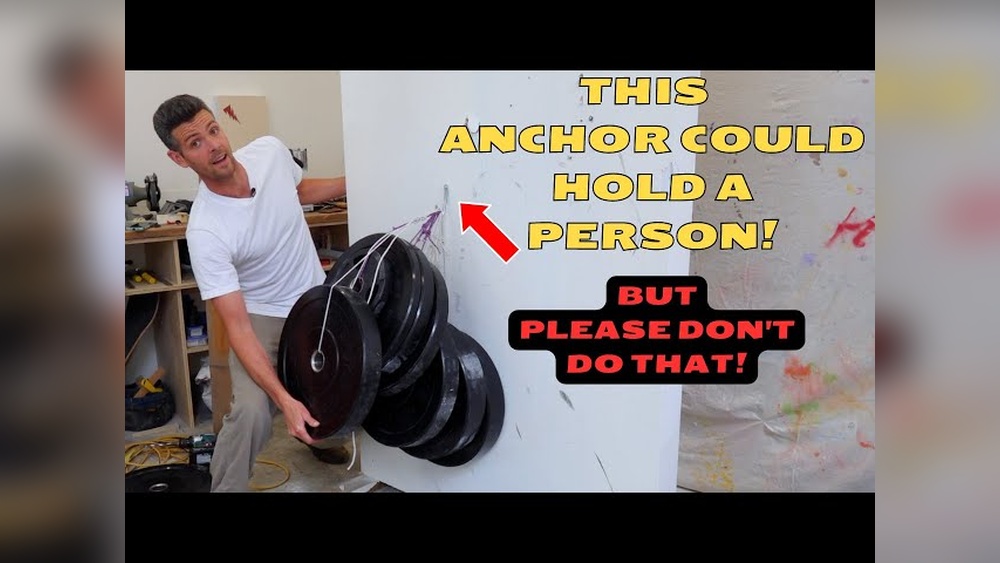
Field tests check anchor strength in real settings. Use a scale or weight system to measure load. Start with light weights and increase slowly. Watch for any movement or cracking around the anchor. Test several anchors to find consistent results. Field tests help confirm lab findings in real life.
Signs Of Anchor Failure
Anchors fail in several ways. Cracks or holes around the anchor show stress. The anchor may loosen or fall out. The wall might crumble or break near the anchor. If the item attached wobbles or moves, the anchor may be weak. Spotting these signs early prevents accidents and damage.
Choosing The Right Anchor
Choosing the right wall anchor is key to a secure hold. Different anchors suit different walls and weights. Picking the correct type prevents damage and ensures safety. Consider the wall material, the weight you need to hold, and the environment. Each factor affects anchor performance and durability.
Matching Anchor To Wall Type
Walls come in many types: drywall, concrete, brick, or plaster. Each needs a specific anchor style. Drywall anchors work well in hollow walls. Concrete and brick require heavy-duty anchors like sleeve or wedge types. Using the wrong anchor can cause it to fail or damage the wall. Identify your wall type before choosing an anchor.
Selecting For Load Requirements
Know the weight you need the anchor to support. Light loads need simple plastic anchors. Heavier items require metal or expansion anchors. Check the anchor’s weight rating on the package. Choose one that holds more than your item’s weight for safety. Overloading an anchor leads to wall damage or falling objects.
Environmental Considerations
Consider moisture and temperature where the anchor will be placed. Bathrooms and kitchens have high humidity. Use corrosion-resistant anchors like stainless steel or coated types here. Outdoor anchors must withstand weather and rust. Anchors not suited for the environment will weaken over time. This risks the safety of your mounted items.
Installation Best Practices
Installing wall anchors properly ensures they hold the weight as expected. Following best practices helps avoid damage to walls and keeps your items secure. Simple steps make the process easier and safer. Proper installation improves anchor strength and durability.
Proper Drilling Techniques
Use a drill bit matching the anchor size exactly. Drill straight into the wall to avoid angled holes. Clear out dust from the hole before inserting the anchor. Slow and steady drilling prevents cracking or breaking drywall. Always check the drill speed for control.
Anchor Placement Tips
Place anchors where the wall is strongest, away from edges. Avoid areas with wires or pipes behind the wall. Space anchors evenly for balanced weight distribution. Choose stud locations for heavier items whenever possible. Mark spots clearly to ensure accurate drilling.
Avoiding Common Mistakes
Do not use anchors meant for lighter loads on heavy items. Avoid over-tightening screws, which can damage anchors or walls. Skip using anchors on damaged or crumbly walls. Do not guess the size of the hole; measure carefully. Avoid mixing anchor types in the same project.
Alternative Fastening Options
Wall anchors are useful but not always the best choice for heavy items. Choosing the right fastening method matters for safety and durability. Alternative options offer stronger support and suit different wall types and weights. Explore these common alternatives to wall anchors for better results.
Using Studs For Heavy Loads
Studs are the wooden or metal beams behind drywall. Screwing directly into studs gives a very strong hold. Use a stud finder to locate them easily. Heavy shelves, TVs, and cabinets need this extra strength. Studs can hold much more weight than anchors alone. Always check the stud’s position before drilling.
Adhesive Solutions
Strong adhesives work well for light to medium items. They bond surfaces without drilling holes. Use special construction glue or double-sided tape for picture frames or small shelves. Adhesives avoid wall damage and are quick to apply. Make sure the wall is clean and dry for best results. Adhesives are not ideal for very heavy objects.
Mechanical Fasteners
Mechanical fasteners include bolts, screws, and toggle bolts. They come in many shapes and sizes for different needs. Toggle bolts expand behind the wall for extra grip. Use them in hollow walls where studs are not available. Mechanical fasteners are reliable for medium to heavy loads. Choose the right size to match the wall and object weight.
Credit: www.homedepot.com

Credit: walabot.com
Frequently Asked Questions
How Much Weight Can Plastic Wall Anchors Hold?
Plastic wall anchors typically hold between 10 to 25 pounds. The exact weight depends on wall type and anchor size.
Are Metal Wall Anchors Stronger Than Plastic Ones?
Yes, metal wall anchors usually support heavier loads, often up to 50 pounds or more, making them ideal for heavy items.
What Affects The Weight Capacity Of Wall Anchors?
Weight capacity depends on anchor type, wall material, and installation quality. Properly installed anchors hold more weight safely.
Can Wall Anchors Hold Heavy Shelves Or Tvs?
Heavy-duty anchors can support shelves and TVs if chosen correctly. Always check the weight rating before installation.
Conclusion
Wall anchors hold different weights depending on type and wall material. Choose anchors that match your project’s needs. Always check the packaging for weight limits. Use the right size for safety and strength. Proper installation helps anchors hold better and longer.
Avoid guessing; follow instructions closely every time. Good anchors keep your items secure on walls. Remember, strong support means less risk of damage. Simple steps protect your walls and belongings well.