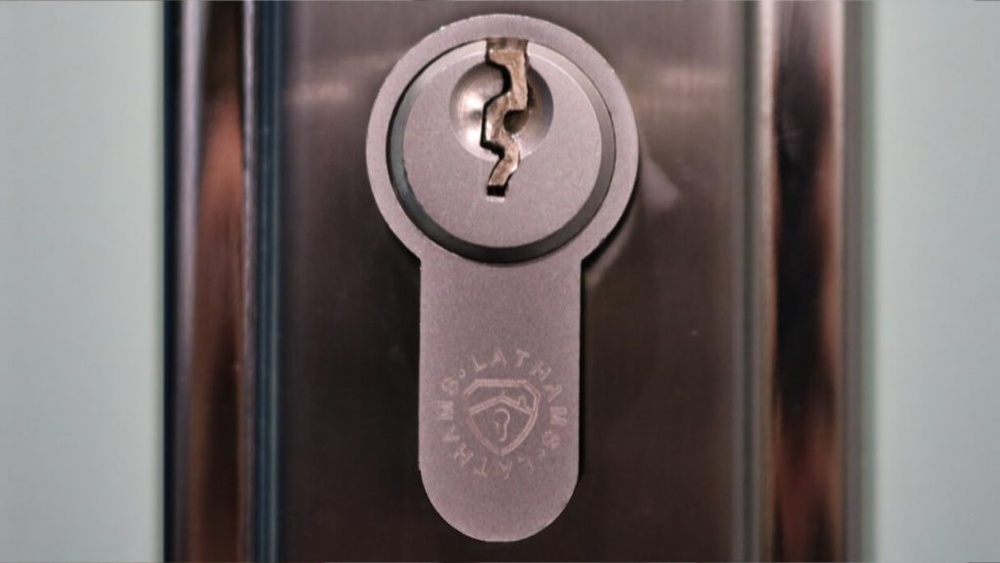
Have you ever faced the frustration of a broken deadbolt lock that just won’t budge? It’s not only annoying but can also make you feel stuck and vulnerable.
Knowing how to remove a broken deadbolt lock yourself can save you time, money, and a lot of stress. In this guide, you’ll discover simple, step-by-step methods that anyone can follow, even if you’re not a handyman. Ready to unlock the secrets and regain control of your door?
Keep reading—you’re closer to solving this problem than you think.

Credit: www.reddit.com
Tools Needed
Removing a broken deadbolt lock requires the right tools. Having them ready makes the job easier and faster. Each tool plays a specific role in the process.
Prepare these tools before starting. It helps avoid delays and frustration. The tools are common and easy to find.
Phillips And Flathead Screwdrivers
These screwdrivers help remove screws from the lock. A Phillips screwdriver fits cross-shaped screws. A flathead screwdriver works for straight, flat screws. Both are essential for unlocking parts.
Pliers
Pliers grab and turn small parts. They pull out broken pieces inside the lock. Needle-nose pliers are best for tight spaces. They give better control and grip.
Drill And Drill Bits
A drill removes stubborn screws or parts stuck inside. Use small drill bits to avoid damage. Drilling needs care and precision to protect the door.
Utility Knife
This knife cuts through adhesive or paint around the lock. It also helps remove weather stripping if needed. Handle with care to avoid injury.
Hammer
A hammer taps loose stuck parts gently. It helps to loosen the deadbolt from the door. Use light taps to prevent damage.
Assess The Damage
Assessing the damage is the first step to remove a broken deadbolt lock. It helps you understand the problem and decide the best way to fix it. Careful checking saves time and avoids extra damage to the door or lock.
Check The Lock’s Exterior
Look closely at the outside part of the deadbolt. See if the keyhole is damaged or if the lock face is cracked. Notice any bent or broken parts. This shows how bad the damage is.
Inspect The Lock Cylinder
Try to see inside the lock cylinder. A broken cylinder might stop the key from turning. If the cylinder is stuck or loose, it needs special attention. This part controls the lock mechanism.
Examine The Bolt And Strike Plate
Look at the bolt that slides into the door frame. Check if it moves freely or is stuck. The strike plate on the door frame must be aligned well. Damage here can cause the lock to jam.
Assess The Door And Frame Condition
Check the door and the frame near the lock. Look for cracks, splinters, or warping. Damage to the door or frame can affect the lock’s function. This helps decide if repair or replacement is needed.
Remove The Exterior Part
Removing the exterior part of a broken deadbolt lock is the first key step. This part holds the lock cylinder and faceplate, which must come off before you can replace or repair the lock. Care and patience are important to avoid damaging the door or the lock further.
Start by focusing on the screws and the visible parts of the lock outside the door. These hold the exterior assembly in place. Removing them clears the way to access the broken cylinder inside.
Unscrew The Faceplate
Locate the screws on the faceplate around the lock. These screws often sit on the edge of the door. Use a screwdriver that fits well to avoid stripping the screws. Turn each screw counterclockwise to loosen and remove them. Keep the screws safe for later use or replacement.
Once all screws are out, gently pull the faceplate away from the door. It may need a bit of wiggle if stuck. Avoid forcing it hard, as this might damage the door finish.
Extract The Broken Cylinder
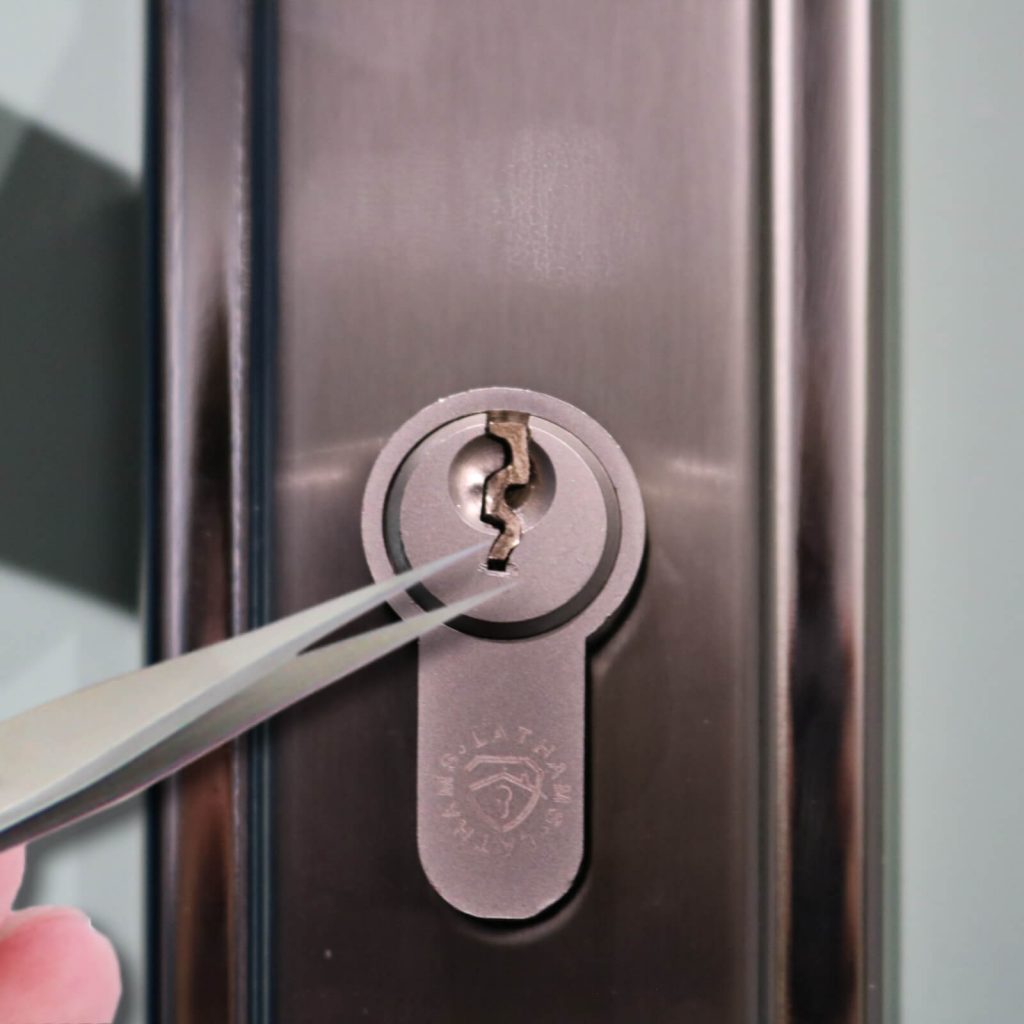
The cylinder sits behind the faceplate. This part often breaks inside, causing the lock to fail. After removing the faceplate, try to pull the cylinder out carefully. Sometimes it slides out easily; other times, it needs a little push or pull with pliers.
Check for any small screws or clips holding the cylinder in place. Remove these if necessary. If the cylinder is stuck, tap it gently with a small hammer to loosen it. Be patient and keep the parts intact for easier replacement.

Credit: www.reddit.com
Remove The Interior Side
Removing the interior side of a broken deadbolt lock is the next step. It lets you access parts stuck inside the door. This step is simple with the right tools. Focus on the screws and the deadbolt mechanism itself. Be patient and careful to avoid damage.
Unscrew The Interior Plate
Locate the screws holding the interior plate. Use a screwdriver to remove them. Keep the screws safe for later use. The plate might be tight, so apply steady pressure. Once loose, gently pull the plate away from the door.
Take Out The Deadbolt Mechanism
After removing the plate, the deadbolt mechanism is visible. It usually slides out easily. Pull it straight from the door cavity. If stuck, wiggle gently without forcing. Removing this piece frees the lock from inside the door.
Alternative Removal Methods
Removing a broken deadbolt lock can be tough. Sometimes, normal tools do not work well. Here are some alternative ways to get the job done. These methods use simple tools and can help you remove the broken parts safely. Keep your safety in mind and work slowly.
Using A Drill
Drilling is a common way to remove a broken lock. Choose a drill bit that fits the lock cylinder size. Start drilling in the center of the lock face. Drill slowly and keep the drill steady. The goal is to break the lock cylinder inside. Once broken, the lock will turn or come apart easily. Wear safety glasses to protect your eyes from metal bits.
Using A Screwdriver And Hammer
This method works well if the lock is stuck but not fully broken. Use a flat-head screwdriver that fits the lock edge. Place the screwdriver between the lock and the door. Tap the screwdriver gently with a hammer. This action helps to loosen the lock parts. Repeat the tapping around the lock. After some taps, the lock should come loose or move enough to remove it.
Install A New Deadbolt
Installing a new deadbolt is the next step after removing a broken one. This ensures your door stays secure and works properly. A new deadbolt gives safety and peace of mind.
Choose a deadbolt that fits your door and needs. The right lock will be easy to use and strong. It should also match the size and style of your door.
Choose The Right Lock
Pick a lock with solid materials like steel or brass. These materials last longer and resist tampering. Check the lock’s grade; Grade 1 is the strongest.
Consider a single-cylinder deadbolt for most doors. It uses a key outside and a thumb turn inside. Double-cylinder locks need a key on both sides but can be tricky in emergencies.
Think about extra features like bump-proof or pick-resistant locks. These add security without making installation hard.
Align And Secure The New Lock
Place the new deadbolt in the door hole. Make sure the latch fits smoothly in the strike plate on the door frame. Proper alignment helps the lock work without sticking.
Use screws to fasten the lock firmly. Tight screws keep the lock steady and prevent wobbling. Avoid over-tightening to stop damage to the lock or door.
Test the lock by turning the key and thumb turn several times. It should move freely and lock the door firmly. Adjust if needed for smooth operation.
Test The New Deadbolt
Testing the new deadbolt is an important step after installation. It ensures the lock works correctly and keeps your home safe. A properly tested deadbolt prevents future problems and security risks.
Test the new deadbolt carefully. Check every part and function before finishing the job.
Check The Lock Operation
Turn the key or thumb turn several times. Make sure the bolt moves smoothly in and out. It should not stick or jam.
Try locking and unlocking from both sides. Confirm the lock works equally well on each side.
Test The Key Function
Insert the key fully and turn it gently. The key should not feel loose or tight. Remove the key and try again to check consistency.
Use all the keys that came with the lock. Each key must operate the deadbolt without trouble.
Ensure Proper Alignment
Close the door and lock the deadbolt. The bolt should fit easily into the strike plate hole.
If the bolt hits the strike plate, adjust the plate or door position. Proper alignment prevents damage and wear.
Prevent Future Breakage
Preventing future breakage of a deadbolt lock is important for home safety. A broken lock can leave your home open to danger. Taking simple steps can keep your locks working well. This helps avoid the hassle and cost of replacing them often.
Regular Maintenance Tips
Check your deadbolt every few months. Clean dirt and dust from the lock with a soft cloth. Use a lubricant made for locks to keep moving parts smooth. Avoid oil or grease, which can attract dust. Test the lock to make sure it turns easily. Tighten any loose screws on the lock and door. Replace worn or damaged parts right away. Regular care helps the lock last longer and work better.
Upgrade To Stronger Locks
Old or weak locks break more often. Choose deadbolts made from strong metals like steel. Look for locks with high security ratings. These resist picking, drilling, and forced entry. Consider smart locks with extra security features. A strong lock adds protection and peace of mind. Installing better locks reduces the chance of breakage.
Credit: www.lathamshardware.co.uk
Frequently Asked Questions
How Do You Safely Remove A Broken Deadbolt Lock?
To safely remove a broken deadbolt, first remove the screws on the interior side. Then, gently pull out the lock cylinder. Use pliers if necessary, but avoid force to prevent damage to the door. Finally, unscrew the strike plate and remove the deadbolt mechanism.
What Tools Are Needed To Remove A Broken Deadbolt Lock?
You typically need a screwdriver, pliers, and possibly a drill. A flathead screwdriver helps pry off trim plates. Needle-nose pliers assist in pulling out broken parts. A drill can remove stubborn screws or damaged components safely and efficiently.
Can I Remove A Broken Deadbolt Lock Without A Key?
Yes, you can remove it by unscrewing the interior side first. If the cylinder is stuck, use pliers to carefully pull it out. In some cases, drilling the lock may be necessary, but this should be a last resort to avoid door damage.
How Long Does It Take To Remove A Broken Deadbolt Lock?
Removing a broken deadbolt lock usually takes about 15 to 30 minutes. The time depends on damage severity and your experience. Having the right tools ready can speed up the process and reduce frustration.
Conclusion
Removing a broken deadbolt lock can be simple with the right steps. Take your time and stay patient throughout the process. Use basic tools and follow each step carefully. Safety matters, so avoid forcing parts that won’t move. If the lock is too damaged, consider asking a professional for help.
Fixing the lock yourself saves money and time. Keep your home secure by replacing old or broken locks quickly. Small efforts make a big difference in home safety. Now, you are ready to handle a broken deadbolt lock confidently.


