
Are you tired of that old, worn-out light switch box in your home? Changing it might seem tricky, but it’s easier than you think.
Imagine flipping a switch that not only works smoothly but also looks great and fits perfectly with your room’s style. In this guide, you’ll discover simple, step-by-step instructions to replace your light switch box safely and quickly. By the end, you’ll feel confident tackling this task yourself—no need to call a professional or spend a fortune.
Ready to brighten up your space with a simple switch upgrade? Let’s get started!

Credit: icreatables.com
Tools And Materials Needed
Changing a light switch box requires the right tools and materials. Having these ready makes the job safer and easier. This section covers what you need before starting the work.
Essential Tools
Start with a screwdriver set, both flathead and Phillips. A voltage tester is vital to check power is off. Wire strippers help remove insulation from wires. Needle-nose pliers allow you to bend and hold wires. A utility knife is useful for cutting electrical tape or cable sheathing. A drill might be needed to secure the new box.
Choosing The Right Switch Box
Select a box size that fits your switch and wall space. Plastic boxes are common and easy to install. Metal boxes are durable and good for grounding. Check the box depth to hold all wires safely. Use a box designed for new work or old work, depending on your wall type.
Safety Gear
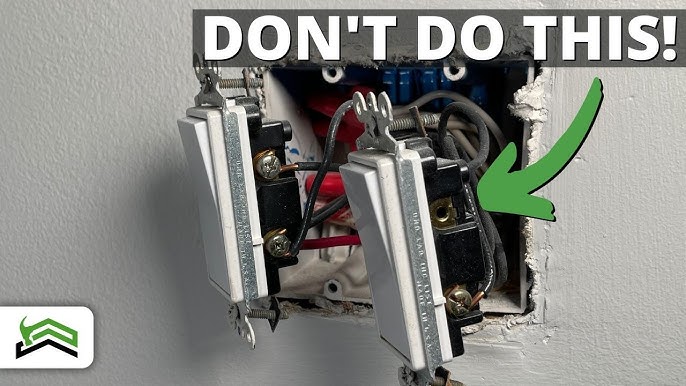
Wear insulated gloves to protect against electric shocks. Safety goggles shield your eyes from dust and debris. Use a dust mask if cutting drywall or plaster. Keep a flashlight nearby for better visibility. Always turn off the power at the breaker before you begin.
Credit: www.youtube.com
Preparing For The Switch Box Change
Preparing for the switch box change is an important step to ensure safety and ease. Taking time to get ready prevents accidents and saves time later. Focus on three main tasks before starting the replacement.
Turn off the power, test for electricity, and clear the work area. These steps create a safe and organized space. They help you work with confidence and avoid mistakes.
Turning Off Power
Locate the circuit breaker for the light switch. Flip the switch to the off position. This cuts power to the switch box. Double-check by trying the light switch. No light means power is off. This step keeps you safe from electric shock.
Testing For Electricity
Use a non-contact voltage tester to check wires. Hold the tester near each wire in the box. If it beeps or lights up, electricity is still present. Test all wires to be sure power is off. Never skip this step. It confirms safety before touching wires.
Clearing The Work Area
Remove any furniture or objects near the switch box. Clear the floor for tools and parts. Good lighting helps you see clearly. Keep a small container ready for screws and small pieces. An organized space makes the job easier and faster.
Removing The Old Switch Box
Removing the old switch box is the first step in changing a light switch box. This step needs careful attention to avoid damage or injury. Follow the right process to keep everything safe and ready for the new box.
Unscrewing The Switch Plate
Start by turning off the power at the breaker. This prevents electric shock. Use a screwdriver to remove the screws holding the switch plate. Keep the screws safe for later use. Gently pull the plate away from the wall. This reveals the switch and wires inside.
Disconnecting Wires
Check the wires connected to the switch. Use a voltage tester to confirm power is off. Loosen the screws or release the wire connectors. Carefully pull the wires away from the switch. Note how the wires are connected for the new switch. Avoid pulling or damaging the wires.
Extracting The Old Box
Look inside the wall to see how the box is fixed. Some boxes have screws or nails holding them. Remove these fasteners carefully with a screwdriver or pliers. Pull the old box out slowly. If the box is nailed in, you might need to pry it gently. Keep the wall intact to make the new box fit easily.

Credit: icreatables.com
Installing The New Switch Box
Installing the new switch box is a key step in changing a light switch. This process ensures the switch fits safely and works well. Follow each step carefully for a solid installation.
Positioning The Box
Place the new switch box at the right height on the wall. Usually, it should align with other switches or outlets. Hold the box against the stud and mark the edges. Check that the box sits flush with the wall surface. This helps the switch cover fit correctly later.
Securing The Box To Studs
Use screws to attach the box firmly to the wall studs. Start by drilling pilot holes in the box’s mounting ears. Screw the box tightly, so it does not move. Make sure the box is level before tightening all screws. A secure box prevents future wiring issues and switch movement.
Routing Electrical Wires
Feed the electrical wires through the box’s cable clamps or openings. Leave enough wire length inside for easy switch connection. Avoid sharp bends or kinks in the wires. Keep wires organized and separate from each other. This ensures safe and neat wiring inside the box.
Wiring The New Light Switch
Wiring the new light switch is a key step in changing a light switch box. It ensures the switch works safely and correctly. Take your time to connect each wire properly. Safety is important. Turn off power at the breaker before starting any wiring work.
Connecting Wires Correctly
Identify the wires in the box: usually black, white, and green or bare copper. Black wires carry power. White wires are neutral. Green or bare wires are ground. Connect the black wire to the switch’s brass or black screw. Attach the white wire to the silver screw if the switch requires it. Connect the ground wire to the green screw. Tighten all screws firmly to avoid loose connections.
Using Wire Nuts And Connectors
Use wire nuts to join wires safely. Twist wires together before placing the wire nut. Make sure no bare wire is exposed outside the nut. Wire connectors keep wires secure and prevent shorts. Use the right size wire nut for your wires. Give a gentle tug to test the connection strength.
Double-checking Connections
Check each connection twice. Look for loose or exposed wires. Make sure wires are under screws or inside wire nuts. Confirm the ground wire is connected properly. Use a voltage tester to ensure no power is running during work. Proper checks prevent electrical hazards and switch failures.
Finishing Touches
Finishing touches complete your light switch box replacement. These final steps ensure safety and functionality. Take time to do them carefully. The switch should look neat and work well.
Attaching The Switch Plate
Place the switch plate over the switch. Align the screw holes properly. Use a screwdriver to secure the plate. Tighten screws just enough. Avoid overtightening to prevent cracking.
Restoring Power
Go to your circuit breaker panel. Flip the switch to restore power. Double-check the right circuit is on. Make sure the area is safe before testing. Never rush this step.
Testing The Switch Function
Press the switch to turn lights on and off. Notice any flickering or unusual sounds. Confirm the switch works smoothly every time. If problems appear, turn off power again. Recheck wiring or call a professional.
Common Mistakes To Avoid
Changing a light switch box can be simple if done right. Avoiding common mistakes helps keep the process safe and smooth. Many people rush or skip steps, causing problems later.
Knowing what to avoid saves time and prevents damage. Here are key mistakes to watch out for during your project.
Ignoring Safety Precautions
Always turn off the power at the circuit breaker. Never trust just the switch to cut electricity. Use a voltage tester to confirm wires are dead. Skipping these steps risks electric shock or injury. Wear gloves and use insulated tools for extra safety.
Mismatching Wire Connections
Match wires by color and type carefully. Connect black wires to black, white to white, and green or copper to ground. Wrong connections cause switches to fail or create hazards. Double-check each wire before tightening screws or pushing wires back. Label wires if needed to avoid confusion.
Overtightening Screws
Tighten screws just enough to hold wires firmly. Over-tightening can damage the switch or strip screws. Loose screws cause poor connections and flickering lights. Use a screwdriver with proper control. Stop tightening once the wire does not move.
When To Call A Professional
Changing a light switch box can be simple or tricky. Knowing when to call a professional saves time and prevents hazards. Some situations need expert help to keep your home safe and meet rules.
Complex Wiring Issues
Sometimes wires are old or tangled. Complex wiring can cause shocks or fires. Professionals understand different wire types and colors. They know how to fix problems safely. If you see many wires or confusing connections, call an expert.
Electrical Code Requirements
Electric work must follow strict codes. Codes protect people and property from dangers. A professional electrician knows local rules well. They ensure the switch box meets all standards. This prevents fines and unsafe work. Don’t risk breaking code by doing it alone.
Ensuring Long-term Safety
A properly installed switch lasts longer and works well. Mistakes may cause sparks or failures later. Pros use the right tools and parts. They test the system after installation. This gives peace of mind and avoids future problems. Safety first, always.
Frequently Asked Questions
How Do I Safely Change A Light Switch Box?
Turn off the power at the circuit breaker. Use a voltage tester to confirm no electricity. Remove the switch cover, unscrew the old box, and disconnect wires carefully. Follow local electrical codes for installation. If unsure, consult a licensed electrician.
What Tools Are Needed To Replace A Light Switch Box?
You’ll need a screwdriver, voltage tester, wire stripper, pliers, and a new switch box. A flashlight and electrical tape also help. These tools ensure safe removal and installation of the light switch box.
Can I Upgrade To A Larger Light Switch Box?
Yes, upgrading to a larger box is possible if space allows. Check wall cavity size and local codes. Larger boxes provide more wiring room and comply with electrical safety standards. Ensure proper mounting and secure wiring inside.
How Long Does It Take To Change A Light Switch Box?
Changing a light switch box typically takes 30 to 60 minutes. Time depends on wiring complexity and wall type. Preparation and safety checks may extend the process. Experience level also affects the duration of the project.
Conclusion
Changing a light switch box can seem hard, but it is simple. Always turn off the power first to stay safe. Take your time and follow each step carefully. Use the right tools and check your work as you go.
With some patience, you can do this yourself. This skill saves money and helps you fix other things later. Try it and see how easy it can be. Small tasks like this build confidence and keep your home working well.


