Are you looking for a simple way to control your plug using a light switch? Connecting a light switch to a plug might sound tricky, but it’s easier than you think.
Imagine turning your favorite lamp or device on and off without unplugging it every time. In this guide, you’ll learn step-by-step how to make it happen safely and quickly. Stick with me, and by the end, you’ll have the confidence to do it yourself—no electrician needed.
Ready to take control of your power? Let’s get started!
Tools And Materials Needed
Connecting a light switch to a plug requires some basic tools and materials. Having the right items makes the job easier and safer. This section lists everything needed for a smooth wiring process.
Essential Tools
Start with a screwdriver set. Flathead and Phillips screwdrivers are key. Wire strippers help remove insulation from wires cleanly. Use a voltage tester to check power before working. Needle-nose pliers make bending and twisting wires simple. A drill may be needed for mounting hardware.
Required Materials
Get a standard light switch compatible with your setup. Choose a plug or outlet that matches your socket type. Use electrical wire rated for your home’s voltage. Wire connectors secure wire ends safely. Electrical tape adds extra insulation. A switch box holds the switch and protects wiring.
Safety Gear
Wear insulated gloves to protect from shocks. Safety glasses shield eyes from debris. A flashlight helps if working in low light. Keep a fire extinguisher nearby for emergencies. Always turn off power at the breaker before starting.
Safety Precautions
Always turn off the power before starting any electrical work. Use a voltage tester to ensure no current flows. Wear insulated gloves to protect yourself from shocks.
Turn Off Power At The Circuit Breaker
Always switch off the power before starting any electrical work. This stops electricity flow and lowers shock risk. Use a circuit tester to confirm no power runs to the wires.
Use Proper Tools And Equipment
Pick tools made for electrical tasks. Insulated screwdrivers and wire strippers protect from shocks. Avoid using damaged or worn-out tools to keep the work safe.
Wear Safety Gear
Wear rubber-soled shoes and safety glasses. Gloves made for electrical work can add protection. These small steps guard against accidents and injuries.
Check The Wiring And Connections
Inspect wires for damage or wear before connecting. Use connectors designed for electrical use, not tape alone. Secure connections prevent sparks and hazards.
Follow Local Electrical Codes
Adhere to rules set by local authorities for wiring. These codes ensure safe and proper installation. Ignoring codes can cause danger and legal issues.
Understanding The Wiring Basics
Understanding the wiring basics is important before connecting a light switch to a plug. It helps prevent mistakes and keeps you safe. This section explains the key parts of wiring and components involved.
Knowing these basics makes the process easier. You will learn about the types of wires and the main parts of switches and plugs.
Types Of Wires
There are three main types of wires in home wiring: live, neutral, and ground. The live wire carries electricity from the power source. The neutral wire completes the circuit back to the power source. The ground wire provides safety by directing electricity away if there is a fault.
Wires usually have color codes. Live wires are often red or brown. Neutral wires are blue or white. Ground wires are green or bare copper. Always check your local wiring color codes before starting.
Switch And Plug Components
A light switch controls the flow of electricity to a light or device. It has two main terminals: one for the live wire coming in and one for the live wire going out. The switch breaks or completes the circuit.
A plug has live, neutral, and ground terminals. These connect to the wires inside the plug. The plug sends electricity to the device it powers. Understanding these parts helps connect a switch correctly to a plug.

Credit: www.youtube.com
Preparing The Work Area
Preparing the work area is the first step in connecting a light switch to a plug. A clean and safe space helps you focus and work efficiently. It also reduces the chance of mistakes or accidents. Take time to organize and clear the area before starting any electrical work.
Gather all tools and materials needed. This includes screwdrivers, wire strippers, electrical tape, and the light switch and plug. Having everything ready saves time and frustration during the task. Make sure your tools are in good condition and easy to reach.
Turn off the power at the circuit breaker. This is crucial for safety. Double-check that no electricity flows to the wires you will handle. Use a voltage tester to confirm. Never skip this step to avoid electric shock.
Clear The Work Surface
Remove any objects around the switch and plug area. Clear space gives you room to work comfortably. It also prevents damage to other items. Use a clean cloth to wipe dust or dirt from surfaces.
Organize Your Tools
Lay out all tools neatly on a tray or table nearby. Group similar items together. This helps find tools quickly when needed. Keep sharp tools away from edges to avoid falls.
Ensure Proper Lighting
Good lighting is essential to see wires and connections clearly. Use a bright work lamp or natural light. Avoid shadows that can hide small parts or wire colors.
Wear Safety Gear
Protect your hands with insulated gloves. Wear safety glasses to shield eyes from sparks or debris. Use closed-toe shoes for foot protection. Safety gear reduces injury risks during electrical tasks.
Turning Off Power Supply
Before connecting a light switch to a plug, turning off the power supply is crucial. Safety is the top priority. Live electricity can cause shocks or worse. Taking this step protects you and your home. It also prevents damage to electrical parts.
Turning off the power is simple. It cuts the electricity at the source. This stops current flow to the wires you will work on. No current means no risk of shock. It makes the job safer and easier to handle.
Locate The Main Circuit Breaker
First, find the main circuit breaker box. It usually sits in a basement or utility room. The box holds switches that control power to different areas. Look for the big switch or labeled breakers. This is where you stop the power supply.
Switch Off The Correct Breaker
Identify the breaker for the room or area you work on. Turn that switch to the “off” position. This stops electricity to the light switch and plug. Double-check by flipping the switch off firmly. It ensures the power is fully cut.
Test For Power Before Starting Work
Use a voltage tester or multimeter to check wires. Touch the tool to the wires where you will work. No reading means no power. If there is a reading, the power is still on. Do not proceed until the power is off.
Wiring The Light Switch
Wiring the light switch is a key step to control power safely. It involves connecting wires correctly and securing the switch to avoid any faults. Follow clear steps for a proper and safe setup. This guide explains how to wire the switch for a plug connection.
Connecting Live Wire
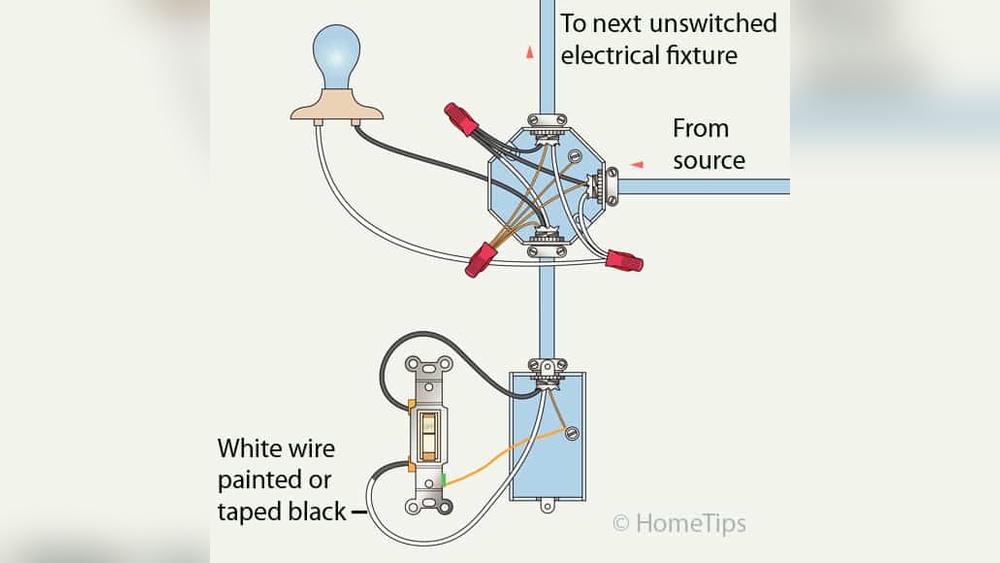
First, turn off the main power to avoid shocks. Find the live wire in the cable; it is usually brown or red. Strip about 1 cm of insulation from the wire end. Insert the live wire into the switch’s live terminal. Tighten the screw to hold the wire firmly. Make sure the wire does not touch other terminals or wires.
Securing The Switch
Place the switch into the wall box carefully. Push the wires inside without bending or stressing them. Use screws to fix the switch to the box firmly. Check that the switch is stable and does not move. Turn the power back on and test the switch function.
Wiring The Plug
Wiring the plug is an important step in connecting a light switch to a plug. It ensures the electrical current flows safely and correctly. Careful wiring prevents short circuits and electrical shocks. Follow simple steps to connect the wires properly inside the plug.
Connecting Neutral And Earth Wires
Start by identifying the neutral and earth wires. The neutral wire is usually blue, and the earth wire is green or green with yellow stripes. Loosen the screws on the plug terminals labeled “N” for neutral and the earth symbol for earth. Insert the neutral wire into the “N” terminal and tighten the screw firmly. Do the same for the earth wire in the earth terminal. Make sure the wires are secure and no copper is visible outside the terminals.
Securing The Plug
After connecting all wires, place the cable into the plug’s cable grip. Tighten the grip screws firmly to hold the cable in place. This prevents the wires from pulling loose when the plug is moved. Close the plug cover and screw it tightly. Check the plug for any loose parts before use. A secure plug reduces the risk of electric shock and damage.

Credit: diy.stackexchange.com
Testing The Connection
Testing the connection between a light switch and a plug is an essential step. It confirms that your wiring is correct and safe. This process helps avoid electrical problems and ensures your setup works as intended.
Start by checking the power supply. Make sure the circuit is off before you begin testing. Use a voltage tester to verify no current flows through the wires. Safety first.
Checking The Switch Operation
Turn the switch on and off several times. Listen for any clicking sounds from the switch. If it feels loose or does not click, the switch might be faulty. Ensure the switch controls the plug power as expected.
Testing The Plug With A Device
Plug in a small device, like a lamp or phone charger. Turn on the switch to see if the device powers up. If the device works, the connection is successful. If not, double-check your wiring.
Using A Multimeter For Accuracy
A multimeter offers precise testing of electrical connections. Set it to measure voltage. Place the probes on the plug terminals. The reading should match your home’s voltage supply. No reading means a wiring issue.
Troubleshooting Common Issues
Troubleshooting common issues helps fix problems fast. It saves time and avoids frustration. Many errors happen from simple mistakes. Checking these issues improves your chances of success. Follow these tips to find and fix faults.
Check Power Supply To The Switch
First, ensure the power is on. Test the breaker or fuse box. A tripped breaker stops electricity flow. Use a voltage tester on the switch wires. No voltage means no power to the switch.
Inspect The Wiring Connections
Loose or wrong wiring causes switches not to work. Turn off power before touching wires. Tighten all screw terminals firmly. Match wires by color and function. Incorrect wiring can cause short circuits.
Test The Light Switch Function
Use a multimeter to check switch operation. The switch should open and close the circuit. A broken switch will not complete the connection. Replace faulty switches for safe use.
Verify The Plug Wiring
Check that plug wires connect correctly to terminals. The live wire goes to the brass terminal. The neutral wire connects to the silver terminal. Ground wire must be attached to the green terminal.
Look For Damaged Components
Inspect the switch and plug for cracks or burns. Damaged parts may cause sparks or failure. Replace any broken or burnt components immediately. Safe parts ensure reliable function.

Credit: diy.stackexchange.com
Frequently Asked Questions
How Do I Wire A Light Switch To Control A Plug?
To wire a light switch to a plug, connect the live wire from the switch to the plug’s live terminal. Ensure the neutral wire bypasses the switch and goes directly to the plug. Always turn off power before starting any electrical work for safety.
Can A Regular Light Switch Control A Power Outlet?
Yes, a regular light switch can control a power outlet by interrupting the live wire. This setup allows the switch to turn the plug on or off. Use proper wiring techniques and ensure compatibility with your electrical system.
Is It Safe To Connect A Light Switch To A Plug?
It is safe if done correctly by following electrical codes and safety guidelines. Use proper wiring, ensure the switch and plug are rated for your circuit, and always cut power before working. If unsure, consult a licensed electrician.
What Tools Do I Need To Connect A Light Switch To A Plug?
You need a screwdriver, wire stripper, voltage tester, electrical tape, and appropriate wires. These tools help you safely and efficiently connect the switch to the plug. Always wear safety gear and follow instructions carefully.
Conclusion
Connecting a light switch to a plug can be simple and safe. Always turn off the power before starting any work. Use the right tools and follow each step carefully. Double-check your connections to avoid any problems. This small project can save you time and add convenience.
Take your time and don’t rush. With patience, you can do it yourself and feel proud. Safety first, and enjoy your new setup!