Struggling to remove a Command Hook without damaging your wall? You’re not alone.
These handy hooks stick tight, making it tricky to take them off cleanly. But don’t worry—there’s a simple way to get them off without leaving marks or holes. In this guide, you’ll learn exactly how to take a Command Hook off your wall quickly and safely.
Keep reading—you’ll be amazed at how easy it can be!
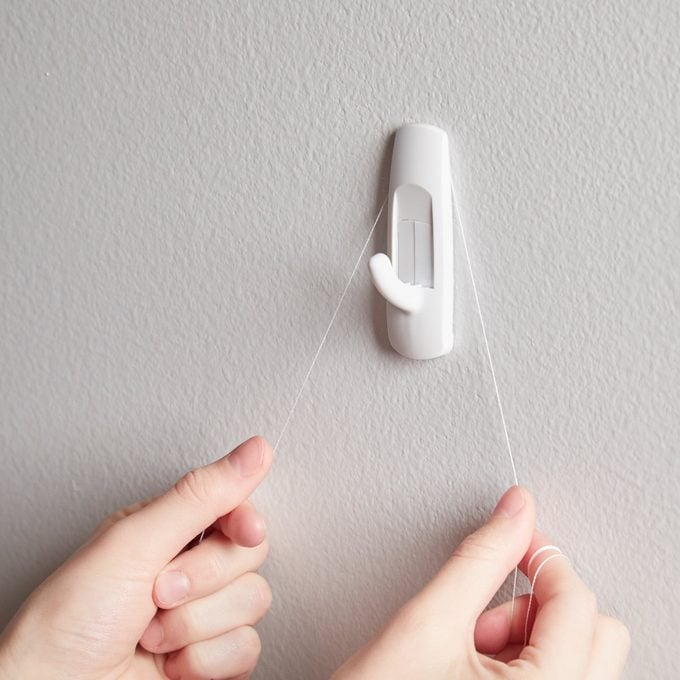
Credit: www.familyhandyman.com
Why Command Hooks Are Popular
Removing a Command Hook from the wall needs the right tools. Using proper tools helps avoid wall damage. It also makes the process quicker and easier.
Gather these tools before you start. They will help you remove the hook safely and cleanly.
Hair Dryer
A hair dryer softens the adhesive on the hook. Warm the adhesive for about 30 seconds. This loosens the glue and makes removal smooth.
Plastic Card
Use a plastic card like a credit card. Slide it gently under the hook’s edge. It helps lift the hook without scratching the wall.
Rubbing Alcohol
Rubbing alcohol removes leftover sticky residue. Dab some on a cloth and rub the spot gently. It cleans the wall and prepares it for repainting if needed.
Soft Cloth
A soft cloth wipes the wall after removal. Use it with rubbing alcohol for best results. It keeps the wall clean and smooth.
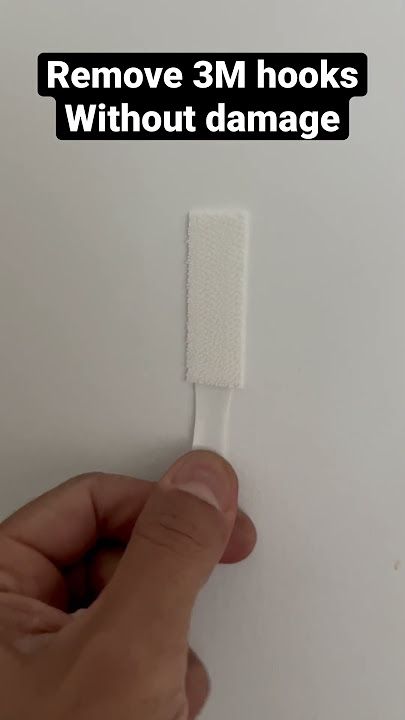
Credit: www.youtube.com
Tools Needed For Removal
Preparing the Command hook for removal is the first important step. Taking time to prepare helps prevent wall damage. It also makes removal easier and safer. Follow simple steps to get ready before pulling off the hook.
Clear The Area Around The Hook
Remove any items hanging on the hook. Clear nearby furniture or decorations. This space makes it safer to work. It helps avoid accidents or broken things.
Clean The Hook And Wall Surface
Wipe the hook gently with a damp cloth. Clean the wall area around the hook. Dirt or dust can affect removal. A clean surface helps adhesive come off smoothly.
Read The Command Hook Instructions
Check the package or manual for removal tips. Different hooks may have specific steps. Following instructions reduces risk of damage. It guides you on the best way to pull.
Preparing The Hook For Removal
Removing a Command Hook from the wall is easy when you follow the right steps. This process avoids damage to your paint or wallpaper. Take your time and be gentle. The key is to handle the adhesive strip correctly. Below is a simple step-by-step guide to help you remove the hook safely.
Locate The Adhesive Strip
Start by finding the small adhesive strip at the hook’s base. It is usually on one side of the hook. This strip holds the hook firmly on the wall. You need to pull this strip to remove the hook without damage.
Pull The Strip Slowly
Hold the hook with one hand. With the other, pull the adhesive strip downwards. Pull slowly and steadily, not fast or forcefully. Stretch the strip straight down along the wall. Stretching the strip reduces the stickiness and releases the hook.
Use Heat To Loosen Adhesive
If the strip is hard to pull, warm it gently. Use a hair dryer on low heat near the adhesive. Warmth softens the glue, making it easier to remove. Keep the hair dryer moving to avoid heat damage. Do not use high heat or touch the wall directly.
Remove Residue Safely
After the hook comes off, some sticky residue may stay. Clean it with a soft cloth and rubbing alcohol. Apply alcohol gently to avoid paint damage. Avoid harsh chemicals or scrubbing hard. The wall will be clean and ready for a new hook.
Step-by-step Removal Process
Removing a Command Hook can be tricky without causing wall damage. The right approach keeps your walls clean and smooth. Follow these tips to protect your paint and drywall.
Use Gentle Pressure
Apply slow, steady pressure when pulling the hook off. Avoid quick or harsh tugs. Gentle force helps the adhesive come off smoothly. This method lowers the risk of peeling paint or dents.
Avoid Sharp Objects
Do not use knives, scissors, or metal tools to pry the hook. Sharp objects can scratch or gouge your wall. Instead, use your fingers or soft materials to peel the strip carefully.
Test On Small Area First
Try removing a hook from a hidden spot before the main area. This test shows how the wall will react. It helps you adjust your method to avoid damage on visible walls.
Tips To Avoid Wall Damage
Removing a Command Hook can be tricky if the usual pull-tab method does not work. Alternative removal methods help loosen the adhesive without damaging your wall. These options use common household items and gentle techniques. They save time and reduce frustration.
Using Vinegar Or Rubbing Alcohol
Vinegar and rubbing alcohol break down the sticky glue on the Command Hook. Soak a cotton ball with either liquid. Press it against the adhesive for a few minutes. This softens the glue and makes it easier to peel off. Use gentle pressure to lift the hook from the wall. Clean any leftover residue with a cloth dampened in vinegar or alcohol.
Applying Oil To Soften Adhesive
Oil helps weaken the Command Hook adhesive safely. Use vegetable oil, baby oil, or olive oil. Dab a small amount around the edges of the hook base. Let it sit for 5 to 10 minutes. The oil seeps in and loosens the bond. Gently wiggle and pull the hook away from the wall. Wipe off excess oil and sticky bits afterward.
Alternative Removal Methods
After removing a Command Hook, some residue or marks might remain on the wall. Cleaning the wall properly helps keep it smooth and ready for new decor. It also prevents damage and keeps your space looking neat.
Removing Adhesive Residue
Use a soft cloth dampened with warm, soapy water. Gently rub the sticky spots until the glue loosens. Avoid harsh scrubbing to protect the paint. For tough residue, try rubbing alcohol on a cotton ball. Test a small spot first to check for paint damage.
Wiping Down The Wall
After removing residue, wipe the wall with a clean, damp cloth. This removes any leftover soap or cleaner. Let the wall dry completely. Drying prevents water stains and helps you see any spots missed.
Fixing Wall Marks
Use a white eraser to gently rub off pencil or scuff marks. For paint touch-ups, use a small brush and matching paint. Apply paint carefully in thin layers. Wait for the paint to dry before adding more.
Cleaning The Wall After Removal
Reusing Command Hooks saves money and reduces waste. These hooks are designed to hold strong but can be reused if done carefully. Proper removal and cleaning keep the hooks sticky and effective for future use.
Here are some simple steps to reuse Command Hooks without losing their strength.
Removing The Hook Carefully
Pull the tab straight down slowly. Avoid pulling the hook away from the wall. This prevents damage to the adhesive strip. A gentle, steady pull helps keep the strip intact for reuse.
Cleaning The Hook And Strip
Wash the hook and strip with warm water. Use mild soap if needed. Do not use harsh chemicals or scrubbing pads. Let the parts dry completely before reuse. Clean hooks stick better and hold more weight.
Replacing The Adhesive Strip
Buy new adhesive strips made for Command Hooks. Attach a fresh strip to the hook. Press firmly to secure it. New strips restore the hook’s strength. Always use the right size strip for your hook.
Choosing The Right Surface
Stick the reused hook on a clean, smooth surface. Avoid rough or painted walls. Dry the surface before applying the hook. This helps the adhesive stick well and hold weight safely.
:max_bytes(150000):strip_icc()/how-to-remove-command-strips-5089679-08-f1a503a270af4f05a47e576b957c8f6b.jpg)
Credit: www.thespruce.com
Frequently Asked Questions
How Do I Safely Remove A Command Hook From The Wall?
To safely remove a Command Hook, hold the hook and gently pull the adhesive strip straight down. Avoid pulling outward to prevent wall damage. Slowly stretch the strip until it releases, ensuring no residue or paint peels off. This method keeps your wall intact and clean.
Can I Reuse Command Hook Adhesive Strips?
No, Command Hook adhesive strips are designed for one-time use only. Once removed, they lose their stickiness and won’t hold the hook properly. For secure attachment, always use new adhesive strips when reapplying Command Hooks on any surface.
Will Removing Command Hooks Damage Painted Walls?
If removed correctly, Command Hooks do not damage painted walls. Pull the adhesive strip straight down slowly to release it without peeling paint. Avoid pulling outward or too quickly, which can cause paint to chip or peel off the wall surface.
How Long Can Command Hooks Stay On The Wall?
Command Hooks can stay on walls for up to two years. They are designed to hold strongly over time without damaging surfaces. However, for best results, avoid placing them in high moisture areas or extreme temperatures.
Conclusion
Removing a Command Hook from the wall is simple and safe. Pull the strip straight down slowly. This prevents damage to your paint or wall. No extra tools or chemicals are needed. Take your time and follow the steps carefully.
Now your wall is clean and ready for something new. Easy, quick, and hassle-free removal keeps your space looking great. Try it next time you want to change your decor. You can do it yourself without stress or mess.