Have you ever faced the challenge of changing a tire or working under your car without the right tools? Knowing how to use a floor car jack can make these tasks much easier and safer.
This simple device can lift your vehicle smoothly, giving you the space you need to get the job done. You will learn step-by-step how to handle a floor car jack like a pro. By the end, you’ll feel confident and ready to tackle your next car maintenance task with ease.
Keep reading to discover the secrets that can save you time, effort, and frustration.
Choosing The Right Floor Jack
Choosing the right floor jack is important for safe and effective car maintenance. A good jack fits your vehicle and work needs. It lifts your car steadily and holds it safely. Understanding different types and features helps you pick the best one. This guide covers key points to consider before buying.
Types Of Floor Jacks
There are several types of floor jacks. The most common is the hydraulic floor jack. It uses fluid pressure to lift heavy loads smoothly. Another type is the scissor jack. It is smaller and manual, good for emergency use. Bottle jacks are compact and strong but can be less stable. Choose a type that fits your space and lifting needs.
Weight Capacity Considerations
Check the weight your floor jack can handle. It must support your vehicle’s weight safely. Most jacks list their maximum weight capacity. Always pick a jack with a higher capacity than your car’s weight. This ensures safety and durability during use. Avoid jacks with low capacity to prevent accidents.
Material And Build Quality
Look for jacks made from strong materials like steel or aluminum. Steel jacks are heavy but very durable. Aluminum jacks are lighter and easier to move. Good build quality means better stability and longer life. Inspect welds, bolts, and paint finish before buying. A well-built jack gives confidence and safety while working.
Preparing Your Vehicle And Work Area
Preparing your vehicle and work area is the first step to using a floor car jack safely. This preparation helps prevent accidents and makes the job easier. A stable and secure setup keeps you and your vehicle safe during lifting. Follow these simple steps to get ready before you start using the jack.
Selecting A Level Surface
Choose a flat and hard surface to place your car. Avoid soft ground or slopes. A level surface stops the car from rolling or shifting. Concrete or asphalt driveways work best. This stable base supports the jack and your vehicle securely.
Engaging Parking Brake
Always set the parking brake before lifting your car. The brake locks the wheels and stops the car from moving. This step adds extra safety while you work. Double-check the brake is fully engaged before using the jack.
Using Wheel Chocks
Place wheel chocks on the opposite side of the car’s lifting point. Chocks block the wheels and prevent rolling. Use sturdy blocks made for vehicles. This simple tool adds a strong layer of protection during the lift.
Positioning The Floor Jack
Positioning the floor jack correctly is key to safe and effective vehicle lifting. Placing the jack in the right spot prevents damage and ensures stability. This step requires careful attention to your vehicle’s structure and the jack’s design.
Identifying Jack Points On Your Vehicle
Every vehicle has special jack points. These spots are made to hold the weight safely. Look for small notches or reinforced areas under the car. Check your owner’s manual for exact locations. Avoid placing the jack on soft or weak parts like the bumper or exhaust.
Aligning The Jack Correctly
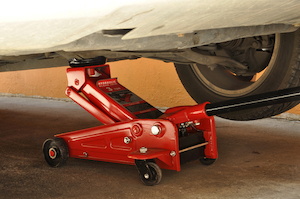
Position the floor jack so its saddle fits under the jack point. The saddle is the round or flat part that lifts the car. Make sure it centers on the jack point without slipping. Adjust the jack height slowly and watch for proper contact. Keep the jack straight to avoid tilting.
Ensuring Stable Contact
The jack must touch the vehicle firmly and evenly. Check that the car rests fully on the saddle. Avoid any rocking or wobbling before lifting. Use the jack on a flat, solid surface for best stability. Safety matters most during lifting and lowering.
Credit: tameson.com
Operating The Floor Jack
Operating a floor jack is a simple task when you follow the right steps. It helps lift your vehicle safely for repairs or tire changes. You must handle the jack carefully to avoid accidents. Understanding how to operate the jack properly ensures your safety and the vehicle’s stability.
Pumping The Handle Safely
Start by placing the jack under the vehicle’s lifting point. Hold the handle firmly and pump it up and down. Use slow, steady motions to raise the jack. Avoid quick or jerky movements. Keep your hands and feet clear of the jack’s moving parts. This prevents injury and keeps the process smooth.
Raising The Vehicle Gradually
Lift the vehicle slowly and steadily. Stop often to check the height and position. Raise it only as much as needed. Going too high can cause instability. Make sure the jack’s saddle stays in full contact with the vehicle’s frame. This helps distribute weight evenly and prevents slipping.
Checking Stability During Lifting
Watch the vehicle closely as it rises. Check if it stays balanced on the jack. If the vehicle leans or shifts, lower it and reposition the jack. Use jack stands for extra support after lifting. Never rely only on the jack to hold the vehicle. Safety comes first in every step.
Using Jack Stands For Added Safety
Using jack stands adds an important layer of safety when working under a vehicle. A floor car jack lifts the car, but jack stands hold it securely. They prevent the car from falling if the jack slips or fails. Always use jack stands for any work that requires you to be under the vehicle. This simple step protects you from serious injury.
Placing Jack Stands Properly
Locate the car’s recommended lifting points. These are usually near the frame or designated spots under the car. Place the jack stands under these points. Make sure the stands are on a flat, solid surface. Avoid soft ground or uneven floors. Adjust the height of the stands to match the lifted car. Position them so they support the vehicle’s weight evenly.
Lowering The Vehicle Onto Stands
Slowly lower the car jack until the car rests on the jack stands. Do this gently to avoid sudden drops. The vehicle’s weight must sit fully on the stands, not the jack. Keep the jack just below the car for added support. Stop lowering the jack once the car is stable on the stands. Never rely on the jack alone to hold the vehicle.
Double-checking Stability
Check the car’s balance on the stands by gently shaking it. The vehicle should not move or wobble. Make sure the stands remain straight and firmly positioned. Look under the car to confirm the stands contact the frame properly. If the car feels unstable, adjust the stands or jack height again. Only work under the vehicle once stability is certain.

Credit: www.youtube.com
Lowering The Vehicle Safely
Lowering the vehicle safely is a crucial step after using a floor car jack. It prevents accidents and damage to the vehicle. Taking your time and following the right steps ensures your safety and keeps the car stable.
Removing Jack Stands Carefully
Start by checking that the vehicle is stable on the jack. Slowly remove the jack stands supporting the car. Do this with caution to avoid sudden shifts. Make sure your hands and feet are clear from under the vehicle.
Lowering The Jack Slowly
Turn the jack handle slowly to lower the car. Avoid quick movements to prevent the vehicle from dropping. Keep watching the car’s movement to ensure it descends evenly. Stop if the car feels unstable and adjust the jack.
Final Safety Checks
After lowering, check the vehicle is on solid ground. Remove the jack and stands completely. Look around to ensure no tools or objects are near the tires. Test the car’s stability by gently rocking it. Safety first, always.
Common Mistakes To Avoid
Using a floor car jack may seem simple, but many make mistakes. These errors can cause damage or injury. Avoiding common mistakes keeps you safe and protects your vehicle.
Learn what to watch out for. Proper use of the jack helps complete tasks smoothly and safely.
Overloading The Jack
Each floor jack has a weight limit. Do not lift vehicles heavier than this limit. Overloading can break the jack or cause it to fail. This puts you at risk of injury and damages your car.
Check the jack’s capacity before use. Always stay within its limits for safe lifting.
Ignoring Vehicle Manufacturer Guidelines
Car makers provide specific instructions for lifting their vehicles. Ignoring these can harm your car’s frame or parts. Always find and follow the vehicle’s lifting points and instructions.
Use the jack only where the manufacturer says. This ensures the car stays safe and stable.
Skipping Safety Precautions
Safety steps are not optional. Always use wheel chocks to stop the car from rolling. Never work under a car supported only by a jack. Use jack stands for extra safety.
Wear gloves and eye protection. Clear the area before lifting. These precautions prevent accidents and injuries.
Maintenance Tips For Floor Jacks
Proper maintenance keeps your floor car jack safe and working well. Regular care stops damage and extends its life. Follow these simple tips to keep your jack in top shape.
Regular Inspection
Check your floor jack before each use. Look for cracks, rust, or leaks. Test the lifting mechanism to ensure smooth movement. Replace worn parts immediately. A quick check prevents accidents and costly repairs.
Lubrication And Cleaning
Clean your jack after every use. Remove dirt and grease with a cloth. Use light oil to lubricate moving parts. Avoid over-oiling, which can attract dust. Clean and lubricate help the jack work smoothly.
Storage Recommendations
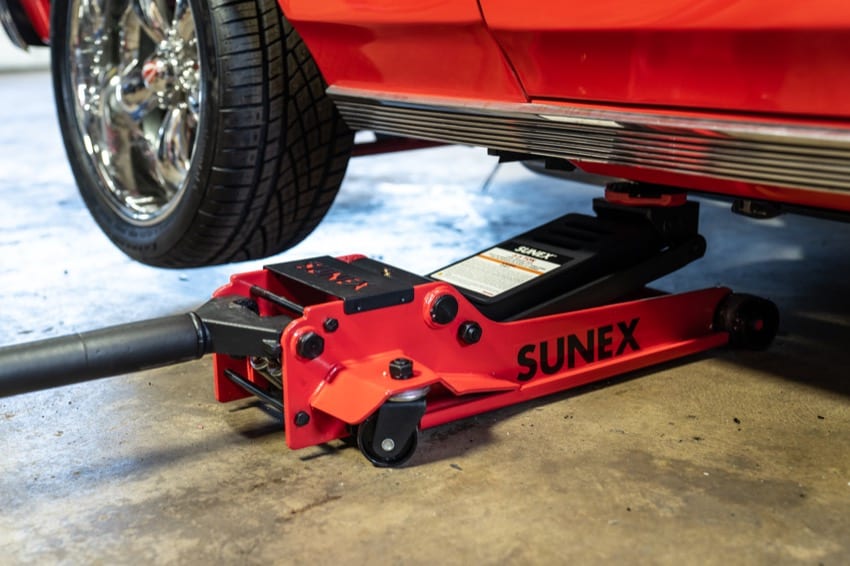
Store your floor jack in a dry place. Keep it off the ground to avoid moisture. Cover it to protect from dust and dirt. Proper storage stops rust and keeps the jack ready for use.
Credit: www.protoolreviews.com
Frequently Asked Questions
How Do I Safely Position A Floor Car Jack?
Place the jack under the vehicle’s recommended lifting point. Ensure the ground is flat and stable. Engage the parking brake before lifting to prevent movement.
What Weight Can A Typical Floor Car Jack Support?
Most floor jacks support between 2 to 3 tons. Always check the jack’s specifications before use to avoid overloading and ensure safety.
How Do I Properly Lift A Car With A Floor Jack?
Pump the handle slowly to raise the car. Lift until the tire is off the ground. Never go under the car without jack stands.
When Should I Use Jack Stands With A Floor Jack?
Always use jack stands after lifting the car. Floor jacks are for lifting only, not long-term support. This prevents accidents and ensures stability.
Conclusion
Using a floor car jack is simple and safe with the right steps. Always check your car and jack before starting. Place the jack on a flat surface and lift carefully. Never rush or skip safety checks. This tool helps you change tires or do repairs easily.
Practice these tips to build your confidence. Stay safe and keep your car in good shape. A floor car jack is a useful tool for every driver.