Are you tired of your TV’s sound feeling flat and lifeless? Imagine turning your living room into a mini theater with rich, powerful audio that fills every corner.
Hooking up your TV to wall speakers can transform your watching experience, making movies, shows, and games come alive like never before. You might think it’s complicated, but it doesn’t have to be. In this guide, you’ll discover simple, step-by-step tips to connect your TV to wall speakers quickly and easily.
Ready to boost your sound and enjoy your favorite entertainment like never before? Let’s dive in!

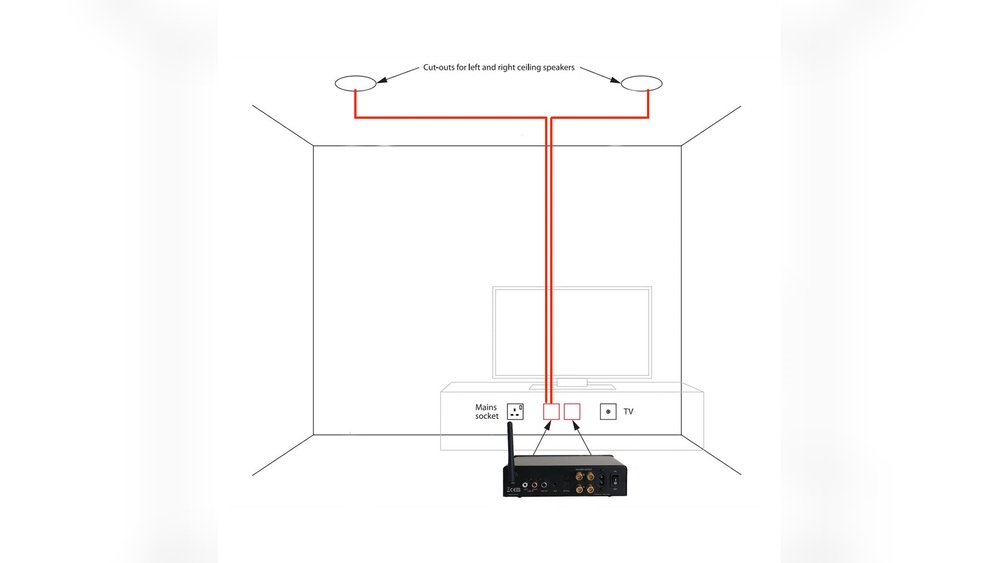
Credit: www.kbaudio.co.uk
Check Your Tv Audio Outputs
Checking your TV audio outputs is the first step to connect wall speakers. Your TV may have different types of audio ports. Knowing which one is available helps find the right cable or adapter. This step avoids confusion and saves time during setup.
Most modern TVs have multiple audio output options. Some older models might have fewer choices. Identifying the right output ensures the best sound quality from your wall speakers.
Locate The Audio Output Ports On Your Tv
Look at the back or side of your TV for audio ports. These ports can be small and easy to miss. Check for labels like “Audio Out,” “Optical,” or “Headphone.”
Use a flashlight if needed to see clearly. Take note of the types of ports available before buying cables.
Identify The Type Of Audio Output
Common audio outputs include HDMI ARC, optical, RCA, and headphone jack. Each type uses different cables and adapters. Choose the one that matches your wall speakers’ input.
HDMI ARC supports high-quality sound and simple connection. Optical output sends digital audio for clear sound. RCA uses red and white connectors for analog audio. Headphone jacks are smaller and less common for speakers.
Check Tv Settings For Audio Output Options
Some TVs need settings adjusted to use external speakers. Open your TV’s audio menu and select the correct output. Set the audio to external or digital out if available.
Adjust the volume and sound mode for best audio performance. This step ensures your wall speakers work properly with the TV.
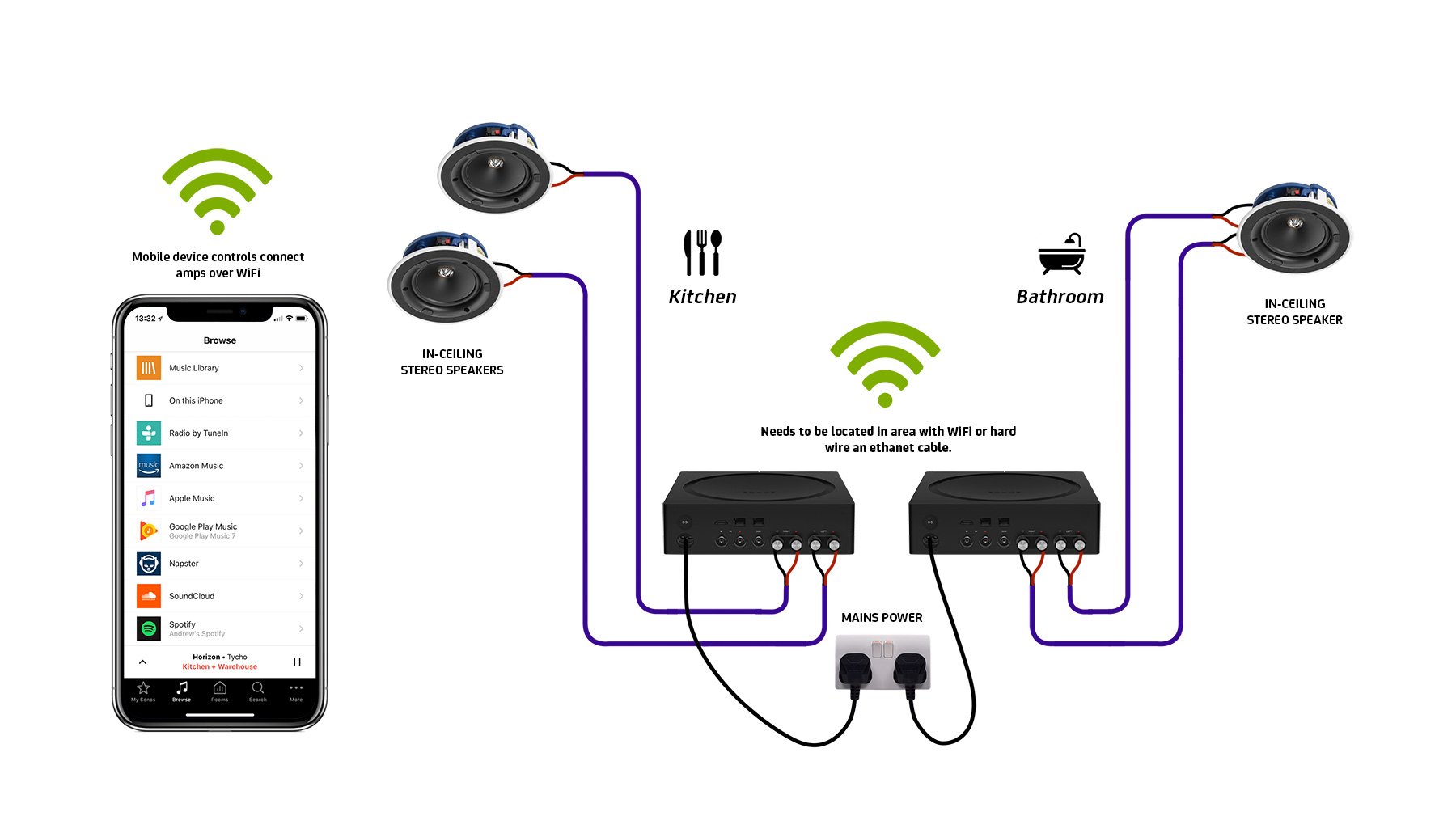
Credit: 3tabeliaopiracicaba.com.br
Identify Your Speaker Inputs
Start by checking the back of your TV for speaker output ports. These are usually labeled as audio out or speaker out. Matching these with the correct cable ensures a proper connection to your wall speakers.
Connecting your TV to wall speakers starts with knowing your speaker inputs. These inputs let your TV send sound to the speakers. Different speakers use different types of inputs. Knowing the right type helps you choose the right cables. It also ensures good sound quality and easy setup.
Most wall speakers have one or more input options. Some common types include binding posts, spring clips, and RCA connectors. Each input works differently and connects to your TV or receiver in specific ways. Understanding these inputs saves time and prevents mistakes.
Binding Posts
Binding posts are common on many wall speakers. They look like small knobs or terminals. You can connect speaker wire by inserting bare wire or using banana plugs. Binding posts provide a secure and stable connection. They support good sound quality and work well with many receivers.
Spring Clip Inputs
Spring clips are small plastic tabs on the speaker. Press down to open a slot for the bare wire. Release to hold the wire in place. These clips are easy to use but may not hold wires as firmly. They are common on budget or compact wall speakers.
Rca Inputs
RCA inputs are round connectors often red and white. They carry audio signals from the TV or receiver. RCA cables plug directly into these inputs. Some powered wall speakers use RCA inputs for sound. They are less common on passive wall speakers.
Choose The Right Cables
Choosing the right cables is key to connecting your TV to wall speakers. Cables carry sound signals from the TV to the speakers. The wrong cable can cause poor sound or no sound at all. Knowing which cables to use makes setup easy and sound clear.
Different types of cables work with different audio systems. Some cables handle digital signals, others work with analog signals. Picking the right one depends on your TV and speaker connections. Check what ports your devices have before buying cables.
Identify Your Tv And Speaker Ports
Look at your TV’s audio output ports. Common ports include HDMI ARC, optical audio, and RCA. Check your wall speakers for input ports. Match the cable type to these ports for a proper connection.
Use Hdmi Arc For Best Quality
HDMI ARC sends high-quality sound from your TV to speakers. It also allows volume control with one remote. Use an HDMI cable labeled ARC if both devices support it.
Optical Audio Cables For Clear Sound
Optical cables use light to send sound signals. They avoid electrical noise and give clear audio. Use TOSLINK cables if your TV and speakers have optical ports.
Rca Cables For Analog Connections
RCA cables have red and white connectors. They carry stereo sound from TV to speakers. Use RCA if your TV or speakers do not support digital audio.
Check Cable Length And Quality
Choose cables long enough to reach your speakers without stretching. Avoid very cheap cables; they may break or lose sound quality. Good cables ensure steady sound and last longer.
Connect Tv To Amplifier Or Receiver
Connecting your TV to an amplifier or receiver lets you play sound through wall speakers. Start by linking the TV’s audio output to the amplifier’s input. Then, connect the amplifier to the wall speakers using speaker wires for clear, powerful sound.
Understanding The Role Of An Amplifier Or Receiver
Connecting your TV to an amplifier or receiver is key to using wall speakers. The amplifier boosts the sound signal from your TV. This makes the audio clear and loud through your speakers. The receiver acts as a hub. It connects your TV and other devices to your speakers. It also controls volume and sound settings. Without an amplifier or receiver, wall speakers may not work properly.
Check Your Tv’s Audio Output Options
Look at the back of your TV. Find the audio output ports. Common types include HDMI ARC, optical, and RCA. Each port sends sound differently. HDMI ARC carries sound and controls the receiver. Optical uses light to send digital sound. RCA outputs analog sound with red and white plugs. Identify your TV’s output to match the right input on your amplifier or receiver.
Use the correct cable for your TV’s audio output. Plug one end into the TV. Plug the other end into the amplifier or receiver input. If using HDMI ARC, use an HDMI cable. For optical, use a TOSLINK cable. For RCA, use red and white RCA cables. Make sure connections are secure to avoid sound issues.
Set The Tv Audio Settings
Turn on your TV and go to the audio settings menu. Select the output option that matches your connection. For HDMI ARC, enable CEC or ARC settings. For optical or RCA, choose external speakers or digital audio out. This tells the TV to send sound to the amplifier or receiver.
Test The Sound And Adjust Settings
Play a video or music on your TV. Check if sound comes from the wall speakers. If not, check connections and settings. Adjust the amplifier or receiver volume. Use its controls to balance bass, treble, and other sound features. Fine-tune until the sound is clear and balanced in your room.
Wire Wall Speakers To Amplifier
Start by connecting the wire wall speakers to the amplifier’s speaker outputs. Then, link the TV’s audio output to the amplifier input using the right cables. This setup lets your TV sound play clearly through the wall speakers.
Gather Necessary Tools And Materials
Start by collecting all needed tools. You will need speaker wire, wire strippers, and a screwdriver. Also, have your amplifier and wall speakers ready. Check the wire length to ensure it reaches from the amplifier to each speaker.
Strip The Speaker Wire Ends
Use wire strippers to remove about half an inch of insulation from both ends of the speaker wire. This exposes the bare wire needed for connection. Be careful not to cut the wire strands inside.
Connect Wire To Amplifier Terminals
Locate the amplifier’s speaker output terminals. Usually, they are marked with red and black colors for positive and negative. Insert the stripped wire ends into the correct terminals. Tighten screws to secure the wires firmly.
Attach Wire To Wall Speaker Terminals
Find the terminals on your wall speakers. They also use red and black markings. Connect the other end of the speaker wire to the matching terminals. Make sure the wires are tightly connected to avoid sound issues.
Test Your Connections
Turn on the amplifier and play audio at a low volume. Listen for clear sound from the wall speakers. If the sound is weak or distorted, check the wire connections again. Secure any loose wires and try once more.
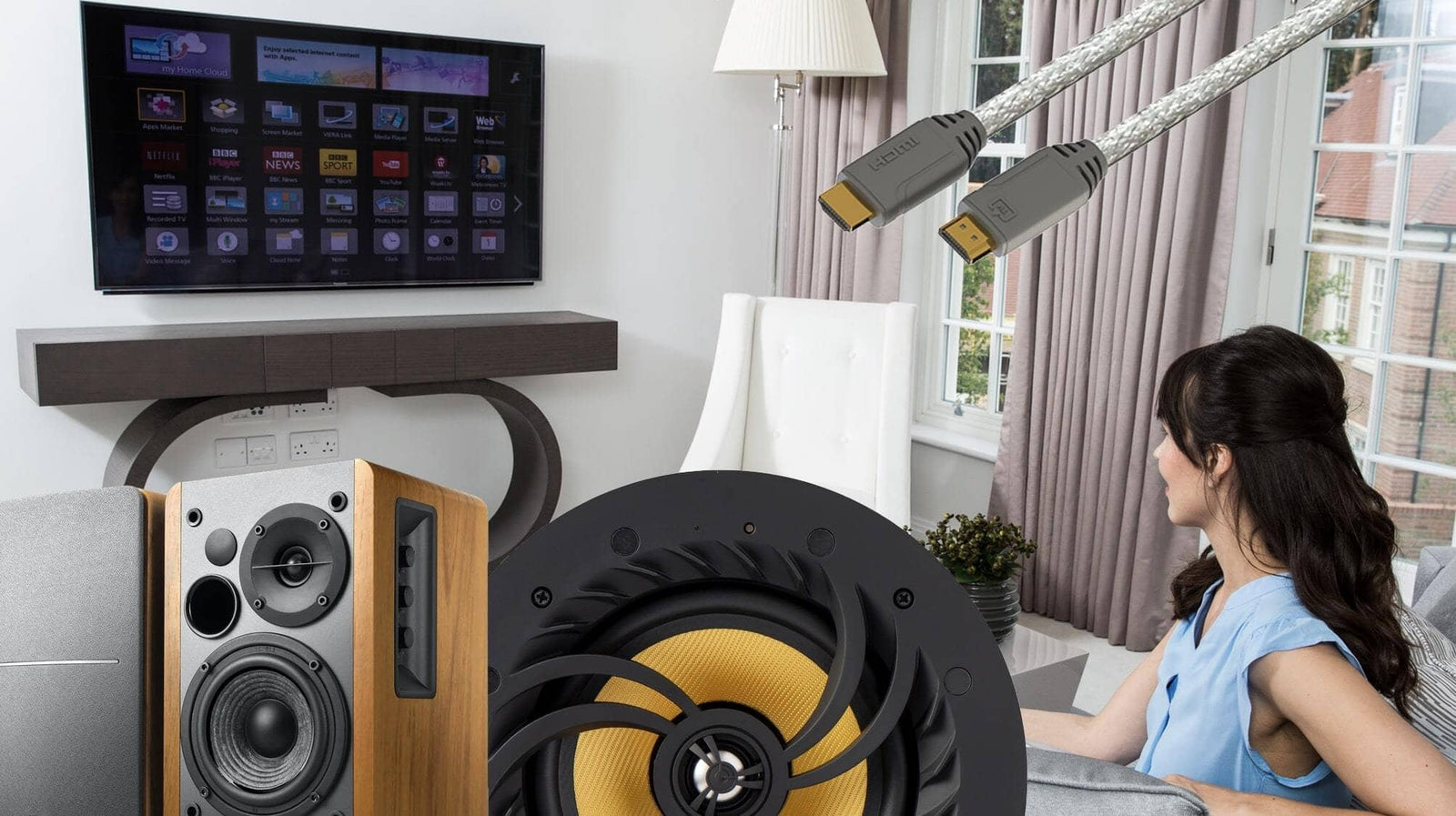
Credit: www.kbaudio.co.uk
Set Up And Mount Wall Speakers
Setting up and mounting wall speakers creates a clean, immersive sound experience. Proper placement and secure mounting help the speakers deliver clear audio. This guide shows simple steps to position and fix your wall speakers correctly.
Choose The Best Location For Wall Speakers
Select a spot near your TV for balanced sound. Avoid corners where sound can echo. Place speakers at ear level when seated. Keep speakers away from obstructions like curtains or furniture.
Mark Mounting Points On The Wall
Use a pencil and a level tool to mark holes. Measure distances carefully between mounting brackets. Double-check alignment to ensure speakers sit straight. Mark the wall lightly to avoid damage.
Install Wall Anchors And Brackets
Drill holes at marked points using the right drill bit. Insert wall anchors for extra support in drywall. Attach mounting brackets firmly using screws. Tighten screws but do not overtighten to avoid damage.
Mount The Speakers Securely
Lift the speaker and align it with the bracket. Slide or hook the speaker onto the bracket securely. Check the speaker does not wobble or tilt. Adjust the angle slightly to face the listening area.
Connect Speaker Wires Safely
Run speaker wires neatly along the wall or inside conduits. Strip wire ends for proper connection to terminals. Match positive and negative wires correctly. Tighten connections to avoid loose contact.
Configure Tv Audio Settings
Configuring your TV audio settings is a key step in connecting wall speakers. Proper settings ensure clear sound and better volume control. The TV must send audio signals correctly to the speakers. Without the right setup, sound may be weak or distorted.
Most modern TVs have multiple audio output options. Choose the one that matches your speaker system. Adjusting settings also helps to disable the TV’s built-in speakers. This prevents sound overlap and echo.
Access The Tv Audio Menu
Start by turning on your TV. Use the remote to open the main menu. Look for the “Audio” or “Sound” section. This area holds all audio-related options. Navigate carefully to avoid changing other settings.
Select The Audio Output
Find the “Audio Output” option inside the menu. Options may include TV Speaker, HDMI ARC, Optical, or External Speaker. Choose the output that matches your wall speaker connection. For example, pick “Optical” if using an optical cable.
Disable Tv Speakers
To avoid sound from both TV and wall speakers, turn off TV speakers. Look for the “TV Speaker” setting. Change it to “Off” or “External Speaker.” This lets sound come only from your wall speakers.
Adjust Audio Format
Select the best audio format supported by your speakers. Common options are PCM, Dolby Digital, or DTS. Choose PCM for simple stereo sound. Use Dolby Digital for surround sound systems. Test each format to find the best sound quality.
Set Volume Control
Some TVs allow volume control through the remote for external speakers. Enable this feature if your wall speakers support it. Otherwise, control volume directly from the speaker system. Keep TV volume low to avoid distortion.
Test Sound And Troubleshoot
Testing sound and troubleshooting are key steps after hooking up your TV to wall speakers. These steps ensure you get the best audio quality and fix common issues fast. Testing helps confirm the connection works properly. Troubleshooting solves problems that stop sound from playing correctly. Follow simple checks to enjoy clear sound from your setup.
Check Speaker Connections
Start by checking all speaker wires. Make sure wires are plugged into the right TV and speaker ports. Look for loose or damaged cables. Tighten any loose connections. Damaged wires should be replaced to avoid sound issues.
Adjust Tv Audio Settings
Go to your TV’s audio menu. Select the external speaker or audio system option. Turn off the TV’s internal speakers if needed. Set the sound output to match your wall speakers. Adjust volume and balance for clear sound.
Test Sound With Different Sources
Play audio from different sources like apps, cable, or DVDs. This helps find if the problem is with one source or all. Check if sound plays through all wall speakers. If not, note which speaker or channel has no sound.
Restart Devices
Turn off your TV and speakers. Unplug them from power for 30 seconds. Plug them back in and turn on. Restarting can fix minor glitches and reset connections.
Update Tv Firmware
Check if your TV has the latest software update. Updates can fix bugs affecting audio output. Follow TV instructions to download and install updates. Updated firmware improves sound compatibility.
Use A Different Audio Cable
Try swapping the audio cable connecting your TV to the speakers. Sometimes cables wear out or are faulty. Using a new cable can solve no sound or poor sound quality issues.
Consult The Speaker Manual
Read the speaker manual for specific troubleshooting tips. Manuals often list common problems and solutions. Follow the guide to adjust settings or fix wiring errors.
Frequently Asked Questions
How Do I Connect Tv To Wall Speakers?
Use an audio output from your TV like optical, RCA, or headphone jack. Connect corresponding cables from TV to speaker amplifier or receiver inputs. Ensure speakers are wired properly to the amplifier. Adjust TV audio settings to output sound to external speakers.
What Cables Are Needed For Tv To Wall Speakers?
You typically need optical audio cables, RCA cables, or a 3. 5mm audio cable. The cable type depends on your TV’s audio output and speaker input. Ensure cables are high-quality and long enough to reach wall speakers without strain.
Can I Use Bluetooth To Connect Tv And Wall Speakers?
Yes, if your TV and speakers support Bluetooth, you can pair them wirelessly. This avoids cable clutter but may introduce slight audio delay. Use Bluetooth transmitters if your TV lacks built-in Bluetooth functionality.
Do I Need An Amplifier For Wall Speakers With Tv?
Yes, wall speakers usually require an amplifier or AV receiver to power them. TVs alone cannot drive passive wall speakers directly. Connect the TV audio output to the amplifier, then wire the speakers to the amplifier.
Conclusion
Connecting your TV to wall speakers can improve sound quality a lot. Start with the right cables and check your TV’s audio settings. Keep speaker placement in mind for the best sound experience. Take your time and follow each step carefully.
Soon, you will enjoy clearer, richer audio from your favorite shows and movies. Simple changes can make watching TV more fun and immersive. Try it yourself and hear the difference today.