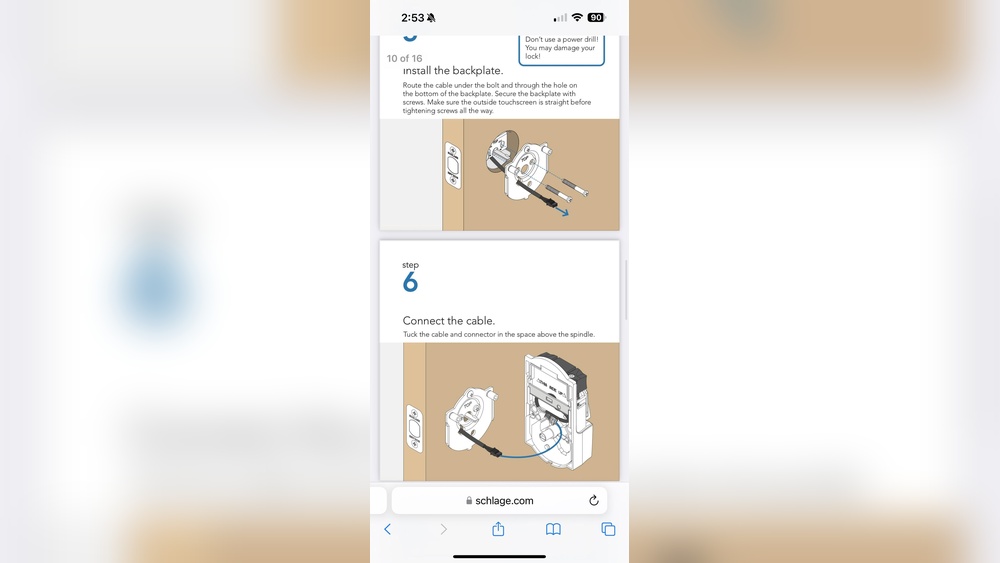
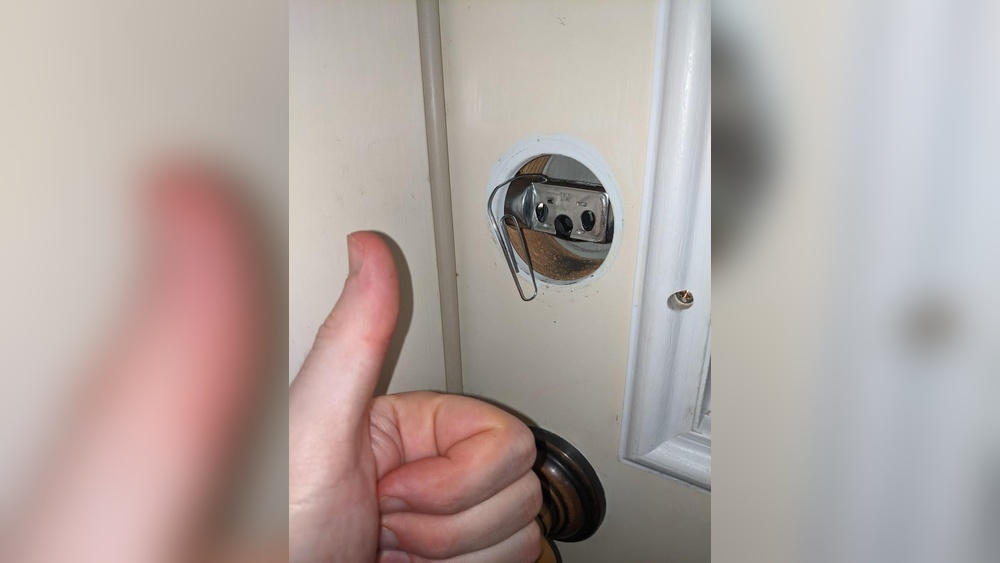
Have you ever faced the frustration of a broken deadbolt that just won’t budge? It can leave you feeling stuck and worried about your home’s security.
But don’t worry—you don’t need to call a locksmith right away. With the right steps, you can remove that broken deadbolt yourself, saving time and money. In this guide, you’ll discover simple, clear instructions that anyone can follow. Ready to take control and fix your lock quickly?
Let’s dive in and get your door working smoothly again.

Credit: www.youtube.com
Tools Needed
Removing a broken deadbolt requires the right tools. Having the proper tools makes the job easier and faster. You can avoid extra damage to your door by using the correct items. Below are the tools needed to remove a broken deadbolt safely and efficiently.
Essential Tools List
- Screwdriver (Phillips and flathead)
- Drill with metal drill bits
- Pliers (needle-nose or regular)
- Hammer
- Utility knife
- Measuring tape
Optional Helpful Items
- Lubricant spray (WD-40 or similar)
- Small pry bar
- Flashlight for better visibility
- Protective gloves
- Replacement screws
Safety Precautions
Removing a broken deadbolt requires care and attention to safety. Taking safety precautions helps prevent injuries and damage. Simple steps protect you during the removal process.
Protecting Your Hands And Eyes
Wear sturdy gloves to protect your hands from sharp edges and tools. Safety glasses shield your eyes from dust and metal shards. Keep a first aid kit nearby just in case. Avoid loose clothing that can catch on tools or the door.
Ensuring Door Stability
Check the door is firmly in place before starting work. Use a doorstop or wedge to prevent movement. A stable door reduces the risk of accidents. Avoid forcing tools if the door shifts or feels loose.
Assessing The Deadbolt
Before removing a broken deadbolt, it is important to assess its condition. This helps you understand what tools and steps you need. Careful assessment saves time and avoids extra damage. Start by checking the deadbolt from different angles. Look closely at the lock’s parts and how they fit. This will guide you through the removal process smoothly.
Identifying The Type Of Deadbolt
Deadbolts come in various types. Common ones include single-cylinder and double-cylinder. Single-cylinder deadbolts have a keyhole on one side only. Double-cylinder deadbolts have keyholes on both sides. Some deadbolts are electronic or smart locks. Knowing the type helps you pick the right removal method. Check the lock face and the door edge for clues.
Locating The Broken Parts
Find exactly which parts of the deadbolt are broken. Check the key cylinder, thumb turn, and bolt itself. The key might be stuck or the bolt may not move. Look for cracks, bends, or missing screws. Sometimes the internal mechanism is jammed or damaged. Pinpointing the broken part helps you focus on what to fix or replace. Use a flashlight for a clear view inside the lock.

Credit: www.youtube.com
Removing The Exterior Hardware
Start by unscrewing the bolts holding the deadbolt on the door’s exterior. Gently pull the hardware away once all screws are removed. This exposes the broken parts inside for easier removal.
Unscrewing The Faceplate
Start by locating the screws on the deadbolt’s faceplate. Usually, two screws hold it firmly to the door. Use a screwdriver that fits well to avoid stripping the screws. Turn the screws counterclockwise until they come out completely. Keep the screws in a safe place; you will need them later. Gently pull the faceplate away from the door. This exposes the internal parts of the deadbolt.
Detaching The Knob Or Lever
Find the small screw that holds the knob or lever in place. It is often on the side or underneath the knob. Loosen this screw carefully with your screwdriver. Pull the knob or lever straight off the spindle. If it feels stuck, wiggle it slightly to loosen it. Removing this part reveals more of the lock mechanism inside the door. This step helps in taking out the entire deadbolt smoothly.
Extracting The Deadbolt Mechanism
Extracting the deadbolt mechanism is a key step in removing a broken deadbolt. This part holds the bolt inside the door and controls its movement. Removing it carefully prevents damage to the door and helps prepare for a new lock.
Follow clear steps to release the bolt and handle any stuck pieces. Patience and simple tools make this task easier and safer.
Releasing The Bolt From The Door
Start by locating the screws on the door edge holding the bolt. Use a screwdriver to remove these screws. Gently pull the bolt mechanism out from the door. If it resists, wiggle it slightly to loosen it. Avoid forcing the part to prevent door damage.
Handling Stuck Or Jammed Components
Sometimes, the bolt mechanism sticks inside the door. Spray a small amount of lubricant into the gap. Let it sit for a few minutes to loosen rust or dirt. Use pliers carefully to pull out jammed parts. If needed, tap gently with a rubber mallet to free stuck pieces. Take your time and work slowly to avoid breaking the lock or door.

Credit: www.kardolocksmith.com
Cleaning And Preparing The Area
Cleaning and preparing the area around a broken deadbolt is an important step. It helps make the removal process easier and safer. Dirt, old lubricant, and damaged parts can block your work. Clear the space well before starting.
Removing Debris And Old Lubricant
Start by wiping away dust and loose debris with a dry cloth. Use a small brush or an old toothbrush for tight spaces. Remove any old lubricant stuck on the lock parts. A cloth with a bit of rubbing alcohol works well. This cleaning stops dirt from causing more problems later.
Inspecting For Damage
Look carefully at the deadbolt and surrounding door area. Check for cracks, rust, or bent parts. Notice if the door or frame is split or chipped. Damage can affect how you remove the lock. You might need extra tools or repairs before installing a new deadbolt.
Installing A New Deadbolt
Installing a new deadbolt is the next step after removing the broken one. This process helps secure your door again. A good deadbolt adds safety and peace of mind. Follow clear steps to fit your new lock properly. Proper installation makes the lock work smoothly and last longer.
Choosing The Right Replacement
Select a deadbolt that fits your door’s thickness and style. Check if the lock type matches your old one, like single or double cylinder. Pick a lock with strong materials for better security. Consider easy-to-use models if many people use the door. Make sure the new deadbolt comes with all needed parts.
Aligning And Securing The New Deadbolt
Start by placing the deadbolt into the door hole. Align the bolt so it moves freely without sticking. Attach the inner and outer parts of the lock carefully. Use screws that came with the lock to fix it firmly. Tighten screws evenly to avoid loosening over time. Test the deadbolt by turning the key and thumb turn. The bolt should slide smoothly into the strike plate on the door frame.
Testing The New Lock
After installing a new deadbolt, testing is important. It checks if the lock works well and keeps your door secure. This step helps find any problems early. Testing saves time and effort later.
Ensuring Smooth Operation
Turn the key slowly to check the lock. The bolt should move easily without sticking. Try locking and unlocking the door several times. The handle or knob must also turn smoothly. If anything feels tight, adjust the lock or screws. A smooth lock means better security and less wear over time.
Troubleshooting Common Issues
If the lock jams or the key won’t turn, do not force it. Check if the lock aligns with the strike plate. Misalignment causes sticking or difficulty turning. Tighten or loosen screws to fix this. Use graphite powder or lubricant to ease stiff parts. Test the lock again after adjustments. Repeat until the lock works without problems.
Maintenance Tips
Maintaining your deadbolt is key to keeping it strong and working well. Simple care steps stop many problems before they start. A well-kept deadbolt lasts longer and stays easy to use. These tips focus on the basics of keeping your lock in good shape.
Regular Lubrication
Lubricate your deadbolt every six months. Use a graphite or silicone spray, not oil. Oil can attract dirt and gum up the lock. Spray the lubricant into the keyhole and moving parts. Work the key in and out to spread it evenly. This keeps the lock smooth and easy to turn.
Preventing Future Breakage
Check your lock for signs of wear or damage often. Tighten any loose screws to keep parts secure. Avoid forcing the key if it feels stuck. Use a key made for your lock only. Replacing old or bent keys helps prevent breakage. Taking these steps lowers the chance of your deadbolt breaking again.
Frequently Asked Questions
How Do I Remove A Broken Deadbolt Lock?
Start by unscrewing the interior plate with a screwdriver. Remove the thumb turn, then the exterior cylinder. Use pliers to extract any broken parts inside the door. If stuck, drill carefully through the lock cylinder to remove it.
What Tools Are Needed To Remove A Broken Deadbolt?
You will need a screwdriver, pliers, a drill with metal bits, and possibly a hammer. These tools help loosen screws, grip broken pieces, and drill out stuck components safely.
Can I Remove A Broken Deadbolt Without Damaging The Door?
Yes, with patience and the right tools, you can avoid door damage. Use gentle prying and drilling techniques. Avoid excessive force or large drills to protect the door’s finish and structure.
How Long Does It Take To Remove A Broken Deadbolt?
Removing a broken deadbolt typically takes 15 to 30 minutes. The time varies based on the lock type and damage level. Being prepared with tools and instructions speeds up the process.
Conclusion
Removing a broken deadbolt does not have to be hard. With the right steps, you can fix it yourself. Take your time and follow the instructions carefully. Use simple tools to avoid damage. Safety is important, so work slowly and stay calm.
After removal, check the door for any issues. Replace the lock with a good quality deadbolt. This will keep your home secure. Regular maintenance helps prevent future problems. You now have the knowledge to handle a broken deadbolt. Give it a try and feel confident in your skills.