Are you tired of messy cables dangling from your walls? Knowing how to anchor cable to an indoor wall can transform your space instantly.
Imagine a clean, organized room where your cables stay hidden and secure. You’ll discover simple, step-by-step methods to anchor cables safely and neatly. Whether it’s for your TV, internet, or other devices, mastering this skill will save you time and frustration.
Keep reading, and you’ll learn how to make your walls cable-friendly without damage or hassle.
Credit: communitysecurity.com
Choosing The Right Cable Anchor
Choosing the right cable anchor is key for a secure and neat installation. The anchor holds the cable firmly on the wall. Picking the wrong type can cause damage or failure. Consider the wall material and cable weight before selecting an anchor. This step ensures safety and durability in your cable setup.
Types Of Anchors For Indoor Walls
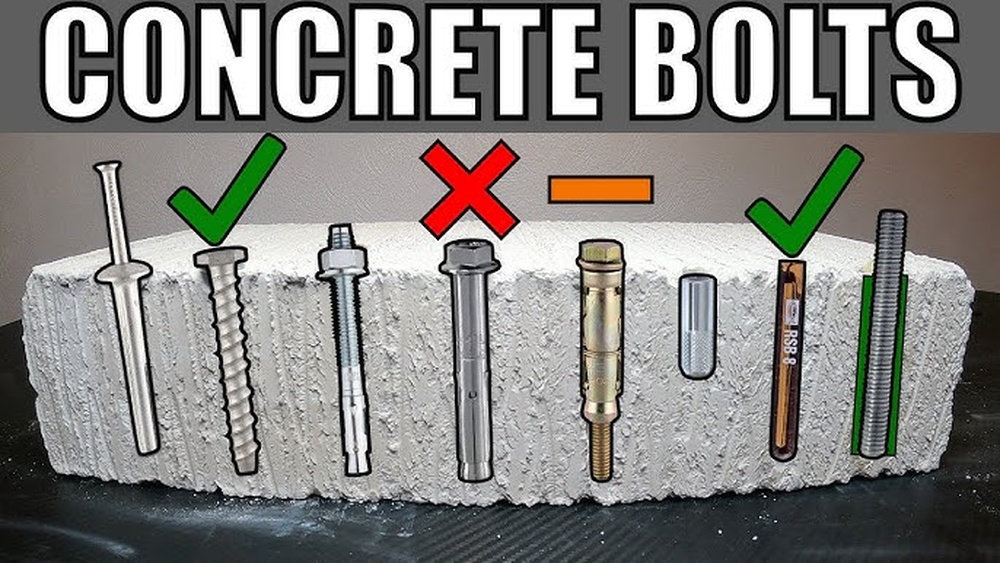
Plastic anchors suit drywall and light cables. They expand inside the wall to hold tight. Metal anchors work best for heavier cables and tougher walls. Toggle bolts spread the load across a larger area. Choose anchors based on wall type and cable weight.
Materials And Weight Considerations
Know your wall’s material: drywall, plaster, or brick. Each needs a specific anchor type for strength. Check the cable’s weight to avoid overloading anchors. Heavy cables require stronger anchors like metal or toggle bolts. Light cables can use simple plastic anchors.
Tools You Will Need
Gather tools before starting. A drill is necessary for making holes. Screwdrivers help secure the anchors tightly. A level keeps the cable straight on the wall. Measuring tape ensures correct anchor placement.
Preparing The Wall
Preparing the wall is an important step before anchoring cables indoors. This process ensures the cable stays secure and looks neat. Careful preparation reduces damage to the wall and avoids future problems.
Start by knowing where to place the anchors. The right spots make a big difference in stability and safety. Next, clean the wall well. A clean surface helps anchors stick better and last longer.
Locating Studs And Avoiding Obstacles
Find studs behind the wall using a stud finder. Studs provide strong support for anchors. Avoid electrical wires and plumbing pipes inside the wall. These can cause damage or danger if pierced.
Mark stud locations clearly. Stay away from areas with pipes or cables. Use a small mirror or flashlight to check hard-to-see spots. This careful check prevents costly mistakes.
Marking Anchor Points
Use a pencil to mark where anchors will go. Measure the distance between marks for even spacing. Keep marks small and visible. Align marks horizontally or vertically for a clean look.
Double-check the marks before drilling. Proper placement ensures the cable runs straight and secure. This step saves time and effort during installation.
Surface Cleaning And Inspection
Clean the wall surface with a damp cloth. Remove dust, dirt, and grease. A clean wall improves anchor hold and prevents slipping.
Inspect the wall for cracks or damage. Repair any weak spots before anchoring. Strong, smooth surfaces make the installation last longer.
Installing Anchors Step-by-step
Installing anchors is a key step to secure cables on indoor walls. It helps keep cables tidy and prevents damage. Follow these simple steps to install anchors correctly and safely.
Drilling Pilot Holes
Start by marking the spots for your anchors. Use a pencil to make small marks on the wall. Choose a drill bit that matches the anchor size. Drill straight holes at the marked points. Drill only as deep as the anchor length. Clean out dust from the holes using a brush or air blower.
Inserting Wall Anchors
Pick the right wall anchor for your wall type. Push the anchor gently into the drilled hole. Tap it lightly with a hammer until it sits flush with the wall. Make sure the anchor fits tightly and does not wiggle. This ensures a strong hold for the cable clips or hooks.
Securing Cable Clips Or Hooks
Align the cable clip or hook with the anchor. Insert the screw through the clip into the anchor. Tighten the screw with a screwdriver until secure. Avoid over-tightening to prevent damage. Check that the clip or hook holds firmly. Now, your cable will stay neatly anchored to the wall.
Credit: superanchor.com
Running And Securing The Cable
Running and securing cables inside a wall requires care and planning. Proper steps keep cables safe and make the installation neat. Following a clear method helps avoid damage and keeps cables in place for a long time.
Positioning The Cable
Choose a route that avoids sharp bends and heavy traffic areas. Keep the cable away from heat sources and water pipes. Make sure the path is straight and smooth for easy pulling. Plan the cable run close to the wall surface for easy access.
Using Cable Ties And Clips
Use cable ties to bundle cables neatly together. Space ties evenly to prevent sagging or pulling. Cable clips hold cables firmly against the wall. Select clips with smooth edges to avoid cable damage. Attach clips to studs or solid surfaces only.
Avoiding Cable Damage
Do not over-tighten cable ties or clips. Too much pressure can crush the cable inside. Avoid running cables near sharp corners or rough surfaces. Use protective sleeves or conduit if needed. Test cable flexibility before final installation.
Safety Tips And Best Practices
Anchoring cable to an indoor wall needs care and attention. Safety tips and best practices protect your walls and cables. These steps help avoid damage and keep the cable secure. Follow these simple tips to get the job done right.
Checking Anchor Stability
Test the anchor before hanging the cable. Gently pull on it to check if it stays firm. Use anchors made for the wall type, like drywall or brick. Loose anchors can cause cables to fall and damage the wall.
Managing Cable Tension
Keep the cable tight but not too tight. Too much tension can pull out anchors or break the cable. Leave a little slack to allow movement. This prevents strain and extends the cable’s life.
Preventing Accidental Pulls
Place anchors where people won’t bump or pull the cable. Use cable clips to keep cables close to the wall. Avoid high-traffic areas to reduce the risk of accidents. Secure cables well to stop unexpected pulls.
Credit: www.walmart.com
Troubleshooting Common Issues
Troubles can happen while anchoring cable to an indoor wall. These issues slow down your work and affect the final look. Knowing how to fix common problems helps you save time and keep the job neat.
Loose Anchors
Loose anchors cause cables to hang or fall. Check the wall type before drilling. Use the right anchor size for the weight of the cable. Tighten screws carefully. Avoid overtightening, which can strip the anchor. If loose, remove the anchor and fill the hole. Then, insert a new anchor suited for the wall.
Cable Slippage
Cables slipping out of anchors create safety risks. Use cable clamps or ties to hold cables firmly. Choose clamps that fit the cable diameter. Secure the clamps tightly but gently. Check cable routing to avoid sharp bends. Proper tension prevents cables from sliding or sagging.
Wall Damage Repair
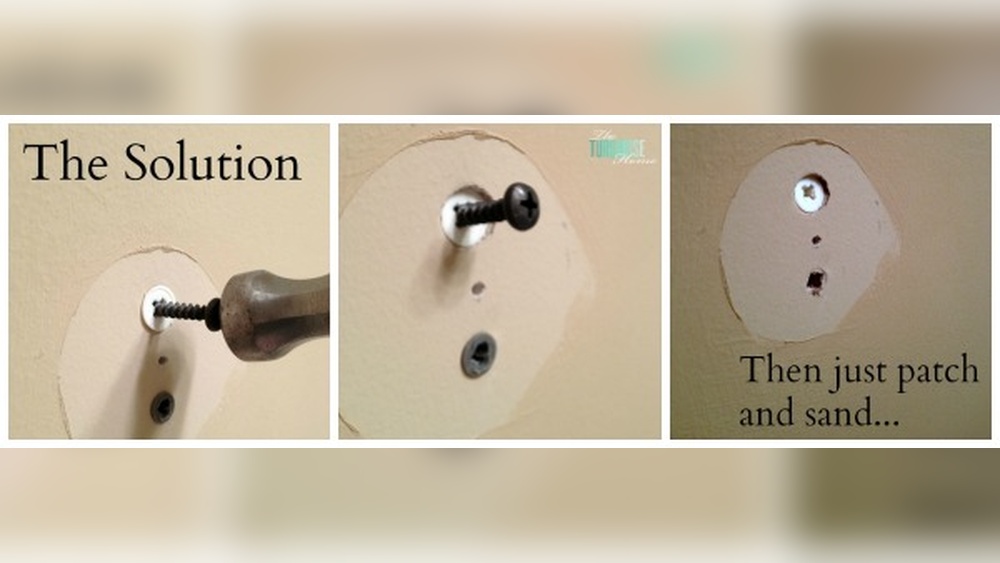
Drilling anchors may cause wall damage like cracks or holes. Fill holes with spackling paste or wall filler. Let the filler dry fully before sanding smooth. Paint over the repaired spot to match the wall. For bigger damage, use patch kits or replace drywall. Repairing quickly keeps walls clean and strong.
Frequently Asked Questions
How Do I Anchor Cable To An Indoor Wall Safely?
Use wall anchors or cable clips designed for indoor use. Locate studs or use drywall anchors for secure attachment. Avoid over-tightening to prevent wall damage. Ensure the cable is taut but not stressed.
What Tools Are Needed To Anchor Cable Indoors?
You need a drill, screwdriver, wall anchors, cable clips, and a measuring tape. A level helps keep the cable straight. Pencil marks guide accurate placement for neat installation.
Can I Anchor Cable Without Drilling Holes?
Yes, use adhesive cable clips or hooks. These stick to clean, smooth surfaces and avoid wall damage. Adhesive solutions are best for light cables and temporary setups.
How Far Apart Should Cable Anchors Be Placed?
Place anchors every 12 to 18 inches for stable support. Closer spacing prevents sagging and keeps cables tidy. Adjust spacing based on cable weight and wall type.
Conclusion
Anchoring cable to an indoor wall is simple with the right steps. Choose the right tools and anchors for your wall type. Measure and mark where the cable will go. Secure the cable firmly without damaging the wall. Taking your time prevents mistakes and keeps cables tidy.
A neat setup helps avoid accidents and keeps your space organized. Now, you can confidently anchor cables and improve your home’s look and safety.