Are you looking to secure your steel handrails to the wall safely and firmly? Whether you’re upgrading your staircase or adding extra support, knowing the right way to anchor steel handrails is crucial.
In this guide, you’ll discover simple, step-by-step methods that anyone can follow—no special tools or skills needed. Stick with me, and by the end, you’ll have the confidence to install steel handrails that are both strong and stylish, keeping your space safe and looking great.
Ready to get started? Let’s dive in!

Credit: www.amazon.com
Choosing The Right Anchors
Choosing the right anchors is key to securing steel handrails safely. The anchors must hold strong and last long. Selecting anchors depends on the wall type and the handrail’s weight. This ensures the handrails stay steady and safe for daily use.
Types Of Wall Anchors
Several anchors suit different walls. Expansion anchors work well in solid walls. Sleeve anchors fit concrete and brick. Toggle bolts are best for hollow walls. Plastic anchors fit light loads and drywall. Each type has a unique design for strong hold.
Matching Anchors To Wall Material
Wall material guides anchor choice. Concrete and brick require heavy-duty anchors. Drywall needs anchors designed for hollow spaces. Wood walls use wood screws or lag bolts. Using the right anchor prevents damage and keeps the handrail secure.
Weight Capacity Considerations
Check the weight the anchor can hold. Steel handrails need anchors with high load capacity. Choose anchors rated above the expected weight. This avoids accidents and ensures durability. Safety depends on matching anchor strength to the handrail load.
Tools And Materials Needed
Anchoring steel handrails to the wall requires the right tools and materials. Using proper equipment ensures a strong and safe installation. This section lists everything needed to complete the job easily and correctly.
Essential Tools List
- Drill with masonry bits
- Level
- Measuring tape
- Screwdriver or impact driver
- Hammer
- Wrench or socket set
- Pencil or marker for marking
- Stud finder
Recommended Safety Gear
- Safety glasses to protect your eyes
- Work gloves for hand protection
- Dust mask to avoid inhaling particles
- Ear protection if using loud tools
Materials For Secure Installation
- Steel handrail brackets
- Concrete anchors or wall plugs
- Stainless steel screws or bolts
- Wall anchors suitable for wall type
- Sealant or rust-resistant paint
Preparing The Wall And Handrail
Preparing the wall and handrail is the first step in anchoring steel handrails securely. Proper preparation ensures a strong hold and safety. It prevents damage to your wall and guarantees the handrail stays in place.
Take time to plan carefully. Measure and mark spots precisely. Check the wall structure to avoid hazards. Clean surfaces for better adhesion. These steps make installation easier and safer.
Marking Anchor Points
Use a pencil and level to mark anchor points on the wall. Measure the height of the handrail carefully. Mark points at equal distances for balance. Ensure marks align with the handrail brackets. Accurate marking saves time and effort later.
Checking For Studs And Wiring
Locate wall studs with a stud finder for secure anchors. Avoid drilling into electrical wiring by scanning the wall first. Mark the wiring paths clearly to prevent accidents. Anchoring into studs gives the handrail strong support. Safety depends on knowing what lies behind the wall.
Cleaning And Leveling Surfaces
Clean the wall surface to remove dust and dirt. Use a damp cloth and let it dry completely. Smooth uneven areas with sandpaper or filler. A clean, level surface helps anchors stick firmly. This step improves the overall strength of the installation.
Drilling And Installing Anchors
Drilling and installing anchors is a key step in securing steel handrails to walls. This process ensures the handrail stays strong and safe over time. Proper drilling and anchor placement prevent damage to the wall and handrail.
Precision matters here. Correct hole size and depth make anchors fit tight. This keeps the handrail steady and durable.
Drilling Proper Holes
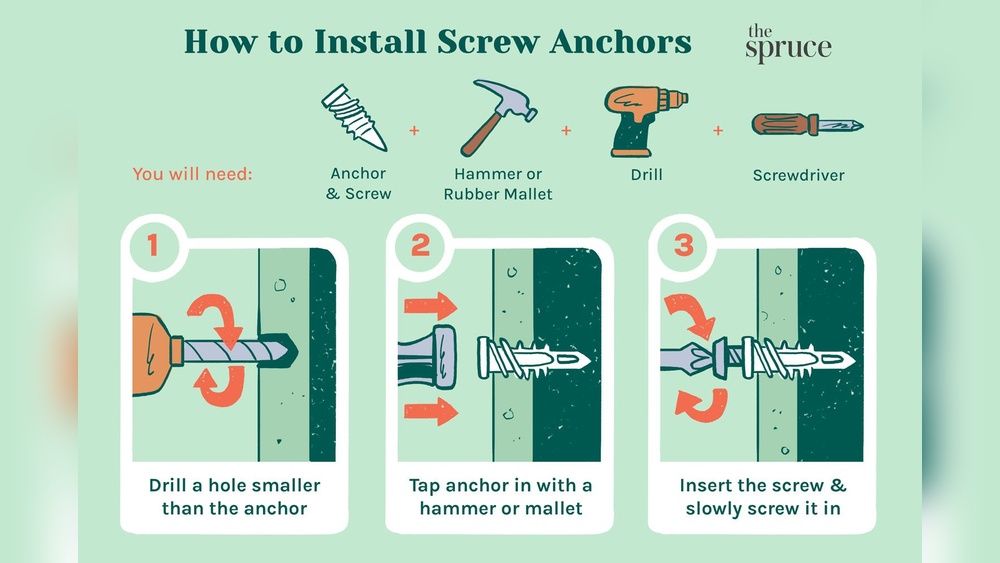
Use a drill bit that matches the anchor size. Mark spots on the wall for drilling. Keep the drill straight and steady. Drill to the right depth for the anchor length. Clean out dust from the holes. This helps anchors grip the wall well.
Inserting Anchors Correctly
Choose anchors made for your wall type. Gently tap anchors into the holes. Make sure anchors sit flush with the wall. Avoid forcing anchors in, which can cause cracks. Check anchors fit tightly before attaching the handrail.
Ensuring Anchor Stability
Test anchors by pulling gently after insertion. Use a level to keep the handrail straight. Tighten screws slowly to avoid shifting anchors. Confirm no movement before finalizing installation. Stable anchors provide a secure base for steel handrails.
Attaching The Steel Handrail
Attaching the steel handrail to the wall is a key step in making it safe and strong. The process requires careful work to keep the handrail steady. This guide helps you attach the handrail in three clear steps. Follow them to secure your handrail properly.
Aligning Handrail Brackets
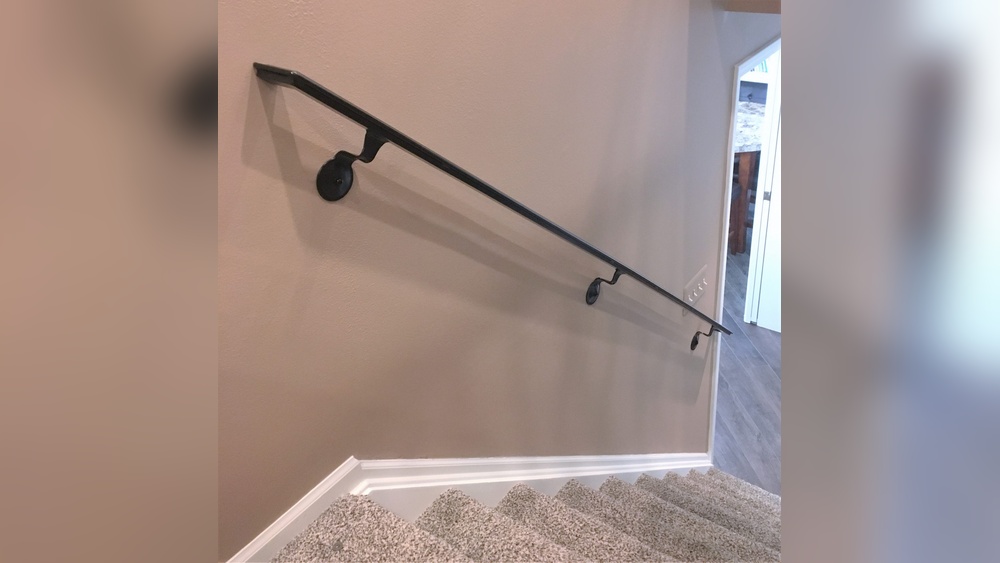
First, place the brackets along the wall where the handrail will go. Make sure they line up straight and match the length of the handrail. Check the height to keep the handrail comfortable to hold. Use a level tool to avoid slanting. Mark the screw holes clearly on the wall.
Securing Brackets To Anchors
Next, attach the brackets to the wall anchors. Use screws that fit the anchors well. Drive each screw firmly but avoid over-tightening. The anchors hold the brackets tightly to the wall. Make sure the brackets do not move or wobble after fixing.
Tightening And Testing Stability
Finally, tighten all screws on the brackets and handrail. Check each connection point to confirm firmness. Pull and push the handrail gently to test strength. It should not shift or feel loose. Tighten any loose screws for a safe finish.
Troubleshooting Common Issues
Troubleshooting common issues helps keep steel handrails safe and sturdy. Problems like loose anchors, misaligned rails, or wall damage can affect the handrail’s strength and appearance. Fixing these issues quickly ensures the handrail works well and looks good. This section guides you through solving these typical problems step-by-step.
Dealing With Loose Anchors
Loose anchors make the handrail unstable and unsafe. Tighten the screws with a proper screwdriver or drill. If screws do not hold, remove the anchor and check the wall hole. Fill large holes with a wall patch or epoxy resin. Insert a new anchor suitable for your wall type. Reattach the handrail and test its firmness.
Fixing Misaligned Handrails
Misaligned handrails look uneven and feel uncomfortable to hold. Loosen the screws slightly to adjust the rail position. Use a level tool to check straightness. Move the handrail until it aligns perfectly. Tighten the screws firmly without overdoing it. Confirm the handrail stays level and secure.
Handling Wall Damage
Wall damage around anchors weakens the support for handrails. Remove the handrail carefully to avoid more damage. Repair cracks or holes with wall filler or cement. Let the repair dry fully before drilling new holes. Use anchors that match the wall material for strong support. Reinstall the handrail, ensuring it holds firmly.
Maintenance Tips For Longevity
Maintaining steel handrails anchored to walls ensures their strength and safety. Regular care helps prevent damage and extends their life. Simple steps keep handrails looking good and working well. Follow these tips to protect your investment and avoid costly repairs.
Regular Inspection Routines
Check handrails often for any signs of damage or wear. Look for loose bolts, cracks, or rust spots. Inspect the wall anchors to ensure they are tight and secure. Early detection of problems prevents bigger issues later. Set a schedule to inspect handrails at least every three months.
Cleaning And Rust Prevention
Clean handrails regularly with mild soap and water. Avoid harsh chemicals that can damage the steel finish. Dry the handrails thoroughly after cleaning to stop moisture buildup. Apply a rust-resistant coating or paint if needed. Keep the area around the handrails dry to reduce rust risks.
Re-tightening And Repairs
Check bolts and screws for tightness during inspections. Use a wrench to re-tighten any loose fasteners. Replace damaged parts like brackets or screws immediately. Repair small rust spots with sandpaper and protective paint. Proper repairs keep handrails safe and stable for years.

Credit: glmetalfab.com

Credit: www.amazon.com
Frequently Asked Questions
How Do You Securely Anchor Steel Handrails To A Wall?
Use heavy-duty anchors like sleeve or wedge anchors for steel handrails. Drill appropriate holes, insert anchors, and tighten bolts firmly to ensure stability and safety.
What Tools Are Needed To Anchor Steel Handrails?
You need a drill, masonry bit, hammer, level, tape measure, anchors, bolts, and a wrench for precise and secure handrail installation.
Can Steel Handrails Be Anchored To Drywall?
No, drywall cannot support steel handrails safely. Always anchor handrails into wall studs or solid masonry for reliable support.
How Deep Should Holes Be For Handrail Anchors?
Drill holes at least 1. 5 inches deep or as specified by the anchor manufacturer to ensure a strong, secure hold in the wall.
Conclusion
Anchoring steel handrails to the wall adds safety and style. Use the right tools and follow steps carefully. Check that anchors fit your wall type. Tighten all bolts to keep handrails strong. Regularly inspect handrails for any loose parts. A secure handrail helps prevent falls and accidents.
Simple care keeps your handrails safe for years. Now you know how to do it right. Take your time, and do the job well.