Are you ready to hang shelves, pictures, or heavy decorations but worried about your wall holding up? Installing a screw anchor in your wall is the key to making sure your items stay secure and safe.
Whether you’re a beginner or just need a quick refresher, this guide will walk you through every step. By the end, you’ll have the confidence to handle any wall mounting project with ease. Keep reading, and let’s make your walls work for you!
Choosing The Right Screw Anchor
Choosing the right screw anchor is important for a strong hold. The anchor must fit the wall type and the weight of the object. Using the wrong anchor can cause damage or make the object fall. This guide helps you pick the best screw anchor for your wall.
Types Of Screw Anchors
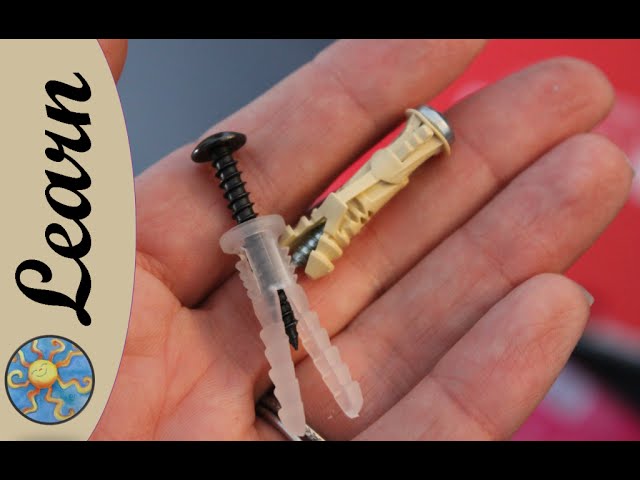
Plastic anchors are common for light loads in drywall or plaster. They expand when the screw goes in, holding the screw firmly. Metal anchors are stronger and good for heavier items. They work well in drywall and masonry. Toggle bolts have wings that open behind the wall for extra support. Use them for heavy objects on hollow walls. Molly bolts also expand behind the wall for a secure fit.
Matching Anchors To Wall Material
Drywall needs anchors that spread the load, like plastic or toggle bolts. For concrete or brick, use masonry anchors made of metal. These anchors are tough and resist crumbling walls. Wood walls usually only need screws without anchors. Check the wall material before choosing an anchor. The right match means better grip and safer mounting.

Credit: www.picturehangsolutions.com
Tools And Materials Needed
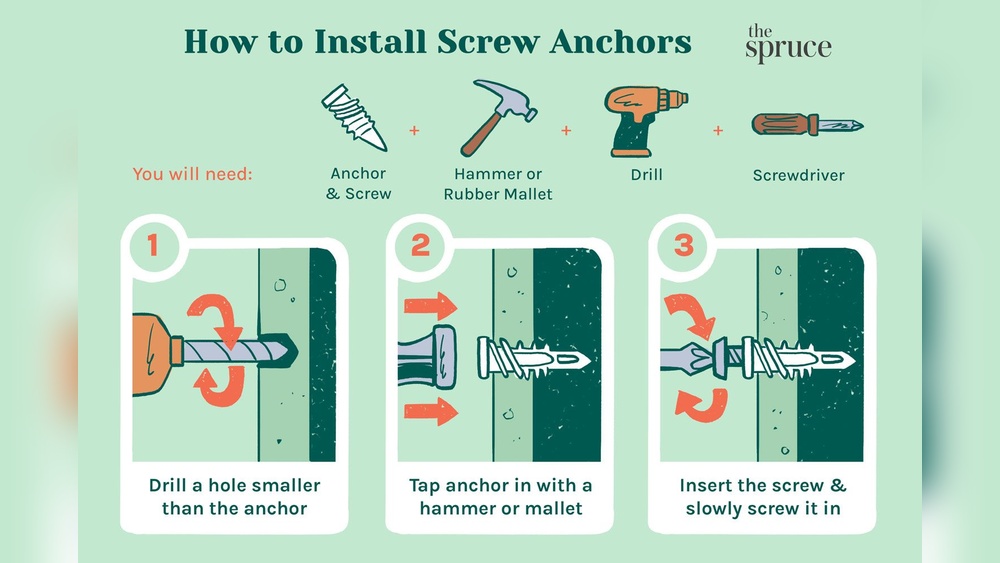
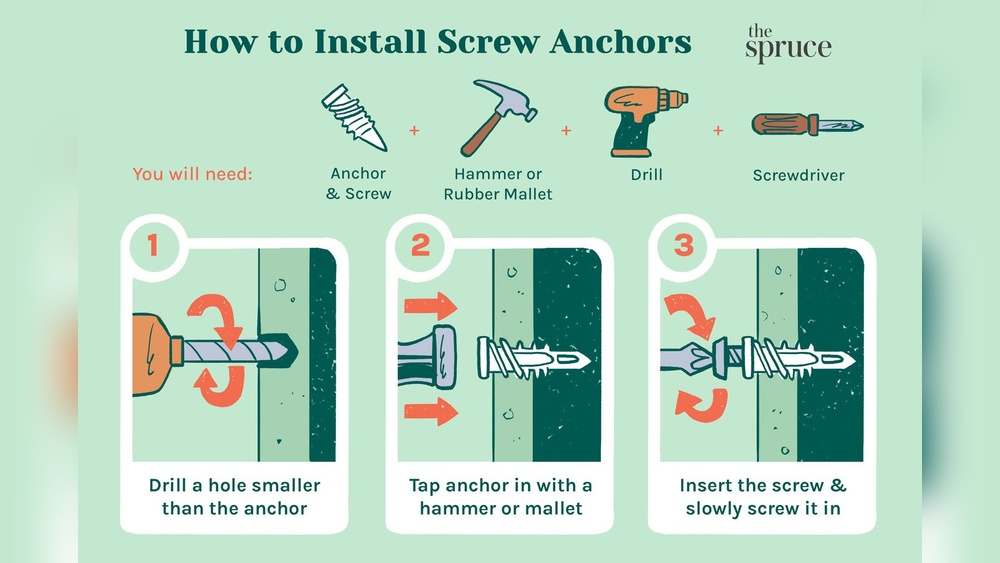
Installing screw anchors requires specific tools and materials. Having the right items makes the job easier and safer. This section explains what you need before starting.
Essential Tools
First, you need a drill with the correct drill bit size. This helps create holes for the anchors. A screwdriver or a drill driver is next. It fastens the screws into the anchors securely. A hammer might be necessary to tap the anchors gently into the wall. A tape measure helps you mark the exact spots for drilling. A pencil or marker is useful to mark these spots clearly. Lastly, a level ensures your anchors are straight and aligned properly.
Safety Equipment
Safety is important. Wear safety goggles to protect your eyes from dust and debris. Use gloves to protect your hands from sharp tools and rough surfaces. Consider a dust mask to avoid inhaling wall dust. Hearing protection is useful when using loud drills. Proper footwear keeps your feet safe from falling tools or heavy items. Prepare your workspace to avoid accidents and keep tools organized.
Preparing The Wall
Preparing the wall is the first step to install a screw anchor correctly. A well-prepared wall ensures the anchor holds strong and lasts long. You need to find the right spot and mark it clearly. This helps avoid mistakes and makes drilling easier.
Locating The Spot
Choose a solid part of the wall for the anchor. Avoid weak or crumbly areas. Check behind the wall for wires or pipes. Use a stud finder if available. Pick a spot that supports the weight of the item you want to hang.
Marking The Drill Point
Mark the exact point with a pencil or marker. Make a small dot where the drill bit will go. Use a level to keep marks straight if needed. Clear any dust or debris from the spot before drilling. This step guides your drill and keeps the hole clean.
Drilling The Hole
Drilling the hole correctly is key to a strong screw anchor installation. A well-made hole ensures the anchor fits tight and holds well. This step requires the right tools and careful handling. Let’s explore how to choose the drill bit and apply proper drilling techniques.
Selecting The Drill Bit
Choose a drill bit that matches the screw anchor size. Check the anchor package for the recommended drill bit diameter. Use a masonry bit for concrete or brick walls. For drywall, a standard twist bit works fine. Avoid bits that are too large; the anchor will be loose. Bits that are too small make it hard to insert the anchor.
Drilling Techniques
Mark the spot where you want to drill. Hold the drill steady and start at a low speed. Apply firm, even pressure without pushing too hard. Let the drill bit do the work. Stop drilling once you reach the needed depth. Clean out dust from the hole before inserting the anchor. This helps the anchor grip better inside the wall.
Installing The Screw Anchor
Installing the screw anchor is an important step in hanging objects on a wall. It helps hold screws firmly in place. This process ensures your items stay secure and safe.
Follow the steps carefully. Using the right method makes the job easier and more effective.
Inserting The Anchor
First, check the hole size matches the anchor. Gently push the anchor into the hole. Use a hammer lightly if it does not fit easily. Do not force it hard. The anchor should sit flush with the wall surface.
Ensuring A Secure Fit
After inserting, test the anchor’s hold. Pull gently to see if it moves. It should stay firmly in place. If loose, remove and try a bigger anchor. A secure fit prevents damage and keeps your items steady.

Credit: www.youtube.com
Attaching The Screw
Attaching the screw to the wall anchor is a crucial step. This step holds your object firmly in place. Careful attention here ensures safety and durability. Follow simple tips for best results.
Choosing The Right Screw
Select a screw that fits the anchor size perfectly. The screw should be long enough to go deep into the wall. Avoid screws that are too short or too thin. Use screws made of strong metal to prevent breaking. Match the screw type to the wall material for better grip.
Driving The Screw Properly
Start by placing the screw in the anchor’s center. Use a screwdriver or drill with the correct bit size. Turn the screw slowly at first to avoid slipping. Push the screw straight in without tilting. Tighten until the screw is snug, but do not over-tighten. Over-tightening can damage the anchor or wall.
Common Mistakes To Avoid
Installing screw anchors can be easy, but mistakes happen often. These errors reduce the anchor’s strength and can damage your wall. Avoiding common mistakes ensures a strong hold and a safe mount. Focus on the details during installation to get the best results.
Overdrilling Or Underdrilling
Drilling the wrong hole size is a frequent problem. A hole too large makes the anchor loose. The screw won’t hold properly. A hole too small makes it hard to insert the anchor. It may break or damage the wall. Measure the drill bit size carefully before starting.
Using Incorrect Anchors
Not all anchors fit every wall type. Drywall anchors differ from masonry anchors. Using the wrong one leads to weak support. Choose anchors based on wall material and weight needs. Check the package instructions for the best match.
Credit: www.youtube.com
Tips For Durability And Safety
Installing screw anchors correctly is only the first step. To keep your walls strong and safe, follow these simple tips. They help your anchors last longer and hold weight better. Safety matters most when hanging heavy objects or fixtures.
Small efforts in checking and maintenance can prevent damage or accidents. Use these guidelines to ensure your screw anchors stay secure over time.
Checking Load Capacity
Know the weight limit of your screw anchors. Each type supports a specific load. Exceeding this limit can cause anchors to fail. Always check the packaging or product details for the load rating. Match the anchor size and type to the weight you plan to hang. Use multiple anchors for heavier items. This spreads the weight and reduces stress on a single point.
Regular Maintenance
Inspect your anchors regularly for signs of wear or damage. Look for cracks, rust, or loosening. Tighten screws if needed but avoid over-tightening. Over-tightening can weaken the wall or anchor. Replace damaged anchors immediately to avoid accidents. Keeping your anchors in good shape ensures they hold strong over time.
Frequently Asked Questions
What Tools Do I Need To Install A Screw Anchor?
You need a drill, drill bit, hammer, screwdriver, and screw anchor. These tools ensure a secure and easy installation.
How Do I Choose The Right Screw Anchor Size?
Match the anchor size to the screw and wall thickness. Use the manufacturer’s guide for best results.
Can I Install Screw Anchors In Drywall?
Yes, screw anchors work well in drywall. They provide extra grip and prevent screws from pulling out.
How Deep Should I Drill For A Screw Anchor?
Drill a hole slightly deeper than the anchor length. This ensures the anchor fits fully and holds firmly.
Conclusion
Installing a screw anchor in the wall is simple and useful. Start by choosing the right anchor for your wall type. Drill a hole, insert the anchor, then screw in tightly. This process helps hold items securely on walls. Follow these steps carefully for best results.
With practice, you will feel confident doing it yourself. Strong walls mean safer hanging and less damage. Give it a try and see how easy it can be. Small tasks like this improve your home quickly.