Are you tired of seeing those annoying marks or scratches around your decorative hooks? You’ve carefully chosen the perfect hook to add style to your wall, but the rubbing and wear can ruin the look quickly.
The good news is, you don’t have to live with those unsightly scuffs. You’ll discover simple and effective ways to keep your decorative hook from rubbing against your wall. By the end, your walls will stay clean and your hooks will look great—every single day.
Keep reading to find out how!
Causes Of Hook Rubbing
Decorative hooks add charm and function to any wall. Yet, rubbing marks often appear around these hooks. Understanding the causes helps prevent damage and maintain wall beauty. Several factors contribute to this rubbing issue.
Material And Surface Interaction
Different materials react uniquely when in contact. Metal hooks on painted walls may scratch paint easily. Wooden hooks can leave marks on soft plaster. The roughness of hook surfaces plays a key role. Smooth hooks cause less friction and rubbing.
Weight And Movement Factors
Heavy items increase pressure on hooks and walls. This pressure causes hooks to press hard against the wall. Slight movements, such as vibrations or wind, cause hooks to rub repeatedly. Frequent rubbing wears down wall paint or wallpaper quickly.
Wall Texture Impact
Walls with rough textures catch on hooks more than smooth ones. Textured walls can cause hooks to snag and rub paint off. Flat, even walls allow hooks to sit flush. This reduces movement and rubbing damage around the hook.
Choosing The Right Hook
Choosing the right decorative hook is key to protecting your wall from rubbing marks. The wrong hook can scratch or damage the paint and surface. Select hooks that fit your wall type and decor style. Consider the material, size, and weight the hook can hold. These factors help keep your wall safe and your items secure.
Material Options
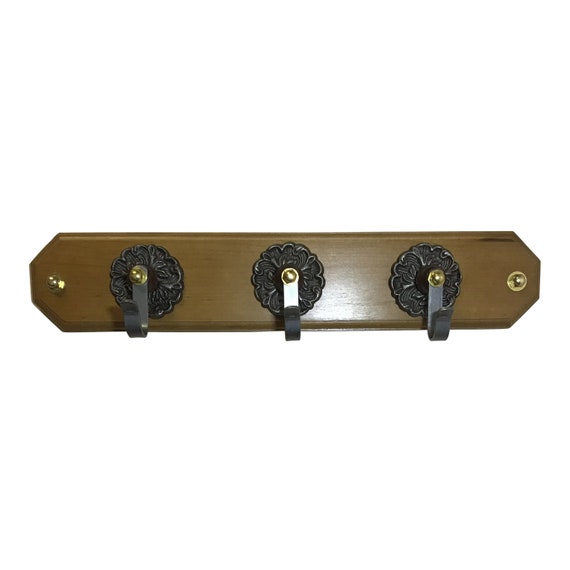
Pick hooks made from smooth materials like plastic or coated metal. These cause less friction and reduce rubbing on the wall. Avoid rough or unfinished metals. Wood hooks can work well but check for splinters or sharp edges. Soft finishes on hooks help protect paint and wallpaper.
Size And Design Considerations
Choose a hook size that fits your space and item. Small hooks press less against walls, lowering rubbing risk. Rounded designs or hooks with rubber tips offer extra wall protection. Flat-backed hooks spread weight evenly, cutting down pressure points. Avoid hooks with sharp corners or thin edges.
Weight Capacity
Match the hook’s weight limit to your item’s heaviness. Overloaded hooks pull and rub against walls more. Use hooks with higher weight ratings for heavier objects. Light items need only small, gentle hooks. Proper weight capacity keeps hooks steady and your wall safe from damage.
Simple Fixes To Prevent Rubbing
Decorative hooks can add charm to your walls, but rubbing marks spoil the look. Simple fixes can stop this damage fast. These easy methods protect both your hook and wall. They also keep your space neat and clean.
Using Protective Pads
Protective pads are soft cushions you stick behind hooks. They stop metal or plastic from scraping the wall. These pads are cheap and easy to find. Just peel and stick the pad to the hook’s back.
Choose pads that fit your hook size. They absorb pressure and prevent marks. This solution works well for light to medium hooks.
Applying Felt Or Rubber Bumpers
Felt or rubber bumpers act like small cushions on the hook. They create a barrier between the hook and wall. Bumpers are silent and prevent scratches.
Cut them to size and stick them on hook parts that touch the wall. These bumpers come in different shapes and thicknesses. They last long and are simple to install.
Adding Tape Or Foam Strips
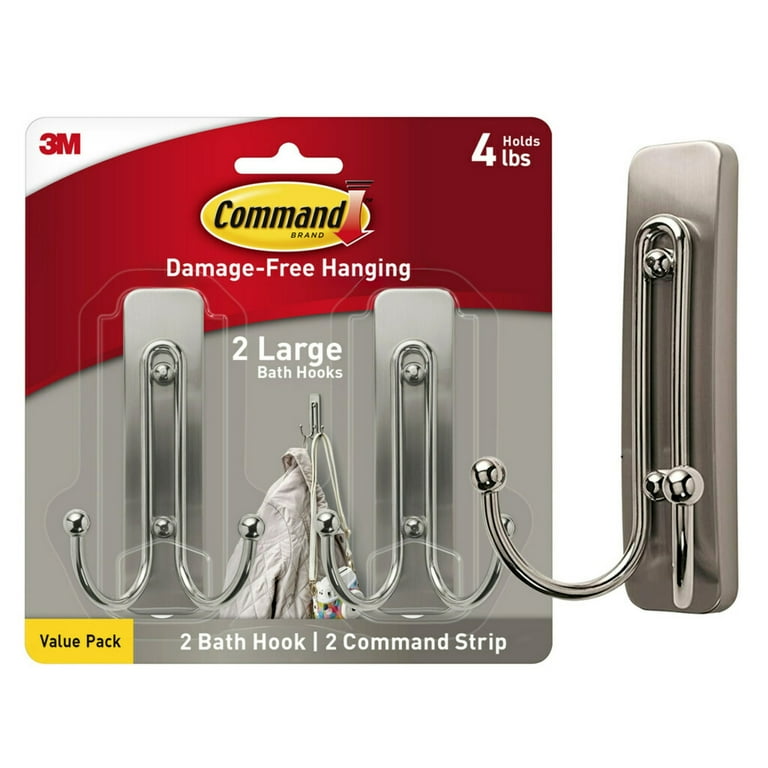
Tape or foam strips are flexible options for stopping rubbing. Use double-sided tape or foam strips behind hooks. These add a soft layer that protects the wall.
Foam strips can be cut to fit any hook shape. Tape holds the foam securely in place. This method suits various hook types and wall surfaces.
Credit: www.walmart.com
Installing Hooks For Stability
Installing hooks with stability stops them from rubbing against the wall. Stable hooks hold decorations firmly. They prevent scratches and marks on your walls. A secure setup keeps your space neat and safe.
Proper Placement Techniques
Place hooks where the wall is strong. Avoid weak or thin spots. Use a stud finder to find solid wood behind the wall. Mark the spot lightly with a pencil. This helps hold the hook tight and steady.
Using Anchors For Support
Use wall anchors for extra support. Anchors spread the hook’s weight across a bigger area. They stop hooks from pulling out of drywall. Choose anchors that fit your hook size. Push or screw anchors gently into the wall for a firm grip.
Ensuring Level Installation
Check hook level before fixing it completely. Use a small spirit level or a phone app. Level hooks keep decorations balanced and prevent them from moving. Mark the correct spot and install hooks straight. This avoids unwanted rubbing and wall damage.
Maintenance Tips To Avoid Damage
Keeping decorative hooks from rubbing against your wall protects both the hook and the paint. Proper care prevents scratches and marks. Simple maintenance helps your hooks last longer and keeps walls looking neat. Follow these steps to avoid damage and keep hooks in good shape.
Regular Inspection
Check hooks often for signs of wear or movement. Look for scratches or paint chips near the hook. Early detection stops damage from getting worse. Tighten loose screws or nails to keep hooks stable. A steady hook rubs less against the wall.
Cleaning And Care
Dust hooks and the wall area gently with a soft cloth. Dirt can cause friction and worsen rubbing. Avoid harsh cleaners that can damage paint or hook finish. Use mild soap and water for cleaning. Dry surfaces well to prevent moisture damage.
Adjusting Hooks As Needed
Move hooks slightly if rubbing appears. Small shifts can stop contact with the wall. Add padding like felt pads behind hooks for extra protection. Replace worn or bent hooks quickly. Proper adjustment keeps hooks secure and walls safe.
Credit: www.etsy.com
Alternative Hanging Solutions
Alternative hanging solutions offer ways to avoid wall damage caused by decorative hooks. These options protect your walls while keeping your space stylish and neat. They work well for renters and anyone who wants to keep walls clean.
Command Strips And Adhesives
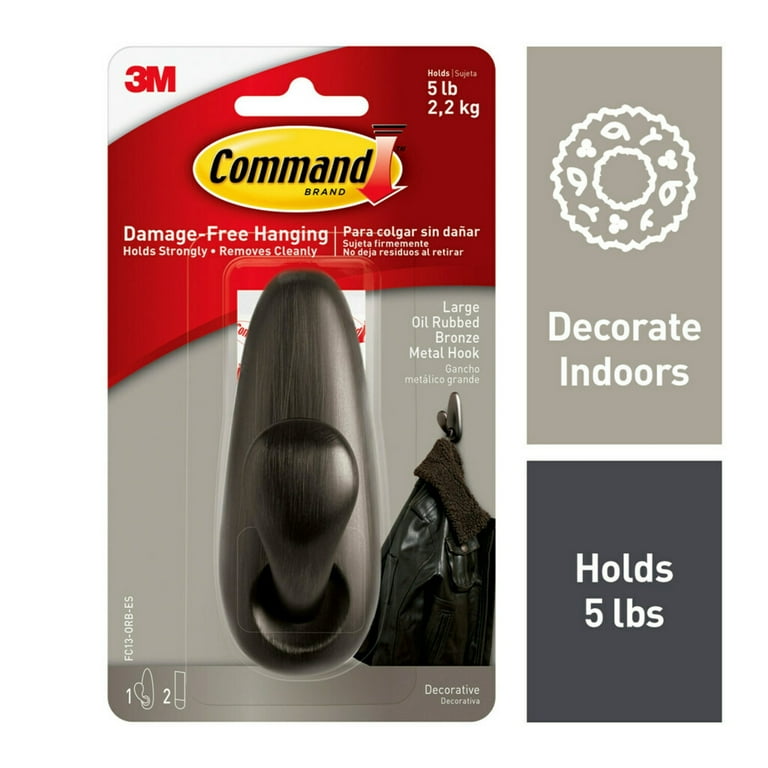
Command strips stick to walls without nails or screws. They hold hooks firmly and peel off cleanly. These strips come in various sizes and strengths for different weights. They prevent marks and holes, making them ideal for light to medium decor.
Magnetic Hooks
Magnetic hooks attach to metal surfaces easily. Use them on metal doors, cabinets, or appliances. They hold items without any wall contact. Magnetic hooks allow quick changes and repositioning. They are strong and leave no marks on walls.
Over-the-door And Freestanding Options
Over-the-door hooks hang on the top of doors without damage. They provide extra hanging space in rooms or closets. Freestanding hooks stand on floors and hold coats or bags. Both options avoid any wall contact and prevent rubbing or scratches.
Credit: www.walmart.com
Frequently Asked Questions
How To Stop Decorative Hooks From Rubbing Walls?
Use felt pads or adhesive bumpers behind hooks. These create a soft barrier that prevents direct contact with the wall. This reduces friction and avoids paint chipping or scratches. Regularly check and replace pads to maintain protection over time.
What Materials Protect Walls From Hook Damage?
Materials like felt, rubber, silicone, or cork work well. They cushion the hook and prevent rubbing or dents. These materials are easy to cut and attach behind hooks. Choose non-abrasive options to keep your walls safe and clean.
Can Wall Hooks Cause Paint Damage?
Yes, hooks can rub and scrape paint off walls. This happens due to friction and movement. Using protective pads or repositioning hooks helps prevent paint damage. Always install hooks carefully to minimize impact on wall surfaces.
How To Install Hooks Without Wall Marks?
Use adhesive hooks or removable strips designed for walls. These avoid nails and screws that leave holes. Place protective pads behind hooks to reduce rubbing. Ensure hooks are level and secure to prevent movement and damage.
Conclusion
Keeping decorative hooks from rubbing on walls takes simple steps. Use soft pads or felt to protect the wall surface. Tighten screws just enough to hold the hook firmly. Check the hook’s position often to avoid damage. Small efforts save paint and keep walls neat.
Enjoy your beautiful space without worry or marks. A little care keeps hooks and walls looking great.