Are you ready to add sturdy shelves to your space but worried about how to secure them to metal studs? Anchoring shelves to wall metal studs might seem tricky, but with the right steps, you can do it yourself—and make sure your shelves hold strong.
Whether you’re organizing your tools, displaying your favorite books, or creating extra storage, knowing how to anchor shelves correctly will save you time, money, and frustration. Keep reading, and you’ll learn simple, clear techniques to get your shelves mounted safely and securely.
Your walls—and your belongings—will thank you.
Credit: www.reddit.com
Tools And Materials Needed
Installing shelves on metal studs requires the right tools and materials. Using correct items makes the job safer and easier. This section covers the basics you need before starting.
Essential Tools
Start with a stud finder made for metal studs. It locates studs behind drywall quickly. A power drill with metal drill bits is necessary. These bits create holes without damaging the studs. A level ensures shelves hang straight. A tape measure helps mark precise positions. Screwdrivers help tighten screws and anchors firmly.
Choosing The Right Anchors
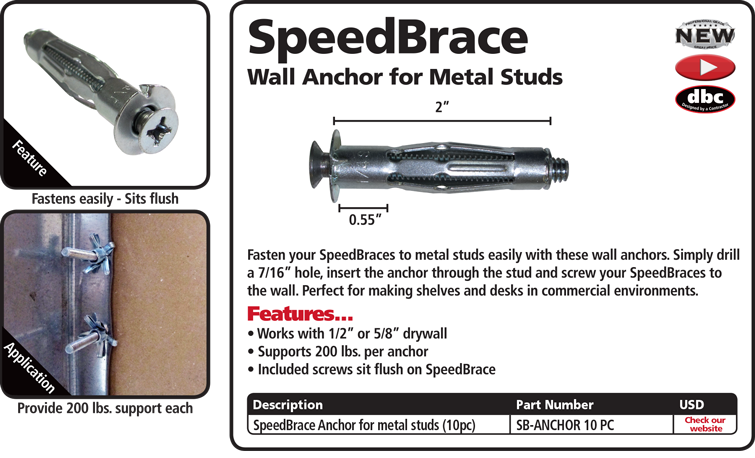
Metal studs need special anchors for strong support. Toggle bolts are common and hold heavy loads. Molly bolts also work well in metal. Self-drilling drywall anchors suit light to medium loads. Always check anchor weight limits before buying. Use anchors designed for metal, not wood or drywall only.
Shelf And Bracket Selection
Pick shelves made from sturdy materials like wood or metal. Brackets must fit the shelf size and hold weight safely. Heavy-duty brackets suit larger shelves and heavier items. Choose brackets with multiple screw holes for better grip. Match shelf width to bracket length for balance.
Credit: condomounts.com
Locating Metal Studs
Anchoring shelves to metal studs requires finding the studs first. Metal studs are hidden behind drywall. Knowing their exact position ensures your shelves hold steady. This section explains how to locate metal studs easily and correctly.
Using A Stud Finder
A stud finder is a simple tool to detect metal studs. Turn it on and move it slowly across the wall. The device beeps or lights up when it finds a stud. Mark the spot lightly with a pencil. Use a stud finder designed for metal, not wood.
Manual Detection Techniques
Metal studs create a hollow sound when you tap the wall. Knock gently with your knuckles or a small hammer. Listen for a solid, less hollow sound indicating a stud. Look for electrical outlets or switches; studs usually sit beside them. Use a magnet to find screws or nails in the drywall, which show stud locations.
Marking Stud Positions
Once you find a stud, mark it clearly on the wall. Use a pencil to make small vertical lines at the top and bottom. Measure 16 or 24 inches from your mark to find the next stud. Keep marks light to erase later. Confirm each stud by checking with the stud finder or tapping again.
Preparing The Wall
Preparing the wall is the first step in anchoring shelves to metal studs. This step ensures the shelves will be secure and stable. Proper preparation saves time and prevents damage to the wall. Follow these simple steps to get ready for the installation.
Clearing The Area
Remove all furniture and items near the wall. Clear the floor space to avoid tripping hazards. This makes it easier to work and measure accurately. A clean area helps you focus on the task without distractions.
Measuring And Marking Shelf Placement
Use a tape measure to find the right height for the shelf. Mark the spots lightly with a pencil where brackets will go. Double-check measurements to keep shelves level and balanced. Accurate marks ensure the shelf fits well and looks neat.
Checking For Obstacles
Scan the wall for electrical wires or pipes inside. Use a stud finder designed for metal studs to locate them. Avoid drilling into obstacles to prevent damage or accidents. Knowing the wall’s inside layout keeps the installation safe and smooth.
Drilling And Anchoring
Drilling and anchoring shelves into metal studs is a precise task. It requires the right tools and methods to ensure a safe, strong hold. Proper drilling and anchoring prevent shelves from falling or loosening over time.
Follow these steps to drill and anchor shelves securely. Choose the correct drill bit. Drill pilot holes carefully. Install the right metal stud anchors for firm support.
Drill Bit Selection
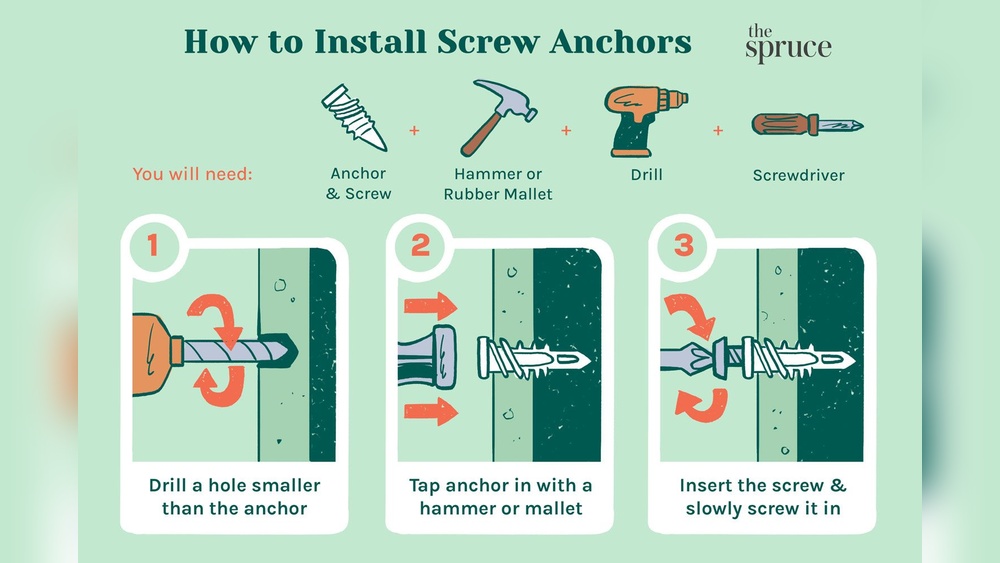
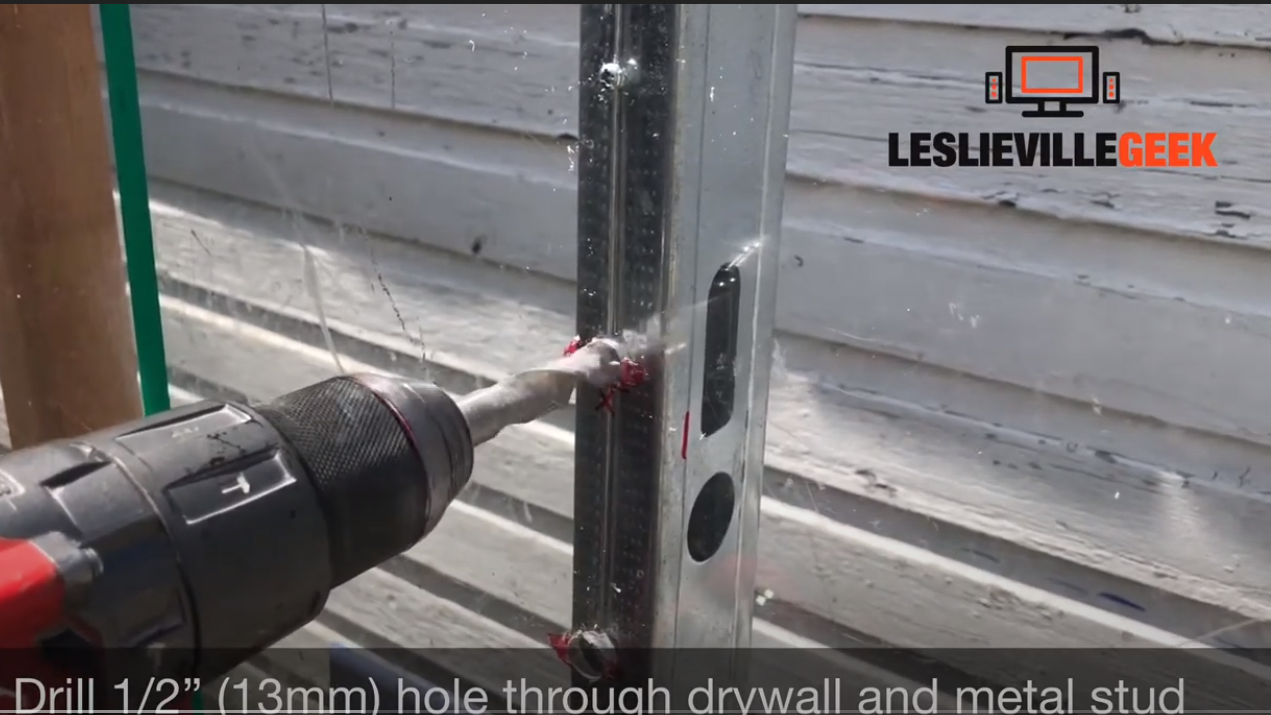
Pick a drill bit made for metal studs. A high-speed steel (HSS) bit works well. Use a bit size that matches the anchor’s diameter. Avoid large bits that create loose holes. A tight fit holds anchors firmly in place.
Drilling Pilot Holes
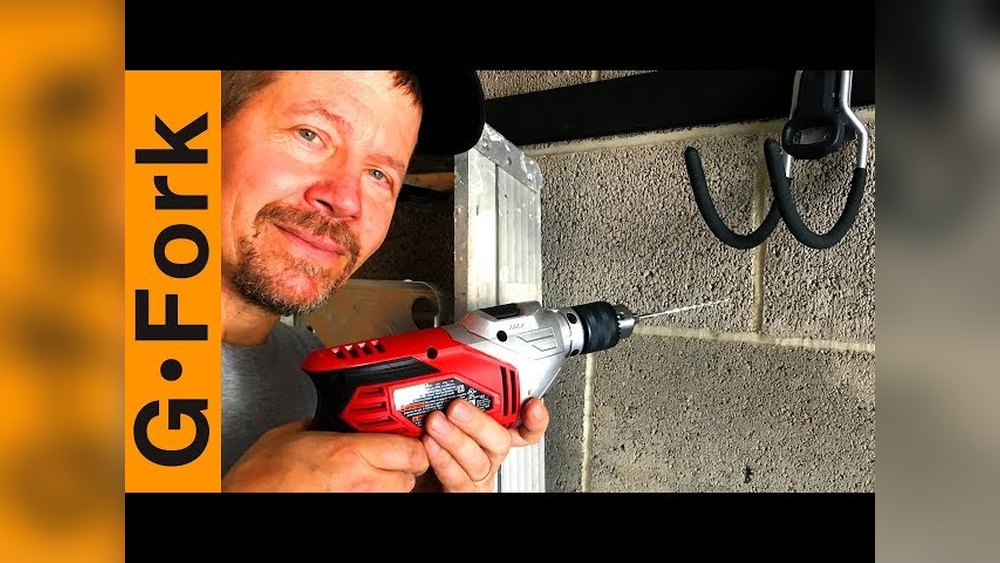
Mark the spot on the metal stud clearly. Hold the drill steady and perpendicular to the wall. Drill slowly to avoid bending or damaging the stud. Create a shallow pilot hole first. It guides the anchor and reduces metal stress.
Installing Metal Stud Anchors
Choose anchors designed for metal studs, like toggle or self-drilling anchors. Insert the anchor into the pilot hole carefully. Tighten screws slowly to expand the anchor behind the stud. Ensure the anchor grips the metal firmly. Test the anchor by gently pulling before mounting the shelf.
Mounting The Shelves
Mounting shelves on metal studs requires careful steps. Proper installation ensures the shelves hold weight safely. This section covers how to fix brackets and shelves correctly. Follow each step for a sturdy setup.
Attaching Brackets To Anchors
Start by aligning the brackets with the installed anchors. Use a screwdriver or drill to fasten screws through the bracket holes. Tighten screws firmly to secure brackets in place. Avoid over-tightening to prevent damage to metal studs.
Securing The Shelf
Place the shelf onto the brackets carefully. Make sure the shelf sits evenly on each bracket arm. Use screws or fasteners to attach the shelf to the brackets. This prevents the shelf from slipping or shifting.
Leveling And Adjustments
Use a level tool to check the shelf’s alignment. Adjust the shelf by loosening screws slightly and shifting as needed. Once level, tighten all screws firmly. A level shelf looks better and supports items safely.
Safety Tips And Best Practices
Anchoring shelves to metal studs needs care and attention. Safety is key to avoid accidents and damage. Follow best practices to keep shelves strong and secure.
Using correct tools and methods helps protect your walls and your items. Learn important safety tips to make your project safe and effective.
Weight Limits And Load Distribution
Metal studs have weight limits. Do not overload shelves beyond their capacity. Check the stud specifications before installation. Spread weight evenly across the shelf. Avoid placing heavy items in one spot. Use multiple anchors for better load support. This prevents shelf bending and wall damage.
Avoiding Common Mistakes
Do not drill too large holes in metal studs. Use screws designed for metal studs only. Avoid using drywall anchors alone for heavy loads. Double-check stud locations with a stud finder. Do not skip pilot holes to prevent stud damage. Tighten screws firmly but do not overtighten. Loose anchors cause instability and accidents.
Regular Maintenance Checks
Inspect shelves regularly for signs of wear or damage. Tighten screws if they become loose. Check for any bending or shifting of shelves. Replace damaged anchors or screws immediately. Clean shelves to prevent dust buildup. Regular checks increase shelf safety and lifespan.
Credit: www.fastcap.com
Frequently Asked Questions
How Do You Find Metal Studs In A Wall?
Use a stud finder designed for metal detection. Move it slowly along the wall. Mark the detected metal stud edges with a pencil.
What Anchors Work Best For Metal Studs?
Toggle bolts and molly bolts work best. They provide strong support by expanding behind the metal stud. Avoid using regular wall anchors.
Can I Mount Heavy Shelves On Metal Studs?
Yes, but use heavy-duty anchors like toggle bolts. Ensure the shelf weight does not exceed the anchor’s capacity for safety.
How Deep Should Screws Go Into Metal Studs?
Screws should penetrate at least 1 inch into the metal stud. This ensures a secure hold and prevents shelf sagging or falling.
Conclusion
Anchoring shelves to metal studs keeps them steady and safe. Use the right tools and anchors for strong support. Measure carefully before drilling to avoid mistakes. Tighten screws firmly but do not overtighten. Check the shelf’s stability after installation. Proper mounting prevents damage to walls and shelves.
Follow these simple steps to get the job done right. Enjoy your new shelves, holding items securely every day.