Has your deadbolt suddenly stopped working, leaving you stuck or worried about your door’s security? A broken deadbolt can be frustrating, but you don’t need to call a locksmith right away.
You can remove it yourself with a few simple steps. In this guide, you’ll learn exactly how to take out that stubborn deadbolt safely and quickly. Keep reading, and by the end, you’ll have the confidence to fix your door and get back to feeling secure in your home.

Credit: www.aspire-doors.co.uk
Tools Needed
Removing a broken deadbolt requires the right tools. Having them ready makes the job easier and faster. These tools help you take out the damaged parts safely.
Each tool has a specific role. Using the correct tools prevents more damage to your door.
Flathead Screwdriver
A flathead screwdriver helps remove screws from the deadbolt. It fits into the screw slots to loosen or tighten them. Choose one with a sturdy handle for better grip.
Phillips Screwdriver
Use a Phillips screwdriver for screws with a cross-shaped slot. It provides a secure fit to turn screws without slipping. Keep different sizes handy for various screws.
Drill With Drill Bits
A drill speeds up screw removal. Use drill bits that match the screw size. It also helps drill out stubborn screws or damaged parts.
Pliers
Pliers grip small parts or broken pieces firmly. Use them to pull out stuck screws or pieces of the deadbolt. Needle-nose pliers work best for tight spaces.
Utility Knife
A utility knife cuts through paint or sealant around the deadbolt. It clears the area for easier screw access. Handle the knife carefully to avoid injury.
Assessing The Damage
Assessing the damage is the first step in removing a broken deadbolt. You need to understand the problem clearly before starting any work. This helps you choose the right tools and plan your approach. A careful look saves time and avoids further damage to the door.
Check The Exterior Of The Deadbolt
Look closely at the outside part of the deadbolt. See if the keyhole is jammed or if the lock face is cracked. Notice any loose screws or bent metal. This tells you how badly the deadbolt is damaged.
Inspect The Interior Side
Open the door and check the inside part of the lock. Look for broken pieces or a stuck thumb turn. Check if the lock bolt moves or if it is stuck inside the door. This shows how deep the problem goes.
Test The Key And Lock Mechanism
Try to turn the key in the lock gently. Note if it turns smoothly or gets stuck. Do not force it. Test the thumb turn as well. These tests reveal if the internal parts are broken or jammed.
Look For Door And Frame Damage
Check the door edge and the door frame around the deadbolt. Look for cracks, splits, or dents caused by the broken lock. Damage here may need fixing before installing a new lock.
Removing The Interior Plate
Removing the interior plate is a key step in taking out a broken deadbolt. This plate covers the screws holding the lock in place. Removing it lets you access these screws and take the lock apart. The process is simple and requires only a few tools.
Locate The Interior Plate
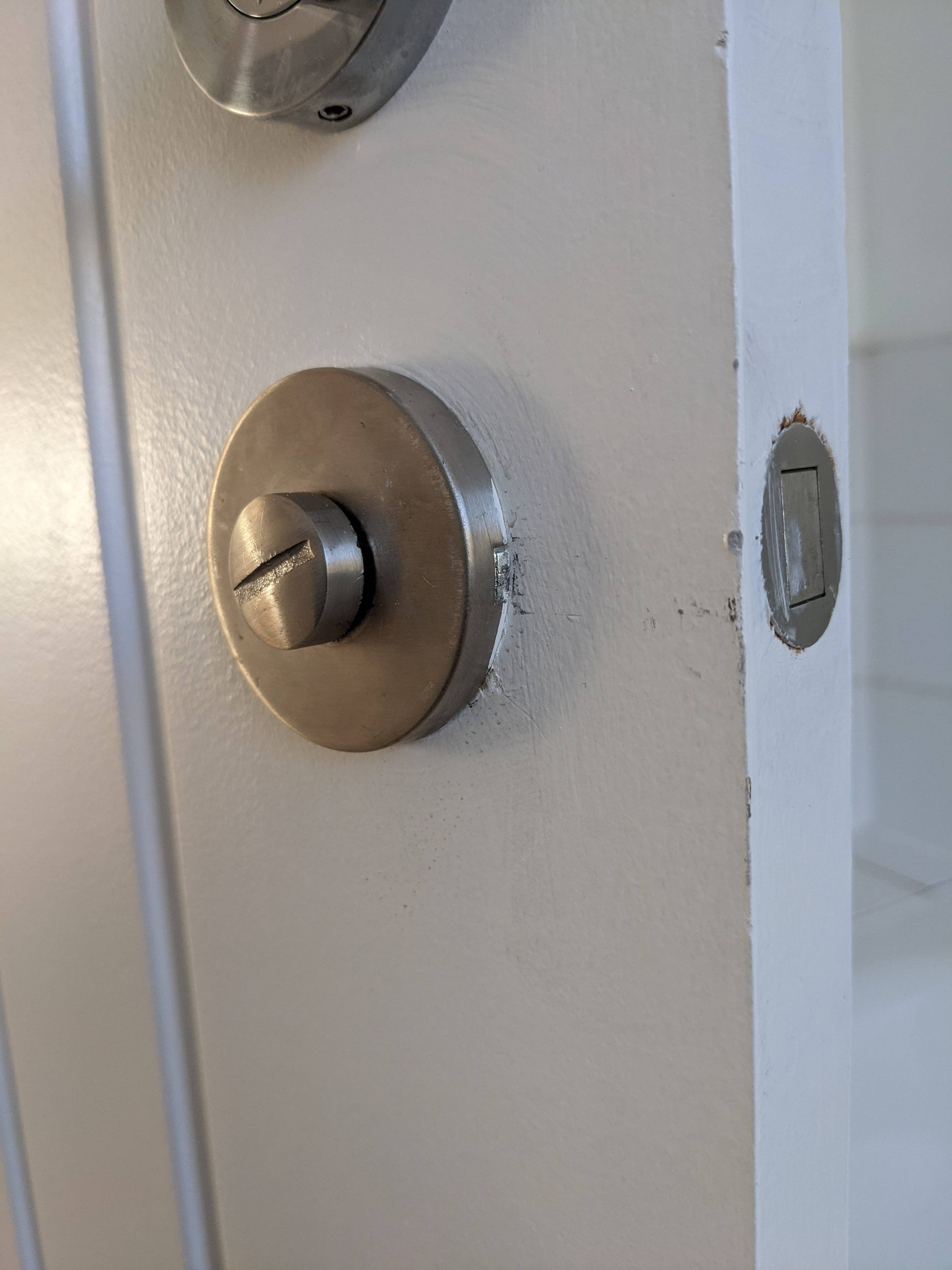
Look on the inside of the door. The interior plate sits around the deadbolt knob or thumb turn. It usually matches the door’s finish. Check for any visible screws on the plate.
Remove The Screws
Use a screwdriver that fits the screws well. Turn each screw counterclockwise until it comes out. Keep the screws safe. You will need them later to install the new lock.
Detach The Interior Plate
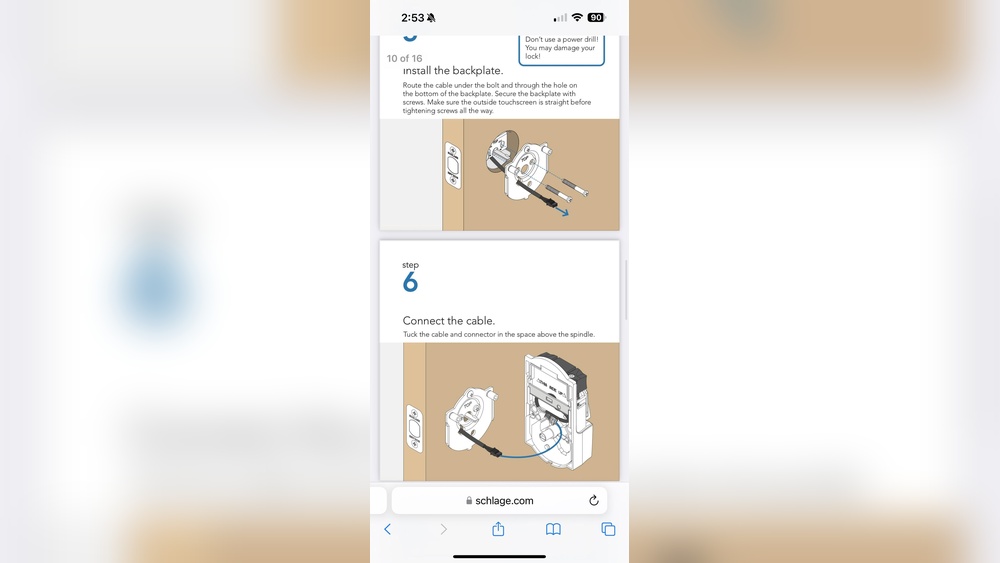
After removing the screws, gently pull the plate away from the door. It might need a small wiggle to come loose. Avoid forcing it hard to prevent damage to the door or lock.
Credit: diy.stackexchange.com
Extracting The Broken Deadbolt
Extracting a broken deadbolt can feel tricky. The key or the bolt might snap inside the lock. Removing the broken parts carefully is important. This stops damage to the door and frame. Tools like screwdrivers, pliers, or tweezers help in this task. Each tool works best for different deadbolt issues.
Using A Screwdriver
Start by removing the door handle or knob. Use a screwdriver to take out screws holding the lock. This exposes the deadbolt mechanism. If the bolt is stuck, gently pry it out. Avoid pushing the broken piece further inside. A flat-head screwdriver works well for small gaps. Work slowly to prevent extra damage.
Employing Pliers Or Tweezers
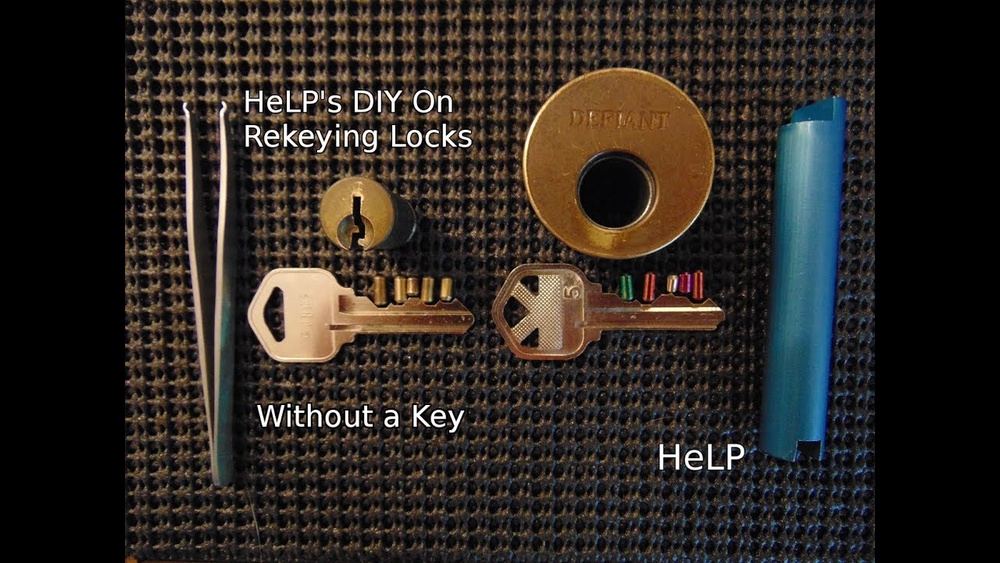
Pliers or tweezers help grab the broken parts. Use needle-nose pliers for small, hard-to-reach pieces. Grip the broken key or bolt firmly. Pull straight out without twisting too much. Tweezers work for tiny fragments inside the lock. Patience is key to avoid breaking parts more.
Dealing With Stuck Or Stripped Screws
Removing a broken deadbolt can be tough, especially when screws get stuck or stripped. Stuck screws do not turn easily. Stripped screws have damaged heads, making them hard to grip with a screwdriver. Both issues slow down the removal process. Using the right methods can save time and prevent door damage.
Applying Lubricants
Start by applying a lubricant to the stuck screws. Spray a small amount of WD-40 or a similar product. Let it sit for 10 to 15 minutes. The lubricant seeps into the threads, loosening rust or dirt. Try turning the screw gently with a screwdriver after waiting. Use a screwdriver with a good fit to avoid stripping the head further. Repeat the process if the screw still won’t budge.
Using Screw Extractors
Screw extractors are tools made for removing stripped screws. First, drill a small hole into the screw head. Then, insert the extractor into the hole. Turn the extractor counterclockwise with a wrench or screwdriver. The tool bites into the screw and pulls it out. Use steady, even pressure to avoid breaking the extractor. This method works well when the screw head is badly damaged.

Credit: www.youtube.com
Cleaning The Door Surface
Installing a new deadbolt improves your door’s security and function. After removing the broken deadbolt, it is important to select the right replacement and install it carefully. This step ensures your door locks properly and keeps your home safe.
Choose a deadbolt that fits your door and meets your security needs. Follow clear steps to install the new lock with confidence and ease.
Choosing The Right Replacement
Measure the hole in your door to find a deadbolt that fits. Check the thickness of the door too. Most deadbolts fit doors between 1 3/8 and 1 3/4 inches thick.
Select a deadbolt with a strong metal finish. This helps resist wear and weather damage. Consider a single-cylinder deadbolt for simple key use or a double-cylinder for extra security with a key on both sides.
Pick a style that matches your door handles. This keeps the look neat and consistent.
Step-by-step Installation
Start by inserting the deadbolt latch into the door edge. Secure it with screws provided. Make sure the latch is flush with the door surface.
Next, place the exterior part of the deadbolt through the hole. Align it with the latch mechanism. Hold it steady while attaching the interior side.
Attach the interior plate and screw it tightly to the door. Insert batteries if your deadbolt is electronic.
Test the lock by turning the knob or key. The bolt should slide smoothly into the door frame.
Make adjustments if the bolt sticks or doesn’t lock fully. Tighten all screws to keep the lock stable.
Frequently Asked Questions
How Do I Remove A Broken Deadbolt From A Door?
First, unscrew the interior side of the deadbolt. Then, use pliers to pull out the broken cylinder. Finally, remove the faceplate and latch mechanism carefully.
What Tools Are Needed To Remove A Broken Deadbolt?
You will need a screwdriver, pliers, and possibly a drill. These tools help unscrew, grip, and extract the broken deadbolt parts safely.
Can I Replace A Deadbolt After Removing It?
Yes, after removing the broken deadbolt, you can install a new one. Ensure the replacement matches your door’s thickness and bore size.
How To Avoid Damaging The Door When Removing A Deadbolt?
Work gently and use proper tools to prevent damage. Avoid forcing parts and protect the door surface with tape if needed.
Conclusion
Removing a broken deadbolt can seem hard at first. Take your time and follow the steps carefully. Use the right tools to avoid damage to your door. Stay safe and work slowly to avoid mistakes. After removing the deadbolt, check your door for any issues.
Installing a new lock is easier once the old one is gone. Keep your door secure with a functioning lock. You can do this yourself with some patience and care. Good work today!