Have you ever wondered why the deadbolt is called a “deadbolt”? You use it every day to keep your home safe, but the name might seem a bit mysterious.
Understanding where this name comes from can change how you see this simple yet powerful lock. Stick with me, and you’ll discover the surprising story behind the deadbolt—one that could make you appreciate its strength and security even more. Ready to unlock the secret?
Let’s dive in!
Deadbolt Basics
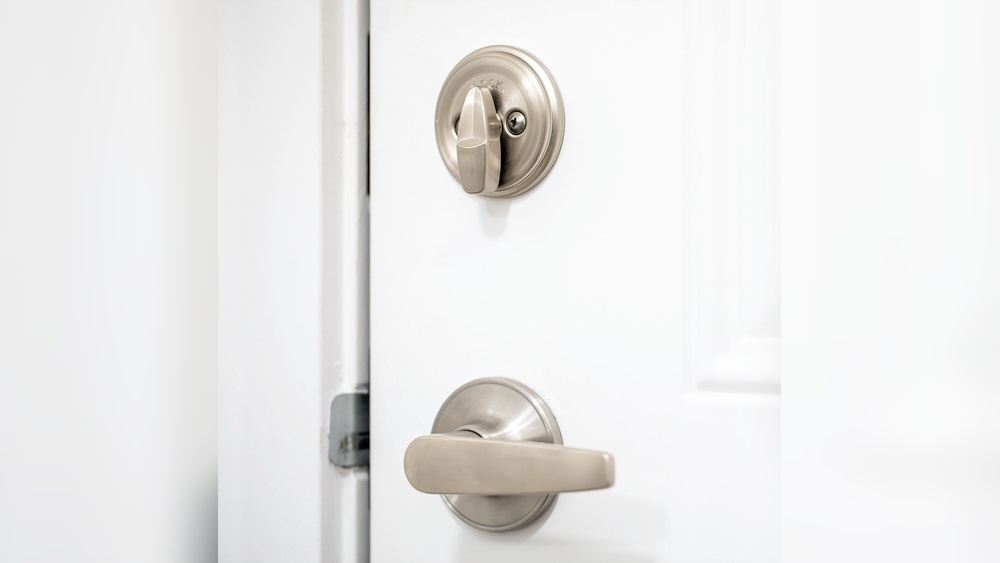
The deadbolt is one of the most common locks used on doors. It adds extra security and peace of mind. Unlike spring locks, deadbolts do not move back easily without a key or thumb turn. This makes them tougher to force open.
Deadbolts come in different styles and sizes. They are simple but strong devices. Understanding their basics helps explain how they got their name.
What Makes A Deadbolt Different
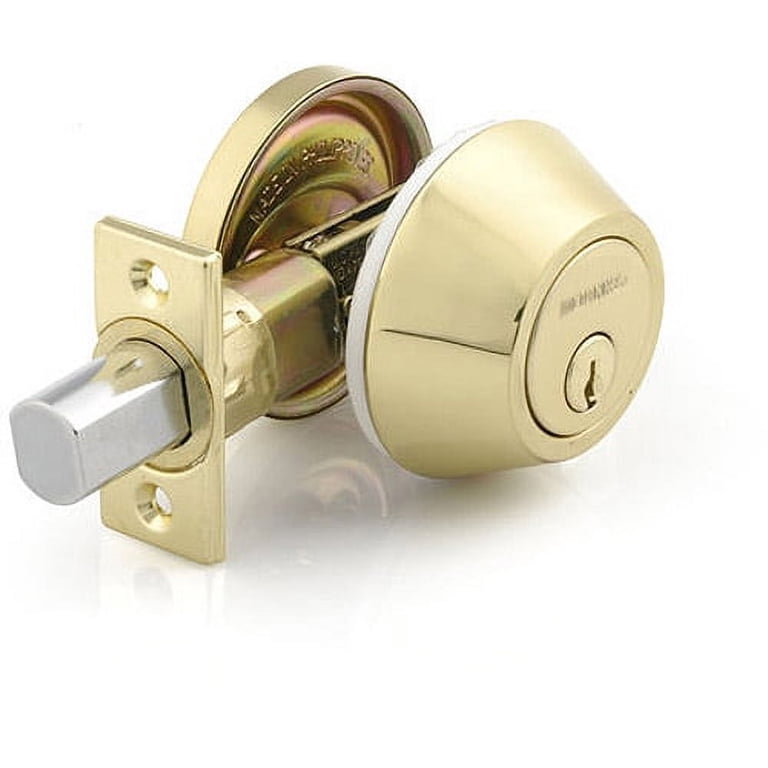
A deadbolt locks by sliding a solid metal bolt into the door frame. This bolt does not spring back when you release the key. It stays firmly in place until you turn the key or thumb turn again.
Spring locks, in contrast, use a latch that retracts when pushed. Deadbolts do not rely on a spring mechanism. This makes them more secure against break-ins.
Deadbolts often have a thicker bolt than regular locks. This thickness is part of what makes them strong. The bolt fits tightly in the door frame, making it hard to force open.
Common Uses Of Deadbolts
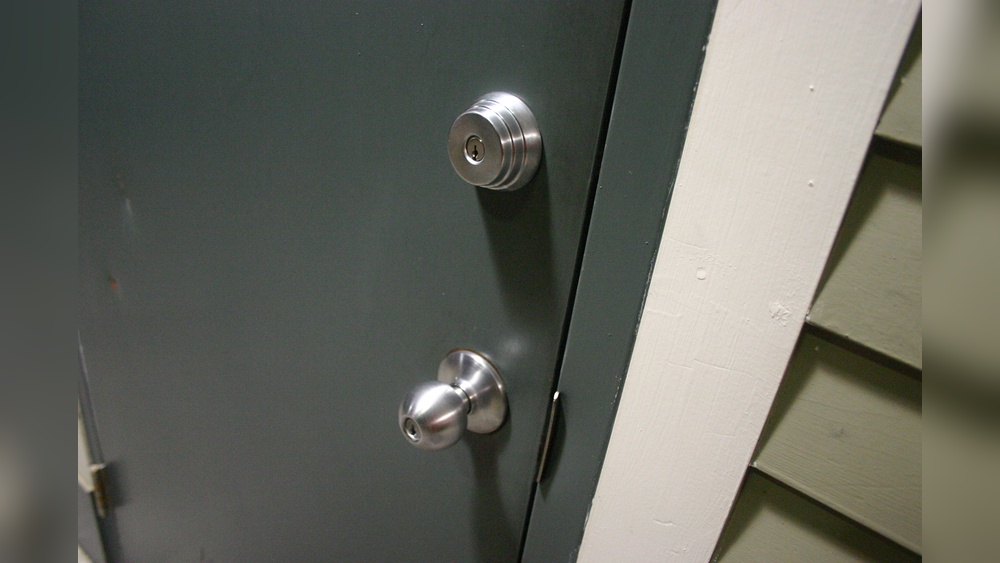
Deadbolts are most often found on exterior doors. Homes, apartments, and offices use them for added safety. They protect against unwanted entry better than simple locks.
Many landlords require deadbolts on rental properties. They offer tenants more security. Deadbolts are also common on storage units and sheds.
Some people install deadbolts on interior doors. This is to protect private rooms or valuables inside the home. The lock’s strong hold is useful anywhere safety is a priority.
Credit: www.walmart.com
Origin Of The Term
The name “deadbolt” has a history tied to old locking systems and language. It describes a strong lock that cannot be moved easily. Understanding the name helps us see why it is trusted for security.
The term combines two words that explain the lock’s function and strength. Each part has its own story from the past. Let’s explore how the words came together.
Early Lock Mechanisms
Long ago, people used simple locks made from wood or metal. These locks had a bar that slid into place. This bar held doors shut firmly. Early locks worked by blocking the door from opening.
These sliding bars were the first versions of what we now call bolts. They were manual and required effort to move. Over time, these bars became stronger and more secure.
The Meaning Behind ‘dead’
The word “dead” in deadbolt means fixed or still. It shows that the lock does not move once it is set. This “dead” part stops the bolt from sliding back easily.
In old English, “dead” was used to show something was motionless or completely stopped. Here, it means the lock is very secure and cannot be pushed open.
Evolution Of The Word ‘bolt’
The word “bolt” refers to a heavy metal bar or rod. It was used to fasten doors or gates tightly. This word comes from Old English and Germanic roots.
Over time, “bolt” came to mean a locking bar that slides into place. It gives the idea of strength and firmness. The bolt keeps the door locked and safe.
Historical Development
The deadbolt has a rich history that shaped its name and use today. It started as a simple idea to keep doors more secure. Over time, the deadbolt became a key part of home and building safety. Exploring its past helps us understand why it is called a “deadbolt.”
Invention And Early Patents
The deadbolt was invented in the 19th century as a stronger lock type. Early patents show how inventors aimed to stop forced entry. These locks used a solid metal bolt that slid into the door frame. Unlike spring locks, the deadbolt did not rely on springs. This made it harder to pick or force open.
Deadbolts In Architecture
Architects began using deadbolts in homes and buildings by the late 1800s. The lock added an extra security layer to wooden and metal doors. Builders liked deadbolts because they were simple but strong. Deadbolts helped meet the growing need for safer urban homes. Their design fit well with many door styles.
Notable Innovations Over Time
Inventors improved deadbolts by adding keys and thumb turns. New materials made deadbolts more durable and weather-resistant. Some deadbolts gained features like double locking and anti-drill plates. These changes increased protection against break-ins. The name “deadbolt” stayed because the bolt does not move easily once locked.
Cultural Impact
The deadbolt is more than just a lock. It has become a symbol in culture and media. Its name and function influence how people see security and safety.
Deadbolts appear in movies, TV shows, and books often. They represent protection or sometimes danger. This small device carries big meaning in stories and real life.
Deadbolts In Popular Media
Deadbolts often show up in crime and thriller genres. They create tension by blocking doors or keeping secrets safe. Characters lock or unlock deadbolts during key moments.
In horror films, a deadbolt can suggest safety or trap. Viewers feel the lock’s power in stopping or inviting danger. The deadbolt becomes a silent character in many plots.
Symbolism And Security
The deadbolt symbolizes strength and protection. It shows a boundary between inside safety and outside threat. People trust deadbolts to guard their homes and privacy.
In a deeper sense, deadbolts represent control. They give people a way to feel safe and secure. This simple lock carries a message of defense and care.
Modern Deadbolt Features
Modern deadbolts offer more than just basic security. They come with features designed to make homes safer and more convenient. These locks have evolved with new technology and design improvements. Today’s deadbolts focus on strength, ease of use, and smart integration.
Technological Advances
Deadbolt technology has improved a lot over the years. High-quality metals and better locking mechanisms make them harder to break. Some deadbolts include anti-pick and bump-resistant features. These advances help stop common break-in methods. Also, designs now allow easier installation on most doors.
New models have longer bolts and stronger strike plates. This adds extra protection against forced entry. Some deadbolts include weatherproof materials. These protect the lock from rust and wear over time. This means the lock stays reliable longer.
Smart Deadbolts And Security Trends
Smart deadbolts connect to home networks and apps. You can lock or unlock your door using a phone. Some models use fingerprint or code access. This removes the need for physical keys. You can give temporary access to guests or workers.
Many smart deadbolts send alerts if someone tries to break in. Some even track who enters and leaves your home. Voice control with smart assistants is common. This adds hands-free convenience and safety. These trends show how deadbolts fit into modern home security systems.
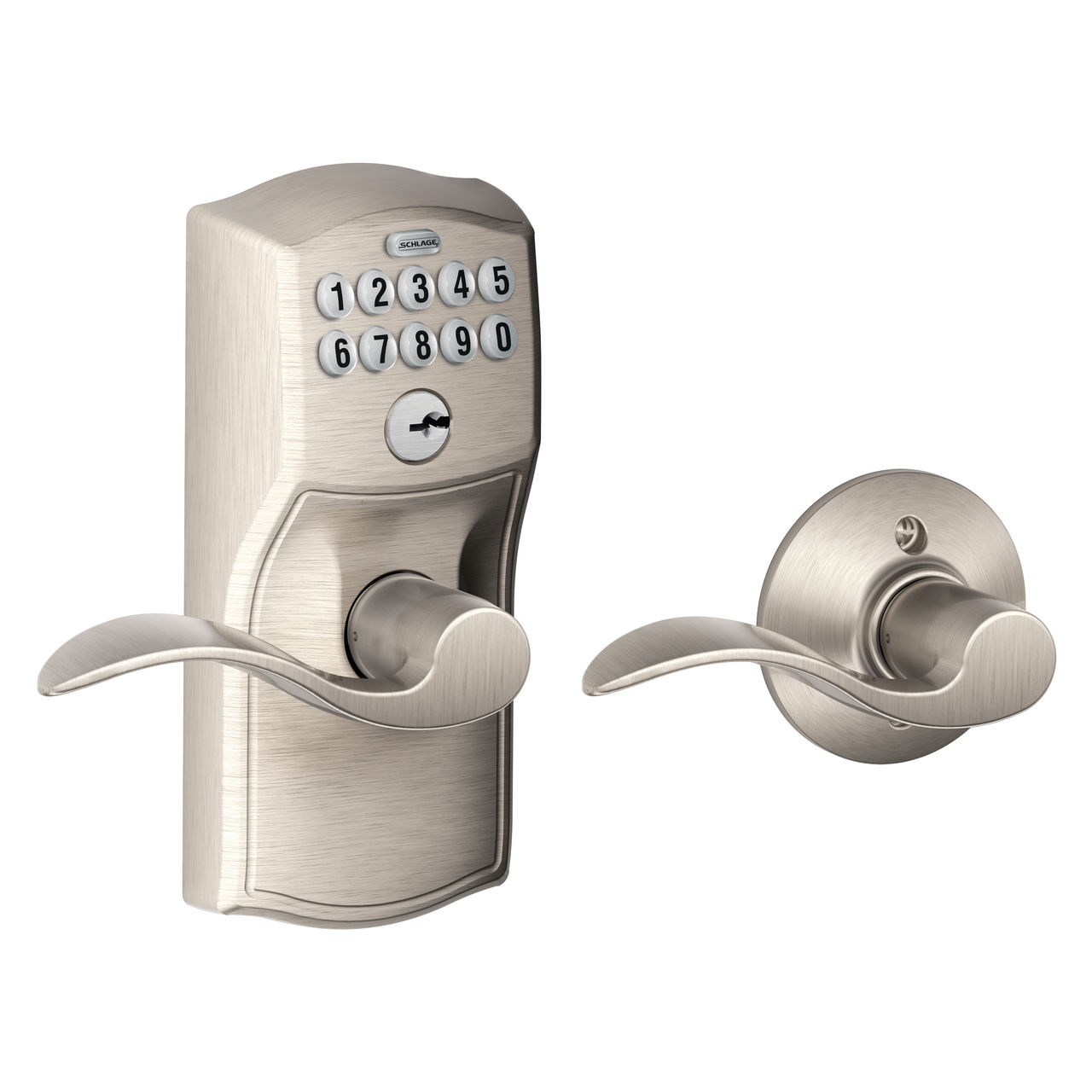
Credit: www.schlage.com
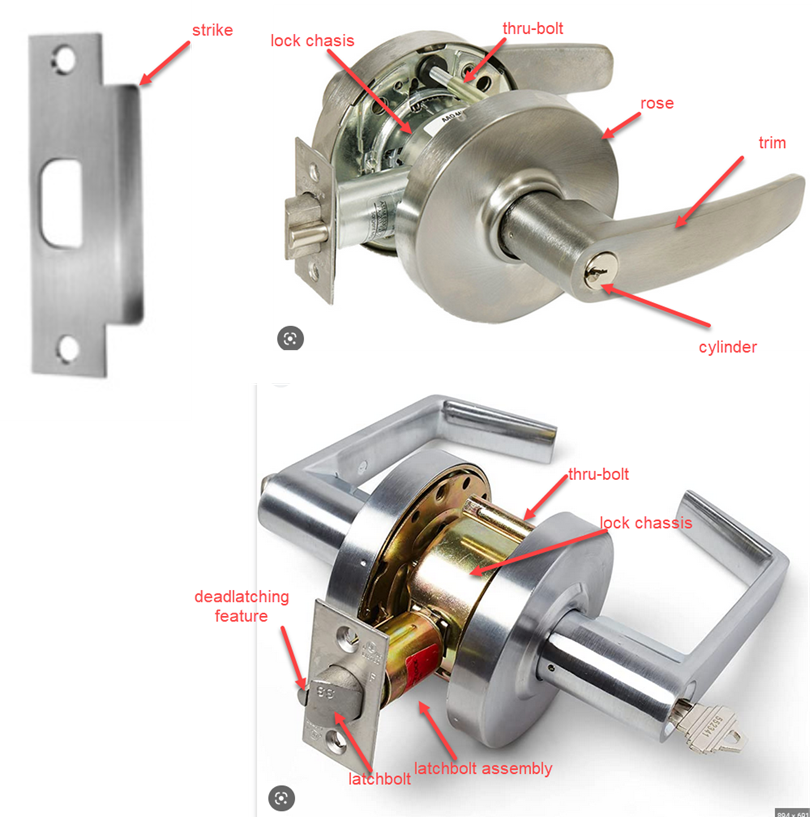
Credit: laforceinc.com
Frequently Asked Questions
What Is The Origin Of The Deadbolt Name?
The deadbolt name comes from its solid, non-spring locking mechanism. Unlike spring locks, it “locks dead,” providing stronger security.
How Does A Deadbolt Differ From Other Locks?
Deadbolts require manual turning or key use to lock. This design makes them more resistant to forced entry than spring locks.
Why Is The Deadbolt Considered More Secure?
Deadbolts extend deep into the door frame, making them harder to force open. This robust design enhances home security significantly.
When Was The Deadbolt Lock Invented?
The deadbolt was invented in the early 20th century to improve door security. It became popular due to its strong locking feature.
Conclusion
The deadbolt got its name because it locks firmly and does not move. It offers strong protection for doors. People trust deadbolts to keep homes safe. Knowing its name helps you understand its function better. This simple lock plays a big role in home security.
Next time you see a deadbolt, you’ll know why it’s called that. Safe homes start with strong locks like deadbolts.