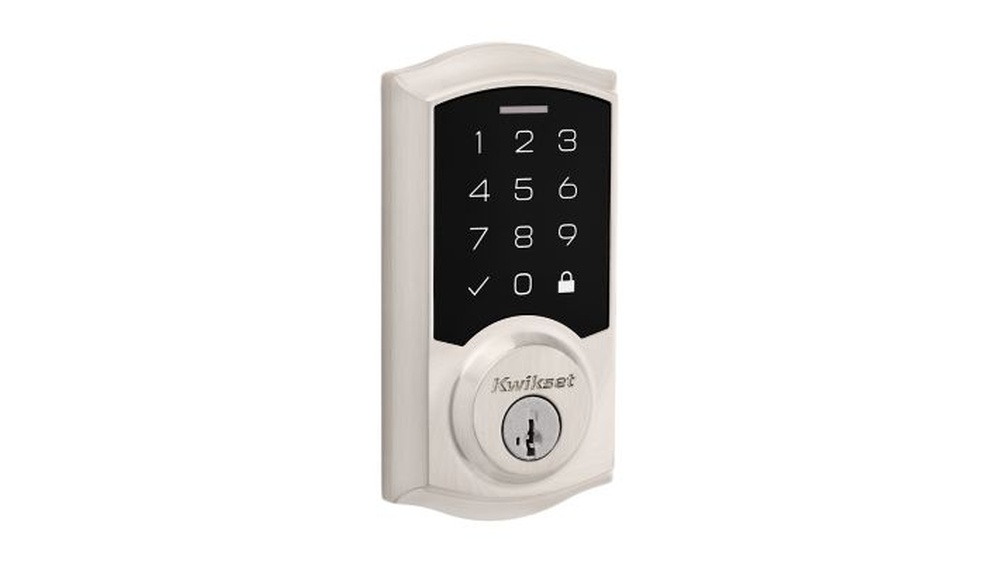
Are you looking to boost your home’s security with a reliable deadbolt lock? Installing a Brinks deadbolt lock is a smart choice that gives you peace of mind and keeps your family safe.
But if you’re unsure where to start or worried about making mistakes, don’t worry. This step-by-step guide will walk you through the entire process, making it simple and clear for you. By the end, you’ll have a strong, secure lock on your door—and the confidence that you did it yourself.
Keep reading to discover how easy it can be to protect what matters most.
Tools Needed
Installing a Brinks deadbolt lock needs some basic tools. Having the right tools makes the job easier and faster. You do not need many tools for this task.
Here is a list of tools needed for installing a Brinks deadbolt lock. These tools help you measure, drill, and secure the lock properly.
Measuring Tape
Use a measuring tape to check door thickness and hole placement. Accurate measurements ensure the lock fits well.
Power Drill
A power drill helps make holes for screws and the lock cylinder. Choose the right drill bit size for clean holes.
Screwdriver
A Phillips screwdriver is needed to tighten screws. It helps secure the lock parts firmly in place.
Chisel
A chisel adjusts the door frame to fit the lock’s strike plate. It creates a smooth surface for the lock to close properly.
Pencil
Use a pencil to mark spots for drilling and fitting. Clear marks prevent mistakes during installation.

Credit: www.amazon.com
Choosing The Right Lock
Choosing the right Brinks deadbolt lock is important for your home’s security. A good lock keeps your family safe and gives peace of mind. You need to know what type of lock fits your door and meets your needs.
Brinks offers several deadbolt options. Each has different features and security levels. Understanding these differences helps pick the best lock for your door.
Types Of Brinks Deadbolt Locks
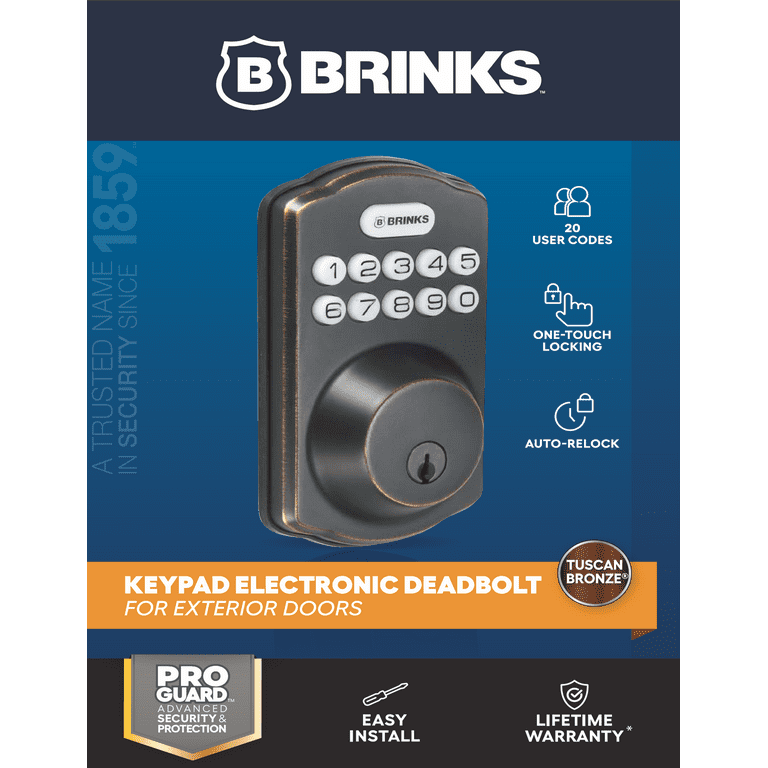
Brinks deadbolts come in single-cylinder and double-cylinder styles. Single-cylinder locks use a key outside and a thumb turn inside. Double-cylinder locks need a key on both sides. Choose based on your safety needs and door type.
Material And Finish Options
Brinks locks are made from strong metals like brass and steel. These materials resist weather and wear. Different finishes match your door’s style. Options include polished brass, satin nickel, and oil-rubbed bronze.
Security Features To Consider
Look for locks with anti-pick and bump-resistant features. Some Brinks models have reinforced strike plates for added strength. These features make it harder for intruders to break in.
Compatibility With Door Thickness
Measure your door’s thickness before buying a lock. Most Brinks deadbolts fit doors from 1 3/8 inches to 2 inches thick. Ensure the lock you pick works with your door size.
Preparing The Door
Preparing the door is the first step to install a Brinks deadbolt lock. It ensures the lock fits well and works smoothly. Careful preparation helps avoid mistakes and saves time. This part covers removing old locks and marking the door for the new one.
Removing Existing Lock
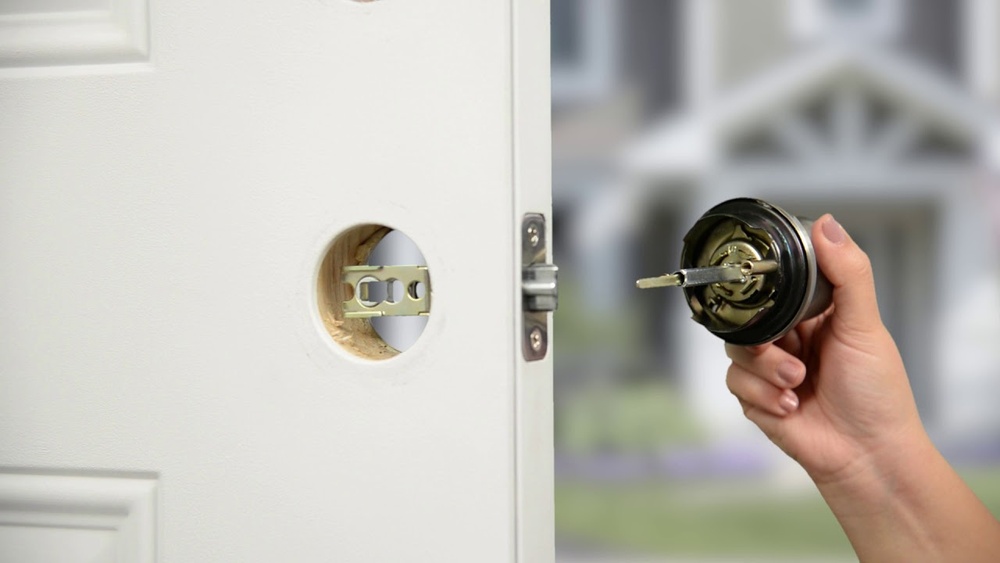
Start by removing the old lock from the door. Use a screwdriver to take out the screws on the interior side. Carefully pull out the lock parts from both sides of the door. Remove the latch mechanism from the edge of the door. Keep screws in a safe place in case you need them later. Clean the door surface to remove any dirt or dust.
Measuring And Marking
Next, measure the door thickness and backset distance. These measurements must match the deadbolt lock specifications. Use a tape measure for accuracy. Mark the door where the new lock will go. Draw clear lines for the lock hole and latch plate. Check the marks twice before drilling. Proper marking ensures the lock fits perfectly and functions well.

Credit: www.youtube.com
Installing The Deadbolt
Installing the Brinks deadbolt lock involves careful steps to ensure security and smooth operation. Follow the instructions below to fit the lock correctly. Each step helps keep your door safe and functional.
Drilling Holes
Start by marking the spot on the door where the lock will go. Use a drill with the right size bit to make holes for the deadbolt and the lock cylinder. Make sure the holes are straight and clean. Check the depth to fit the lock parts perfectly.
Mounting The Lock Mechanism
Insert the deadbolt mechanism into the hole on the edge of the door. Align it properly so the bolt moves smoothly. Use screws to secure the mechanism tightly. Avoid over-tightening to prevent damage to the door or lock.
Attaching The Exterior And Interior Parts
Place the exterior lock part with the keyhole on the outside of the door. Align the tailpiece through the deadbolt mechanism. Then, attach the interior part on the inside of the door. Fasten both parts with screws, making sure they fit snugly. Test the lock by turning the key and knob to confirm smooth operation.
Securing The Strike Plate
Securing the strike plate is a key step in installing a Brinks deadbolt lock. The strike plate holds the bolt in place on the door frame. A well-secured strike plate strengthens your door’s security. It helps prevent the door from being forced open.
Properly attaching the strike plate ensures the deadbolt works smoothly. It also protects the door frame from damage. Follow these steps to secure the strike plate correctly.
Positioning The Strike Plate
Start by aligning the strike plate with the bolt hole on the door frame. Make sure it fits flush against the frame. Mark the screw holes with a pencil. Check that the plate covers the hole fully for a tight fit.
Drilling Pilot Holes
Drill small pilot holes where you marked the screw spots. Use a drill bit slightly smaller than the screws. This step prevents the wood from splitting. It also makes screw installation easier and more secure.
Using Long Screws For Extra Strength
Replace the short screws with longer ones, around 3 inches. Long screws reach deeper into the wall studs. This adds strong support to the strike plate. It helps resist forced entry better than short screws.
Securing The Strike Plate Firmly
Drive the screws into the pilot holes tightly. Avoid over-tightening to prevent stripping the screws. The plate should be snug and not move. Test by turning the deadbolt to ensure smooth operation.
Credit: www.walmart.com
Testing The Lock
Testing the Brinks deadbolt lock after installation is crucial. It ensures the lock works smoothly and keeps your home safe. Testing lets you find and fix any issues before relying on the lock daily.
Check The Lock Mechanism
Turn the key or thumb turn slowly. Feel for any resistance or sticking. The deadbolt should move smoothly in and out of the door frame. If it feels rough, adjust the lock or strike plate.
Test Both Sides Of The Door
Try locking and unlocking from inside and outside. Confirm the key and thumb turn operate correctly. Both sides must work without force or hesitation.
Verify The Deadbolt Fully Extends
Ensure the deadbolt slides fully into the door jamb. A partial lock leaves your door less secure. Push and pull the door gently to confirm the bolt holds firm.
Check For Alignment Issues
Close the door slowly and watch the bolt enter the strike plate. Misalignment causes the bolt to catch or stop early. Adjust the plate or lock position as needed.
Test The Lock Multiple Times
Repeat locking and unlocking several times. This ensures consistent performance. It also helps break in the lock for smoother use.
Troubleshooting Tips
Installing a Brinks deadbolt lock usually goes smoothly. Still, some issues may arise during or after installation. These troubleshooting tips help fix common problems fast. Follow these easy steps to ensure your lock works correctly.
Check The Alignment Of The Deadbolt
Misalignment is a common cause of deadbolt problems. Make sure the deadbolt slides smoothly into the strike plate. Adjust the strike plate if the deadbolt sticks or won’t lock fully. Use a screwdriver to move it slightly up, down, or sideways.
Tighten Loose Screws
Loose screws can cause the lock to feel wobbly or not work right. Check all screws on both sides of the lock. Tighten them carefully with a screwdriver. Avoid overtightening, which can damage the lock or door.
Lubricate The Lock Mechanism
Dry locks can be hard to turn. Use a graphite or silicone-based lubricant on the keyhole and deadbolt. Avoid oil-based lubricants as they attract dust and dirt. Lubrication helps the lock operate smoothly and lasts longer.
Test The Key And Lock Compatibility
Sometimes the key may not match the lock properly. Check if you are using the correct key for your Brinks deadbolt. If the key feels stuck or hard to turn, try a duplicate key. Replace the lock if keys are damaged or worn out.
Inspect The Door Frame
A warped or damaged door frame can stop the deadbolt from locking. Look for cracks or gaps near the strike plate. Repair or replace the door frame if needed. A solid frame ensures the deadbolt fits securely.
Maintenance Advice
Keeping your Brinks deadbolt lock in good shape helps it work better and last longer.
Simple care steps prevent problems and keep your home safe.
Clean The Lock Regularly
Use a soft cloth to wipe the lock surface. Remove dust and dirt gently.
Avoid harsh cleaners that can damage the lock’s finish.
Lubricate The Deadbolt
Apply graphite lubricant to the keyhole and bolt mechanism. This keeps parts moving smoothly.
Do this twice a year or if the lock feels stiff.
Check For Loose Screws
Tighten all screws on the lock and door plate. Loose screws can cause malfunction.
Inspect regularly to keep the lock secure and working well.
Test The Lock Often
Turn the key and thumb turn to check smooth operation.
Fix any sticking or resistance quickly to avoid bigger issues.
Protect From Weather Damage
Use a door cover or awning to shield the lock from rain and sun.
Extreme weather can cause rust and wear on the lock parts.
Frequently Asked Questions
How Do I Install A Brinks Deadbolt Lock?
First, remove the old lock and prepare the door. Align the Brinks deadbolt components, screw them in place, and test the lock. Follow the manufacturer’s instructions carefully for proper installation and security.
What Tools Are Needed For Brinks Deadbolt Installation?
You will need a screwdriver, drill, measuring tape, pencil, and a chisel. These tools help ensure accurate fitting and secure mounting of the deadbolt lock.
Can I Install A Brinks Deadbolt Myself?
Yes, installation is straightforward for most DIYers. Follow the step-by-step guide and use the right tools. This saves money and ensures your lock is installed correctly.
How Long Does It Take To Install A Brinks Deadbolt?
Installation usually takes 30 to 45 minutes. Time depends on your experience and door type. Careful work ensures proper alignment and secure locking.
Conclusion
Installing a Brinks deadbolt lock keeps your home safer. Follow each step carefully for best results. Take your time to align parts correctly. Test the lock several times before finishing. This helps avoid any future problems. A secure lock adds peace of mind daily.
With practice, installation becomes easier and faster. Keep your tools ready for any lock fixes. Enjoy the safety that your new lock brings. Simple steps lead to strong home protection.