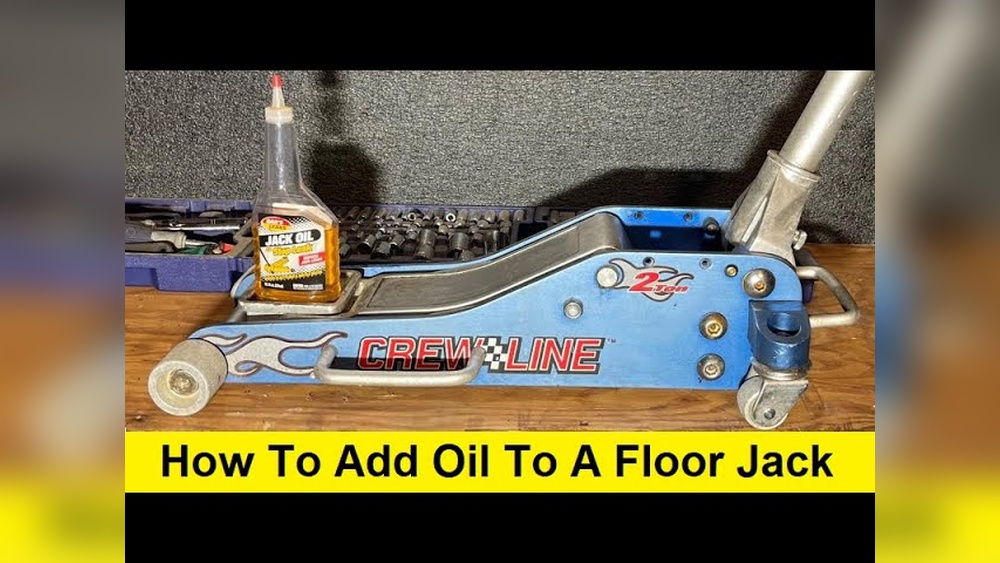
If you own a 4 ton hydraulic floor jack, you know how important it is to keep it in perfect working condition. But what happens when it stops lifting or starts leaking?
You might feel stuck, unsure how to fix it without spending a fortune on a replacement. The good news is, you can repair your jack yourself with simple steps that save you time and money. In this guide, you’ll discover easy, clear solutions to get your floor jack working like new again.
Keep reading, and by the end, you’ll have the confidence to tackle the repair on your own.
Common Hydraulic Jack Issues
Hydraulic floor jacks are essential tools for lifting heavy loads safely. Over time, these jacks may develop common problems that affect their performance. Knowing these issues helps you fix the jack quickly and avoid accidents.
Leaks And Fluid Loss
Hydraulic jacks use fluid to create pressure and lift loads. Leaks cause fluid loss and reduce lifting power. Check for wet spots or puddles under the jack. Worn seals or cracks in the cylinder often cause leaks. Replace seals or refill fluid to restore function.
Jack Not Lifting
The jack may fail to lift if the fluid level is low or air is trapped inside. Pump the handle several times to remove air. Also, check if the release valve is fully closed. Tighten or replace faulty parts to fix lifting issues.
Slow Or Uneven Lifting
Slow lifting can happen due to dirty hydraulic fluid or worn parts. Dirty fluid blocks smooth movement inside the jack. Flush and refill the fluid regularly. Uneven lifting may indicate bent or damaged components. Inspect and replace parts as needed for safe use.
Jack Not Holding Pressure
If the jack lowers under a load, it is not holding pressure. This usually results from worn seals or a faulty release valve. Test the valve and seals for leaks. Replace damaged parts to keep the jack stable and secure during use.
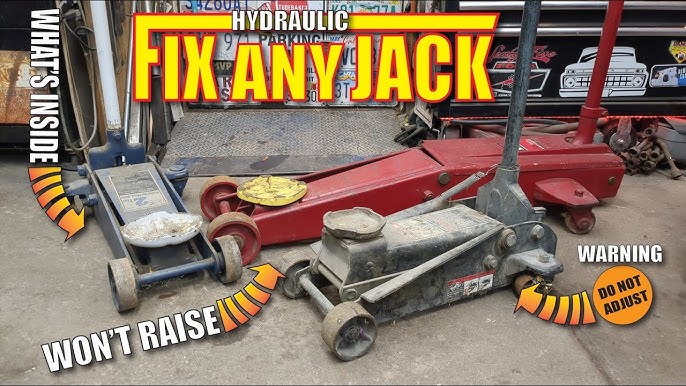
Credit: www.youtube.com
Tools And Materials Needed
Fixing a 4 ton hydraulic floor jack requires the right tools and materials. Having these ready saves time and helps the repair go smoothly. Each tool has a specific role. Each material supports the jack’s function and safety.
Basic Tool Kit
A basic tool kit is essential for most repairs. It should include a wrench set for loosening bolts. Screwdrivers help remove covers and panels. Pliers assist with gripping and bending parts. A hammer may be needed to tap stuck components gently. Clean rags are useful for wiping dirt and oil. A flashlight helps you see small or dark areas clearly.
Hydraulic Fluid Types
Hydraulic fluid keeps the jack working smoothly. Use the right fluid type to avoid damage. Most floor jacks require high-quality hydraulic oil. Avoid using brake fluid or engine oil. These can cause seals to fail. Check your jack’s manual for the recommended fluid. Keep the fluid clean and free of dirt. Regular fluid changes improve jack performance and lifespan.
Replacement Parts
Some repairs need new parts. Common parts include seals, valves, and pistons. Worn seals cause leaks and loss of pressure. Valves control the fluid flow and must be intact. Pistons move the lifting arm and must be smooth. Order parts that match your jack’s model. Using the correct parts ensures safety and proper function.
Safety Precautions
Working with a 4 ton hydraulic floor jack requires care and attention. Safety must come first to avoid injuries. Taking the right precautions protects you and your vehicle. Follow these key safety steps before starting any repair or lifting task.
Proper Jack Placement
Place the jack on a flat, solid surface. Avoid soft or uneven ground. Position the jack under the vehicle’s recommended lift points. Check your vehicle manual to find these spots. This ensures stability and prevents slipping or damage.
Using Safety Stands
Never rely on the jack alone to hold the vehicle. Use safety stands or jack stands to support the weight. Lower the vehicle slowly onto the stands. Make sure the stands are secure and stable before working underneath.
Protective Gear
Wear gloves to protect your hands from grease and sharp parts. Use safety glasses to shield your eyes from debris. Wear closed-toe shoes to protect your feet from falling objects. Safety gear helps prevent injuries during repairs.

Credit: oldhammam.co.uk
Fixing Fluid Leaks
Fixing fluid leaks is a key step in maintaining your 4 ton hydraulic floor jack. Leaks reduce lifting power and can damage the jack over time. Finding and fixing leaks keeps the jack working safely and smoothly. Follow these steps to fix fluid leaks effectively.
Identifying Leak Sources
Start by cleaning the jack thoroughly. Dirt can hide the leak spots. Check around seals, joints, and the hydraulic cylinder. Look for wet or oily areas. Use a flashlight to see small cracks or holes. Mark the leak areas to focus your repair efforts.
Replacing Seals And O-rings
Leaks often come from worn seals or O-rings. Remove the parts carefully using basic tools. Inspect the seals for cracks or damage. Replace old seals with new ones of the same size. Install O-rings securely to prevent fluid escape. Proper sealing stops future leaks and keeps pressure steady.
Refilling Hydraulic Fluid
After fixing leaks, check the hydraulic fluid level. Low fluid weakens the jack’s lifting power. Use the recommended hydraulic oil for your jack. Pour fluid slowly to avoid air bubbles. Fill to the correct level marked on the reservoir. Close the cap tightly to prevent new leaks.
Restoring Jack Lifting Power
Restoring the lifting power of a 4 ton hydraulic floor jack ensures safe and efficient operation. Over time, the jack may lose strength due to trapped air, faulty valves, or worn parts. Fixing these issues can bring back the jack’s full lifting ability. Simple steps can make a big difference in performance and safety.
Bleeding Air From The System
Air trapped inside the hydraulic system reduces lifting power. To bleed the air, open the release valve slightly. Pump the handle several times to force air out. Close the valve once no more bubbles appear in the fluid. This process restores smooth hydraulic pressure.
Adjusting The Release Valve
The release valve controls oil flow and pressure. If it is loose or too tight, lifting power suffers. Turn the valve clockwise to tighten and counterclockwise to loosen. Adjust slowly and test the jack after each turn. Proper valve setting improves lifting force and stability.
Inspecting And Replacing Pistons
Pistons wear out or get damaged with use. Check for rust, cracks, or leaks around the piston. Replace any faulty pistons with new ones made for your jack model. New pistons create a better seal and restore the jack’s full lifting strength.
Maintaining Your Hydraulic Jack
Maintaining your hydraulic floor jack is key to its long life and safe use. Regular care helps avoid breakdowns and keeps it working smoothly. Small efforts can save money and time on repairs.
Regular Fluid Checks
Check the hydraulic fluid often. Low fluid levels can cause the jack to fail. Use the correct type of fluid shown in the manual. Look for leaks and top up fluid as needed. Clean fluid keeps the jack lifting properly and safely.
Cleaning And Lubrication
Keep the jack clean from dirt and grime. Wipe it down after each use. Dirt can damage the seals and parts inside. Apply light oil to moving parts like wheels and hinges. Lubrication reduces wear and helps parts move freely.
Storage Tips
Store the jack in a dry place. Avoid damp spots to stop rust. Lower the jack fully before storing to reduce pressure on seals. Cover the jack to protect it from dust. Proper storage keeps your jack ready for work.
When To Seek Professional Help
Knowing when to seek professional help for your 4 ton hydraulic floor jack is important. Some problems are easy to fix. Others need expert skills and tools. Ignoring serious issues can cause damage or injury. Understanding the signs can save time and money.
Complex Mechanical Failures
Hydraulic jacks have many parts working together. Sometimes, internal seals or pistons break. These parts are hard to reach and replace. Complex failures can stop the jack from lifting properly. Professionals have the right tools to fix these issues safely.
Safety Concerns
Hydraulic jacks hold heavy weights. A small mistake can cause accidents. If the jack leaks fluid or won’t hold pressure, it is unsafe. Do not try to fix safety problems alone. Experts know how to handle dangerous repairs correctly.
Cost Vs. Replacement
Some repairs cost more than buying a new jack. Professionals can help decide if fixing is worth it. They can check the jack’s condition and give advice. Choosing replacement over repair may save money and ensure safety.

Credit: www.amazon.com
Frequently Asked Questions
How Do I Fix A Leaking 4 Ton Hydraulic Floor Jack?
To fix a leak, first identify the source. Tighten or replace seals and O-rings. Check hydraulic fluid level and refill if low. Clean any dirt or debris from seals. Test the jack after repairs to ensure no leaks remain.
Why Is My 4 Ton Floor Jack Not Lifting?
If your jack won’t lift, check for low hydraulic fluid. Bleed air from the system by opening the release valve. Inspect for damaged seals or pistons. Replace faulty parts to restore lifting function. Regular maintenance prevents this issue.
How Often Should I Service A Hydraulic Floor Jack?
Service your floor jack every 6 months or after heavy use. Regularly check hydraulic fluid, seals, and moving parts. Clean and lubricate as needed. Proper maintenance ensures safety, extends jack life, and prevents malfunctions.
Can I Use A 4 Ton Hydraulic Jack On Uneven Surfaces?
No, always use the jack on a flat, stable surface. Uneven ground risks jack slipping or tipping. For safety and proper lifting, place jack on solid, level ground only.
Conclusion
Fixing a 4 ton hydraulic floor jack is easier than it seems. Follow each step carefully and take your time. Regular maintenance helps keep the jack working well. Always check for leaks and clean parts often. Safety matters most—wear gloves and work on a flat surface.
With patience and the right tools, you can fix your jack at home. This saves money and extends the life of your equipment. Keep practicing these simple tips to stay confident in your repairs. You will feel proud when your jack works like new again.