Choosing the right wall anchor for your drywall can feel confusing. You want your shelves, pictures, or hooks to stay secure without damaging your walls.
But with so many options out there, how do you know which one is best for your project? In this guide, you’ll discover simple tips to pick the perfect wall anchor that matches your needs. By the end, you’ll feel confident hanging anything safely and easily.
Keep reading to find out exactly how to make the right choice every time.
Types Of Drywall Anchors
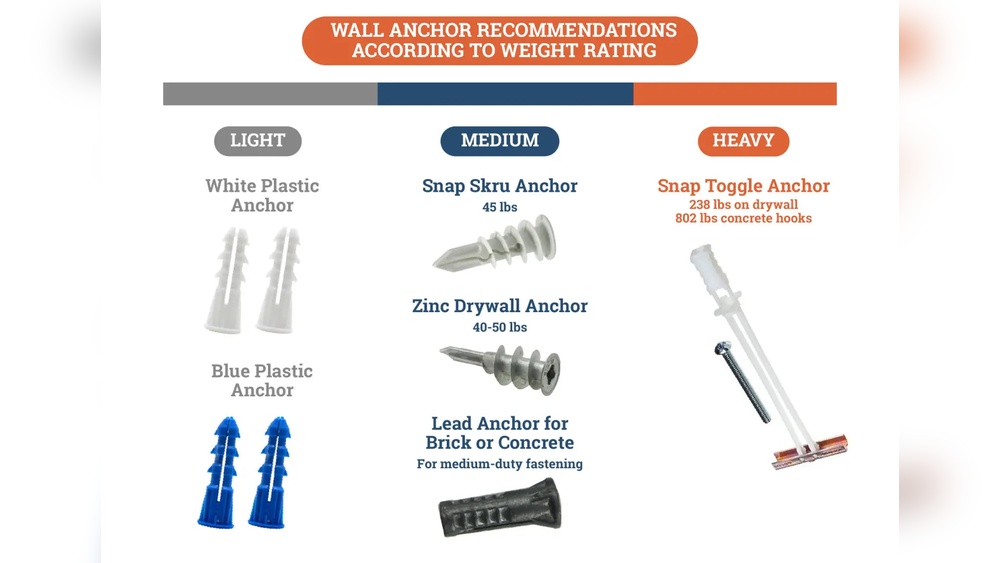
Choosing the right drywall anchor is key for a secure hold. Drywall anchors come in different types. Each type works best for specific tasks and weights. Knowing these types helps you pick the right one.
Plastic Expansion Anchors
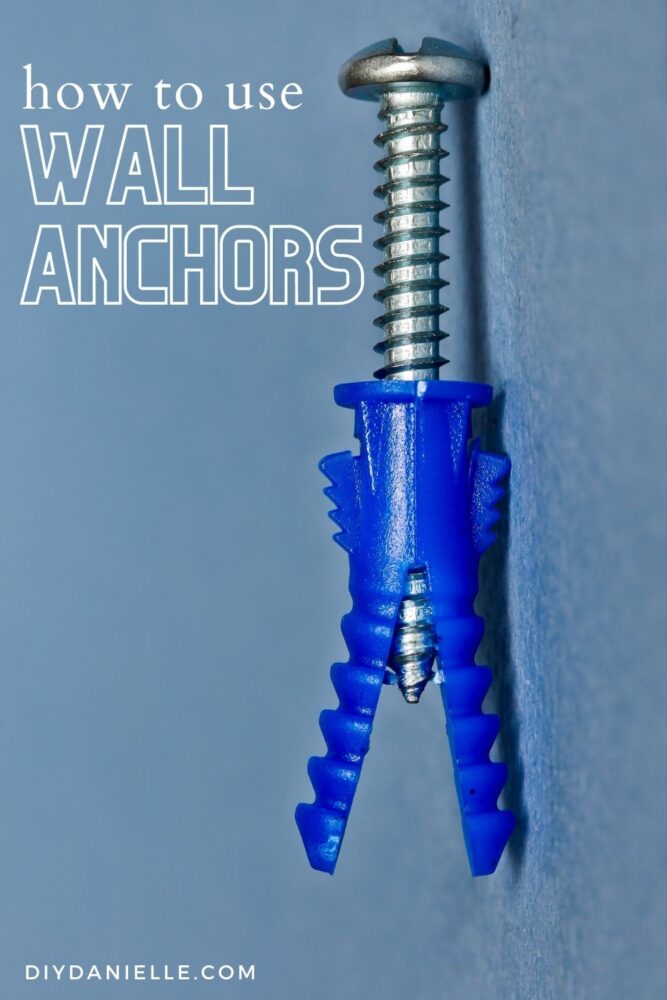
Plastic expansion anchors are simple and common. They work well with light objects. These anchors expand when a screw is driven in. This creates a tight fit in the drywall. Use them for small pictures or light shelves.
Self-drilling Anchors
Self-drilling anchors do not need a pilot hole. They have sharp threads to cut into drywall. These anchors hold medium weight items. Installation is quick and easy. They are perfect for curtain rods or small mirrors.
Toggle Bolts
Toggle bolts are strong and reliable. They use metal wings that open inside the wall. This spreads the load over a large area. Toggle bolts hold heavy items like large shelves. They need a bigger hole for installation.
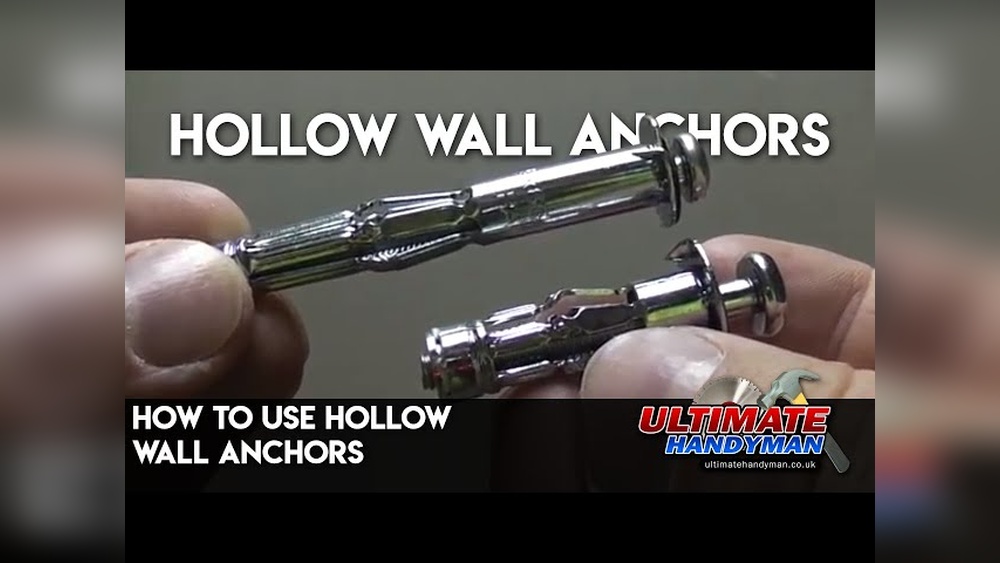
Molly Bolts
Molly bolts are metal anchors that expand behind the drywall. They offer firm support and do not move. Ideal for medium to heavy objects. Molly bolts provide a secure hold for cabinets or TV mounts.
Threaded Drywall Anchors
Threaded drywall anchors screw directly into drywall. They have wide threads for good grip. These anchors hold medium weight items well. They are easy to remove without damage. Use them for towel racks or light fixtures.
Factors To Consider
Choosing the right wall anchor for drywall depends on several key factors. These factors help ensure your item stays secure and your wall remains undamaged. Understanding these points makes your project easier and safer.
Weight Capacity
Check the weight of the item you want to hang. Each wall anchor has a weight limit. Use an anchor that can hold more than your item weighs. This prevents damage and keeps your item stable on the wall.
Wall Thickness
Measure your drywall thickness before buying anchors. Some anchors fit only thin drywall. Others work well with thicker walls. Matching the anchor to your wall thickness ensures a strong hold.
Type Of Load
Think about how the load pulls on the anchor. Is it a straight pull or a sideways force? Different anchors handle forces in different ways. Pick an anchor designed for your load type to avoid failure.
Ease Of Installation
Some anchors need special tools or skills. Others are simple to install by hand. Choose an anchor that matches your comfort level and tools available. Easy installation saves time and effort.
Removal And Reusability
Consider if you will remove the anchor later. Some anchors leave big holes or damage the drywall. Others remove cleanly and can be reused. Choose based on how permanent your hanging needs to be.
Choosing Anchors By Application
Choosing the right wall anchor depends on what you want to hang or mount. Different items need different support levels. Picking the right anchor ensures your item stays secure and your wall stays safe. Consider the weight and type of item before deciding.
Hanging Pictures And Frames
Lightweight pictures need simple plastic anchors or small metal ones. These hold frames without damaging drywall. For medium-weight frames, use toggle bolts or molly bolts. They spread the load and prevent holes from tearing.
Mounting Shelves
Shelves carry more weight and need strong anchors. Use heavy-duty anchors like toggle bolts or metal molly bolts. These provide firm grip and keep shelves stable. Check the shelf weight to pick the right size anchor.
Securing Heavy Fixtures
Heavy fixtures need the strongest anchors available. Use metal toggle bolts or anchors designed for heavy loads. These anchors hold weight without pulling out. Always check the anchor’s weight rating before installing.
Installing Tv Brackets
TV brackets need very strong anchors for safety. Use heavy-duty toggle bolts or anchors made for drywall and studs. Secure the bracket firmly to avoid accidents. Make sure the anchor matches the TV size and weight.
Credit: diydanielle.com
Tools Needed For Installation
Choosing the right wall anchor for drywall is only part of the job. Proper tools make the installation smooth and safe. Having the correct tools ensures the anchor holds firmly and your item stays secure on the wall.
Below are the essential tools needed for installing wall anchors in drywall. Each tool plays a key role in different steps of the process.
Drill And Drill Bits
A drill helps create holes for the wall anchors. Use drill bits that match the anchor size. This prevents the hole from being too big or too small. A steady drill speed keeps the wall intact and stops damage.
Screwdrivers
Screwdrivers drive screws into the wall anchors. Choose the correct type: flathead or Phillips. Using the right screwdriver stops stripping the screw head. It also helps tighten the screw firmly without slipping.
Stud Finders
Stud finders locate wooden studs behind drywall. Anchors work best when placed near a stud for extra support. This tool saves time and avoids drilling in weak spots. It helps pick the safest spot on the wall.
Measuring Tools
Measuring tools like tape measures or rulers ensure precise placement. Marking exact spots avoids crooked or uneven mounting. Proper measuring keeps your project looking neat and professional. It also prevents unnecessary holes in the drywall.
Common Mistakes To Avoid
Choosing the right wall anchor for drywall requires care. Many make simple mistakes that weaken the hold. Avoiding these errors ensures your items stay secure and the wall stays safe.
Overloading Anchors
Each anchor has a weight limit. Putting too much weight on an anchor can cause it to fail. This leads to holes and damage. Always check the anchor’s weight rating before use. Match the anchor to the item’s weight. Never guess or assume the anchor can hold more.
Ignoring Wall Material
Drywall is different from plaster or concrete. Using the wrong anchor for the wall material causes poor grip. Some anchors work only in drywall. Others fit better for solid walls. Identify your wall type before choosing an anchor. This step prevents mistakes and damage.
Improper Anchor Size
Anchors come in many sizes. A small anchor for a heavy item will not hold. A large anchor in thin drywall can cause cracks. Pick the right size for the hole and weight. Measure carefully and follow instructions. Proper sizing improves strength and safety.
Skipping Stud Checks
Studs give strong support inside walls. Many skip finding studs and rely only on anchors. Anchors alone may not hold heavy items well. Use a stud finder to locate studs. For heavy loads, screw directly into studs for best support. This step avoids unnecessary damage and accidents.
Credit: www.homedepot.com
Tips For Stronger Holds
Choosing the right wall anchor is only part of the process. Ensuring a stronger hold is just as important. Small steps can make a big difference in the durability of your mounted items. These tips help improve the grip and stability on drywall.
Using Multiple Anchors
Use more than one anchor for heavier objects. Spread them evenly to share the weight. This reduces stress on a single point. Multiple anchors prevent the drywall from cracking or breaking.
Pre-drilling Holes
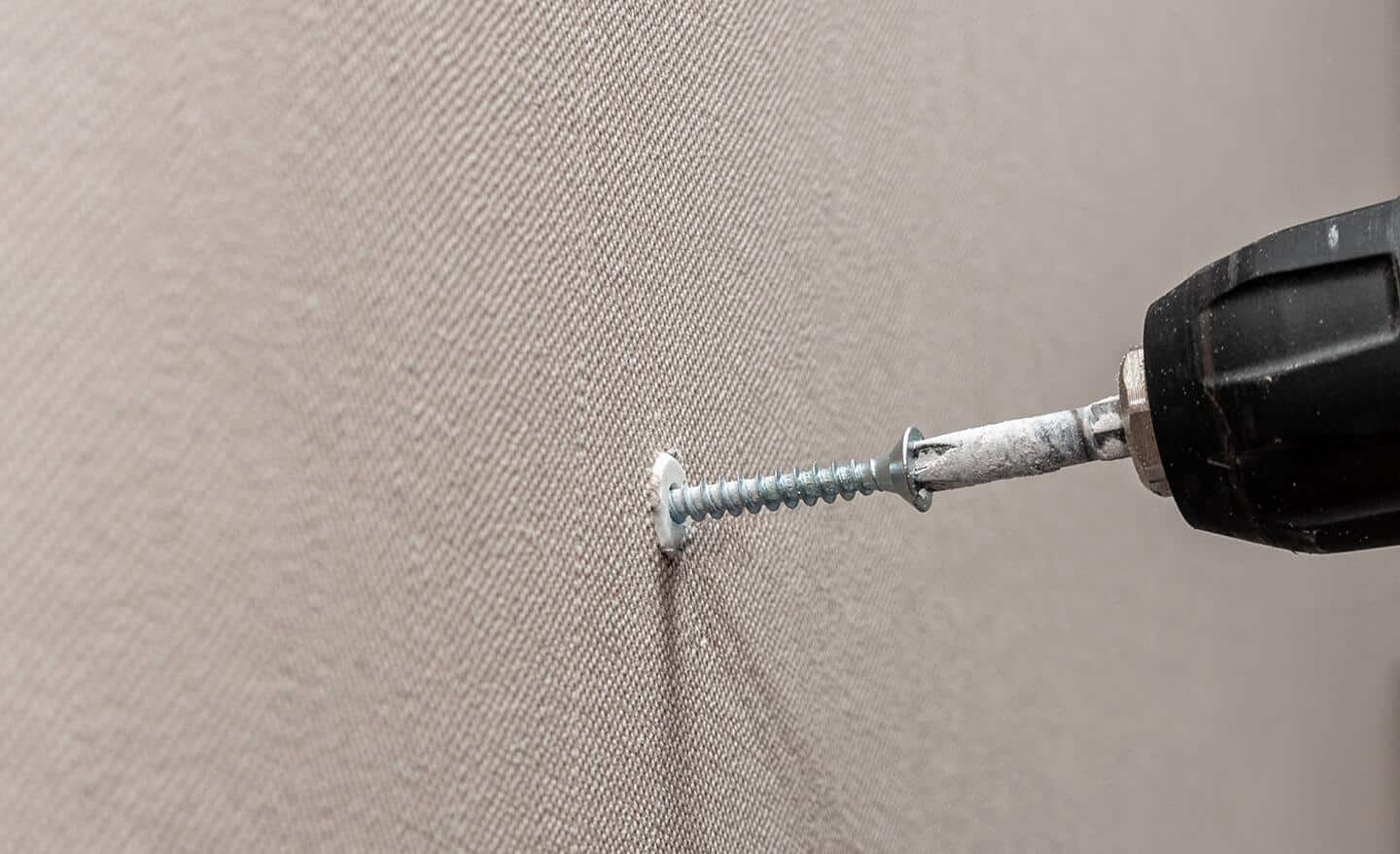
Drill small pilot holes before inserting anchors. This makes it easier to place anchors correctly. Pre-drilling reduces the chance of drywall damage. It also helps anchors fit tightly for a secure hold.
Selecting Quality Anchors
Choose anchors made from strong materials like metal or heavy-duty plastic. Cheap anchors can break or slip out. Quality anchors give better support and last longer. Check the weight rating to match your needs.
Regular Inspection
Check your anchors regularly for signs of wear or loosening. Tighten or replace them if needed. Early checks prevent accidents and damage. Regular care keeps your mounted items safe and steady.

Credit: www.wikihow.com
Frequently Asked Questions
What Types Of Wall Anchors Work Best For Drywall?
Plastic expansion anchors are common for light loads. Toggle bolts and molly bolts suit medium to heavy loads. Choose based on weight and wall thickness for secure mounting.
How Do I Determine The Right Size Wall Anchor?
Select an anchor size that matches your screw size. Check the product guidelines for weight limits. Ensure the anchor fits snugly in the drywall hole.
Can I Use Wall Anchors For Heavy Items?
Yes, heavy items require strong anchors like toggle bolts or molly bolts. These distribute weight across a wider area. Always verify the anchor’s weight rating before use.
How Do I Install A Drywall Anchor Correctly?
Drill a hole slightly smaller than the anchor. Insert the anchor flush with the wall surface. Screw into the anchor until secure but avoid overtightening.
Conclusion
Choosing the right wall anchor keeps your items safe and secure. Match the anchor to the weight and type of your item. Consider the drywall thickness and the wall’s condition too. Simple anchors work for light objects, while heavy items need stronger support.
Taking time to pick the correct anchor prevents damage and accidents. A good choice saves effort and money later. Always follow instructions for the best results. Your walls will thank you with lasting strength.