Have you ever tried hanging something heavy on a wall, only to worry it might fall? Hollow wall anchors are the secret tool that can make your job easier and safer.
Understanding how these little devices work can save you time, money, and frustration. You’ll discover exactly what makes hollow wall anchors so reliable and how to use them like a pro. Ready to learn the simple trick that keeps your shelves, mirrors, and artwork firmly in place?
Let’s dive in.
Types Of Hollow Wall Anchors
Hollow wall anchors come in different types. Each type fits specific needs and wall materials. Knowing these types helps choose the right anchor for your project. Here are the common types of hollow wall anchors.
Toggle Bolts
Toggle bolts have a spring-loaded wing that opens behind the wall. This wing spreads the load over a larger area. They hold heavy objects securely. Suitable for drywall and hollow walls.
Molly Bolts
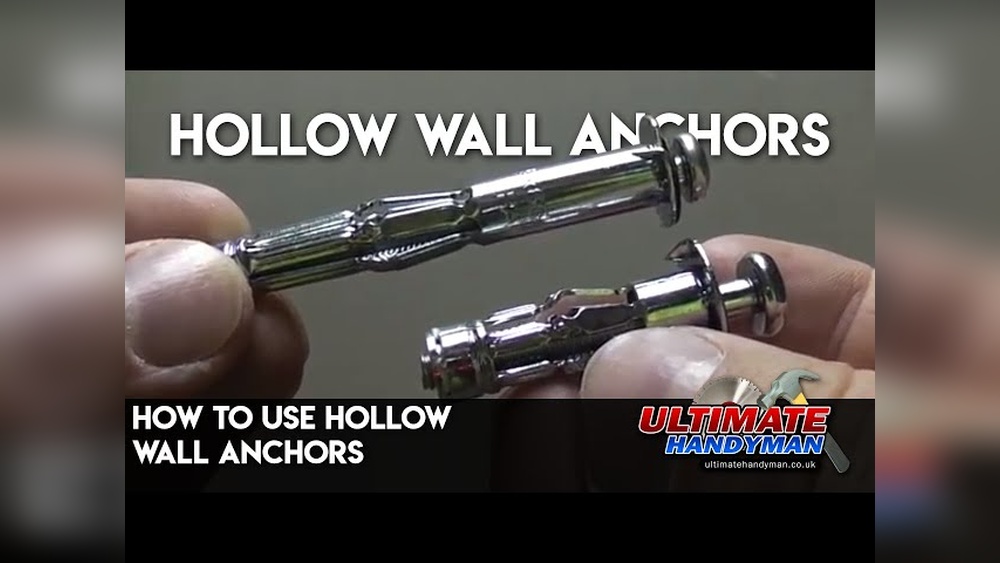
Molly bolts expand inside the wall when tightened. This creates a strong grip on the hollow space. They provide a firm hold for medium-weight items. Often used in plaster or drywall.
Spring Toggle Anchors
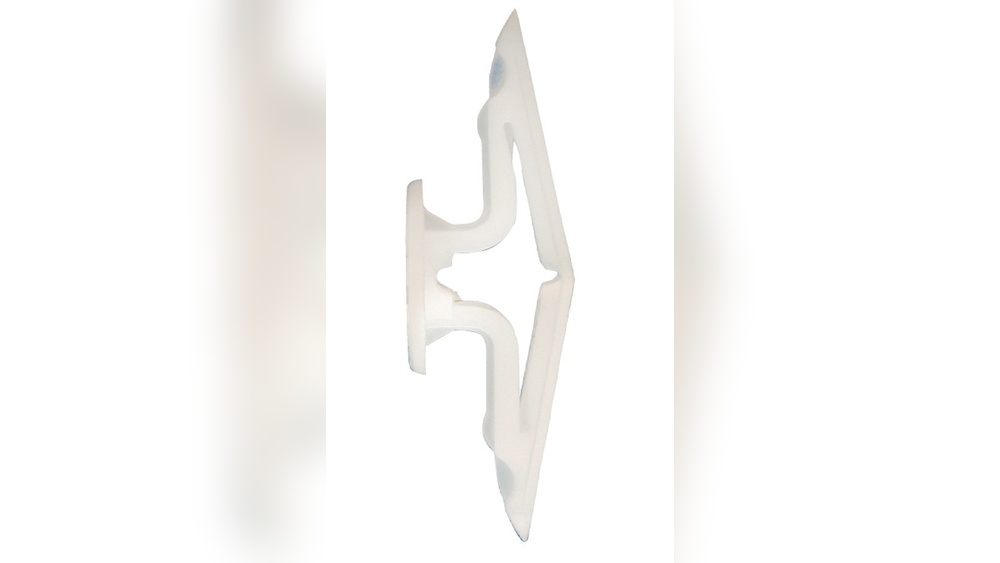
Spring toggle anchors use a metal toggle with springs. The toggle folds to fit through the hole. It then springs open behind the wall. Ideal for heavy loads on hollow walls.
Plastic Expansion Anchors
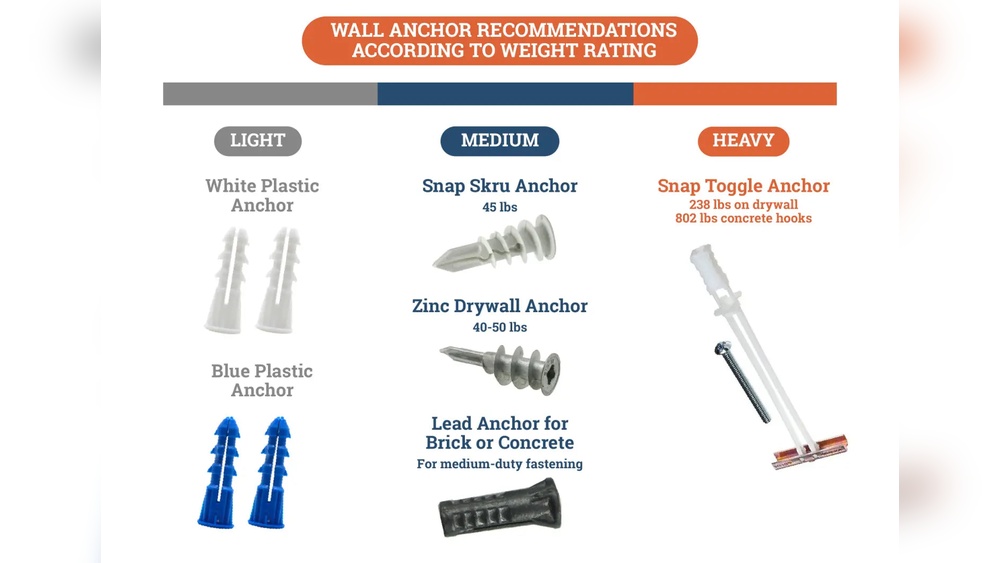
Plastic expansion anchors expand when a screw is driven in. They work best for light to medium loads. Common for lightweight fixtures on drywall and plaster.
Materials And Tools Needed
To install hollow wall anchors properly, you need the right materials and tools. These help ensure a secure hold in drywall or hollow walls. Using the correct items also makes the job easier and faster.
Below are the key materials and tools you need to prepare before starting your project.
Anchor Selection
Choose anchors designed for hollow walls, such as toggle bolts or molly bolts. Select the right size based on the weight of the object to hang. Plastic anchors work for light loads, metal anchors for heavier items.
Drill And Drill Bits
A power drill is essential to create holes for the anchors. Use drill bits that match the anchor size exactly. A clean hole helps the anchor fit snugly and hold firmly in the wall.
Screwdrivers And Wrenches
Use a screwdriver to tighten screws into the anchors. Flathead or Phillips screwdrivers fit most anchors. Some anchors may require a wrench or pliers to expand or secure properly inside the wall.
Step-by-step Installation Process
The step-by-step installation process of hollow wall anchors is simple and clear. It helps you fix objects securely to hollow walls like drywall or plasterboard. Follow each step carefully for strong, lasting support.
Measuring And Marking
Start by deciding where to place the anchor. Use a pencil to mark the exact spot on the wall. Measure twice to ensure the mark is in the right position. Accurate marking prevents mistakes later.
Drilling The Hole
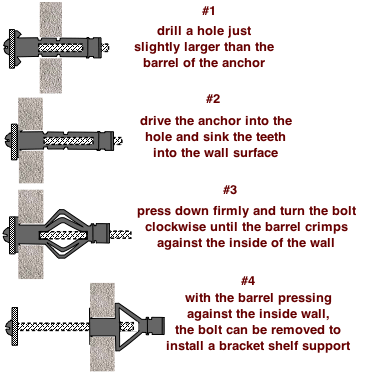
Select a drill bit that matches the anchor size. Drill a hole at the marked spot. Drill straight and avoid making the hole too big. Clean out any dust or debris from the hole.
Inserting The Anchor
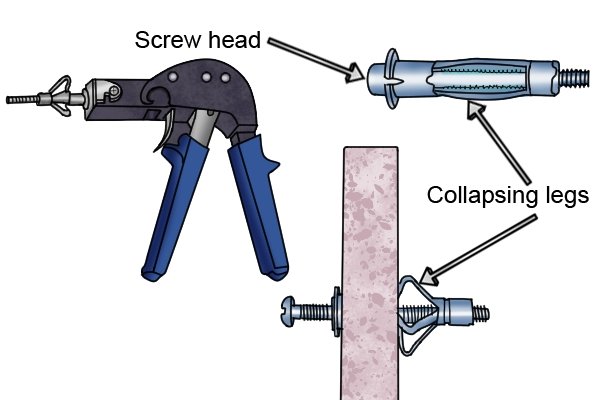
Push the hollow wall anchor into the hole. Tap it gently with a hammer if needed. Make sure the anchor sits flush with the wall surface. The anchor should fit snugly, not loose.
Securing The Fixing
Place the screw or bolt through your item and into the anchor. Tighten it slowly using a screwdriver. The anchor expands behind the wall as you tighten. This holds the fixing firmly in place.
Credit: www.wonkeedonkeetools.co.uk
How Anchors Distribute Load
Hollow wall anchors spread the weight of attached objects across a wider area. This reduces pressure on the wall and prevents damage. The key lies in how these anchors expand and hold tight within the hollow space behind the wall surface.
Expanding Mechanism
The anchor has parts that open up inside the wall. When you tighten the screw, the anchor expands. This creates a firm grip against the inside of the wall. The wider spread holds the anchor securely in place.
Load Bearing Surface
The expanded anchor presses against a large area inside the wall. This surface shares the load evenly. It stops the weight from focusing on one small spot. This helps the wall carry heavier items safely.
Preventing Wall Damage
Spreading the load reduces stress on the wall material. The anchor’s wide grip stops cracks and breaks. It protects the wall from damage during and after installation. This ensures the wall stays strong for a long time.
Common Mistakes To Avoid
Hollow wall anchors are useful for hanging items on drywall or hollow walls. Many users make simple mistakes that reduce anchor strength and safety. Avoid these common errors to ensure your anchors hold well and last long.
Wrong Anchor Size
Choosing the wrong size anchor weakens the hold. Too small anchors may pull out under weight. Too large anchors can damage the wall or not fit properly. Always match the anchor size to the screw and wall thickness.
Over-tightening Screws
Over-tightening screws can break the anchor or crush the wall material. Tighten screws just enough to hold the item firmly. Stop when you feel resistance. This keeps the anchor secure without damage.
Incorrect Hole Depth
Drilling holes too shallow or too deep causes problems. Shallow holes prevent the anchor from expanding fully. Deep holes make the anchor loose inside the wall. Use a drill stop or measure carefully for the right hole depth.
Tips For Stronger Fixings
Strong fixings are key to safe and lasting wall attachments. Hollow wall anchors need careful handling for best results. Small steps can make a big difference in strength and durability. Focus on the right anchor, proper tools, and regular checks to keep your fixings secure.
Choosing The Right Anchor For Material
Different walls need different anchors. Drywall, plaster, and hollow blocks vary in strength. Select an anchor designed for your wall type. Using the wrong anchor can cause slipping or damage. Check the packaging for material recommendations. Match the anchor size to the weight of your object. A good fit means better grip and safety.
Using Quality Tools
Good tools make installation easier and stronger. Use a proper drill bit size for your anchor. Avoid forcing the anchor into the hole. A slow, steady push helps the anchor set right. Use a screwdriver that fits the anchor screw well. This prevents slipping and stripping. Clean holes free of dust before inserting anchors. Proper tools save time and improve results.
Regular Inspection And Maintenance
Check your fixings often to keep them secure. Look for signs of loosening or damage. Tighten screws if they feel loose. Replace anchors if the wall shows cracks or holes. Regular care extends the life of your fixings. A quick check can prevent accidents and repairs. Stay safe with simple, regular maintenance.
Applications And Best Uses
Hollow wall anchors are useful for many home projects. They hold objects firmly on drywall or hollow walls. These anchors spread the load behind the wall, making the fix strong and reliable. Knowing the best uses helps you choose the right anchor and avoid damage.
Mounting Shelves
Hollow wall anchors support shelves on drywall safely. They hold the weight evenly and prevent shelves from falling. Use anchors rated for the shelf’s weight. Perfect for lightweight to medium shelves in living rooms or kitchens.
Hanging Heavy Frames
Heavy picture frames need strong support. Hollow wall anchors keep frames steady without wall damage. Choose anchors that match the frame’s weight. They work well in homes and offices to display art or photos securely.
Installing Fixtures
Light fixtures, curtain rods, and towel racks need solid mounts. Hollow wall anchors provide a firm hold in hollow walls. They stop fixtures from loosening over time. Ideal for bathrooms, bedrooms, and living spaces to keep items stable.

Credit: www.youtube.com
Credit: www.do-it-yourself-help.com
Frequently Asked Questions
What Are Hollow Wall Anchors Used For?
Hollow wall anchors secure items to drywall or hollow walls. They provide strong support where studs are absent. These anchors prevent damage and hold objects firmly in place.
How Do Hollow Wall Anchors Hold Weight?
They expand behind the wall surface, creating a firm grip. This expansion distributes weight evenly, preventing pull-out. Their design ensures reliable support for hanging objects.
Can Hollow Wall Anchors Be Reused?
Most hollow wall anchors are single-use only. Removing them usually damages the anchor or wall. For best results, use a new anchor when rehanging.
What Materials Are Hollow Wall Anchors Compatible With?
They work best with drywall, plaster, and hollow concrete blocks. They are not suitable for solid wood or brick walls. Choosing the right anchor ensures proper hold and safety.
Conclusion
Hollow wall anchors hold objects securely on walls. They spread inside the wall for strong support. Using the right anchor is key for safety. Always match anchors with the wall type. This prevents damage and keeps items in place. Understanding how they work helps you choose well.
Simple tools and steps make installation easy. Now, you can hang shelves, pictures, or mirrors confidently. Give your walls the support they need. Solid, safe, and reliable—anchors do the job right.