Have you ever found yourself locked out, staring at a stubborn deadbolt that just won’t budge? It’s frustrating, stressful, and can leave you feeling stuck.
But what if you knew simple, effective ways to get past that deadbolt without causing damage or calling for expensive help? You’ll discover easy-to-follow methods that anyone can use to unlock a deadbolt quickly and safely. Keep reading, because unlocking your door might be easier than you think—and you’ll want to know these tips before you face another lockout.

Credit: www.youtube.com
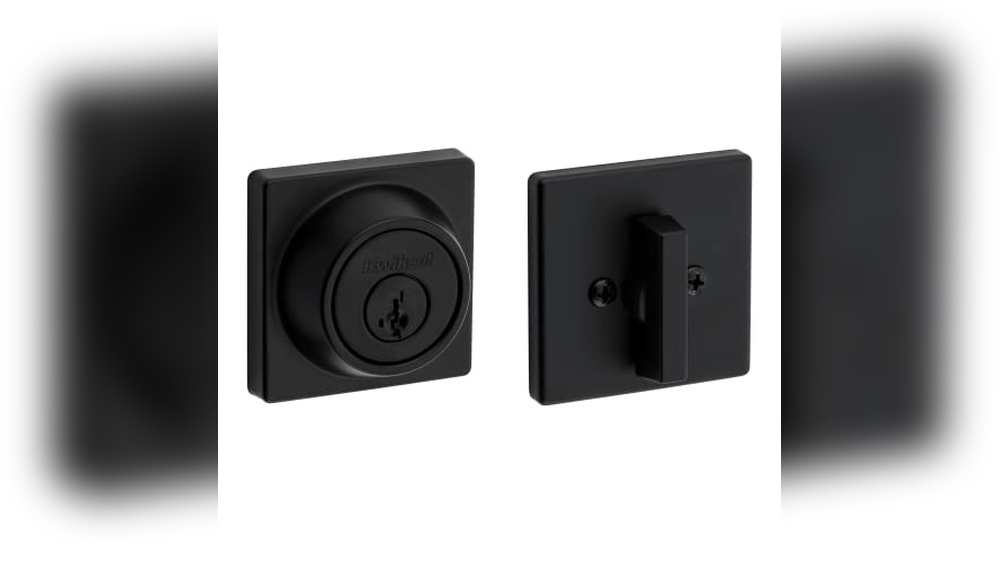
Types Of Deadbolts
Deadbolts come in different types. Each type offers unique security features. Understanding these types helps in handling or bypassing them if necessary. Here are the main deadbolt types you might encounter.
Single Cylinder Deadbolts
Single cylinder deadbolts use a key on the outside. Inside, they have a thumb turn to lock or unlock. This type is common on many doors. It is easy to use and install. But it can be vulnerable if there is a window near the door.
Double Cylinder Deadbolts
Double cylinder deadbolts require a key both outside and inside. There is no thumb turn inside. This adds extra security. It prevents someone from opening the door from inside without a key. This type is used where windows are close to the door.
Keyless Deadbolts
Keyless deadbolts use a code or fingerprint. No physical key is needed. They are convenient and fast to use. Some models connect to smartphones for control. They provide good security but need power to work.

Credit: www.reddit.com
Essential Tools For Entry
Getting past a deadbolt requires specific tools. These tools help manipulate the lock without damage. Knowing each tool and its use is key. Below are three essential tools for entry.
Lock Picks And Tension Wrenches
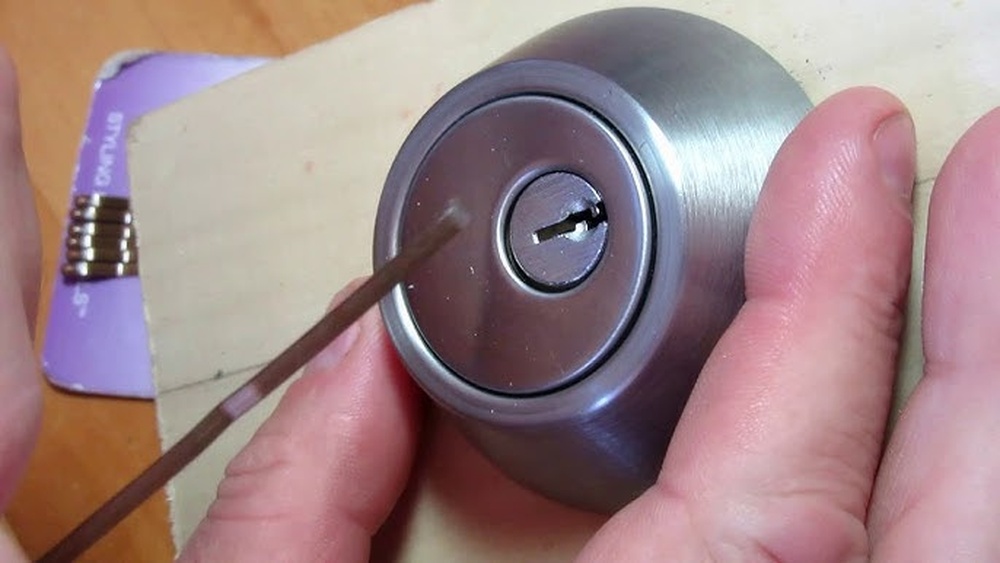
Lock picks are thin tools used to move the pins inside a lock. Tension wrenches apply slight pressure to turn the lock cylinder. Together, they help align the pins to open the lock. This method needs patience and a steady hand.
Bump Keys
Bump keys are special keys cut to fit many locks. They work by “bumping” the pins inside the lock to the shear line. A small force or tap is applied to the bump key to unlock. This tool works best on standard pin tumbler locks.
Credit Card Method
The credit card method uses a flexible card to slip between the door and frame. It pushes the latch back, allowing the door to open. This works only on spring bolt locks, not deadbolts with a solid bolt. Use a sturdy card to avoid damage.
Picking A Deadbolt
Picking a deadbolt is a delicate skill. It involves understanding the lock’s inner parts. Patience and steady hands help a lot. The main goal is to move the pins inside the lock to the right spots. This lets the lock turn open without a key. The process needs care and focus.
Setting The Tension
Start by applying light pressure to the lock’s tension wrench. This pressure holds the pins in place. Too much force can make the pins stick. Too little pressure can make the pins reset. The right tension feels like a soft resistance. It allows the pins to move one by one.
Manipulating The Pins
Use a pick tool to lift each pin inside the lock. Feel for pins that are stuck. Lift them gently until they click into place. Each click means a pin is set correctly. Work slowly from one side to the other. Avoid rushing to prevent breaking the pins.
Common Challenges
Some deadbolts have hardened pins. They resist picking and need extra care. Springs inside the lock can make pins jump back. Dirt or rust may block smooth pin movement. Practice and patience overcome most problems. Understanding these challenges helps improve your skill.

Credit: www.wikihow.com
Using A Bump Key
A bump key is a special key used to open pin tumbler locks, including deadbolts. It works by “bumping” the pins inside the lock to the shear line. This technique requires precision and care. It can be effective without damaging the lock.
Using a bump key needs some practice. Understanding how the key fits and how to apply force is important. This method is popular because it is quick and does not require complex tools.
Preparing The Bump Key
Choose the right bump key for your lock type. It should fit the lock’s keyway perfectly. Clean the key to remove dirt or rust. Cut the key to the correct length if needed. Check that the key teeth are smooth and sharp. This helps the pins move easily inside the lock.
Executing The Bump
Insert the bump key fully into the lock. Pull it out slightly to create a small gap. Hold the key firmly to prevent it from slipping. Use a small hammer or similar tool to tap the key sharply. The force moves the pins to the shear line. Turn the key quickly while tapping. This action opens the lock if done correctly.
Safety Precautions
Use bump keys only on locks you own or have permission to open. Avoid forcing the key, as this can break the lock or key. Wear safety glasses to protect your eyes from flying debris. Practice in a safe area to avoid damage or injury. Respect laws and regulations regarding lock picking in your area.
Alternative Quick Entry Methods
Deadbolts are tough to open without a key. Sometimes, quick entry methods come in handy. These ways can help you get inside fast and with less damage. Here are some alternative quick entry methods you might try.
Bypassing The Strike Plate
The strike plate holds the deadbolt in place. You can try slipping a thin tool between the door and frame. This may push the bolt back inside. It works best on older doors or weak frames. Use a credit card or similar plastic tool. Insert it near the bolt and wiggle gently. This method needs patience and a careful hand.
Drilling The Lock
Drilling is a last resort method. It destroys the lock but lets you open the door. Use a power drill with a metal bit. Drill directly into the lock cylinder. This breaks the pins inside and frees the bolt. Wear safety glasses and work slowly. Drilling causes permanent damage to the lock. Afterward, replace the lock to keep your home safe.
Calling A Locksmith
A locksmith has the right tools and skills. They open deadbolts quickly without much damage. Professionals handle all lock types and brands. This method is safe and reliable. It costs more than DIY methods but saves time. Locksmiths also offer lock repair and replacement services. Choose this option for emergencies or tough locks.
Preventing Damage During Entry
Getting past a deadbolt without causing damage is important. Careless attempts can harm the door or lock. This makes repairs costly and slow. Protecting both the door and lock helps save money and time. It also keeps your home secure.
Minimizing Door Damage
Use tools gently to avoid scratches or dents. Avoid forcing the door or lock. Apply steady, light pressure instead of strong force. Work slowly and carefully to keep the door intact. Check your tools before use to prevent slips. Keep the door frame stable to reduce stress on hinges.
Avoiding Lock Mechanism Breakage
Understand how the lock works before you start. Use proper tools designed for deadbolt locks. Do not twist or push too hard inside the lock. Small, precise movements cause less damage. If stuck, pause and reassess your approach. Breaking the lock means costly replacement and more trouble.
Legal And Ethical Considerations
Understanding the legal and ethical side of getting past a deadbolt is very important. Not every situation allows you to open a locked door. Knowing the rules helps you avoid serious trouble. Respect for others’ property and privacy must come first. This section explains when it is okay to enter and how to stay safe from legal issues.
When Entry Is Permissible
Entry is allowed only in certain situations. For example, you can enter your own home or property. You may also enter if you have clear permission from the owner. Emergency cases, like helping someone in danger, also allow entry. Always confirm you have the right to enter before trying to open a deadbolt. Avoid entering places without permission to stay within the law.
Avoiding Legal Trouble
Breaking a lock without permission can lead to fines or jail time. Always ask the owner for permission first. Use a professional locksmith to avoid damage or suspicion. Keep records of permission in case of disputes. Never try to enter private property without clear rights. Following rules protects you from legal problems and maintains trust.
Frequently Asked Questions
How Can I Unlock A Deadbolt Without A Key?
You can use a bump key, lock pick, or credit card to unlock a deadbolt. Each method requires specific skills and tools. Always ensure you have legal permission before attempting these techniques.
What Tools Are Needed To Bypass A Deadbolt Lock?
Common tools include lock picks, tension wrenches, bump keys, and credit cards. Proper knowledge of lock mechanics improves success rates. Using the right tools is essential for safe and effective deadbolt bypassing.
Is It Legal To Get Past A Deadbolt Lock?
Bypassing a deadbolt without permission is illegal and considered breaking and entering. Always have proper authorization before attempting to unlock any door. When in doubt, consult a locksmith or law enforcement.
Can I Open A Deadbolt Lock With A Credit Card?
A credit card may open spring bolt locks but usually not deadbolts. Deadbolts are designed for extra security and resist card entry. Alternative methods like lock picking are often necessary for deadbolts.
Conclusion
Getting past a deadbolt takes patience and the right tools. Practice helps improve your skill and speed. Always choose safe and legal methods to avoid trouble. Remember, understanding how deadbolts work can save time. Stay calm and focused during the process.
Keep learning and stay safe when handling locks. This knowledge can be useful in emergencies. Use these tips wisely and respect others’ property.