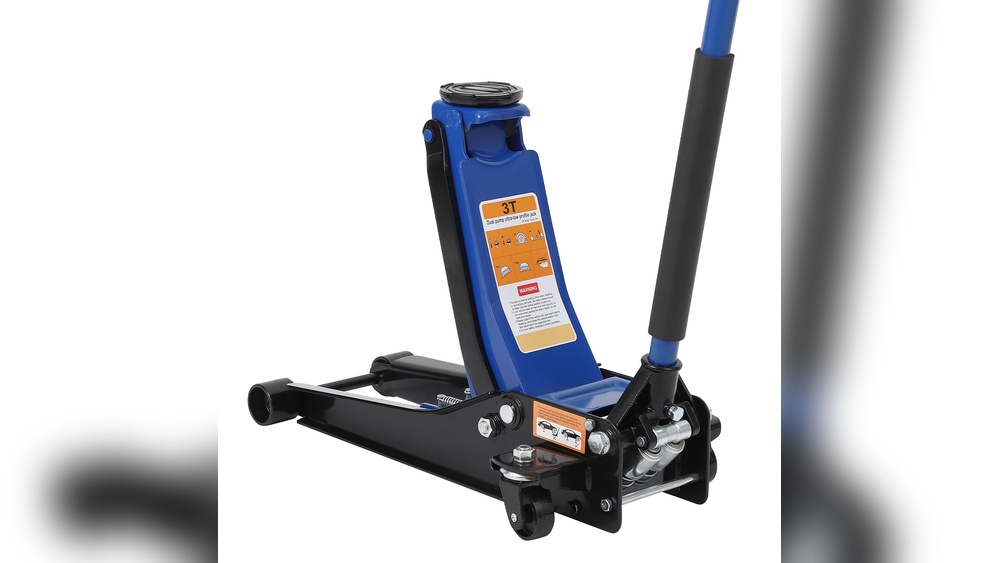
When it comes to lifting heavy objects safely, positioning your floor jack correctly is key. If you don’t place it under the right spot, you risk damaging your vehicle or, worse, causing an accident.
You want to make sure your jack holds steady and supports the load perfectly every time. In this guide, you’ll learn simple, clear steps to position your floor jack under load with confidence. By the end, you’ll know exactly how to protect yourself and your equipment while getting the job done smoothly.
Keep reading—your safety and success depend on it.
Choosing The Right Floor Jack
Choosing the right floor jack is essential for safe and effective lifting. The right jack supports your vehicle’s weight without slipping or breaking. It also fits the space under your car and works well with your tools. Knowing the types and weight limits helps you pick the best jack.
Types Of Floor Jacks
There are several types of floor jacks. The most common is the hydraulic floor jack. It uses fluid pressure to lift heavy loads smoothly and easily. Another type is the scissor jack, which is smaller and manual. It works well for light vehicles and emergencies. Bottle jacks have a strong vertical lift but need more space. Choose a type that fits your vehicle and work area.
Weight Capacity Considerations
Check the weight capacity before buying a floor jack. The jack must hold more than your vehicle’s weight. Never use a jack rated below your car’s weight. Too little capacity can cause the jack to fail. Look for jacks with clear weight limits on the label. Always choose a jack with extra capacity for safety.

Credit: www.amazon.sa
Preparing The Vehicle And Work Area
Preparing the vehicle and work area is the first step in safely using a floor jack. This stage ensures stability and prevents accidents. Careful preparation makes the lifting process smooth and secure.
Securing The Vehicle
Start by parking the vehicle on a flat, solid surface. Avoid slopes or uneven ground. Apply the parking brake firmly to stop any movement. Place wheel chocks behind the wheels that stay on the ground. This stops the vehicle from rolling. Check that the vehicle is completely still before lifting.
Clearing The Work Zone
Remove any objects near the vehicle that could cause tripping. Keep tools and parts organized and away from the jack path. Make sure there is enough space to work comfortably. Good lighting helps you see clearly. A clear zone reduces risks and helps keep focus on the task.
Locating Proper Jack Points
Locating proper jack points is vital for safe lifting. Placing a floor jack correctly prevents damage and accidents. It ensures the load stays stable during the lift. Knowing the right spots helps protect your vehicle and yourself.
Manufacturer’s Recommendations
Always check the vehicle’s manual first. It shows exact jack points designed by the maker. These spots support the vehicle’s weight safely. Using these points prevents frame damage. Manuals often have pictures for easy reference. Follow these guidelines strictly for safe lifting.
Avoiding Weak Spots
Never place the jack on soft or rusted areas. Weak spots can bend or break under pressure. Avoid plastic parts or thin metal panels. These cannot hold the vehicle’s weight. Look for solid metal parts like the frame or reinforced areas. This reduces the risk of slipping or collapse.
Positioning The Jack Correctly
Positioning the jack correctly is vital for safety and efficiency. Proper placement helps lift the load steadily. It also prevents damage to the vehicle or jack. Follow clear steps to ensure the jack supports the load well.
Centering The Jack Pad
Place the jack pad directly under the lifting point. The pad must touch the load evenly. Avoid placing it off-center or on uneven surfaces. A centered pad reduces the risk of slipping. Check the manual for the exact lifting point on your vehicle.
Ensuring Stability
Set the jack on a flat, firm ground. Soft or sloped surfaces can cause the jack to tilt. Use wheel chocks to stop the vehicle from rolling. Keep the area clear of obstacles around the jack. Stability keeps the load secure during lifting and lowers risks.
Lifting The Load Safely
Lifting a load safely with floor jacks is crucial to avoid accidents. Proper positioning and careful lifting protect both the load and the person working. Understanding the right steps helps maintain control and balance throughout the lift.
Slow And Steady Approach
Lift the load slowly to keep control. Rapid movements can cause the load to slip or the jack to shift. Move the jack handle gently and watch the load rise steadily. Pausing often allows you to check stability and adjust if needed.
Monitoring Load Balance
Keep an eye on the load’s balance during lifting. Uneven weight can cause tipping or damage. Make sure the load stays centered on the jack pad. Adjust the jack or the load position if it starts to lean. Balance ensures a safe and smooth lift.

Credit: www.walmart.com
Using Jack Stands For Added Safety
Using jack stands adds an important layer of safety when working under a lifted vehicle. Floor jacks alone can fail or slip. Jack stands support the load and keep the vehicle steady. They reduce the risk of accidents and injuries. Always use jack stands after lifting the vehicle with a floor jack.
Placement Of Jack Stands
Place jack stands on a flat, solid surface. Avoid soft or uneven ground. Position the stands under the vehicle’s strong points. Look for the manufacturer’s recommended lift points. These spots handle the vehicle’s weight safely. Adjust the height of the stands to match the lifted vehicle. Slowly lower the vehicle onto the stands. Ensure the weight rests fully on the stands, not the jack.
Double-checking Stability
Check the vehicle’s stability before working underneath. Gently shake the vehicle to test steadiness. The vehicle should not wobble or shift. Confirm the stands are locked in place. Make sure the load sits evenly on both stands. Never trust the jack alone for support. Double-checking stability prevents dangerous accidents. Safety is the top priority during any repair work.
Common Mistakes To Avoid
Positioning floor jacks under a load is a task that requires care and attention. Avoiding common mistakes can keep you safe and protect your equipment. These errors can cause accidents or damage. Learn what to watch out for to use your jack correctly.
Overloading The Jack
Never use a jack to lift more weight than its limit. Each jack has a maximum load rating. Exceeding this limit can cause the jack to fail suddenly. This failure may lead to serious injury or damage to the vehicle. Always check the weight of the load before lifting. Use a jack that matches or exceeds the load’s weight. Safety must be the top priority.
Improper Surface Conditions
Place the jack on a firm, level surface. Soft or uneven ground can cause the jack to slip or tip over. Avoid using jacks on gravel, dirt, or sloped surfaces. Concrete or asphalt is best for stability. If you cannot find a hard surface, use a sturdy board under the jack. This helps distribute the weight evenly. A stable base prevents accidents and keeps the load secure.
Maintenance Tips For Floor Jacks
Proper maintenance keeps floor jacks safe and reliable. Regular care prevents breakdowns and extends jack life. Simple steps help you avoid costly repairs and accidents. Focus on checking parts and applying lubrication.
Regular Inspections
Check the jack for visible damage or leaks before each use. Look at the hydraulic fluid level and top it up if needed. Inspect wheels and handles for cracks or wear. Test the jack’s lifting and lowering functions carefully. Replace any worn or broken parts quickly to avoid failure.
Lubrication And Repairs
Keep moving parts well-lubricated with suitable oil or grease. This reduces friction and ensures smooth operation. Clean dirt and dust from the jack regularly to prevent buildup. Repair or replace seals and gaskets if they show signs of wear. Tighten loose bolts and screws to maintain stability. Proper lubrication and timely repairs keep the jack working safely and efficiently.
Credit: dailyplanetvt.com
Frequently Asked Questions
How Do You Position A Floor Jack Safely Under Load?
Position the floor jack’s saddle directly under the vehicle’s recommended lifting point. Ensure the surface is level and solid. Align the jack for stable contact to avoid slipping or damage during lifting.
What Are The Key Points For Jack Placement?
Focus on manufacturer-specified lifting points, usually on the vehicle’s frame or axle. Avoid placing the jack on soft, uneven, or angled surfaces to maintain stability and safety.
Can I Use A Floor Jack Without Wheel Chocks?
No, always use wheel chocks to prevent vehicle movement. Chocks secure wheels opposite the lifting side, ensuring the vehicle stays stationary during jacking.
How To Check If The Floor Jack Is Properly Positioned?
Verify the jack saddle contacts the lifting point firmly and evenly. Check that the jack is stable with no tilting before applying load.
Conclusion
Positioning floor jacks correctly keeps you safe and protects your vehicle. Always find a solid, flat spot to place the jack. Check the vehicle manual for the best lifting points. Avoid rushing and take your time with each step. Proper placement reduces the risk of slips or accidents.
Practice these steps to build confidence and skill. Safety should be your top priority every time you lift a load. Keep these tips in mind for smooth, worry-free work.


