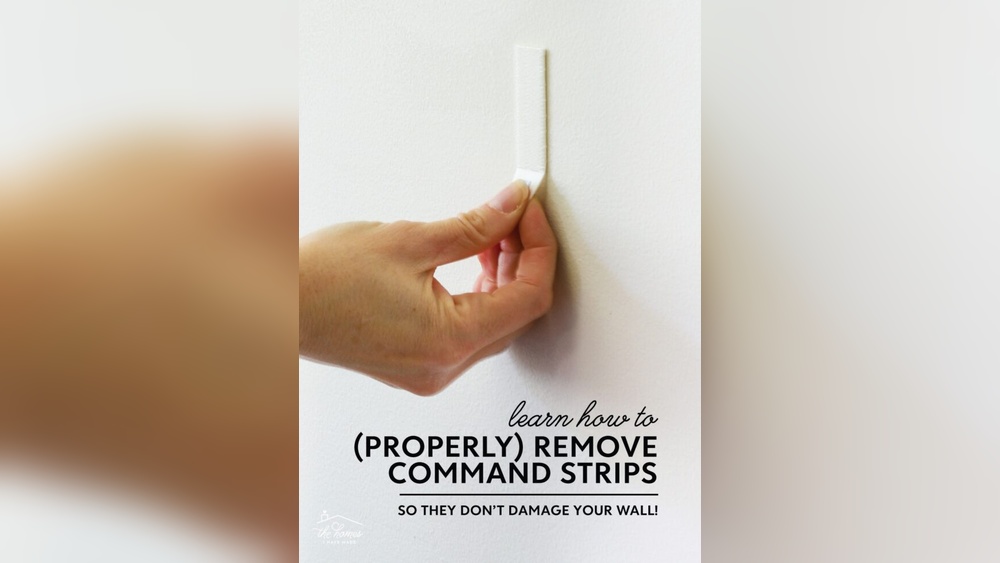
Have you ever stuck a Command hook on your wall, only to wonder how to remove it without damaging the paint or leaving sticky residue behind? You’re not alone.
Taking these hooks off the wall can feel tricky, especially if you want to keep your walls looking perfect. But don’t worry—there’s a simple, foolproof way to do it that anyone can follow. Keep reading, and you’ll learn exactly how to take Command hooks off your wall safely and easily, saving you time, money, and frustration.
Choose The Right Command Hook
Choosing the right Command hook is important to avoid damage to your walls. The right hook holds your items securely and removes easily without leaving marks. Knowing the types and weight limits helps pick the best option for your needs.
Types Of Command Hooks
Command hooks come in many shapes and sizes. Some are small and simple, good for keys or light items. Others are larger with strong adhesive, made for heavier objects like coats or bags. There are also decorative hooks to match your room’s style. Choose a type that fits the item you want to hang.
Weight Limits To Consider
Each Command hook has a weight limit. This limit tells how much weight the hook can hold without falling. Small hooks usually hold up to 1 pound. Medium hooks can hold 3 to 5 pounds. Large hooks may hold up to 7.5 pounds or more. Check the package for weight details before buying. Always stay below the weight limit to keep your walls safe.
Credit: www.commandbrand.com.au
Prepare The Area
Preparing the area is the first step to remove Command Hooks safely. It helps protect your wall and makes the process easier. Taking time now saves you effort later.
Clear space and clean surfaces before pulling off the hooks. This keeps things neat and prevents damage.
Clean The Wall Surface
Wipe the wall around the hook with a soft cloth. Use mild soap and water to remove dust or dirt. Dry the area completely before you start. A clean surface helps the adhesive release more smoothly.
Remove Obstacles
Move furniture or objects near the hook. This gives you room to work and avoid accidents. Keep pets and children away from the area for safety. Clear space makes the removal process quicker and safer.
Remove Command Hook Safely
Removing Command hooks safely keeps your walls clean and undamaged. The key is to handle the adhesive strip with care. Applying the right method helps the strip release without leaving marks or pulling paint off the wall.
Stretch The Adhesive Strip
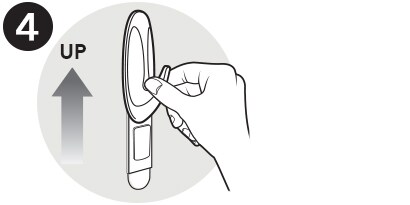
Find the small tab at the bottom of the strip. Hold the hook firmly with one hand. With the other hand, pull the tab straight down slowly. Pull it along the wall, not away from it. Stretching the strip this way loosens the adhesive gently. Keep pulling until the strip releases fully. Do not yank or pull it sideways.
Pulling Techniques To Avoid Damage
Do not pull the hook directly off the wall. This can peel paint or damage drywall. Always pull the adhesive strip downward, parallel to the wall. Keep a slow, steady motion. Avoid quick or jerky moves. If the strip resists, try pulling a bit more slowly. Using these techniques protects your wall surface. It also helps you reuse the hook later if needed.

Credit: www.youtube.com
Troubleshooting Stubborn Hooks
Removing Command Hooks can be easy, but some hooks stick tight. These stubborn hooks need extra care to avoid wall damage. Patience and the right tools make the process smooth. Follow simple steps to loosen the adhesive without stress.
Using Heat For Easier Removal
Warmth softens the glue under the hook. Use a hairdryer on low heat. Hold it a few inches from the hook for one to two minutes. The heat loosens the adhesive, making the hook easier to pull off.
Move the hairdryer around the hook’s edges. Avoid overheating to protect your wall paint. Once warm, gently pull the hook. Pull slowly and steadily to prevent wall marks.
Alternative Removal Methods
If heat does not work, try dental floss or fishing line. Slide it behind the hook’s base. Use a gentle sawing motion to cut through the glue. This method reduces wall damage risk.
Another option is rubbing alcohol. Apply a small amount to the adhesive area. Let it sit for a minute to break down the glue. Then, carefully peel the hook off. Clean any leftover residue with a soft cloth.
Prevent Wall Damage
Removing Command Hooks carefully can save your wall from damage. The adhesive is strong, but walls can still peel or chip if taken off wrong. Taking time to follow the right steps keeps walls smooth and clean.
Common Mistakes To Avoid
Pulling the hook straight off can damage paint and drywall. Do not yank or use too much force. Avoid twisting the hook, which can tear the wall surface. Using sharp tools to scrape off glue can leave marks. Removing hooks too quickly causes paint to peel. Always follow the adhesive strip instructions exactly.
Tips For Wall Care After Removal
Check the wall for leftover sticky residue. Use warm, soapy water and a soft cloth to clean gently. Avoid harsh chemicals that harm paint. If paint peels, touch up with matching paint. Let the wall dry fully before hanging anything new. Proper care keeps walls looking fresh and ready for new hooks.
:max_bytes(150000):strip_icc()/how-to-remove-command-strips-5089679-08-f1a503a270af4f05a47e576b957c8f6b.jpg)
Credit: www.thespruce.com
Reuse And Disposal Tips
Removing Command hooks from walls can leave you with useful items and waste. Knowing how to reuse hooks and dispose of strips helps reduce waste and save money. It also keeps your space tidy and eco-friendly.
Follow these simple tips to handle hooks and adhesive strips safely and smartly. This keeps your walls safe and your home clean.
Reusing Hooks Safely
Check hooks for any damage before reuse. Bent or cracked hooks may not hold well. Clean hooks with warm soapy water and dry them completely. Avoid using hooks on wet or dusty surfaces. Store hooks in a dry place until you need them again.
Reuse hooks on smooth surfaces like glass, metal, or painted walls. Avoid rough or porous walls to keep hooks strong. Use new adhesive strips for a secure hold every time. This ensures your hooks stay firmly in place.
Disposing Adhesive Strips Properly
Adhesive strips are not recyclable and should go in the trash. Remove strips slowly to avoid damage to walls or paint. Wrap used strips in paper before disposal to reduce stickiness. Do not flush strips down toilets or drains.
Keep used strips away from children and pets. Store them safely until you can throw them away. Proper disposal helps keep your home safe and clean.
Frequently Asked Questions
How Do You Safely Remove Command Hooks From Walls?
To safely remove Command hooks, pull the adhesive strip downward slowly. Keep it parallel to the wall. This prevents damage to paint or drywall. Avoid pulling the hook directly away from the wall. Use gentle, steady pressure for best results.
Can Command Hooks Damage My Wall Paint?
When removed correctly, Command hooks usually don’t damage paint. Pull the adhesive strip slowly downward without jerking. Removing hooks too fast or pulling straight out may peel paint. Always follow manufacturer removal instructions to protect your wall finish.
What Is The Best Technique To Remove Command Hook Adhesive?
The best technique is to pull the adhesive tab down, stretching it slowly. Keep the strip close to the wall while pulling. This method releases the adhesive without causing damage. Avoid ripping or pulling the strip at an angle.
How Long Can Command Hooks Stay On Walls?
Command hooks can stay on walls for up to 2 years. Adhesive strength may weaken over time, reducing holding power. Always check the specific product guidelines for maximum duration. Replace hooks if they lose adhesion or become loose.
Conclusion
Removing Command hooks from your wall is simple and safe. Pull the tab straight down slowly to avoid damage. Take your time and use steady force. This method keeps walls clean and smooth. No need for extra tools or chemicals.
You can reuse the hooks later too. Easy removal means no stress or mess. Now your walls stay perfect for new decorations. Try this method next time you want to change hooks. It saves time and protects your space.