Is your deadbolt stuck or won’t lock properly? A broken deadbolt can make your home feel unsafe and leave you frustrated.
But don’t worry—you don’t need to call a locksmith right away. You can fix it yourself with a few simple steps. In this guide, you’ll learn exactly how to repair your deadbolt quickly and easily. Keep reading to take control of your home’s security and save time and money.
Your safety is worth it.

Credit: www.youtube.com
Common Deadbolt Issues
Deadbolts often face issues that stop them from working properly. These problems can make your door less secure or hard to open. Understanding common deadbolt issues helps you fix them quickly. Simple fixes can save money and keep your home safe.
Jammed Deadbolt
A jammed deadbolt does not move smoothly. Dirt or rust inside the lock can cause it. Sometimes, the bolt gets stuck in the strike plate. Applying lubricant often frees the bolt. If jammed by damage, parts may need replacing.
Loose Deadbolt
A loose deadbolt wiggles when you turn the key. Screws holding the lock may be loose or missing. Tightening screws usually solves this problem. Check the door and lock for damage too. A loose deadbolt reduces door security.
Misaligned Strike Plate
The strike plate is where the deadbolt fits into the door frame. If it is out of place, the bolt won’t lock properly. This causes jamming or incomplete locking. Adjusting or moving the strike plate fixes this issue. Sometimes, filing the plate hole helps the bolt fit better.
Worn Out Lock Cylinder
The lock cylinder can wear out after years of use. Keys may not turn smoothly or get stuck inside. Dirt or broken parts inside the cylinder cause this. Replacing the lock cylinder restores smooth operation. Regular cleaning can prevent wear and tear.
Tools And Materials Needed
Fixing a broken deadbolt requires the right tools and materials. Having these ready makes the repair easier and faster. This section lists what you need to start your fix.
Basic Tools
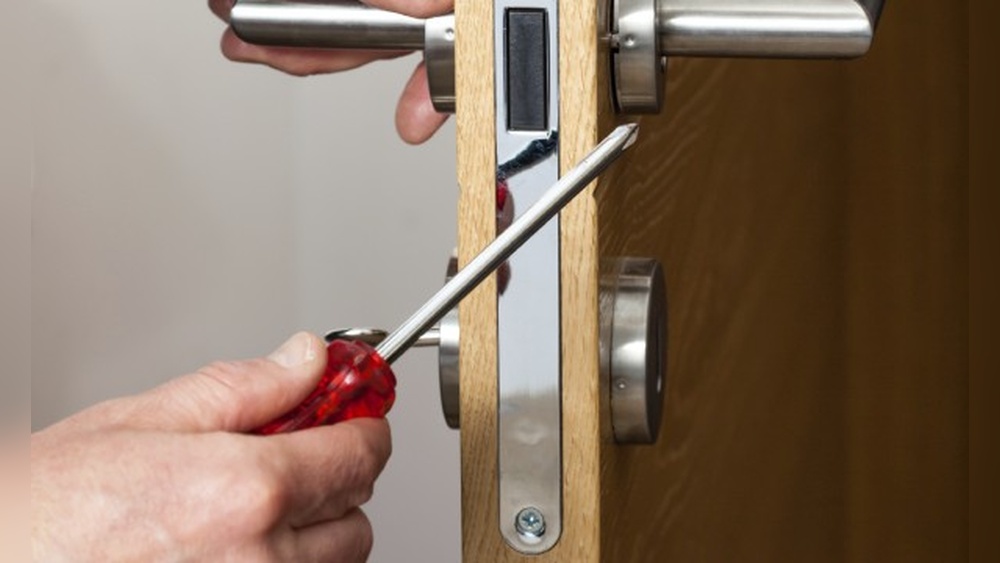
Start with a screwdriver set. Both flathead and Phillips screwdrivers are useful. A drill can speed up screw removal. Pliers help with stubborn parts. A tape measure ensures correct sizes. Keep a flashlight nearby for dark areas.
Replacement Parts
Identify the broken part first. Common parts include the latch, cylinder, or screws. Buy a new deadbolt kit if needed. Match the size and style to your door. This prevents fitting problems and extra work.
Lubricants And Cleaners
Use a lubricant to ease moving parts. Graphite powder or silicone spray works well. Avoid oil-based lubricants that attract dirt. Clean the lock with a mild cleaner. This removes dust and old grease for smooth action.
Step-by-step Repair Guide
Fixing a broken deadbolt can be simple with clear steps. This guide walks you through each part of the repair. Follow these steps carefully to get your lock working again. No special skills needed. Just a bit of patience and basic tools.
Removing The Deadbolt
Start by unscrewing the screws on the inside of the door. Pull the deadbolt parts from both sides gently. Keep the screws safe for later. Removing the deadbolt gives clear access to all parts.
Inspecting Components
Look closely at the lock parts for damage or dirt. Check the bolt, screws, and cylinder. Clean any dirt or rust with a soft cloth. Broken parts must be noted for repair or replacement.
Fixing A Jammed Deadbolt
Try moving the bolt by hand to find the jam. Lubricate the bolt with graphite or oil spray. Work the bolt back and forth to loosen it. Clear any debris stuck inside the bolt path.
Tightening Loose Parts
Use a screwdriver to tighten all screws holding the lock. Loose screws cause the lock to wobble or fail. Tighten the strike plate screws as well. Secure parts improve lock function and safety.
Adjusting The Strike Plate
Check if the bolt fits properly into the strike plate hole. Move the strike plate slightly if needed. Use a screwdriver to adjust the screws. Make sure the bolt slides smoothly without force.
Replacing The Lock Cylinder
If the cylinder is broken, remove it from the lock. Buy a new cylinder matching your lock type. Insert the new cylinder carefully into the lock body. Screw it back in place firmly. Test the key to ensure smooth turning.
Preventive Maintenance Tips
Preventive maintenance helps keep your deadbolt working smoothly. It avoids sudden problems and costly repairs. Small actions can extend the life of your lock. Follow these simple tips regularly to keep your deadbolt in good shape.
Regular Cleaning
Dust and dirt can cause your deadbolt to jam. Clean the lock surface with a soft cloth every few months. Use a small brush to remove debris from the keyhole. Avoid harsh chemicals that can damage the lock finish.
Lubrication Schedule
Apply lubricant to the deadbolt twice a year for smooth operation. Use a graphite-based or silicone lubricant made for locks. Spray a small amount inside the keyhole and on moving parts. Wipe off any extra lubricant to prevent dirt buildup.
Proper Usage Habits
Turn the key gently to avoid breaking the lock. Do not force the deadbolt if it sticks. Always use the correct key and avoid extra weight on the keychain. Teach family members how to handle the lock carefully.
When To Call A Professional
Knowing when to call a professional for a broken deadbolt saves time and frustration. Some problems need expert skills and tools. Trying to fix complex issues alone can cause more damage. Security risks can increase if repairs are not done right. A professional locksmith has the right knowledge to keep your home safe.
Complex Damage
Deadbolts with broken internal parts need expert repair. If the lock cylinder is stuck or broken, don’t force it. Damage to the door frame or misaligned parts also need skill. Professionals can handle difficult fixes without causing more harm.
Security Concerns
Locks protect your home and family. A damaged deadbolt can make your door easy to open. If you feel unsafe or the lock was forced open, call a locksmith. Experts will ensure your lock works well and keeps you safe.
Lack Of Tools Or Experience
Fixing deadbolts requires specific tools. Without them, you might break the lock or door. Lack of experience can lead to mistakes and more costs. Hiring a professional avoids these problems and ensures a proper repair.

Credit: www.youtube.com

Credit: diy.stackexchange.com
Frequently Asked Questions
How Do I Identify A Broken Deadbolt Lock?
Check if the key won’t turn or the bolt won’t extend fully. Listen for unusual sounds when locking. Inspect for visible damage or misalignment. These signs usually indicate a broken deadbolt that needs fixing or replacement.
Can I Fix A Broken Deadbolt Myself?
Yes, many deadbolt issues can be fixed with basic tools. Cleaning, lubricating, or realigning parts often solves problems. For complex internal damage, replacing the deadbolt might be necessary. Always follow safety guidelines when repairing locks.
What Tools Are Needed To Repair A Deadbolt?
Common tools include a screwdriver, lubricant, replacement screws, and possibly a new deadbolt set. A wrench and pliers might also be useful. Having these ready makes the repair process faster and easier.
How Long Does It Take To Fix A Broken Deadbolt?
Most deadbolt repairs take between 15 to 30 minutes. Simple fixes like lubrication or tightening screws are quicker. Complete deadbolt replacement might take up to an hour for beginners.
Conclusion
Fixing a broken deadbolt can save time and money. Follow the steps carefully and take your time. Use the right tools to avoid extra damage. Check each part before you start the repair. If the problem feels too hard, ask a professional.
A working deadbolt keeps your home safe and secure. Regular maintenance helps avoid future problems. Stay patient and focused during the repair process. Small fixes can make a big difference in security. Keep your door locks in good shape for peace of mind.