Imagine losing your original deadbolt key or moving into a new place without one. It can feel frustrating and leave you worried about your security.
But what if you could rekey your deadbolt yourself, without needing that old key? You’ll discover simple, step-by-step instructions to regain control of your lock quickly and safely. By the end, you’ll have the confidence to protect your home without expensive locksmith visits.
Ready to take charge of your door’s security? Let’s get started.

Credit: www.reddit.com
Tools Needed
Before starting to rekey a deadbolt without the original key, gather all the right tools. Having these tools makes the process easier and faster. Each tool has a special job to help you change the lock pins safely and correctly.
Lock Pick Set
A lock pick set helps to open the lock without the original key. It includes different small tools to move the pins inside the lock. This set is important to access the lock cylinder.
Plug Follower
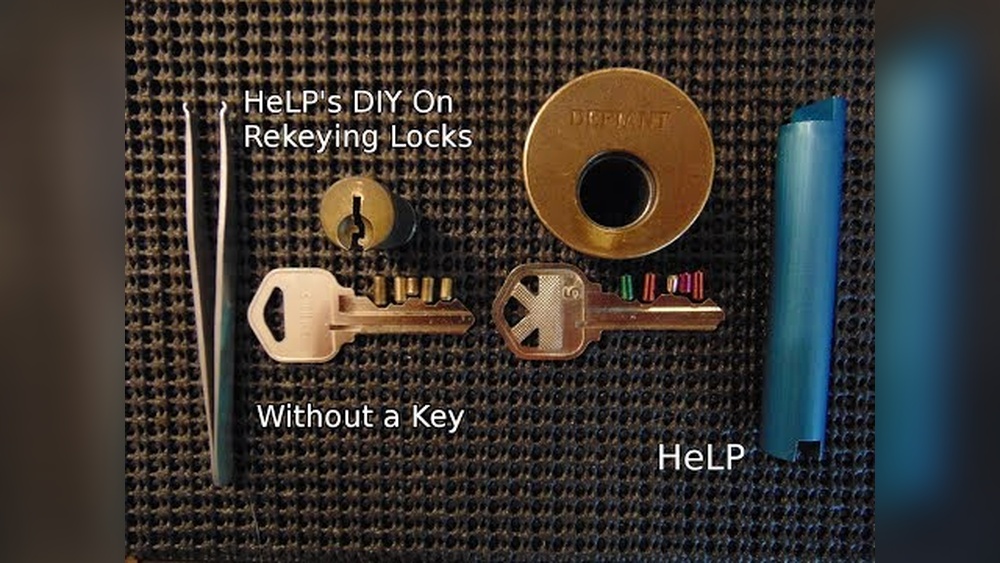
The plug follower pushes out the lock cylinder once pins are removed. It keeps the pins and springs in place during the rekeying process. This tool prevents parts from falling out.
Pinning Kit
A pinning kit contains new pins of different sizes. These pins fit inside the lock to match your new key. This kit lets you customize the lock for a new key.
Flathead Screwdriver
A flathead screwdriver is needed to remove screws from the lock. It helps take apart the deadbolt from the door. This tool is simple but necessary for disassembly.
New Key Blank
The new key blank is a key that has no cuts yet. You will use it to create a new key for the lock. It fits with the new pins inside the lock cylinder.
Removing The Deadbolt
Removing the deadbolt is the first step in rekeying without the original key. This process lets you access the lock’s internal parts. It is important to handle the deadbolt carefully to avoid damage.
With the deadbolt removed, you can work on changing the pins inside. This way, you control who can open the door. Follow the steps below for safe removal.
Preparing The Door And Tools
Start by closing the door fully. Gather a screwdriver set, usually a Phillips or flat-head. Keep a small container ready for screws. This keeps parts organized and prevents loss.
Removing The Interior Thumb Turn
Locate screws on the inside knob or thumb turn. Use the screwdriver to remove these screws gently. Pull the thumb turn away from the door carefully. Set it aside for later use.
Unscrewing The Deadbolt Faceplate
Look at the edge of the door for the faceplate. Remove screws holding the faceplate in place. Pull the faceplate and deadbolt mechanism out slowly. Avoid forcing it to prevent breaking parts.
Separating The Deadbolt From The Door
After removing the faceplate, slide the deadbolt out of the door. Keep the deadbolt intact for reassembly. Check for any hidden screws inside the door edge. Remove them before pulling out the deadbolt fully.
Extracting The Cylinder
Extracting the cylinder is a key step in rekeying a deadbolt without the original key. This process allows you to access the internal parts of the lock. With the cylinder out, you can change the pins to match a new key.
The task needs some tools and patience. Taking the cylinder out carefully prevents damage to the lock. Follow the steps below to remove the cylinder safely and prepare it for rekeying.
Gather The Necessary Tools
Before starting, collect tools like a screwdriver, a plug follower, and needle-nose pliers. These tools help you remove screws and hold parts in place. Having everything ready makes the job easier and faster.
Remove The Deadbolt From The Door
Locate the screws on the inside of the door. Use a screwdriver to take out these screws. Gently pull the deadbolt assembly away from the door. This exposes the cylinder for removal.
Locate And Remove The Cylinder Retaining Clip
Look for a small clip on the side of the cylinder. Use pliers to carefully remove this clip. Keep it safe to reattach later. This clip holds the cylinder in place inside the lock.
Extract The Cylinder From The Deadbolt Housing
Insert a plug follower into the cylinder opening. Push the cylinder out slowly while holding the plug follower in place. This prevents springs and pins from falling out. Once free, you can access the inner parts for rekeying.

Credit: www.youtube.com
Removing The Old Pins
Removing the old pins is an important step in rekeying a deadbolt without the original key. This step allows you to replace the pins with new ones that match your new key. Proper removal of the old pins ensures your lock will work smoothly with the new key.
Care and attention are needed to avoid damaging the cylinder during this process. Taking time to remove each pin carefully will make reassembly easier.
Prepare The Cylinder For Pin Removal
Start by placing the cylinder on a flat surface. Use a pinning tray or small container to hold the pins. This keeps pins from getting lost or mixed up.
Remove the plug from the housing carefully. Make sure the plug is stable to avoid dropping pins.
Use A Pin Removal Tool
Use a small pick or tweezers to push the pins out. Push each pin gently to avoid bending or breaking.
Work slowly and remove pins one by one. Keep track of each pin’s size and shape.
Check For Springs And Other Parts
Springs sit above the pins and may fall out during removal. Collect all springs and small parts in the tray.
Inspect the cylinder for any dirt or damage before adding new pins.
Selecting New Pins
Selecting new pins is a key step in rekeying a deadbolt without the original key. Pins control the lock’s operation and security. Using the right pins ensures the lock works smoothly and stays safe.
Each pin has a specific size. This size must match the new key cuts. Choosing the correct pins takes care and attention. It affects how the lock will open and close.
Selecting Pins By Size
Measure the new key cuts carefully. Use a pinning chart to find the matching pin sizes. Each cut height on the key needs a pin of the right length. This helps the lock align and turn properly.
Organizing Pins Before Assembly
Arrange the pins in order from smallest to largest. This makes the reassembly process faster. Keep pins clean and free of dirt or oil. Dirty pins can cause the lock to jam or fail.
Testing Pin Fit
Insert pins one by one into the cylinder. Check if the plug turns smoothly. If it sticks, remove and try a different pin size. Proper fit avoids lock problems later on.
Reassembling The Cylinder
Reassembling the cylinder is a key step in rekeying a deadbolt without the original key. This part holds all the pins and springs in place. Careful reassembly ensures the lock works smoothly with the new key.
Take your time to avoid mistakes. A small error can stop the lock from turning correctly. Follow each step closely for the best results.
Insert The Driver Pins And Springs
Place each driver pin back into its slot. Use tweezers for better control. Next, put the springs on top of the driver pins. These parts keep the lock secure.
Position The Plug Correctly
Hold the plug carefully. Align it with the cylinder housing. Make sure the pins stay inside the plug grooves. Slide it in gently to avoid pin damage.
Secure The Retaining Clip
Locate the retaining clip at the cylinder’s edge. Snap it into place to hold the plug securely. This clip stops the plug from sliding out.
Test The Lock Function
Insert the new key into the reassembled cylinder. Turn the key slowly to check smooth movement. The lock should turn without sticking or jamming.
Testing The New Key
Testing the new key is a crucial step after rekeying a deadbolt without the original key. It ensures the lock works smoothly and the new key fits perfectly. This step helps avoid any lockouts or problems later.
Insert The New Key Slowly
Gently insert the new key into the deadbolt. Do not force it. The key should slide in easily. If it feels stuck, remove and try again carefully. Smooth insertion means the pins are aligned correctly.
Turn The Key To Lock And Unlock
Turn the key slowly to lock the deadbolt. Then turn it back to unlock. The key should turn without resistance. If it is hard to turn, the lock may need adjusting. Repeat this several times for consistency.
Test The Lock From Both Sides
Use the key to lock and unlock from outside. Also, test the thumb turn inside. Both should work smoothly. This confirms the rekeying process is complete and correct.
Check For Any Sticking Or Jamming
Listen for any unusual sounds when turning the key. Feel for resistance or sticking. These signs show the lock needs fine-tuning. Fix these issues before finalizing the rekey.
Tips For Rekeying Without Original Key
Rekeying a deadbolt without the original key can feel tricky. It needs patience and the right steps. These tips help make the process easier and safer. Follow each carefully to avoid damage and secure your lock.
Keep tools ready. Use a rekeying kit made for your lock type. This kit has all parts needed to change the pins inside the lock cylinder.
Gather Proper Tools And Supplies
Use a screwdriver, plug follower, tweezers, and new pins. A rekeying kit often includes these. Avoid using random tools that may harm the lock.
Remove The Lock Cylinder
Unscrew the deadbolt carefully. Pull out the cylinder without forcing it. Take note of how parts are arranged to put them back correctly.
Use A Plug Follower To Hold Pins
Insert the plug follower to push pins out safely. It keeps springs and pins from falling inside the lock. Work slowly to keep parts in order.
Replace Old Pins With New Ones
Match new pins to the key you want to use. Insert pins into the cylinder slots. Ensure each pin fits tightly and sits evenly.
Test The New Key Before Reassembly
Turn the new key in the cylinder. Check for smooth movement. Fix any tight spots before putting the lock back together.
Reassemble The Lock And Install
Put the cylinder back in place. Screw the lock parts securely. Test the deadbolt with the new key once more.
When To Call A Locksmith
Locked out or lost your original key? Calling a locksmith can help rekey your deadbolt quickly and safely. They have the tools and skills to change the lock without the old key.
When You Have No Experience
Rekeying a deadbolt needs some skill. Without prior experience, the process can be confusing. Mistakes can damage the lock or door. A locksmith has the right tools and training. They can rekey quickly and safely. This saves time and avoids frustration.
When The Lock Is Broken
If the deadbolt is damaged, rekeying might not work. Broken parts can stop the lock from working properly. A locksmith can assess the damage and fix or replace the lock. This ensures your door stays secure and functional.
When You Need Quick Access
Lost the original key and need access fast? Rekeying takes time and patience. A locksmith can reach your home quickly. They can open the door and rekey the lock on site. This is the fastest solution for urgent situations.
When You Want Guaranteed Security
Rekeying yourself might not fully secure your home. Locksmiths use professional methods to ensure the lock works perfectly. They can test the new keys and lock system. This gives peace of mind that your home is safe.

Credit: www.reddit.com
Frequently Asked Questions
How Can I Rekey A Deadbolt Without The Original Key?
You can rekey a deadbolt by removing the lock cylinder and replacing the pins inside. This process requires a rekeying kit and basic tools. Follow step-by-step instructions carefully to match the new key to the lock.
What Tools Are Needed To Rekey A Deadbolt Lock?
You need a key extractor, screwdriver, tweezers, and a rekeying kit. The kit includes replacement pins and a new key. Having these tools ensures the rekeying process is smooth and effective.
Is It Possible To Rekey A Deadbolt At Home?
Yes, most deadbolts can be rekeyed at home with the right tools. Detailed guides and kits make it accessible for DIYers. However, if unsure, consulting a locksmith is recommended.
How Long Does It Take To Rekey A Deadbolt Lock?
Rekeying a deadbolt usually takes 15 to 30 minutes. Time depends on your experience and lock type. With practice, the process becomes quicker and easier.
Conclusion
Rekeying a deadbolt without the original key is doable with patience. Follow the steps carefully to avoid mistakes. Using the right tools makes the job easier and faster. This skill helps keep your home safe and secure. Practice on an old lock first to gain confidence.
Remember, safety matters most in any lock change. You can save money by doing it yourself. Take your time and work slowly for best results.