Are you tired of waiting forever for your floor jack to lift your vehicle? You’re not alone.
Slow lifts waste your time and test your patience, especially when you have a job to finish. But what if you could speed up the process and get your floor jack working faster and smoother? You’ll discover simple, effective tips that anyone can use to make their floor jack lift quicker.
Keep reading, and you’ll be lifting with ease in no time.
Choose The Right Floor Jack
Choosing the right floor jack is key to lifting faster and safer. A good jack matches the job and works smoothly. This saves time and effort during every lift. Knowing different types and their features helps pick the best one for you.
Types Of Floor Jacks
There are several types of floor jacks. Hydraulic jacks use fluid to lift heavy loads easily. They are common and reliable. Scissor jacks are smaller and manual. They work well for light jobs and emergencies. Bottle jacks are compact and powerful. They fit in tight spaces but lift slower than hydraulic jacks. Choose a type that fits your lifting needs and space.
Capacity And Speed Factors
Capacity means how much weight the jack can hold. Always pick a jack with a capacity higher than your vehicle’s weight. Speed depends on the jack’s design and pump system. A jack with a strong pump lifts faster. Larger wheels and smooth casters also help move the jack quickly. Check these features to get a faster floor jack.
Maintain Proper Hydraulic Fluid Levels
Maintaining proper hydraulic fluid levels is key to making your floor jack lift faster. The fluid helps the jack move smoothly and hold pressure. Low or dirty fluid slows down the lifting process and can cause damage. Regular checks keep your jack working well and safe to use.
Checking Fluid Levels
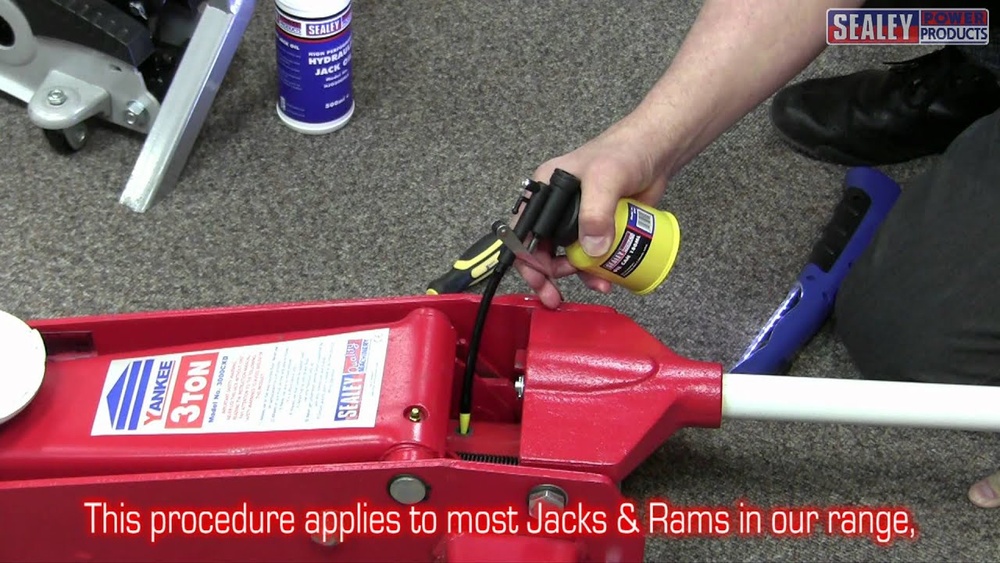
Start by placing the jack on a flat surface. Locate the hydraulic fluid reservoir or fill plug. Clean the area around the plug to avoid dirt entering the system. Remove the plug carefully. Look inside or use a dipstick to check the fluid level. The fluid should be near the top but not overfilled. Check the fluid color too. Clear or light amber is good. Dark or cloudy fluid means it needs changing.
Refilling And Replacing Fluid
If the fluid level is low, refill with the recommended hydraulic oil. Use a funnel to avoid spills. Fill slowly and check the level frequently. Do not overfill. Old fluid should be drained and replaced to keep the system clean. Remove the drain plug and let the fluid empty into a container. Dispose of old fluid safely. Add fresh oil before sealing the jack. Test the jack by pumping it a few times to remove air bubbles. Check the fluid level again and top up if needed.
Bleed Air From The Hydraulic System
Bleeding air from the hydraulic system is essential to make your floor jack lift faster. Air trapped inside the hydraulic fluid slows down the jack’s movement. It causes the jack to feel weak or slow. Removing this air improves the jack’s performance and speed.
Air in the system creates pressure issues. This leads to uneven lifting or a spongy feel when pumping. Properly bleeding the system restores smooth hydraulic pressure. This makes the jack work faster and more efficiently.
Signs Of Air In The System
- The jack lifts slowly or feels weak.
- Pumping the handle feels spongy or soft.
- The jack does not hold pressure well.
- Strange noises, like hissing or bubbling, during use.
Step-by-step Bleeding Process
- Locate the release valve on your floor jack.
- Open the release valve slightly to let air escape.
- Pump the handle slowly several times to push air out.
- Close the release valve tightly to seal the system.
- Test the jack by lifting a small load to check speed.
- Repeat the process if the jack still feels slow or weak.
Lubricate Moving Parts
Lubricating the moving parts of a floor jack helps it lift faster and work smoothly. Dirt and rust can slow down the jack’s motion. Adding oil or grease reduces friction and wear. This simple step keeps the jack in good shape and saves time during lifting jobs.
Areas That Need Lubrication
Focus on the jack’s main moving parts for lubrication. The pump piston and the release valve need regular oiling. The pivot points where the handle moves should get grease. Also, check the wheels and axles. Lubricate these parts to keep the jack rolling easily. Pay attention to all joints and hinges. These areas face the most friction and wear.
Recommended Lubricants
Use lightweight machine oil for the pump piston and release valve. It flows easily and prevents rust. For pivot points and joints, apply a thick grease. Grease stays in place and reduces friction well. Use lithium-based grease for best results. Avoid heavy oils that can clog parts. Clean old grease and dirt before applying new lubricant. This helps the jack work faster and last longer.
Adjust The Release Valve
Adjusting the release valve can help your floor jack lift faster. This small part controls the flow of hydraulic fluid inside the jack. When set correctly, it allows the jack to raise quickly without losing power. This adjustment saves time and effort during lifting tasks.
Locating The Valve
The release valve is usually near the handle or base of the jack. Look for a small knob or screw. It might be covered by a cap or label. Use a flashlight if needed to spot it clearly. Knowing its exact location is key to making quick adjustments.
Optimizing Valve Settings For Speed
Turn the release valve slowly to find the best setting. Opening it too much can cause the jack to lose pressure. Closing it too tight will slow the lift. Test small changes and watch the jack’s speed. Stop adjusting when the jack lifts faster and stays strong.
Credit: www.wideworldofindoorsports.com
Use A Lightweight Jack
Using a lightweight floor jack helps you lift faster and with less effort. These jacks are easier to move and position under your vehicle. They require less force on the handle, making the lifting process quicker. Lightweight jacks save time, especially when you need to work on multiple cars or in tight spaces.
Benefits Of Lightweight Models
Lightweight floor jacks are easier to carry and store. They reduce strain on your arms and back during use. Faster lifting means less waiting and more work done. These jacks often have smooth hydraulic systems that respond quickly. Their compact size fits well in small garages or home workshops.
When To Opt For Portability
Choose a lightweight jack if you need to move it often. Portable jacks work well for roadside repairs or car shows. They fit easily in your car trunk without taking much space. Portability helps if you work in different locations. A lightweight jack speeds up lifting when you travel or change jobs.
Perform Regular Inspections
Performing regular inspections on your floor jack keeps it working fast and safe. Checking the jack often helps find small problems early. Fixing these issues prevents big damage and slow lifting. A quick look at key parts saves time and effort later.
Common Wear And Tear
Floor jacks face stress from heavy loads and frequent use. Parts like seals, pistons, and wheels wear down. Rust or dirt buildup can slow the jack’s movement. Hydraulic fluid may leak or get dirty. Springs and handles can become loose or bent. These issues reduce lifting speed and safety.
Signs It’s Time For Repairs
The jack lifts slower than before. It won’t hold weight steadily. You hear strange noises during operation. Hydraulic fluid leaks under the jack. Handles or wheels feel loose or stiff. These signs show your jack needs maintenance or repairs. Acting fast keeps it working properly and speeds up lifting.

Credit: pontosagres.com
Upgrade To A High-speed Jack
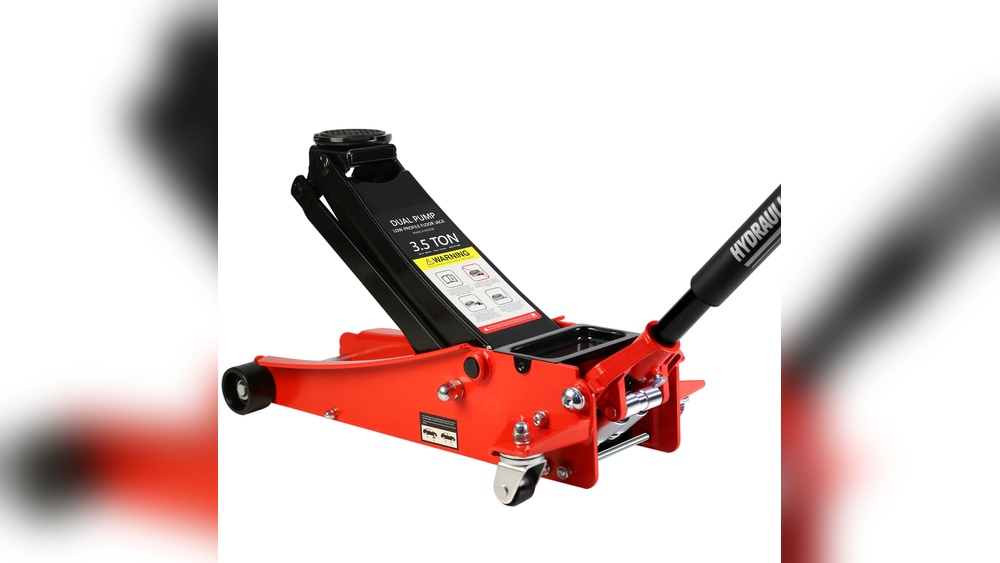
Upgrading to a high-speed floor jack is an effective way to lift vehicles faster. These jacks use better design and materials to speed up the lifting process. They reduce the effort and time needed to raise your car or truck.
Choosing the right high-speed jack can save you work and improve safety. These jacks are ideal for mechanics and car enthusiasts who want to work quickly. Understanding the features and speed ratings helps you pick the best option.
Features To Look For
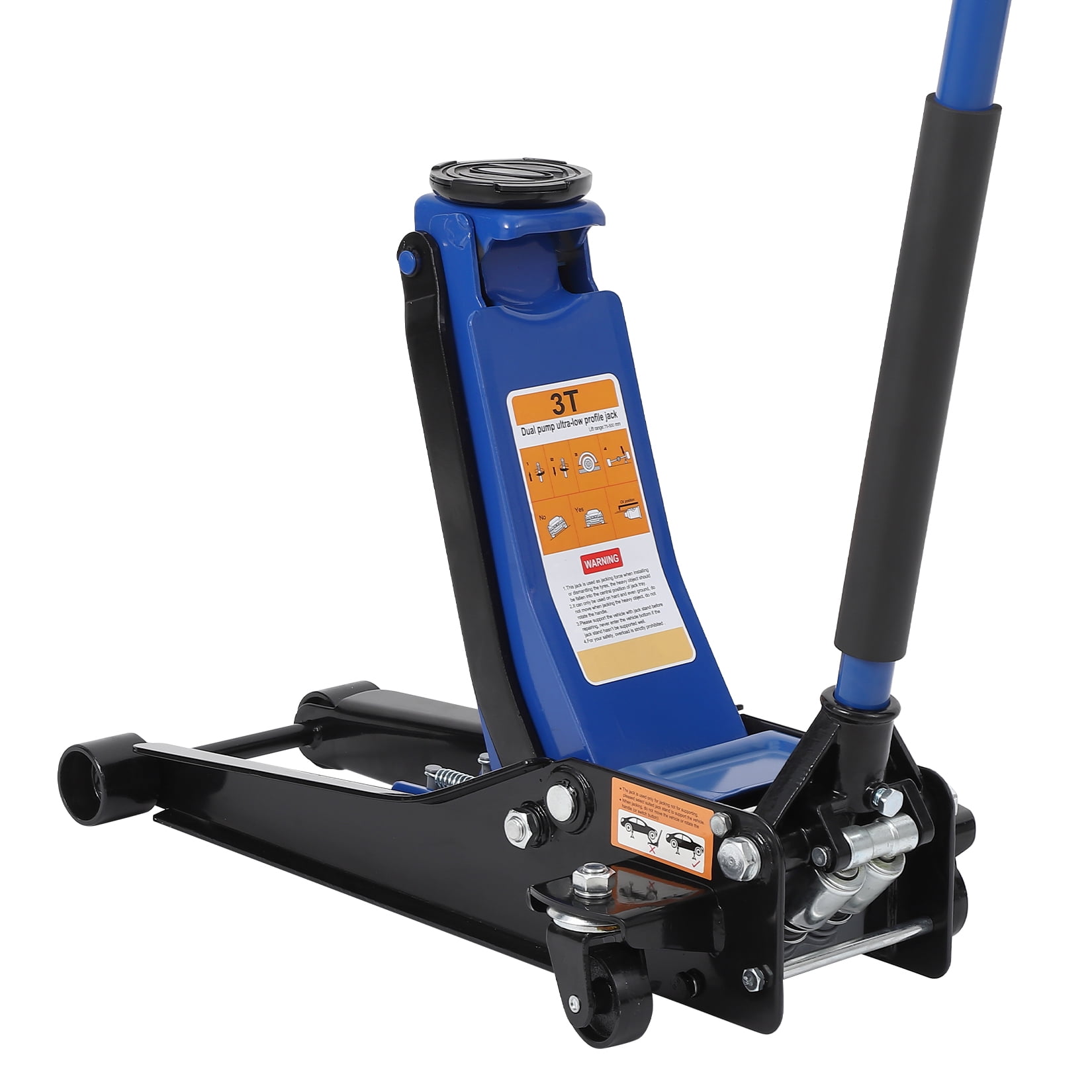
Look for a jack with a smooth hydraulic pump. This helps lift the load quickly and with less effort. A wider base offers better stability, preventing slips during use.
Check the release valve. A precise valve allows controlled lowering, avoiding sudden drops. Also, find a jack with a low-profile design for easier access under cars.
Durable materials like steel increase the jack’s lifespan. Wheels and handles should be sturdy for easy movement and control.
Comparing Speed Ratings
Speed ratings show how fast a jack lifts a specific weight. Higher ratings mean quicker lifts. Compare the time it takes to raise the jack to a certain height.
Manufacturers often list lifting speed in seconds or pump strokes. Choose a jack with fewer strokes for faster lifting. Consider your typical load size to match the jack’s capacity.
Remember, a faster jack can improve workflow but must remain safe and stable. Avoid jacks that compromise safety for speed.

Credit: www.amazon.com
Frequently Asked Questions
How Can I Make My Floor Jack Lift Faster?
To make your floor jack lift faster, regularly lubricate moving parts and check hydraulic fluid levels. Replace worn seals and keep the jack clean for smooth operation. Proper maintenance reduces resistance and speeds up lifting.
Why Is My Floor Jack Lifting Slowly?
Slow lifting often results from low hydraulic fluid or air trapped in the system. Check fluid levels and bleed the jack to remove air. Also, inspect for leaks and worn components that may hinder performance.
Does Hydraulic Fluid Affect Floor Jack Speed?
Yes, hydraulic fluid quality and level directly impact lifting speed. Old or low fluid causes sluggish movement. Use manufacturer-recommended fluid and maintain proper levels for optimal speed and efficiency.
Can Lubrication Improve Floor Jack Performance?
Lubrication reduces friction in moving parts, allowing quicker lifting. Apply grease or oil to joints and pivot points regularly. Proper lubrication ensures smooth, faster operation and extends jack lifespan.
Conclusion
Making your floor jack lift faster takes simple steps. Keep the jack clean and well-oiled. Check the hydraulic fluid level often. Tighten any loose parts to avoid leaks. Use the right size jack for your task. Regular care keeps the jack working smoothly.
These easy tips save you time and effort. A faster jack means safer and easier lifting. Try these fixes and see the difference yourself. Small changes can make a big impact. Your work will feel quicker and less tiring.