Are you tired of struggling with loose screws and unstable shelves? Knowing how to use a wall anchor can change everything.
It’s the simple trick that keeps your pictures, shelves, and hooks secure—no matter what kind of wall you have. You’ll discover easy steps to pick the right anchor and install it like a pro. By the end, you’ll have the confidence to hang anything safely and avoid frustrating repairs.
Ready to make your walls work for you? Let’s get started!
Types Of Wall Anchors
Wall anchors hold screws in walls, especially where there is no stud. Different anchors work best for different wall types and weights. Choosing the right anchor makes your project strong and safe.
Plastic Expansion Anchors
Plastic expansion anchors are simple and common. Insert them into a drilled hole in drywall or plaster. When you screw in, the anchor expands to hold tight. They work well for light objects like pictures or small shelves.
Toggle Bolts
Toggle bolts have metal wings that open inside the wall. They spread the load over a larger area. This makes them strong for heavy items like large shelves or TVs. You need a bigger hole to insert the folded wings first.
Molly Bolts
Molly bolts are metal anchors with expandable sleeves. Insert them in a drilled hole and tighten the screw. The sleeve expands inside the wall, gripping firmly. They hold medium to heavy objects and work well in drywall.
Self-drilling Anchors
Self-drilling anchors do not need a pre-drilled hole. Screw them directly into drywall with a screwdriver. They cut their own thread and hold well for light to medium loads. These anchors are fast and easy to use.
:max_bytes(150000):strip_icc()/how-to-use-and-discard-anchor-screws-1822671-Final-ec8091ccf65241b1b1f888549f25003a.jpg)
Credit: www.thespruce.com
Choosing The Right Anchor
Choosing the right wall anchor is essential for a strong and safe hold. Not all anchors fit every wall or weight need. Picking the correct type helps prevent damage and keeps your items secure. Consider your wall type, the weight you want to hold, and the size of the anchor before buying.
Assessing Wall Material
Different walls need different anchors. Drywall, plaster, brick, and concrete each have unique properties. Drywall is soft and needs anchors designed to spread the load. Brick and concrete require heavy-duty anchors that drill into the surface. Identify your wall material first to pick the best anchor type.
Weight Capacity Considerations
Check the weight of the item you want to hang. Light items need small anchors. Heavy items need strong anchors that can hold more weight. Always choose an anchor with a weight limit higher than your item. This prevents accidents and wall damage.
Anchor Size Selection
Anchor size depends on the hole size and weight capacity. Bigger anchors hold more weight but need larger holes. Small anchors fit small holes and light items. Match the anchor size to both your wall type and the weight you want to support. This ensures a secure fit.
Tools You’ll Need
Using a wall anchor needs a few basic tools. These tools help you install the anchor safely and correctly. Having the right tools makes the job easier and faster. Here are the main tools you will need.
Drill And Drill Bits
A drill is essential for making holes in the wall. Use the right size drill bit for your wall anchor. The bit should match the anchor’s diameter. Drilling the correct hole size ensures a secure fit.
Screwdriver
A screwdriver helps you insert the screw into the anchor. Choose a screwdriver that fits the screw head well. This prevents slipping and damage to the screw or wall. Both manual and electric screwdrivers work fine.
Measuring Tape
Measuring tape helps you mark the exact spot for the anchor. Accurate measurements avoid mistakes and uneven placement. Measure twice to be sure before drilling any holes.
Level
A level checks that your item hangs straight. It prevents crooked pictures, shelves, or hooks. Place the level on the item or wall to adjust before final fixing.
Preparing The Wall
Preparing the wall is the first step before using a wall anchor. It helps ensure the anchor holds strong. This step includes marking the right spots, drilling holes, and cleaning them well. Taking time here makes the whole process easier and safer.
Marking Anchor Points
Start by deciding where to place the anchor. Use a pencil to mark the exact spots. Measure carefully to keep marks even and level. Accurate marks stop mistakes later. Double-check the marks before drilling.
Drilling Pilot Holes
Choose a drill bit that fits the anchor size. Drill straight into the marked points. Drill slowly to avoid wall damage. Pilot holes guide the anchor and make it fit tight. Keep the drill steady for a clean hole.
Cleaning The Hole
Remove dust and debris from the hole. Use a small brush or blow air inside. Clean holes help anchors grip better. Check that holes are clear before inserting anchors. A clean hole means a stronger hold.
Installing The Anchor
Installing a wall anchor is a simple way to secure items to your wall. The method depends on the type of anchor you use. Each type has its own steps to follow. This guide helps you install four common anchors with ease.
Inserting Plastic Anchors
Start by drilling a hole matching the anchor size. Push the plastic anchor into the hole until flush with the wall. Tap gently with a hammer if needed. Insert the screw and tighten it slowly. The anchor expands and holds firmly inside the wall.
Setting Toggle Bolts
Drill a hole large enough for the folded toggle. Thread the screw through the item and then through the toggle. Squeeze the toggle wings and push through the hole. Once inside, the wings open wide. Pull back gently and tighten the screw to secure the item.
Expanding Molly Bolts
Drill a hole for the molly bolt body. Insert the bolt into the hole until flush. Use a screwdriver to turn the screw slowly. The metal sleeve expands behind the wall. Tighten the screw fully to lock the molly bolt in place.
Using Self-drilling Anchors
Position the anchor on the wall surface. Screw it in directly without pre-drilling. Use a screwdriver or drill at low speed. Stop when the anchor is flush with the wall. Insert the screw into the anchor and tighten it securely.

Credit: www.picturehangsolutions.com
Securing The Fixture
Securing the fixture is a crucial step in using a wall anchor. It makes sure your object stays firm and safe on the wall. Proper securing prevents damage to the wall and avoids accidents. Follow these simple steps to fix your object securely.
Aligning The Object
Start by placing the object against the wall. Check that the holes on the object match the anchor points. Hold it steady and straight. Proper alignment helps the screws go in smoothly. It also keeps the object balanced and level.
Tightening Screws
Insert screws into the wall anchors. Use a screwdriver to turn them gently. Tighten the screws until you feel resistance. Do not force them too hard. Over-tightening can break the anchor or damage the wall. The screws should hold the object firmly without wobbling.
Checking Stability
After tightening, lightly shake the object. It should not move or feel loose. Test by pulling it gently away from the wall. If it stays put, your fixture is secure. Loose objects need screws tightened more. Stable fixtures keep your wall and object safe.
Troubleshooting Common Issues
Troubleshooting common issues with wall anchors helps keep your projects strong and safe. Problems can happen even with the right tools. Knowing how to fix them saves time and effort. Here are some common problems and how to solve them.
Loose Anchors
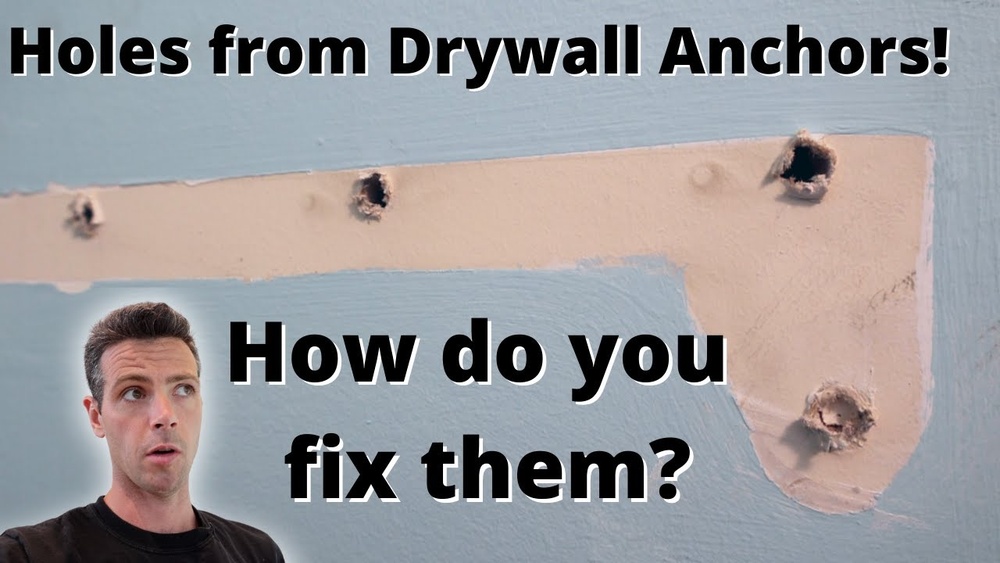
Loose anchors happen when the hole is too big. The anchor does not grip the wall tightly. Use a smaller drill bit next time. Remove the loose anchor and fill the hole with wood filler or putty. Let it dry before drilling a new hole. Then, insert the anchor firmly for a better hold.
Cracked Walls
Cracks appear when the wall is weak or old. Drilling can make cracks worse. Avoid drilling too close to old cracks. Use a wall anchor made for fragile surfaces. For big cracks, repair the wall first with plaster or filler. Wait until it dries fully before installing anchors.
Anchor Pull-out
Anchor pull-out happens when the weight is too heavy. Check the weight limit on your anchor package. Use stronger anchors for heavy items. Spread the weight by using more anchors. If the anchor pulls out, patch the hole and try a different anchor type. Always test the hold before hanging anything heavy.

Credit: www.youtube.com
Safety Tips And Best Practices
Using wall anchors can be simple and safe with the right approach. Following safety tips helps avoid accidents and damage. Best practices protect both you and your home during installation.
Using Proper Ppe
Wear safety glasses to protect your eyes from dust and debris. Gloves keep your hands safe from sharp edges or tools. A dust mask helps if you drill into drywall or concrete. Dress in clothes that cover your arms and legs to avoid scratches.
Avoiding Electrical Wires
Check the wall for hidden wires before drilling. Use a stud finder with a wire detection feature. Mark areas that may contain electrical wiring. Never drill blindly into walls without checking first. This prevents shocks and serious injury.
Maintaining Tools
Keep drill bits sharp and clean for smooth drilling. Inspect tools regularly for damage or wear. Store tools in a dry place to avoid rust. Replace broken or dull parts quickly. Well-maintained tools work better and reduce risks.
Frequently Asked Questions
What Is A Wall Anchor Used For?
A wall anchor secures heavy items to drywall or hollow walls. It prevents screws from pulling out. Wall anchors provide strong support for shelves, mirrors, and TVs.
How Do I Choose The Right Wall Anchor?
Select a wall anchor based on weight and wall type. Plastic anchors suit light loads, while metal anchors handle heavier items. Always check the anchor’s weight rating before use.
How Do I Install A Wall Anchor Properly?
First, drill a hole matching the anchor size. Insert the anchor flush with the wall. Then, screw in the fastener tightly to secure your item.
Can I Remove A Wall Anchor Without Damage?
Yes, gently unscrew the fastener first. Push or pull the anchor out carefully. Some anchors may leave small holes that require patching.
Conclusion
Using a wall anchor is simple and helps hold items securely. Choose the right anchor for your wall type. Drill a hole, insert the anchor, then screw in your hook or screw. This method prevents damage and keeps your items safe.
Practice a few times to get comfortable. Now, you can hang pictures, shelves, or decorations with confidence. Wall anchors make home projects easier and stronger. Give it a try and see the difference yourself.