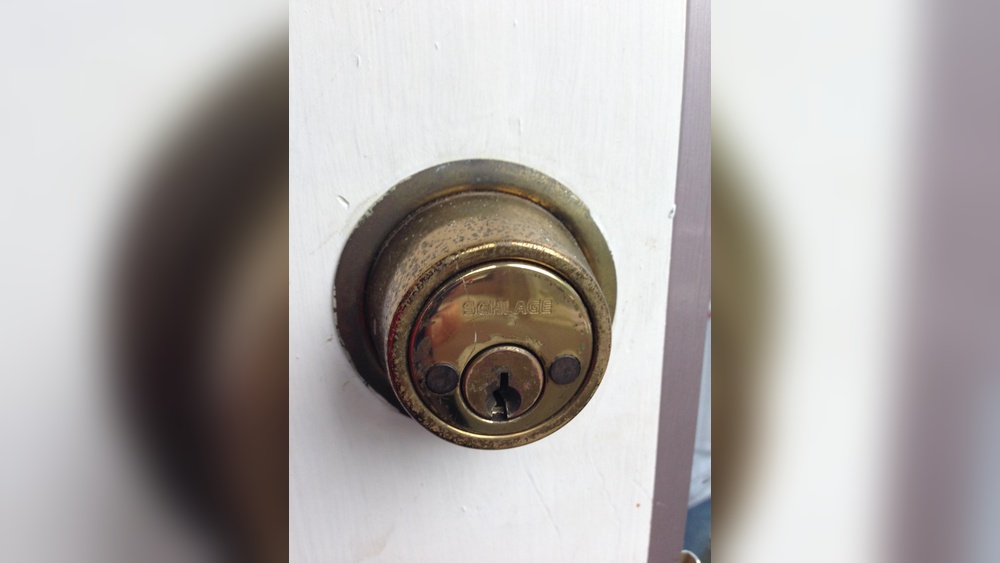
Changing the locks on your gatehouse deadbolt might seem tricky, but it doesn’t have to be. Imagine being able to control who has access without buying a new lock or calling a locksmith.
You can save time, money, and gain peace of mind by rekeying the deadbolt yourself. You’ll discover simple, step-by-step instructions that anyone can follow. Ready to take control of your gatehouse security? Let’s get started.

Credit: www.ebay.com
Tools Needed
Before starting to rekey a Gatehouse deadbolt, gather the right tools. Having them ready saves time and makes the process smoother. Each tool has a specific role in the rekeying steps.
Using proper tools helps avoid damage to the lock or door. It also ensures a secure and working deadbolt after rekeying. Below are the essential tools needed for this task.
Screwdriver Set
A screwdriver set with flathead and Phillips heads is a must. These help remove screws from the lock and door easily. Choose screwdrivers that fit the screw sizes exactly.
Pinning Kit
A pinning kit contains new pins and springs for the lock cylinder. It allows you to match the pins to the new key. This kit often includes tweezers and a follower tool too.
Follower Tool
The follower tool pushes the plug out of the cylinder without losing pins. It keeps the pins and springs in place during rekeying. This tool is key to a smooth pin replacement.
Key Gauge
A key gauge measures the cuts on the existing or new key. It helps choose the correct pin sizes for the lock. Using a key gauge ensures the lock works perfectly with the new key.
Lubricant
Use a dry lubricant designed for locks. It keeps the cylinder moving smoothly after rekeying. Avoid oily lubricants as they attract dust and cause jams.
Remove The Deadbolt
Removing the deadbolt is the first key step in rekeying a gatehouse deadbolt. It allows access to the internal parts you need to change. This process is simple with the right tools and careful steps.
Prepare your workspace. Clear a flat surface to keep screws and parts safe. Have a screwdriver ready. Keep parts organized to avoid confusion later.
Locate The Screws Holding The Deadbolt
Start by finding the screws on the inside of the door. These screws hold the deadbolt assembly in place. They usually sit on the faceplate or the interior knob. Use a screwdriver to remove them slowly.
Remove The Interior Thumb Turn Or Knob
After removing the screws, gently pull off the thumb turn or knob. This part controls the bolt from inside. Handle it carefully to avoid damage. Set it aside for reinstallation later.
Extract The Deadbolt Mechanism
With the thumb turn off, slide the deadbolt mechanism out of the door edge. It may need a little wiggling. Pull it straight out to avoid bending or breaking parts. Keep the mechanism safe for rekeying steps.
Keep Screws And Parts Organized
Place screws and small parts in a container or on a magnetic tray. Losing these parts can delay the process. Organization helps during reassembly. Check that all parts are accounted for before moving forward.
Extract The Cylinder
Extracting the cylinder is an important step in rekeying a gatehouse deadbolt. This part holds the pins and springs that control the lock. Removing it carefully helps you access these components for rekeying.
Take your time and be gentle. The cylinder has small parts that can fall out easily. Follow the steps below to extract it properly.
Prepare Your Tools
Gather a screwdriver, a tension wrench, and a plug follower. These tools help remove the cylinder without damage. Having the right tools makes the job easier and faster.
Remove The Deadbolt Faceplate
Use a screwdriver to take off the screws on the deadbolt faceplate. Keep the screws safe for later. This exposes the cylinder and lets you work on it.
Turn The Key Slightly
Insert the key into the lock and turn it a little. This aligns the pins inside the cylinder. It allows the cylinder to slide out smoothly without sticking.
Push Out The Cylinder
Use the plug follower to push the cylinder out from the lock body. Do this slowly to keep the pins and springs in place. Avoid dropping any parts during removal.
Keep Track Of Small Parts
Place all pins, springs, and the cylinder in a small container. This prevents losing them. Organizing parts helps during reassembly and rekeying.
Disassemble The Cylinder
Disassembling the cylinder is the first step to rekey a gatehouse deadbolt. This process lets you access the inner parts. You can then change the pins and make a new key fit.
Take your time. A careful approach avoids damage. Keep all small parts safe. They are easy to lose and important for reassembly.
Gather Your Tools
Start with the right tools. You will need a screwdriver, tweezers, and a plug follower. A key for the current lock is also necessary. Prepare a clean workspace to organize parts.
Remove The Deadbolt From The Door
Unscrew the screws holding the deadbolt. Pull the lock body gently from the door. Place it on your workspace. This allows easy access to the cylinder.
Extract The Cylinder Plug
Insert the current key and turn it slightly. Use the plug follower to push the plug out. Do this slowly to keep pins from falling out. The plug contains the pins that control the lock.
Keep Pins And Springs Organized
Once the plug is out, carefully remove pins and springs. Sort them by size or number. This helps in reassembling or matching new pins later. Use a small container to hold these parts safely.
Replace The Pins
Replacing the pins is a key step in rekeying your gatehouse deadbolt. Pins control which keys can open the lock. Changing them ensures only your new key works.
This process involves removing old pins and adding new ones that match your new key. It requires care and attention to detail. A small mistake can stop your lock from working properly.
Remove The Old Pins
Start by pushing the plug out of the cylinder. Use a plug follower to keep the pins and springs in place. Carefully remove the old pins from the plug. Keep them aside for comparison.
Select New Pins
Match new pins to the cuts on your new key. Pin sizes vary, so choose the correct length for each position. This ensures the lock aligns perfectly with the new key.
Insert The New Pins
Place each new pin into the plug chambers. Make sure they sit flush and do not stick out. This step is crucial for smooth lock operation.
Reassemble And Test
Slide the plug back into the cylinder with the plug follower. Secure all parts tightly. Test the new key several times to confirm proper function.
Reassemble The Cylinder
Reassembling the cylinder is a key step in rekeying a gatehouse deadbolt. It puts all the parts back together so the lock works smoothly. Careful reassembly ensures the new key fits perfectly and the lock turns without trouble.
Take your time to avoid damaging small parts. Follow each step clearly. A well-assembled cylinder keeps your gate secure and functioning well.
Insert The Plug Back Into The Cylinder
Begin by sliding the plug into the cylinder body. Align the pins correctly to prevent jamming. Make sure the new key is in the plug. This helps keep the pins in place as you insert it.
Secure The Plug With The Retaining Clip
Next, attach the retaining clip to hold the plug inside. The clip fits into a groove at the end of the cylinder. Press it firmly until it snaps into place. This stops the plug from coming loose.
Test The Lock With The New Key
Turn the key several times to check smooth movement. The lock should turn without sticking. If it feels tight, remove the plug and check pin alignment. Reassemble carefully and test again.
Reinstall The Deadbolt
Reinstalling the deadbolt is the final step in rekeying your Gatehouse lock. This step puts all parts back together. It ensures your lock works smoothly and securely. Take your time to fit each piece correctly. Follow each step carefully for a strong, reliable lock.
Prepare The Deadbolt Components
Gather all parts you removed earlier. Check the new key and pins are in place. Make sure the cylinder turns smoothly with the new key. Align the tailpiece with the plug. This piece connects the inside and outside parts.
Insert The Cylinder Into The Door
Slide the cylinder into the hole on the door edge. Keep the tailpiece straight to avoid damage. Push it gently until it fits flush with the door. Check that the key still turns easily.
Attach The Inside Thumb Turn
Place the thumb turn on the inside part of the door. Align it with the tailpiece. Secure it with screws, but do not tighten fully yet. This part lets you lock and unlock from inside.
Secure The Deadbolt With Screws
Insert screws into the mounting holes. Tighten them evenly to hold the lock firmly. Avoid over-tightening to prevent damage. Test the key and thumb turn for smooth action.
Test The Lock Function
Use the new key to lock and unlock from outside. Turn the thumb turn inside to check the deadbolt movement. Make sure the bolt extends and retracts fully. Confirm the lock feels secure without sticking.

Credit: www.youtube.com
Test The New Keys
Testing the new keys is a key step after rekeying your gatehouse deadbolt. It ensures the lock works smoothly and the keys fit properly. This step helps you avoid future lockouts or damage.
Take your time to check each new key carefully. Try them in the lock several times to confirm they turn easily. This simple action saves trouble later.
Insert The Key Gently
Place the new key into the deadbolt softly. Avoid forcing it. The key should slide in smoothly without resistance. Gentle insertion prevents damage to the lock or key.
Turn The Key Slowly
Rotate the key in the lock with slow, steady movements. The deadbolt should move without sticking. If the key feels tight, stop and check the key or lock again.
Test All Keys
Use every new key made during rekeying. Each key must work perfectly. If one key does not turn well, the rekeying might need adjustment.
Check Both Lock Directions
Turn the key to lock and unlock positions. Confirm the deadbolt moves fully in both directions. Proper function prevents lock problems later.
Try The Lock At Different Angles
Use the key while holding it at slight angles. A good key works well even if not perfectly straight. This test checks for smooth operation in daily use.
Common Mistakes To Avoid
Rekeying a gatehouse deadbolt can save money and improve security. Avoiding common mistakes helps the process go smoothly. Many issues arise from small errors during rekeying. Recognizing these mistakes prevents frustration and wasted time.
Not Checking The Key Compatibility
Using the wrong key type causes problems. Make sure the new keys fit the deadbolt. Test the key before fully assembling the lock. This step avoids having to redo the work later.
Forgetting To Take Notes Or Photos
Lock parts can look similar but have small differences. Taking photos or notes helps remember the correct order. This practice makes reassembly easier and faster. Skipping this step can cause confusion and errors.
Overlooking The Pin Size Differences
Pins inside the lock vary in size and shape. Using the wrong pins can prevent the lock from working. Sort pins carefully before inserting them. Check twice to ensure each pin matches the key cuts.
Not Lubricating The Lock Properly
Dry locks may stick or become hard to turn. Use a lock lubricant to keep pins moving smoothly. Avoid oils that attract dirt. Proper lubrication extends the lock’s life and improves function.
Ignoring Safety Precautions
Handling small parts requires care and attention. Work in a clean, well-lit space to avoid losing pieces. Keep tools organized and avoid rushing. Taking safety steps reduces the risk of damage or injury.

Credit: www.youtube.com
When To Call A Locksmith
Knowing when to call a locksmith is key to keeping your gatehouse deadbolt secure. Some situations need expert help to avoid damage or security risks. Understanding these moments saves time and hassle.
When You Lose The Keys
Losing your gatehouse deadbolt keys can cause big problems. Without keys, you cannot rekey the lock yourself. Calling a locksmith ensures safe entry and proper rekeying. They can make new keys or change the lock quickly.
When The Lock Is Damaged
A damaged deadbolt may not work correctly. Trying to fix it alone might cause more harm. Locksmiths have the right tools and skills to repair or replace the lock. This keeps your gatehouse secure and functioning well.
When You Want To Upgrade Security
Sometimes, rekeying is not enough. You may want to upgrade to a better lock. Locksmiths can advise on strong, modern deadbolts. They install them correctly for maximum protection.
When You Experience Lock Jamming
Locks that jam or stick can be frustrating. This may mean internal parts are worn or broken. A locksmith can fix or replace the lock to prevent future issues. This helps your gatehouse stay secure and easy to use.
When You Are Unsure About Rekeying
Not sure how to rekey a gatehouse deadbolt? Locksmiths handle the process daily. They know the best methods and avoid common mistakes. Calling a locksmith gives peace of mind and saves effort.
Frequently Asked Questions
How Do I Start Rekeying A Gatehouse Deadbolt?
First, remove the deadbolt from the door. Then, take out the cylinder to access the pins. Follow the specific rekeying steps for Gatehouse models carefully.
What Tools Are Needed To Rekey A Gatehouse Deadbolt?
You need a key extractor, pinning kit, follower tool, and a new key. These tools help safely remove and replace the pins inside the lock cylinder.
Can I Rekey A Gatehouse Deadbolt Myself?
Yes, with basic locksmith skills and proper tools, you can rekey it. Follow instructions carefully to avoid damaging the lock or key pins.
How Long Does It Take To Rekey A Gatehouse Deadbolt?
Rekeying usually takes 15 to 30 minutes for beginners. Experienced locksmiths can complete it faster with practice and the right tools.
Conclusion
Rekeying a Gatehouse deadbolt is a simple task anyone can do. Follow the steps carefully to change your lock’s key. This helps keep your home safe and secure. Take your time and use the right tools. Practice makes the process easier next time.
Keep your new keys in a safe place. A well-maintained lock gives peace of mind. Try it yourself and feel confident in your security skills.