If you own a Michelin floor jack, you know how important it is to keep it in perfect working order. But do you know how to fill your floor jack properly?
Getting this right can save you time, prevent damage, and keep your jack lifting smoothly every time you use it. You’ll discover simple, step-by-step instructions to fill your Michelin floor jack quickly and safely. By the end, you’ll feel confident maintaining your tool like a pro—and avoid costly mistakes that can happen when it’s not done correctly.
Ready to make your floor jack last longer and work better? Let’s get started!
Choosing The Right Fluid
Choosing the right fluid is key to keep your Michelin floor jack working well. The right fluid helps the jack lift smoothly and last longer. Using the wrong fluid can cause damage or poor performance. Understanding the types of fluids and what the manufacturer suggests is important.
Types Of Hydraulic Fluids
Hydraulic fluids come in several types. The most common are mineral oil-based, synthetic, and water-based fluids. Mineral oil fluids are standard and work well in most floor jacks. Synthetic fluids offer better performance in extreme temperatures. Water-based fluids are less common and used in special cases. Always pick a fluid that matches your jack’s needs.
Checking Manufacturer Recommendations
Always read the Michelin floor jack manual before adding fluid. The manual tells you the exact type of fluid to use. Using the recommended fluid keeps the warranty valid. It also ensures the best jack performance. If you cannot find the manual, check the label on the jack or visit the official website for details.
Preparing The Floor Jack
Preparing a Michelin floor jack before filling it is important. Proper preparation helps keep the jack working well. It also makes the filling process safe and easy. Two key steps are cleaning the jack surface and positioning the jack safely. These steps protect the jack and the user.
Cleaning The Jack Surface
Start by wiping the floor jack’s surface clean. Use a dry cloth to remove dust and dirt. Dirt can block the opening where you add fluid. Avoid using water or harsh chemicals. They can damage the jack’s parts. A clean surface helps prevent debris from entering the jack.
Positioning The Jack Safely
Place the floor jack on a flat, solid surface. This stops the jack from moving while you fill it. Make sure the jack is stable and won’t tip over. Keep the area well-lit to see clearly. Avoid soft or uneven ground. Safety is key to avoid accidents during filling.
Draining Old Fluid
Draining old fluid from a Michelin floor jack is key for smooth operation. Old fluid can get dirty and thick, which harms the jack’s parts. Removing it helps keep the jack working well and lasts longer. Follow safe steps to drain fluid properly.
Locating The Drain Plug
Find the drain plug at the base of the floor jack. It is usually a small bolt or screw. Use a wrench to loosen it carefully. Place a container below to catch the old fluid. Let the fluid drain completely before closing the plug again.
Proper Disposal Methods
Do not pour old fluid down the drain or on the ground. Used hydraulic fluid is harmful to the environment. Collect the fluid in a sealed container. Take it to a recycling center or hazardous waste facility. Follow local rules for safe disposal. This keeps your area clean and safe.
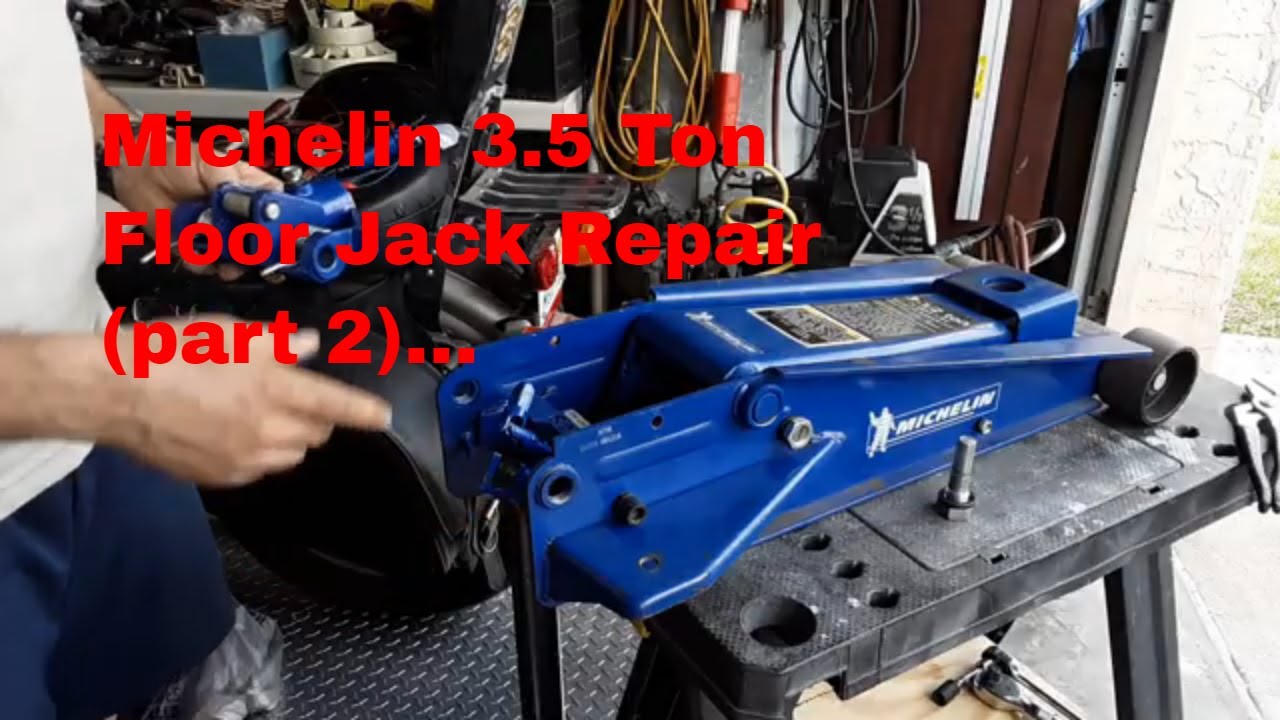
Credit: www.youtube.com
Filling The Jack
Filling the Michelin floor jack with the right fluid is key for smooth lifting. The process is simple but requires care. Following the steps below helps keep the jack working well and extends its life.
Opening The Fill Port
Locate the fill port on the side of the jack. Use a wrench or screwdriver to remove the plug. Clean around the port to avoid dirt entering the jack. Keep the plug safe for later use.
Pouring Fluid Correctly
Use hydraulic jack oil, not motor oil or other fluids. Slowly pour the fluid into the port. Fill until the fluid reaches the bottom edge of the fill hole. Avoid overfilling, which can cause leaks or pressure problems.
Avoiding Air Bubbles
Air bubbles reduce the jack’s lifting power. Pour the fluid gently to prevent bubbles. After filling, pump the jack slowly several times. This helps release trapped air. Check the fluid level again and add if needed.
Bleeding The Jack
Bleeding the Michelin floor jack is a key step after filling it with hydraulic fluid. Air can get trapped inside the jack’s system. This air causes the jack to work poorly or not lift at all. Bleeding removes the air, restoring smooth and safe operation.
Why Bleeding Is Necessary
Air inside the hydraulic system stops the jack from lifting properly. The jack may feel spongy or weak. It can also lower slowly under load. Bleeding pushes the air out and fills the system with fluid only. This keeps the jack strong and reliable.
Step-by-step Bleeding Process
Start by opening the fluid reservoir on the jack. Use the handle to pump the jack slowly several times. This helps move the air inside the system. Next, open the release valve slightly to let air escape. Keep pumping gently while air bubbles come out. Close the release valve tightly once no more air escapes. Refill fluid if the level drops. Check the jack’s lift strength before use.
Testing The Floor Jack
Testing the floor jack after filling it is essential for safety and performance. This step confirms the jack works correctly and holds weight. It also helps find any problems before real use. Follow simple checks to ensure your Michelin floor jack is ready.
Checking For Leaks
Start by inspecting the jack for oil leaks. Look around the hydraulic cylinder and joints. Use a clean cloth to wipe any dirt. If you see oil spots, the jack may need repair. Leaks cause poor lifting and can be dangerous. Fix leaks before using the jack.
Verifying Lifting Performance
Place the jack under a stable, heavy object. Pump the handle slowly to lift the load. The jack should lift smoothly without jerking or slipping. Hold the load raised for a minute to check stability. If the jack lowers on its own, it needs adjustment. Repeat the test to confirm reliable lifting.
Maintenance Tips
Maintaining your Michelin floor jack is key for its long life and safe use. Simple care steps keep it working well. Check the fluid often and store it properly. These small acts prevent damage and costly repairs.
Regular Fluid Checks
Check the hydraulic fluid every month. Low fluid can stop the jack from lifting. Use the right type of fluid made for your jack. Open the fill plug carefully and see the fluid level. Add more if the fluid is low. Clean the area before opening to avoid dirt inside. Wipe any spills to keep the jack clean.
Storage Recommendations
Store the floor jack in a dry place. Avoid damp or wet areas to stop rust. Keep it on a flat surface to prevent leaks. Cover it with a cloth or tarp to keep dust away. Do not leave the jack in the lifted position. Lower it fully before storage to protect the seals.

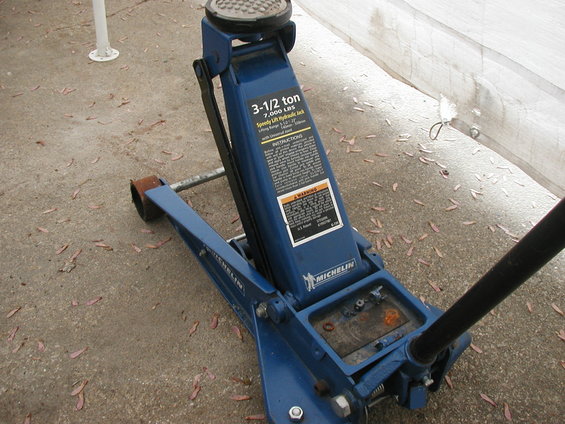
Credit: www.garagejournal.com
Credit: www.garagejournal.com
Frequently Asked Questions
How Do I Fill A Michelin Floor Jack With Oil?
To fill a Michelin floor jack, locate the oil fill plug on the jack’s body. Remove the plug and add the recommended hydraulic oil slowly. Avoid overfilling. Replace the plug securely and test the jack for smooth operation before use.
What Type Of Oil Is Best For Michelin Floor Jacks?
Use high-quality hydraulic jack oil specified by Michelin. Avoid using motor oil or other fluids. Proper oil ensures smooth lifting and protects internal parts from wear and corrosion, extending the jack’s lifespan.
How Often Should I Refill The Oil In My Floor Jack?
Refill or check the oil level every 6 to 12 months, depending on usage. Regular maintenance prevents air buildup and ensures efficient lifting performance. Always inspect for leaks or contamination during refills.
Can I Use Automatic Transmission Fluid In A Michelin Floor Jack?
No, automatic transmission fluid is not recommended. Use only the hydraulic oil specified by Michelin. Using the wrong fluid can damage seals and reduce the jack’s effectiveness and safety.
Conclusion
Filling a Michelin floor jack is simple and important. Keep the jack clean and use the right fluid. Check the fluid level often to avoid problems. Follow safety steps to prevent injuries. A well-filled jack works smoothly and lasts longer.
Taking care of your floor jack saves money and time. Now, you can fill your jack with confidence and ease. Keep these tips in mind for safe, effective use every time.