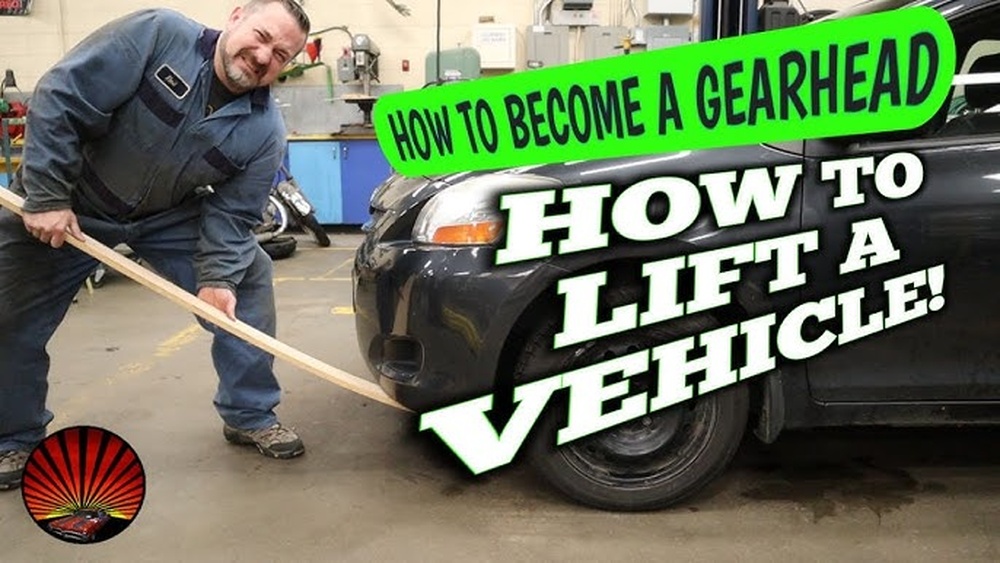
Are you ready to learn a simple skill that can save you time and money during car repairs? Knowing how to jack up a car with a floor jack is essential for every car owner.
Whether you need to change a tire, check your brakes, or do basic maintenance, using a floor jack safely and correctly is the first step. In this guide, you’ll discover easy, step-by-step instructions that anyone can follow. By the end, you’ll feel confident handling your floor jack like a pro—no more guesswork or risky moves.
Let’s get started and make your next car task safer and smoother!
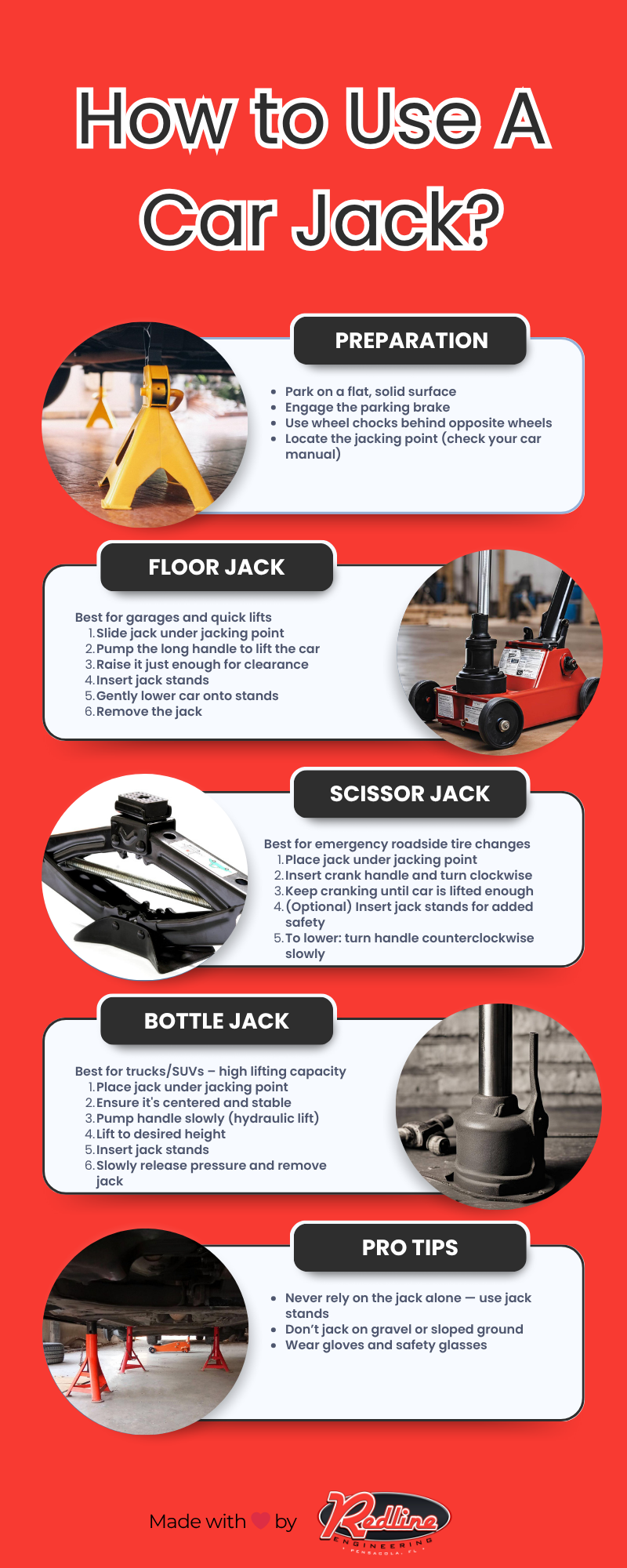
Credit: www.redlinestands.com
Choosing The Right Floor Jack
Choosing the right floor jack is important for safe and easy car lifting. A good floor jack fits your car type and your needs. It helps you lift your car smoothly and safely. This guide explains how to pick the right one.
Types Of Floor Jacks
There are several types of floor jacks. Hydraulic floor jacks are common. They use fluid pressure to lift heavy loads. Scissor jacks are smaller and manual. They work with a screw mechanism. Bottle jacks are tall and strong. They fit in tight spaces but need more room under the car.
Weight Capacity Considerations
Check your car’s weight before choosing a jack. The jack must hold more than your car’s weight. A 2-ton jack is good for most cars. Bigger trucks need jacks with higher capacity. Using a jack with low capacity is unsafe. Always choose a jack that can handle extra weight.
Safety Features To Look For
Safety is key when using a floor jack. Look for a jack with a wide base for stability. A safety valve prevents overloading. Rubber pads protect the car’s frame. Locks or pins keep the jack in place. These features help prevent accidents and damage.

Credit: heavyliftdirect.com
Preparing Your Vehicle
Preparing your vehicle is the first and most important step before using a floor jack. It ensures safety and prevents accidents. Taking a few simple actions helps keep your car steady and secure while lifting.
Selecting A Level Surface
Choose a flat and solid surface for jacking up your car. Avoid soft ground or sloped areas. A level surface keeps the car stable and stops the jack from slipping. Drive onto concrete or asphalt whenever possible.
Engaging The Parking Brake
Always set the parking brake firmly. This stops the car from rolling during the lifting process. A locked parking brake adds an extra layer of safety. Make sure the brake holds tight before using the jack.
Using Wheel Chocks
Place wheel chocks on the wheels that remain on the ground. These small blocks block the wheels from moving. Use them on both sides of at least one wheel. Wheel chocks increase stability and reduce risk while you work.
Positioning The Floor Jack
Positioning the floor jack correctly is key to lifting your car safely. It helps avoid accidents and damage. Taking time to place the jack in the right spot makes the job easier. Understanding where and how to position the jack keeps you and your vehicle safe during the lift.
Locating Jack Points On Your Car
Every car has specific jack points. These are strong spots designed to hold the weight. Check your owner’s manual for exact locations. Common jack points include the frame or pinch welds near the wheels. Avoid guessing the spot to prevent damage or slipping.
Aligning The Jack Properly
Place the jack under the identified jack point. Make sure the jack saddle aligns with the point perfectly. The saddle should sit flat against the car’s surface. Adjust the jack until it feels stable and secure. Proper alignment ensures smooth lifting and prevents slipping.
Avoiding Damage To Vehicle Components
Stay clear of fragile parts like brake lines and exhaust pipes. Do not place the jack on plastic or thin metal. Avoid the fuel tank and electrical wiring areas. Use only the car’s designated jack points for lifting. Careful positioning protects your vehicle from costly damage.
Operating The Floor Jack
Operating a floor jack properly ensures safety and efficiency while lifting a vehicle. Understanding how to use the jack’s handle and watch the car’s movement prevents accidents. Follow the steps carefully to lift your car smoothly and securely.
Pumping The Handle Correctly
Place the jack handle in the pump socket firmly. Use steady, even pumps to raise the jack. Avoid quick or jerky movements to keep control. Each pump lifts the jack a little higher. Keep pumping until the jack pad touches the car’s lifting point.
Raising The Vehicle Slowly
Lift the car at a slow, steady pace. This helps prevent sudden shifts or slips. Stop pumping if the car feels unstable. Check the jack position and the car’s contact point. Slow lifting lets you adjust if needed for safety.
Monitoring Stability During Lifting
Watch the car closely as it rises. Look for any tilting or wobbling. The car should stay balanced on the jack. If it moves, stop and lower the jack slightly. Make sure the jack is on a flat, solid surface. Stability reduces the risk of accidents.
Using Jack Stands Safely
Using jack stands safely is key to protecting yourself while working under a car. Jack stands hold the vehicle steady after it is lifted. Never rely on the floor jack alone. Floor jacks can fail or slip, causing injury or damage. Proper use of jack stands keeps the car stable and secure.
Placing Jack Stands Under The Vehicle
Locate the car’s recommended lifting points. These are usually near the frame or strong parts of the chassis. Place the jack stands under these points. Avoid placing them on weak spots like plastic or thin metal. Make sure the stands are on a flat, solid surface. This prevents the stands from tipping over.
Lowering The Car Onto Stands
Slowly lower the car by releasing the floor jack. Lower it just enough so the car rests on the jack stands. Keep the jack in place as a backup until the car is fully settled. Do not rush this step. Lowering too fast can cause the car to slip off the stands.
Double Checking Stability
Gently shake the car to check if it moves. If the car rocks or shifts, reposition the jack stands. Make sure the stands support the car evenly on both sides. The car must feel firm and stable before you work underneath. Always trust your senses over assumptions.

Credit: www.raceramps.com
Lowering The Vehicle
Lowering a vehicle safely is as important as lifting it. Proper steps prevent accidents and damage. Take your time and follow each step carefully. Safety must always be the priority when lowering a car with a floor jack.
Removing Jack Stands Safely
Before lowering the car, remove the jack stands carefully. Ensure the floor jack supports the vehicle fully. Slowly raise the car a little to take weight off the stands. Then, pull out the jack stands from under the vehicle. Keep your hands and feet clear during this step.
Lowering With The Floor Jack
Locate the release valve on the floor jack. Turn the valve slowly to lower the car. Do not rush this process. Lower the car steadily until the tires touch the ground. Stop turning the valve once the car is fully lowered.
Final Safety Checks
After lowering, remove the floor jack completely. Check that the vehicle sits firmly on the ground. Test the car’s stability by gently rocking it. Ensure no tools or stands remain under the vehicle. Your car is now safely lowered and ready for use.
Common Mistakes To Avoid
Using a floor jack is simple, but many people make common mistakes. These errors can cause injury or damage. Knowing what to avoid helps keep you and your car safe. Here are key mistakes to watch out for.
Overloading The Jack
Every floor jack has a weight limit. Exceeding this limit can cause the jack to fail. Never try to lift a car heavier than the jack’s rating. Check the manual before starting. Overloading can lead to sudden drops or jack breakage.
Ignoring Surface Conditions
Always place the jack on a flat, solid surface. Soft ground or uneven areas can make the jack unstable. This may cause it to tip over or sink. Avoid lifting on gravel, grass, or slopes. Use a sturdy board if needed to create a stable base.
Skipping Safety Gear
Safety gear protects you during the lifting process. Always wear gloves to keep a firm grip. Use safety glasses to shield your eyes from debris. Never work under a car supported only by a jack. Use jack stands to secure the vehicle before going underneath.
Maintaining Your Floor Jack
Maintaining your floor jack keeps it safe and reliable for lifting your car. Regular care prevents damage and extends its life. Simple steps can avoid costly repairs and ensure smooth operation.
Regular Inspection
Check your floor jack before each use. Look for leaks, cracks, or rust on the body. Make sure the wheels roll freely and the handle moves smoothly. Tighten any loose bolts or nuts. Spot problems early to avoid accidents.
Lubrication Tips
Keep moving parts well-lubricated. Use a light machine oil on the wheels and hinges. Avoid over-oiling, which can attract dirt. Wipe off old grease and dirt before applying new oil. Proper lubrication reduces wear and noise.
Storage Recommendations
Store your floor jack in a dry place. Avoid damp areas that cause rust. Lower the jack fully before storing it. Cover it with a cloth to keep dust away. Proper storage keeps your jack ready for use.
Frequently Asked Questions
How Do I Safely Position A Floor Jack Under My Car?
Place the floor jack under the vehicle’s recommended jacking point. Ensure the jack is on a flat, stable surface. Align it properly to avoid slipping and damage. Always consult your car’s manual for exact jack placement to ensure safety.
What Steps Are Essential Before Using A Car Floor Jack?
Before jacking up your car, engage the parking brake and block the wheels. Check the jack for any damage or leaks. Clear the area of people and obstacles. These steps prevent accidents and ensure smooth lifting.
How High Should I Lift The Car With A Floor Jack?
Lift the car just enough to remove the wheel or perform the needed task. Avoid raising the car too high to maintain stability. Always support the vehicle with jack stands after lifting for safety.
Can I Use A Floor Jack On Uneven Surfaces?
No, using a floor jack on uneven surfaces is unsafe. It can cause the jack to slip or collapse. Always use the jack on a solid, level surface to ensure secure lifting and your safety.
Conclusion
Using a floor jack safely is key to any car repair. Always place the jack under the right spot on your car. Pump the handle slowly and watch the car rise steadily. Never rush or ignore safety checks. Lower the car gently after your work is done.
Taking these steps helps prevent accidents and damage. Keep practicing and stay careful every time. Your car and your safety both matter a lot.