Have you ever faced the frustration of a broken deadbolt that won’t budge from the outside? It can feel like you’re locked out of your own home, with no easy way to fix the problem.
But don’t worry—removing a broken deadbolt from the outside is simpler than you think. In this guide, you’ll discover clear, step-by-step solutions to get your door back in working order quickly. Keep reading, and you’ll learn how to take control of the situation without calling a locksmith or spending a fortune.
Your peace of mind is just a few easy steps away.
Tools Needed
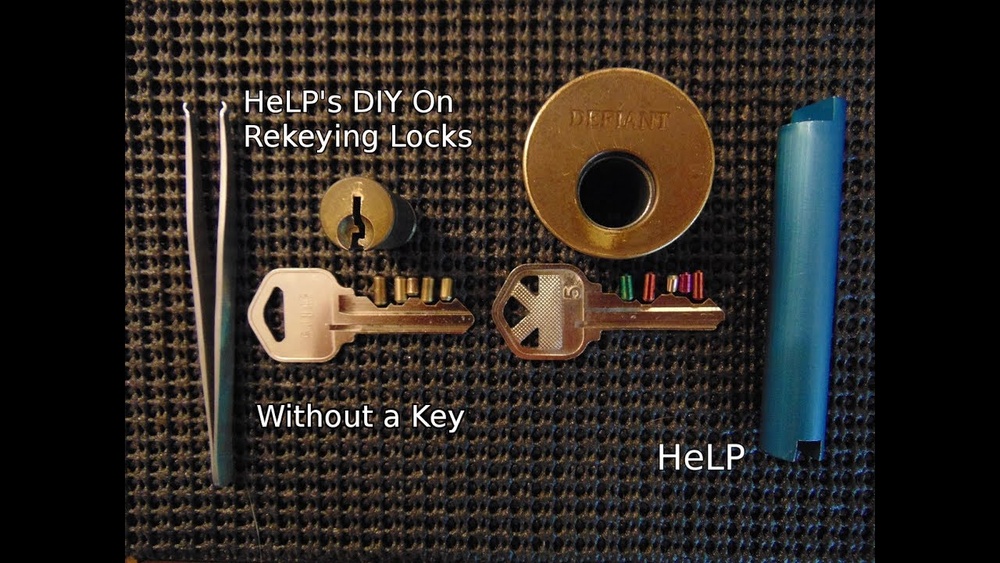
Removing a broken deadbolt from the outside requires the right tools. Having these tools ready makes the job easier and safer. The tools help you work carefully and avoid damaging the door.
Here is a list of tools needed for this task. Each tool has a clear purpose. Prepare them before you start.
Flathead Screwdriver
A flathead screwdriver helps to pry off covers or plates. It fits into small gaps to lift parts gently. Use it to remove screws or pry the deadbolt casing.
Phillips Screwdriver
This screwdriver fits screws with a cross shape. Most deadbolts use these screws. A good fit helps avoid stripping the screw heads.
Drill With Metal Drill Bits
A drill speeds up the removal of stuck screws. Metal drill bits can bore through deadbolt parts. Use it carefully to avoid door damage.
Pliers
Pliers grip and twist small pieces. They help pull out broken parts. Needle-nose pliers work best for tight spots.
Hammer
A hammer taps gently to loosen stuck parts. It helps when screws or bolts are stuck tight. Use light taps to avoid damage.
Lubricant Spray
Lubricant spray loosens rusted or stuck parts. It makes screws easier to turn. Spray it and wait a few minutes before working.

Credit: www.reddit.com
Safety Precautions
Removing a broken deadbolt from the outside can be tricky and sometimes risky. Taking safety precautions protects you and prevents damage to your door or lock. Follow these simple steps to stay safe during the process.
Wear Protective Gloves And Eye Gear
Broken deadbolts may have sharp edges or small metal shards. Gloves protect your hands from cuts and scratches. Safety glasses keep your eyes safe from flying debris or dust. Never skip this basic protection.
Use The Right Tools For The Job
Using improper tools can cause injury or worsen the damage. Choose tools designed for lock removal, like screwdrivers and pliers. Avoid forcing parts to move. Work slowly and carefully to avoid accidents.
Work In A Well-lit Area
Good lighting helps you see small parts and avoid mistakes. A well-lit workspace reduces the chance of slipping or dropping tools. Use a flashlight or portable lamp if needed.
Keep Children And Pets Away
Tools and broken lock pieces can be dangerous for kids and pets. Create a safe workspace free of distractions. This helps you focus and finish the task quickly and safely.
Know When To Call A Professional
Sometimes the deadbolt is too damaged or stuck. If you feel unsure or unsafe, stop and call a locksmith. Professionals have experience and tools to handle tough situations safely.
Assessing The Damage
Assessing the damage is the first step in removing a broken deadbolt from the outside. This step helps understand how badly the lock is damaged. It guides the tools and methods needed for removal.
Look closely at the deadbolt and surrounding door parts. Check what is broken, stuck, or missing. This careful inspection saves time and effort later.
Check The Deadbolt Cylinder
Start by examining the cylinder where the key goes. Look for cracks, dents, or signs of forced entry. See if the key turns or gets stuck inside. A damaged cylinder might need special tools for removal.
Inspect The Door Surface
Look at the door area around the lock. Notice any splintered wood or bent metal. Damage here affects how the deadbolt comes out. It can also show if the door frame is weakened.
Test The Lock Mechanism
Try turning the key or knob gently. Does it move or feel jammed? A stuck mechanism often means internal parts are broken. This test helps decide if you can fix or must replace the deadbolt.
Assess The Lock’s Condition
Determine if the deadbolt is old or recently damaged. Older locks may rust or have worn parts. Newer locks might be stuck due to mechanical failure. This helps pick the right removal technique.

Credit: www.aspire-doors.co.uk
Removing The Broken Key
Removing a broken key from a deadbolt can be tricky. The key might break inside the lock, stopping you from opening the door. This section shows easy ways to pull out the broken key. Follow these steps carefully to avoid more damage.
Using Needle-nose Pliers
Needle-nose pliers are very useful for gripping small objects. Look inside the keyhole to find the broken piece. Try to grab the key with the pliers gently. Pull the key out slowly and steadily. Avoid pushing the key further inside. Take your time and be patient.
Applying Lubricant
Lubricant helps loosen the broken key inside the lock. Spray a small amount into the keyhole. This reduces friction and makes the key easier to remove. Wait a few minutes after applying lubricant. Then use pliers or a key extractor to pull the key out. Use lubricant carefully to avoid mess.
Using A Broken Key Extractor
A broken key extractor is a special tool for this problem. Insert the tool into the lock alongside the broken key. The extractor has tiny hooks to catch the key. Gently pull the tool back to remove the broken piece. This method works well if pliers cannot reach the key. Use slow and steady movements for best results.
Removing The Deadbolt Cylinder
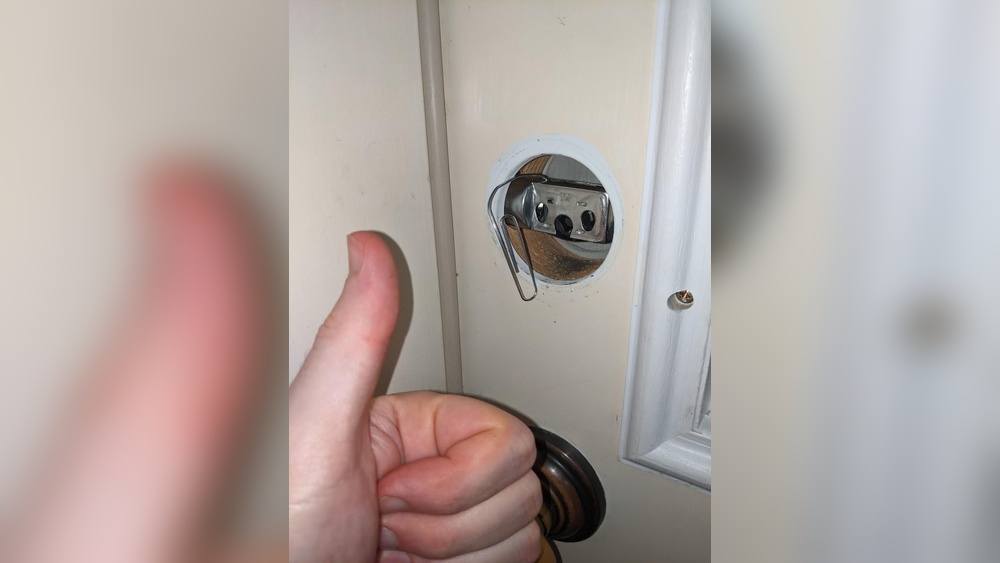
Removing the deadbolt cylinder is a key step in taking out a broken deadbolt from the outside. The cylinder is the part where you insert the key. Without removing it, you cannot take out the entire lock. This process needs care and the right tools.
Follow these simple steps to locate and remove the cylinder safely. Doing this will make the rest of the removal process easier and faster.
Locating The Cylinder Retaining Screw
First, find the small screw that holds the cylinder in place. This screw is called the retaining screw. It is usually located on the side of the door edge. Look closely near the deadbolt faceplate. Use a flashlight if needed to see the screw clearly. This screw keeps the cylinder secure inside the door.
Using A Screwdriver To Remove The Cylinder
Use a screwdriver that fits the retaining screw well. Turn the screwdriver counterclockwise to loosen the screw. Do this slowly to avoid stripping the screw head. Once the screw is loose, pull the cylinder out gently. If it does not come out easily, wiggle it slightly while pulling. Keep the cylinder safe for later use or replacement.

Credit: www.reddit.com
Dealing With Stuck Or Jammed Deadbolts
Stuck or jammed deadbolts can make removing a broken lock difficult. Dirt, rust, or old grease often cause the lock to seize. Patience and careful steps help loosen the deadbolt. This section explains simple ways to deal with these problems safely.
Applying Penetrating Oil
Spray a small amount of penetrating oil into the keyhole. Let it sit for 10 to 15 minutes. The oil breaks down rust and dirt inside the lock. Repeat the process if the lock still feels stuck. Avoid using too much oil to prevent messes.
Tapping The Cylinder Gently
Use a small hammer or the back of a screwdriver. Tap the lock cylinder lightly to loosen internal parts. Do this carefully to avoid damaging the lock. Tapping helps free stuck pins or tumblers inside the cylinder. Try turning the key or lock after tapping.
Replacing The Deadbolt
Replacing the deadbolt is the next step after removing the broken lock. A new deadbolt improves security and works smoothly. Choosing the right lock and installing it correctly ensures your door stays safe.
Choosing A New Deadbolt
Select a deadbolt that fits your door’s thickness and style. Look for solid metal locks with good reviews. Single-cylinder deadbolts are common and easy to use. Double-cylinder locks add security but need a key on both sides. Check the lock’s grade for strength; Grade 1 is the strongest.
Installing The New Lock
Start by aligning the new deadbolt with the holes on the door. Insert the bolt mechanism first and secure it with screws. Attach the exterior part of the lock through the door. Connect the interior side and tighten all screws firmly. Test the lock to confirm it turns smoothly and locks well. Adjust if the bolt does not align with the strike plate on the door frame.
Tips To Prevent Future Breakage
Preventing deadbolt breakage saves time and money. It also keeps your home safe. Small actions help make your lock last longer. Follow these simple tips to avoid future problems.
Understanding how to care for your deadbolt can stop damage early. Use these easy steps to protect your lock from breaking again.
Regular Cleaning And Lubrication
Dirt and rust cause locks to get stuck and break. Clean your deadbolt every few months. Use a soft cloth to remove dust and grime. Apply graphite or silicone spray to keep it moving smoothly.
Choose Quality Locks
Buy locks made from strong materials. Cheap locks break easier under pressure. Look for products with good reviews and strong ratings. A quality lock can resist forced entry better.
Proper Installation
Incorrect installation weakens your deadbolt. Ensure the lock fits tightly in the door. Use the right screws and tools. Ask a professional if unsure. A well-installed lock works better and lasts longer.
Avoid Excessive Force
Forcing the key or handle damages the lock. Turn the key gently and avoid yanking. Teach family members to be careful. Gentle use protects the lock’s internal parts.
Inspect For Damage Often
Check your deadbolt for cracks or wear regularly. Catch problems early to fix them easily. Replace parts before they break completely. Regular checks keep your lock strong and secure.
Frequently Asked Questions
How Do I Remove A Broken Deadbolt From Outside?
To remove a broken deadbolt, first unscrew the exterior screws. Use a drill if screws are stripped. Carefully pull the lock apart and remove any remaining pieces.
What Tools Are Needed To Remove A Broken Deadbolt?
You need a screwdriver, drill, pliers, and possibly a hacksaw. These tools help loosen screws, cut parts, and pull out the deadbolt safely.
Can I Remove A Broken Deadbolt Without Damaging The Door?
Yes, use proper tools and gentle force. Avoid excessive drilling or prying. Protect the door surface with tape before working to prevent scratches.
How Long Does It Take To Remove A Broken Deadbolt?
Removing a broken deadbolt typically takes 15 to 30 minutes. Time depends on damage severity and your experience with tools.
Conclusion
Removing a broken deadbolt from the outside is doable with care. Follow each step slowly and use the right tools. Keep safety in mind to avoid damage or injury. If the deadbolt is still stuck, don’t force it. Sometimes, calling a locksmith can save time and trouble.
Taking your time helps you fix the problem correctly. Now, you have the basics to handle a broken deadbolt on your own.