Are you ready to hang that picture, shelf, or mirror but unsure how to screw and anchor into the wall properly? You’re not alone.
Getting it right means your items stay secure and your walls stay damage-free. In this guide, you’ll discover simple, step-by-step tips that anyone can follow—even if you’ve never done this before. By the end, you’ll have the confidence and know-how to tackle your wall projects like a pro.
Keep reading, and let’s make your space look great and hold strong!
Choosing The Right Anchor
Choosing the right anchor is key to a strong and safe wall fix. Anchors hold screws firmly in different wall types. Using the wrong anchor can cause damage or make your item fall. Understanding anchor types, matching them to your wall, and checking weight limits helps you pick the best one.
Types Of Wall Anchors
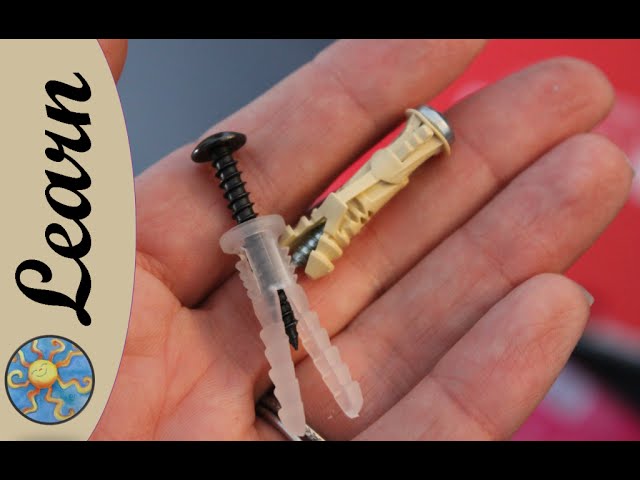
There are several common wall anchors. Plastic expansion anchors are simple and good for light loads. They expand inside the wall to hold the screw tight. Toggle bolts have wings that open behind the wall for strong support. Molly bolts create a metal sleeve that grips the wall firmly. Each type fits different needs and wall conditions.
Matching Anchors To Wall Material
Drywall needs different anchors than concrete or brick. Plastic anchors work well in drywall but may fail in heavy walls. For concrete or brick, use anchors designed for masonry. They grip rough surfaces better. Hollow walls require toggle or molly bolts because they spread the load. Picking anchors for the wall type prevents damage and improves hold.
Weight Capacity Considerations
Check the weight your anchor can hold before buying. Light anchors support small items like picture frames. Heavy anchors are for shelves, TVs, or cabinets. Always choose an anchor with a higher weight rating than your item. Overloading anchors risks wall damage and accidents. Knowing the weight helps keep your installation safe and strong.
Credit: www.youtube.com
Tools And Materials Needed
Preparing to screw and anchor into a wall requires the right tools and materials. These help make the job easier and ensure the fix is strong and safe. Gathering everything before starting saves time and reduces mistakes.
Essential Tools
You need a drill with the correct drill bits. A screwdriver or a power driver helps to turn the screws. A hammer can be useful for tapping anchors into place. A measuring tape and pencil help mark spots accurately. A level ensures your screws go in straight.
Selecting Suitable Screws
Choose screws based on the wall type. Drywall needs special drywall screws and anchors. For concrete or brick, use masonry screws and plugs. Pick screws long enough to hold the weight of the item. Check the screw diameter fits the anchor size.
Safety Equipment
Wear safety goggles to protect your eyes from dust and debris. Use gloves to protect your hands from sharp tools. Ear protection helps if the drill is loud. Keep a dust mask handy to avoid breathing in particles.
Preparing The Wall
Preparing the wall is a key step before screwing and anchoring. It helps ensure a strong hold and avoids damage. Taking time here saves effort later. Follow simple steps to get ready.
Locating Studs And Marking Spots
Find wall studs to secure screws firmly. Use a stud finder or tap the wall to hear solid areas. Mark these spots with a pencil. If studs are not available, plan to use wall anchors.
Checking For Obstacles
Look for pipes, wires, or cables hidden inside the wall. Use a wire detector or stud finder with live wire detection. Avoid drilling into these obstacles to prevent accidents and damage.
Cleaning The Surface
Wipe the wall surface clean before drilling. Remove dust, dirt, and grease with a damp cloth. A clean surface helps anchors stick better and keeps the hole clear for screws.
Drilling The Pilot Hole
Drilling the pilot hole is a key step in screwing and anchoring into the wall. This hole guides the screw and helps prevent cracks or splits. The right technique makes the job easier and the hold stronger. Focus on the drill bit size, drilling method, and protecting the wall.
Choosing The Drill Bit Size
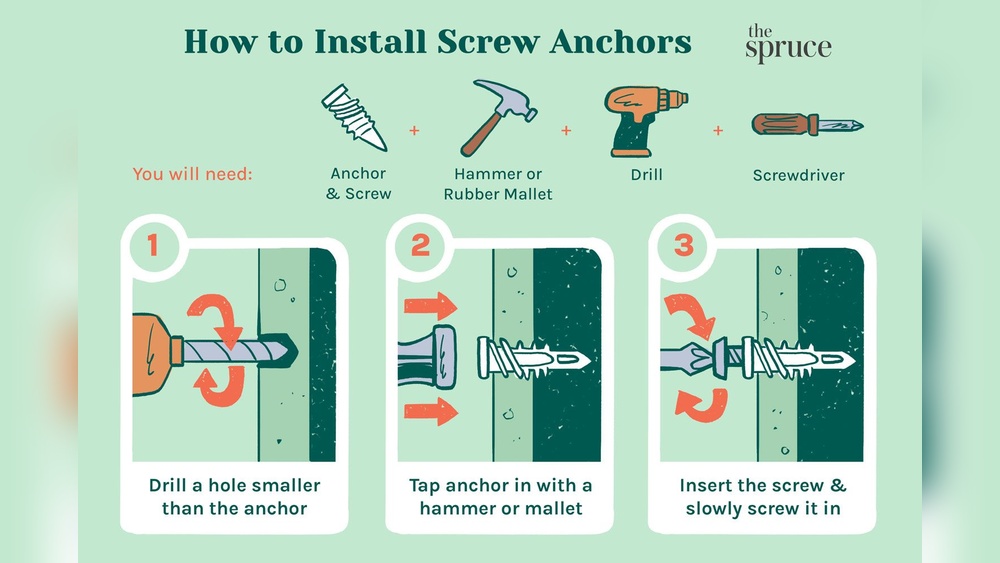
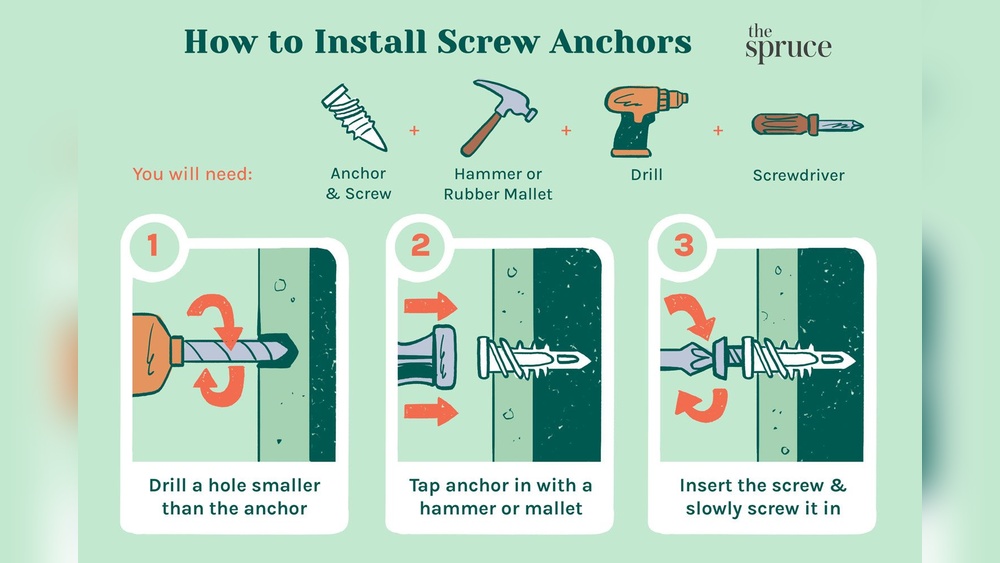
Select a drill bit that matches the anchor size. Too small a hole makes inserting difficult. Too big a hole weakens the anchor’s grip. Check the anchor package for recommended bit size. Use a sharp bit for clean holes.
Drilling Technique
Avoiding Wall Damage
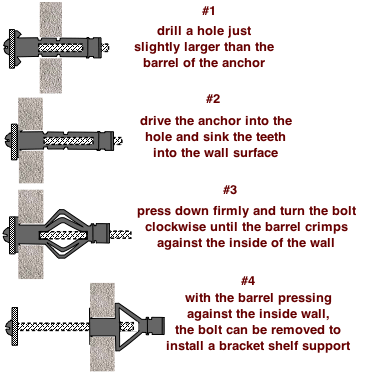
Inserting The Anchor
Inserting the anchor is a key step in securing screws into walls. It helps hold heavy items safely. The process requires care to avoid damage and ensure strength. Understanding different anchor types and proper fitting makes the job easier. Some anchors need more effort than others. Knowing how to handle these challenges prevents frustration and mistakes.
Types Of Anchor Installation
Plastic anchors are common and easy to use. They expand when the screw goes in. Metal anchors offer stronger support for heavy loads. Toggle bolts open behind the wall for extra grip. Each type needs a different method of insertion. Choose the right one for your wall and weight.
Ensuring Proper Fit
Check the hole size before inserting the anchor. The hole should match the anchor’s width closely. Too big a hole makes the anchor loose. Too small a hole can crack the wall or anchor. Push the anchor gently into the hole. It should fit snugly without forcing it.
Dealing With Difficult Anchors
Some anchors are hard to push in. Try tapping lightly with a hammer to set them. Use a drill to widen the hole slightly if stuck. Avoid forcing the anchor too hard. It can break or damage the wall. Take your time and adjust the hole carefully.
Credit: www.do-it-yourself-help.com
Driving The Screw
Driving the screw into the wall is a key step in secure anchoring. It needs focus and the right tools. This process ensures the anchor holds tight and supports weight well. Understanding how to drive screws properly makes your work last longer and stay safe.
Choosing The Right Screwdriver
Select a screwdriver that fits the screw head exactly. A wrong fit can strip the screw and damage the wall. Use a Phillips screwdriver for cross-shaped screws. Flathead screwdrivers are for single slot screws. Electric screwdrivers speed up work but control is important.
Screwing Techniques
Start by placing the screw straight into the anchor. Turn it slowly to avoid slipping. Apply steady pressure while twisting the screwdriver. Keep the screw aligned with the wall surface. Pause if the screw feels stuck, then try again gently. This method prevents damage and ensures a strong hold.
Avoiding Over-tightening
Stop turning the screw once it feels firm. Over-tightening can strip the anchor or crack the wall. It reduces the anchor’s grip and weakens the hold. Tighten just enough for the screw to feel secure. This balance keeps your mounted items safe and stable.
Testing The Hold
Testing the hold of a screw and anchor in the wall is essential. It ensures the fixture stays secure over time. A strong hold prevents damage and accidents. This step saves effort and money later.
Assessing Stability
Gently wiggle the object attached to the wall. Check for any movement or wobbling. A solid hold will feel firm and steady. Slight movement means the screw or anchor may not grip well. Test by applying light pressure in different directions. Confirm the screw does not loosen easily.
Troubleshooting Loose Screws
Loose screws happen if the hole is too big. It can also occur if the anchor is weak or damaged. Remove the screw and inspect the hole. Use a larger anchor or fill the hole with wall filler. Let it dry before inserting a new anchor. Tighten the screw carefully, avoiding over-tightening.
Reinforcing If Needed
Reinforce the hold by adding extra anchors nearby. Use longer screws for deeper grip in the wall. Choose anchors designed for your wall type, like drywall or masonry. Consider using toggle bolts for heavy items. Reinforcing improves safety and supports heavier weight.
:max_bytes(150000):strip_icc()/how-to-use-and-discard-anchor-screws-1822671-002-04-4963da18c2674e6bbf07e5fc07d5b4f0.jpg)
Credit: www.thespruce.com
Tips For Different Wall Types
Different wall types need different anchors and screwing methods. Knowing the right tip for each wall makes your job easier. It helps keep your items safe and secure.
This guide offers simple tips for drywall, masonry, and plaster walls. Follow these steps to choose the best anchors and tools.
Drywall Anchoring Tips
Drywall is soft and can break easily. Use plastic or metal anchors made for drywall. Drill a small hole first to avoid damage. Push the anchor gently into the hole. Use screws that fit the anchor size. Avoid heavy items on drywall without studs.
Masonry Wall Anchoring
Masonry walls are strong but hard to drill. Use a hammer drill and masonry bit for best results. Insert a plastic or metal sleeve anchor into the hole. Tap it in until it is flush with the wall. Use screws that match your anchor type. Wear safety glasses to protect your eyes from dust.
Plaster Wall Considerations
Plaster walls can crack if you are not careful. Drill a small pilot hole to reduce pressure. Use toggle bolts or molly bolts for heavy items. Avoid over-tightening screws to prevent damage. Check for lath or studs behind plaster for better support. Handle plaster walls gently to keep them intact.
Frequently Asked Questions
What Tools Do I Need To Screw And Anchor Into The Wall?
You need a drill, screwdriver, wall anchors, screws, and a hammer. A drill helps make pilot holes, while anchors secure screws in drywall or masonry walls.
How Do I Choose The Right Wall Anchor?
Select anchors based on wall type and weight load. Plastic anchors work for light loads, while metal anchors suit heavier items. Match anchor size to screw size for best hold.
Can I Screw Directly Into Drywall Without Anchors?
Screwing directly into drywall is weak and can cause damage. Use anchors to distribute weight and secure items safely on drywall surfaces.
How Deep Should I Drill Before Inserting An Anchor?
Drill a hole slightly deeper than the anchor length. This ensures the anchor fits fully and grips the wall securely for maximum support.
Conclusion
Screwing and anchoring into a wall is easier than it seems. With the right tools and steps, anyone can do it. Always choose the right anchor for your wall type. Drill carefully and insert anchors firmly for strong support. Take your time and work safely.
These simple tips help your project hold well and last long. Try it yourself and see the difference!