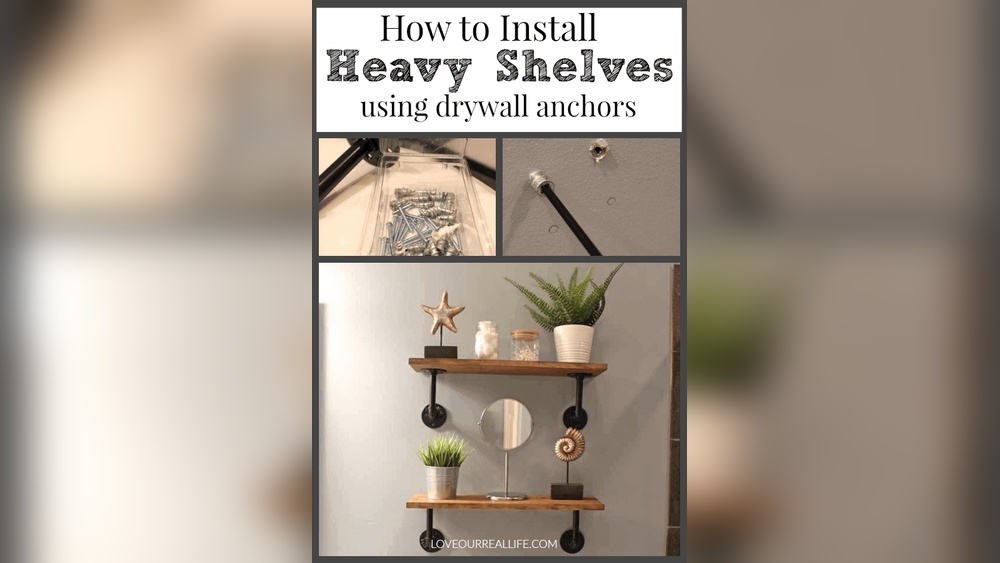
Are you tired of watching your shelves sag or fall off the wall? Using the right wall anchors can make all the difference in keeping your shelves sturdy and secure.
Whether you’re hanging heavy books, decorations, or kitchenware, knowing how to use wall anchors properly will save you time, money, and frustration. In this guide, you’ll learn simple steps to choose and install the perfect anchors for your shelves—so you can confidently display your items without worry.
Keep reading, and discover the secret to strong, reliable shelves that last.
Types Of Wall Anchors
Wall anchors help hold shelves firmly on walls. Different types suit different wall materials and shelf weights. Choosing the right anchor ensures safety and stability.
Plastic Expansion Anchors
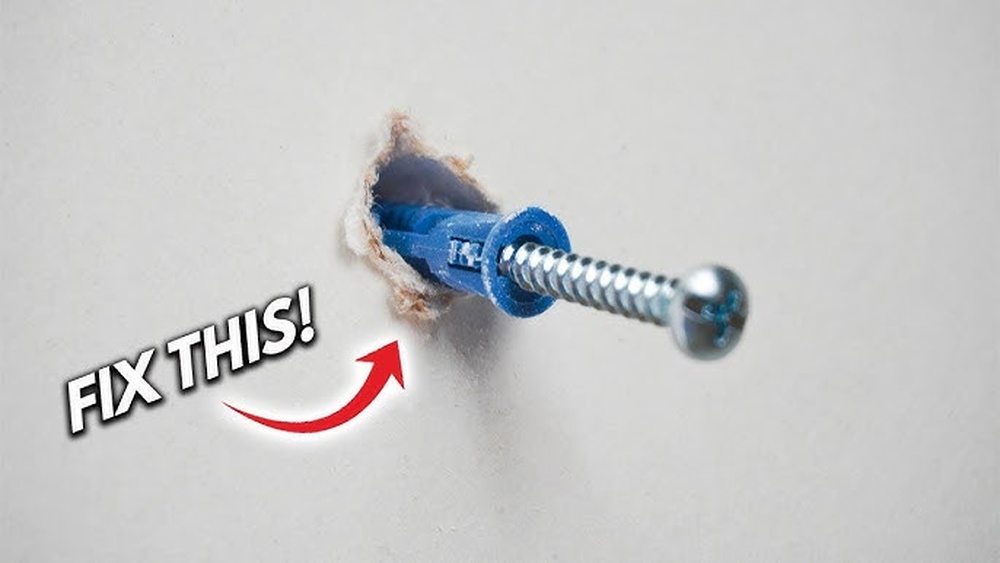
Plastic expansion anchors are common and easy to use. They fit well in drywall and light materials. Insert the anchor into a drilled hole, then screw in the fastener. The plastic expands to hold the shelf tightly.
Self-drilling Anchors
Self-drilling anchors do not need a pre-drilled hole. They screw directly into drywall. These anchors hold medium-weight shelves. Their design makes installation quick and simple.
Toggle Bolts
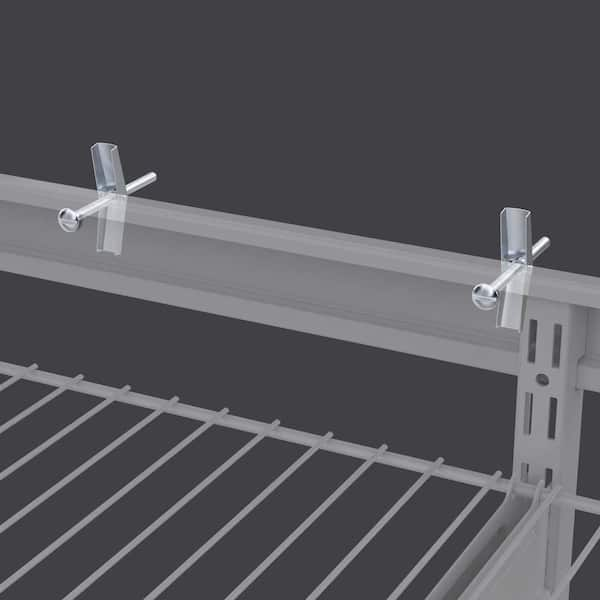
Toggle bolts work well for heavy shelves. They have spring-loaded wings that open behind the wall. This spreads the load over a larger area. Perfect for hollow walls and ceilings.
Molly Bolts
Molly bolts are metal anchors that expand inside the wall. They provide strong support for medium to heavy shelves. Once inserted, they lock firmly in place. Great for drywall and plaster walls.
Heavy-duty Anchors
Heavy-duty anchors are designed for very heavy shelves. Made from metal, they offer maximum strength. Use them in concrete, brick, or thick walls. They ensure shelves stay secure under heavy loads.
Choosing The Right Anchor
Choosing the right wall anchor is key to installing shelves safely and securely. The right anchor supports the shelf and prevents damage to your walls. Several factors influence this choice. Understanding these helps you pick the best anchor for your project.
Weight Capacity Considerations
Each wall anchor has a weight limit. This limit shows how much weight it can hold. Always check the weight of items you want on your shelf. Choose an anchor with a higher weight capacity than your shelf load. This avoids accidents and shelf failure.
Wall Material Compatibility
Walls come in different materials like drywall, plaster, or concrete. Not all anchors fit every wall type. Some anchors work best with drywall, while others hold better in masonry. Know your wall material before choosing an anchor. This ensures a firm and lasting hold.
Shelf Size And Load
The size of your shelf affects anchor choice. Larger shelves hold more weight and need stronger anchors. Small shelves may need lighter anchors. Think about what you will place on the shelf. This helps you decide the right anchor type and number.
Tools Needed For Installation
Installing shelves with wall anchors needs the right tools. These tools help make the job easier and the shelf stronger. Prepare them before starting. It saves time and avoids mistakes.
Drill And Drill Bits
A drill makes holes for wall anchors. Choose drill bits that match anchor size. Use a drill that fits your strength and control. A sharp drill bit cuts clean holes fast.
Screwdrivers
Screwdrivers drive screws into anchors. Use a screwdriver that fits the screw head. A good fit stops screw slipping or damage. Both flathead and Phillips screwdrivers might be needed.
Level And Measuring Tape
A level keeps shelves straight and balanced. Measure shelf height and spacing with a tape. This avoids crooked shelves and uneven gaps. Accurate measuring means better shelf support.
Pencil For Marking
Mark anchor spots with a pencil on the wall. Clear marks guide drilling and keep holes in place. Use light marks to avoid wall damage. Erase marks after installation for a clean look.
Credit: www.homedepot.com
Preparing The Wall
Preparing the wall is a key step before installing wall anchors for shelves. Proper preparation ensures strong support and prevents damage. Take your time to get this right. It makes the whole process easier and safer.
Locating Studs
Start by finding the studs behind the wall. Studs are wooden beams that hold weight well. Use a stud finder to detect their positions. Move the device slowly along the wall. Mark each stud location with a pencil. Knowing where studs are helps decide where to place anchors.
Marking Anchor Points
Next, mark the points for your wall anchors. Measure the shelf bracket holes carefully. Transfer these measurements to the wall. Use a level to keep marks straight. Mark points between or on studs depending on shelf weight. Accurate marks guide drilling and anchor placement.
Drilling Pilot Holes
Drill pilot holes at the marked points. Use a drill bit slightly smaller than the anchor size. Drill straight into the wall at each mark. Pilot holes make anchor installation easier. They reduce the risk of wall cracks. Clean out dust from holes before inserting anchors.
Installing Wall Anchors
Installing wall anchors is essential for mounting shelves securely. Anchors hold screws tightly in drywall or plaster. They prevent shelves from falling under weight. Different anchors suit various wall types and loads. Below are simple steps for three common anchors.
Inserting Plastic And Self-drilling Anchors
Start by marking the shelf spot on the wall. Use a drill bit to make a hole for plastic anchors. For self-drilling anchors, no pre-drilling is needed. Push the anchor into the hole until flush with the wall. Screw the provided screw into the anchor. The anchor expands inside the wall, gripping tightly. These anchors work well for light to medium loads.
Securing Toggle Bolts
Toggle bolts hold heavy shelves on hollow walls. Drill a hole larger than the bolt wings. Fold the wings and push the toggle through the hole. Once inside, the wings open behind the wall. Pull the bolt gently to secure the wings. Tighten the screw while holding the bolt steady. The wings spread the load over a wide area.
Setting Molly Bolts
Molly bolts are strong anchors for medium-heavy shelves. Drill a hole matching the bolt size. Insert the molly bolt and tap it lightly with a hammer. Tighten the screw to expand the sleeve inside the wall. The expanded sleeve grips the back of the drywall. Remove the screw, mount the shelf bracket, then replace the screw.

Credit: www.wikihow.com
Mounting The Shelves
Mounting shelves securely is key to safe and useful storage. Using wall anchors makes this easier, especially on drywall. This section covers how to mount your shelves step-by-step for a solid hold.
Aligning Brackets
Start by placing the brackets against the wall where you want the shelf. Check the height and level with a spirit level. Mark the holes for drilling. Correct alignment ensures the shelf will sit straight and hold weight evenly.
Securing Screws
Drill holes at the marks and insert the wall anchors. Push the anchors fully into the wall for a tight fit. Then, screw the brackets into the anchors. Tight screws keep the brackets stable and prevent wobbling.
Checking Stability
After mounting, gently shake the brackets to test firmness. The shelf should not move or feel loose. If it does, tighten the screws or replace the anchors. Stable shelves hold your items safely without risk.
Tips For Stronger Support
Strong support is key for safe and lasting shelves. Using the right techniques helps the wall anchors hold better and keep shelves stable. Below are simple tips to make your shelf support stronger and more reliable.
Using Multiple Anchors
Use more than one anchor for each shelf. This spreads the weight across several points. It prevents too much pressure on a single spot. Multiple anchors reduce the risk of the shelf falling or the wall getting damaged.
Distributing Weight Evenly
Place heavy items evenly on the shelf. Avoid putting all weight on one side. Balanced weight keeps the shelf steady and less likely to tilt. Distribute books, decor, or tools so the load stays stable.
Regularly Inspecting Anchors
Check anchors often for any signs of wear or looseness. Tighten screws if you notice any movement. Early checks help catch problems before shelves fall. Keep your shelves safe by maintaining the anchors well.
:max_bytes(150000):strip_icc()/how-to-use-and-discard-anchor-screws-1822671_hero_3223-d16386b2a07041fc96ee92d89b9d41ab.jpg)
Credit: www.thespruce.com
Common Mistakes To Avoid
Using wall anchors for shelves seems simple but has common pitfalls. These mistakes can cause shelves to fail or walls to get damaged. Avoiding them saves time and effort. Understand these errors to secure your shelves safely and effectively.
Overloading Shelves
Wall anchors have weight limits. Putting too much weight breaks them. Shelves may fall, causing damage or injury. Check the anchor’s weight rating before hanging heavy items. Spread weight evenly across the shelf for better support.
Ignoring Wall Material
Different walls need different anchors. Drywall, plaster, brick, or concrete each require special anchors. Using the wrong anchor reduces holding power. Identify your wall type before buying anchors. This ensures a strong and safe hold.
Incorrect Anchor Size
Using anchors that are too small or large is a big mistake. Small anchors can pull out easily. Large anchors may crack the wall. Match anchor size to the screw and hole size. This guarantees a tight fit and firm grip.
Frequently Asked Questions
What Types Of Wall Anchors Are Best For Shelves?
Plastic expansion, toggle bolts, and molly bolts are common wall anchors. Choose based on wall type and shelf weight. Plastic anchors suit drywall for light loads. Toggle bolts work well for heavier shelves and hollow walls. Molly bolts offer strong support in drywall.
How Do I Install Wall Anchors For Shelves?
Drill a hole matching the anchor size. Insert the anchor flush with the wall. Tighten the screw to expand the anchor. Mount the shelf bracket securely. Always follow the anchor manufacturer’s instructions for best results.
Can Wall Anchors Support Heavy Shelves Safely?
Yes, the right wall anchor can support heavy shelves. Use toggle or molly bolts for maximum strength. Ensure you select anchors rated for your shelf’s weight. Proper installation is crucial for safety and durability.
How Do I Choose The Right Anchor Size?
Match the anchor size to the screw and load requirements. Check the weight rating on the package. Use larger anchors for heavier shelves. Avoid undersized anchors to prevent wall damage and shelf failure.
Conclusion
Using wall anchors makes shelf installation safer and stronger. Choose the right anchor for your wall type. Drill holes carefully and insert anchors firmly. Screw shelves into anchors for solid support. This simple method prevents shelves from falling or damaging walls.
Follow these steps to keep your items secure. Now, you can hang shelves with confidence and ease. Practice these tips to improve your DIY skills. Safe and steady shelves are just a few steps away.