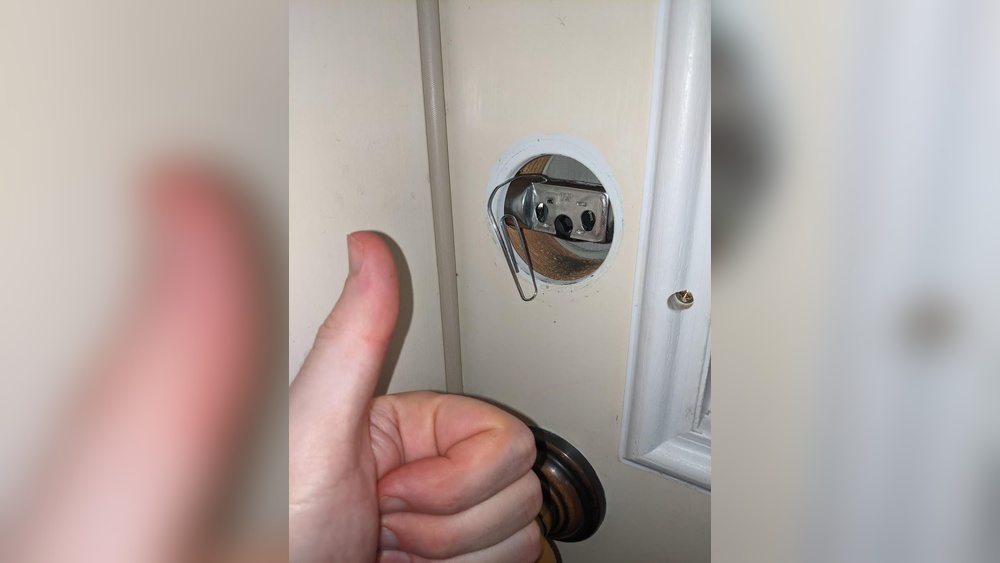
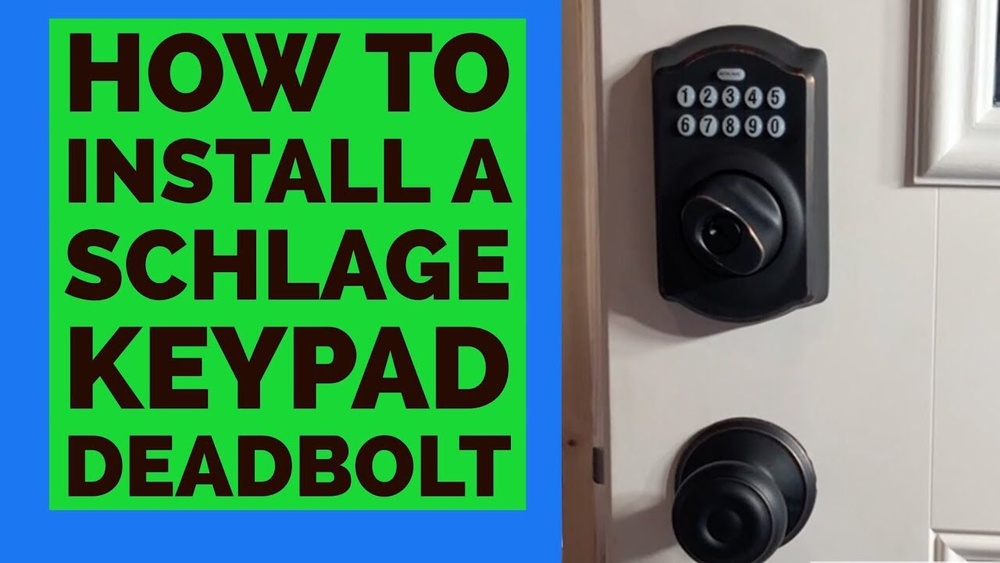
Have you ever found yourself locked out, staring at your deadbolt lock, unsure of what to do next? Knowing how to drill a deadbolt lock can be a crucial skill when you’re in a tight spot.
But this isn’t just about brute force—it’s about doing it safely, effectively, and without causing unnecessary damage. In this guide, you’ll learn step-by-step how to drill your deadbolt lock the right way, so you can regain access quickly and with confidence.
Keep reading, because mastering this simple technique could save you time, money, and a lot of frustration.

Credit: www.familyhandyman.com
Tools Needed
Drilling a deadbolt lock requires the right tools for safety and success. Using proper equipment makes the job easier and avoids damage. Below are the essential tools needed for this task.
Drill Types
A power drill is necessary to drill through the lock. Corded drills provide steady power and do not run out of battery. Cordless drills offer more mobility but need charged batteries. Choose a drill with variable speed control for better precision.
Drill Bits
High-quality drill bits are important to cut through metal parts of the deadbolt. Use a cobalt or titanium bit for durability and heat resistance. Start with a small bit to make a pilot hole. Then switch to a larger bit to widen the hole.
Safety Gear
Protect yourself by wearing safety glasses to shield your eyes from metal shavings. Use gloves to protect your hands from sharp edges. Hearing protection is helpful if your drill is loud. Work in a well-lit area to see clearly.
Preparing The Lock
Preparing the lock is the first step in drilling a deadbolt. This step ensures accuracy and safety. Take your time to set up the lock properly before drilling. A well-prepared lock helps prevent damage and makes the process smoother.
Locating The Deadbolt
Find the exact position of the deadbolt on the door. Check both sides of the door to see the lock mechanism. Use a flashlight if needed to see inside the lock area. Knowing the location helps avoid drilling the wrong spot.
Marking Drill Points
Mark the points where you will drill carefully. Use a pencil or marker to make clear, visible marks. Double-check the marks to ensure they align with the deadbolt parts. Accurate marks guide the drill and protect the door.
Drilling Process
The drilling process is the main step in opening a deadbolt lock by force. It needs focus and care to work well. This part explains how to drill safely and correctly. Each step helps you avoid problems and get the lock open fast.
Starting The Drill
Hold the drill steady and straight. Use a drill bit made for metal. Start drilling at the center of the lock cylinder. Keep the drill slow at first. This helps the bit grip the metal better. Do not press too hard. Let the drill do the work.
Drilling Through The Cylinder
Keep drilling until you break through the cylinder. The cylinder is the round part where the key goes. Drill carefully to avoid bending the drill bit. Use a bit of oil to cool the bit. This stops overheating and keeps drilling smooth. Stop drilling once you see metal shavings or the lock loosens.
Avoiding Damage
Protect the door frame and surrounding area. Use tape around the lock to catch metal bits. Avoid drilling too deep to stop damage inside the door. Wear safety glasses to protect your eyes. Always check the drill bit condition. Replace it if it gets dull or bent.
Bypassing The Lock
Bypassing a deadbolt lock involves accessing the lock mechanism without using the key. This process requires careful steps to avoid damaging the door or lock. Understanding how to bypass can help in emergencies or lock replacement situations.
Removing Lock Components
First, remove the screws on the lock’s faceplate. Use a screwdriver to take off the interior knob or handle. Carefully pull out the lock cylinder from the door. This exposes the internal parts needed for bypassing. Keep all parts safe to reassemble later.
Unlocking The Door
With the lock components removed, locate the tailpiece inside. Use a flat tool to turn the tailpiece and release the bolt. Apply gentle pressure to avoid breaking any parts. Slowly push or pull the door to open it. Practice patience and steady hands during this step.
Safety And Legal Tips
Drilling a deadbolt lock requires careful thought about safety and legal issues. Ignoring these tips can lead to serious trouble or injury. Always follow the rules and protect yourself during the process.
When Drilling Is Allowed
Drilling a deadbolt lock is only legal if you own the property or have permission. Doing it on someone else’s property without consent is illegal. This can lead to fines or criminal charges. Use this method only as a last resort when other options fail.
Precautions To Take
Wear safety goggles to protect your eyes from flying metal bits. Use gloves to avoid hand injuries. Make sure the drill bit is the right size for the lock. Work slowly and carefully to avoid damaging the door or lock. Keep children and pets away from the work area for safety.

Credit: www.youtube.com

Credit: www.parkavenuelocks.com
Frequently Asked Questions
How Do I Safely Drill A Deadbolt Lock?
To safely drill a deadbolt lock, use a power drill with a strong drill bit. Drill at the lock cylinder’s center slowly. Wear safety goggles and avoid excessive force to prevent damage or injury.
What Tools Are Needed To Drill A Deadbolt Lock?
You need a power drill, high-quality drill bits (preferably cobalt or titanium), safety goggles, and gloves. These tools ensure precision and safety while drilling through the lock mechanism.
Can Drilling A Deadbolt Damage My Door?
Drilling may damage the lock and door if done incorrectly. Use proper tools and techniques to minimize harm. Always drill slowly and carefully at the lock cylinder to avoid unnecessary damage.
Is Drilling A Deadbolt Lock Legal?
Drilling a deadbolt lock is legal only on locks you own or have permission to open. Unauthorized drilling is illegal and may lead to criminal charges. Always ensure you have the right to drill the lock.
Conclusion
Drilling a deadbolt lock takes care and the right tools. Always wear safety gear and mark the spot clearly. Go slow and steady to avoid damage. Knowing each step helps you stay safe and effective. Practice on old locks before trying on important doors.
Doing the job right saves time and frustration later. Keep your home secure by handling locks carefully. Simple steps make a tough task easier to manage.