Have you ever tried to remove an old wall anchor and ended up making a bigger mess? Those stubborn anchors can be tricky, but you don’t have to struggle any longer.
Knowing the right way to get them out can save your walls and your time. You’ll discover simple, step-by-step methods to remove old wall anchors without damaging your walls. Keep reading, and you’ll feel confident tackling this common home project like a pro.

Credit: www.youtube.com
Tools Needed
Removing old wall anchors requires the right tools. Having the proper tools makes the job easier and safer. Some tools are found in most homes, while others are made for this task. Knowing what to use helps you finish the work quickly. Below are the tools needed for removing wall anchors.
Common Household Tools
Many wall anchor removals can be done with simple household tools. A flathead screwdriver helps pry anchors from the wall. A pair of pliers can grip and pull out stubborn anchors. A hammer may be useful to tap anchors loose gently. A utility knife can cut around the anchor if needed. These tools are easy to find and often all you need.
Specialty Tools For Anchors
Some anchors need special tools for removal. An anchor removal tool is designed to pull anchors cleanly. A drill with a screwdriver bit can unscrew certain anchors. A stud finder helps avoid damage by locating studs behind anchors. Using these tools can make the process faster and cleaner. Specialty tools work best for tough or hidden anchors.

Credit: www.youtube.com
Types Of Wall Anchors
Wall anchors come in various types. Each type fits different wall materials and weight needs. Knowing these types helps in removing old wall anchors safely. Here are the common wall anchors found in homes.
Plastic Expansion Anchors
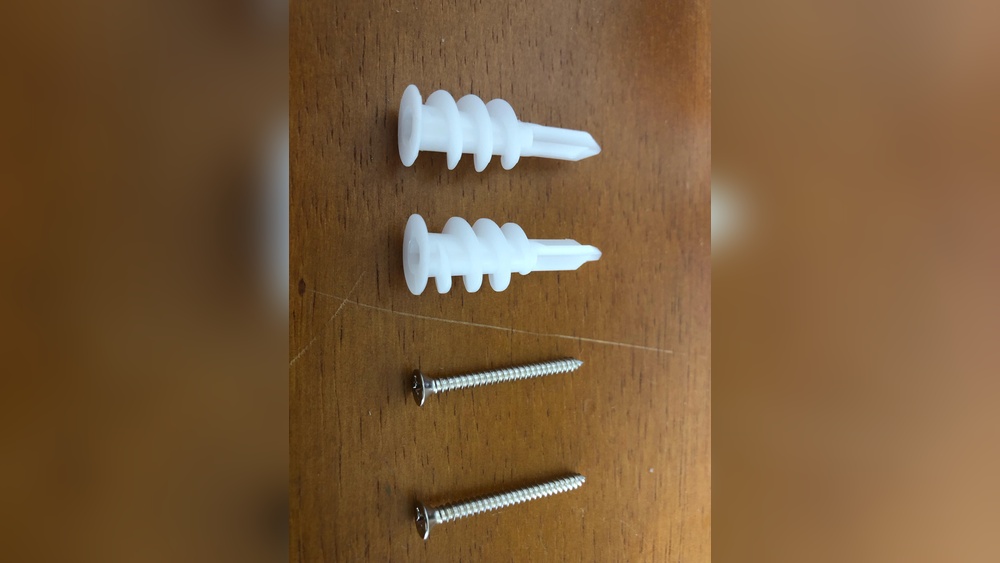
Plastic expansion anchors are small and simple. They expand inside the wall when a screw is driven in. These anchors work best in drywall and light materials. Removal often means pulling the anchor out or pushing it through the wall.
Toggle Bolts
Toggle bolts have wings that open behind the wall. They provide strong support for heavy items. The wings close when inserted and open inside the wall cavity. Removing toggle bolts requires unscrewing and carefully pulling the wings out.
Molly Bolts
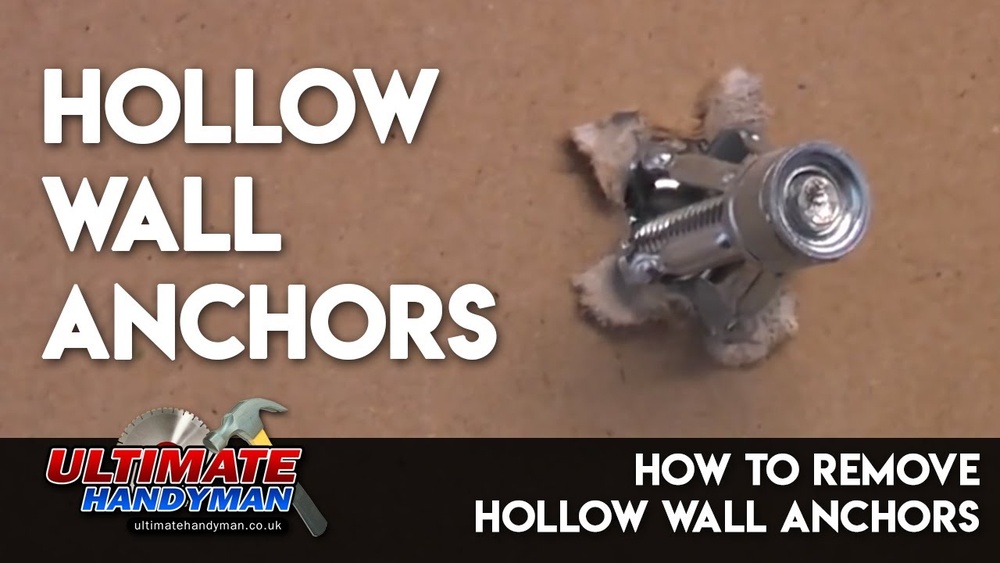
Molly bolts are metal anchors with expandable sleeves. They spread behind the wall for a secure hold. These anchors are common in drywall for medium loads. To remove, unscrew the bolt and gently pull the sleeve free.
Self-drilling Anchors
Self-drilling anchors screw directly into drywall without a pilot hole. They have sharp threads that grip tightly. These anchors support medium to heavy loads. Removal usually involves unscrewing the anchor or pushing it through.
Preparation Steps
Removing old wall anchors starts with good preparation. Taking the right steps ensures the job is safe and smooth. Preparing the space and tools can save time and prevent damage.
Clear The Area
Remove furniture and items near the wall. This gives you space to work freely. Clear the floor to avoid tripping hazards. Protect nearby objects from dust or debris. Use a drop cloth or old sheet if needed.
Gather Tools
Collect all tools before starting the job. You will need pliers, a screwdriver, and a putty knife. A drill might be helpful for stubborn anchors. Have a flashlight ready for better visibility. Keep a small container for screws and anchors.
Safety Tips
Wear safety glasses to protect your eyes from dust. Use gloves to avoid sharp edges or splinters. Work in a well-lit area to see clearly. Keep children and pets away during the work. Take breaks if you feel tired or stressed.
Removing Plastic Expansion Anchors
Plastic expansion anchors are common in walls for hanging items. Removing them can be tricky but possible with simple tools. This section shows easy methods to remove plastic anchors without damage. Choose the best way based on your tools and wall type.
Pulling Out Method
Try pulling the anchor straight out if it sticks out a bit. Use your fingers or a flat tool to grip it firmly. Pull slowly and steady. If it moves, keep pulling until it comes out. Avoid twisting to stop wall damage.
Pushing In Method
Push the anchor deeper into the wall if pulling fails. Use a screwdriver or similar tool. Press the anchor gently but firmly until it slides inside the wall cavity. This leaves a small hole to fill later. It works well on drywall.
Using Pliers
Grip the anchor with needle-nose pliers for better control. Twist slightly while pulling straight out. This loosens the anchor from the wall. Pull gently to avoid breaking it. Pliers help if the anchor is flush with the wall.
Removing Toggle Bolts
Removing toggle bolts starts by unscrewing the bolt completely. Next, push the toggle wings inside the wall cavity and pull the bolt out gently. If stuck, use needle-nose pliers to grip and remove the anchor carefully without damaging the wall.
Toggle bolts hold heavy items on walls using spring-loaded wings. Removing them requires care to avoid wall damage. The bolt and toggle work together but must be handled separately. Start by unscrewing the bolt to release the tension. If the toggle is stuck inside the wall, special steps are needed. Follow simple methods to remove toggle bolts cleanly and safely.
Unscrewing The Bolt
Use a screwdriver that fits the bolt head well. Turn the screwdriver counterclockwise to loosen the bolt. Pull the bolt out gently once it is free. If the bolt spins without moving, the wings may be stuck behind the wall. Stop turning to avoid stripping the bolt head. Try to hold the bolt steady while turning for better grip.
Dealing With Stuck Toggles
The toggle wings often stay inside the wall after removing the bolt. Push the toggle deeper into the wall cavity using a long, thin tool. This avoids damage to the wall surface. If pushing is impossible, drill a small hole near the toggle. Use needle-nose pliers to grab and pull out the wings carefully. Fill the hole with spackle or wall filler after removal.

Credit: diy.stackexchange.com
Removing Molly Bolts
Molly bolts are common wall anchors for heavy items. Removing them needs care to avoid wall damage. This section explains easy ways to remove molly bolts safely. Follow these steps to clear old anchors and prepare your wall for new fixtures.
Unscrewing And Extracting
Start by unscrewing the bolt with a screwdriver. Turn it counterclockwise until it comes out. Once the bolt is removed, the metal sleeve stays inside the wall.
Next, pull the metal sleeve out gently using pliers. Grip the sleeve firmly and wiggle it back and forth. The sleeve should slide out without breaking the wall.
Using A Drill For Stubborn Anchors
Sometimes the sleeve gets stuck and won’t come out easily. Use a drill with a bit slightly larger than the sleeve.
Drill slowly into the sleeve to break it apart. This loosens the anchor inside the wall. After drilling, try pulling the pieces out with pliers.
Be careful not to drill too deep to protect the wall behind. Take your time to avoid damage.
Removing Self-drilling Anchors
Removing self-drilling anchors is a common task when redecorating or repairing walls. These anchors are designed to hold firmly, but they can be taken out carefully without damaging the wall. Understanding the right method helps make the process smooth and clean.
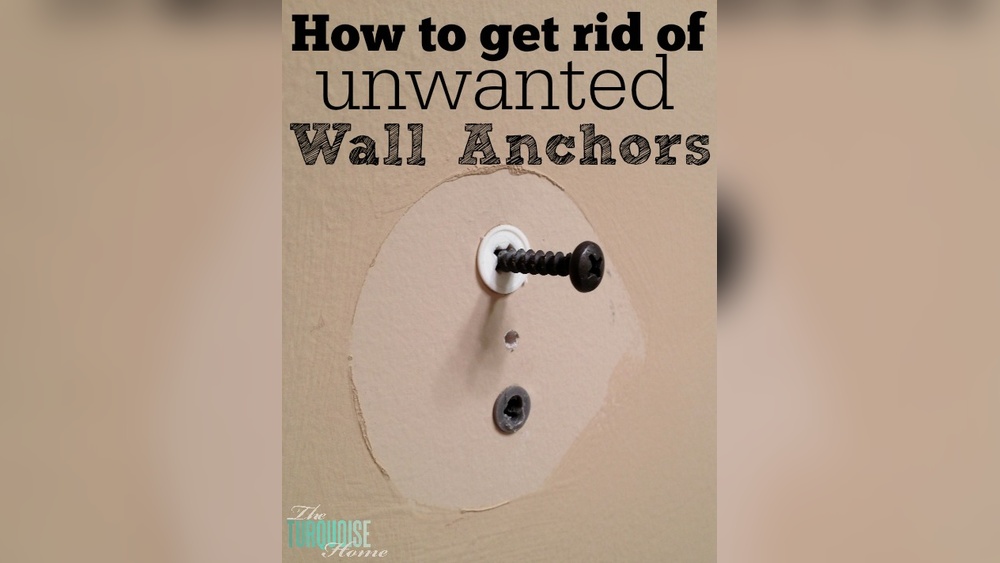
Self-drilling anchors often have a wide thread and a small flange that grips the drywall. Pulling them out directly can cause the wall to break. Instead, use proper tools and techniques to remove them safely and prepare the wall for patching or new fixtures.
Unscrewing Technique
Start by trying to unscrew the anchor with your fingers or pliers. Grip the outer edge of the anchor firmly. Turn it counterclockwise slowly to loosen it. If the anchor moves, keep unscrewing until it comes out. This method works well for anchors that are not deeply embedded.
If the anchor does not turn, avoid forcing it. Twisting too hard can damage the wall. Stop and try another method to protect the surface.
Using A Screwdriver Or Drill
Insert a screwdriver or drill bit into the anchor’s center hole. Use a drill at low speed or a manual screwdriver. Turn the tool counterclockwise to unscrew the anchor. The anchor will back out slowly without pulling on the drywall.
For stubborn anchors, apply gentle pressure while turning. Avoid high speed or force to prevent wall damage. Remove the anchor completely before filling the hole.
Fixing The Wall After Removal
After removing old wall anchors, the wall often needs repairs. Fixing the wall restores its smooth look. It also prepares the surface for painting or hanging new items. Simple steps can make the wall look as good as new.
Filling Holes
Start by cleaning the holes left by the anchors. Remove any loose debris or dust inside. Use a putty knife to apply spackling paste or wall filler. Press the filler firmly into each hole. Fill the hole completely to avoid dents. Let the filler dry fully, following the product instructions.
Sanding And Smoothing
Once dry, sand the filled areas gently. Use fine-grit sandpaper for a smooth finish. Sand until the surface is even with the wall. Remove dust with a damp cloth after sanding. Smooth surfaces help paint stick better and look neat.
Painting Tips
Choose paint that matches the wall color. Use a small brush or roller for touch-ups. Apply thin layers to avoid drips or streaks. Allow each layer to dry before adding the next. Blend the paint edges carefully for a seamless finish.
Preventing Wall Damage
Removing old wall anchors can damage your wall if not done carefully. Preventing wall damage starts before you even put in the anchor. Choosing the right anchor and installing it properly helps keep your wall safe and strong. These simple steps save you time and repair work later.
Proper Anchor Selection
Pick an anchor that fits your wall type. Drywall, plaster, and concrete all need different anchors. Use lightweight anchors for small items and heavy-duty ones for heavy objects. The right size helps the anchor hold tight without hurting the wall. Avoid using anchors that are too big or too small for the job.
Correct Installation Tips
Drill the correct hole size before inserting the anchor. Too large or too small holes cause cracks or weak holds. Insert the anchor straight and gently to avoid breaking the wall surface. Tighten screws slowly to prevent the anchor from spinning or pulling out. Stop if you feel resistance to avoid damage.
Frequently Asked Questions
How Do I Safely Remove Old Wall Anchors?
To remove old wall anchors safely, first unscrew any attached screws. Then, use pliers to gently pull out the anchor. If it’s stuck, push it into the wall cavity or drill it out carefully to avoid wall damage.
What Tools Do I Need To Remove Wall Anchors?
You typically need a screwdriver, needle-nose pliers, and possibly a drill. A utility knife can help if anchors are flush with the wall. These tools ensure you remove anchors cleanly without harming the wall surface.
Can I Repair The Wall After Removing Anchors?
Yes, you can repair the wall easily. Fill the holes with spackle or wall filler. Sand the area smooth once dry, then repaint or touch up as needed for a seamless finish.
Why Should I Remove Old Wall Anchors?
Removing old wall anchors prevents wall damage and prepares the surface for new fixtures. It also improves aesthetics and ensures the new anchors hold securely without interference from old hardware.
Conclusion
Removing old wall anchors does not have to be hard or messy. Follow the right steps and use simple tools. Take your time and work carefully to avoid damage. Fix any holes left behind for a smooth finish. Clean walls look better and ready for new decorations.
With patience and care, your walls will look great again. Try these tips next time you remove wall anchors. You will find the process easier than you thought. Keep your home neat and safe with simple DIY skills.