Have you ever found yourself standing in front of a door, frustrated because your deadbolt just won’t budge? Whether you’re locked out or dealing with a stubborn lock, knowing how to force open a deadbolt can save you time, stress, and even money.
In this guide, you’ll discover simple, effective methods to handle this tricky situation safely and quickly. Keep reading, because the solution you need might be easier than you think.

Credit: www.wikihow.com
Reasons To Force Open A Deadbolt
Forcing open a deadbolt is not a task anyone wants to do lightly. Sometimes, it becomes the only option. Knowing why you might need to force open a deadbolt helps you prepare better. It also guides you on how to act quickly and safely. Here are the main reasons people face this challenge.
Lost Keys And Lockouts
Losing keys happens to many people. It can leave you locked outside your home or office. Lockouts cause stress and frustration. When no spare key is available, forcing the deadbolt may be necessary. This method helps regain entry without waiting for a locksmith.
Emergency Situations
Emergencies demand fast action. Someone might be inside and need help immediately. Fire, medical, or other urgent cases leave no time to find keys. Forcing open a deadbolt can save lives. It provides quick access for rescue or escape.
Damaged Or Malfunctioning Locks
Locks wear out or break over time. A damaged deadbolt might not turn or retract. Weather or poor installation can cause problems. When the lock malfunctions, you might be stuck outside or inside. Forcing the deadbolt becomes a practical solution to regain access.

Credit: www.youtube.com
Safety Precautions Before Forcing Entry
Forcing open a deadbolt can be risky. Taking safety steps first helps avoid harm and problems. Read these tips before trying to open a stuck or locked deadbolt.
Assessing The Situation
Check why the deadbolt won’t open. Is there an emergency? Is the door yours? Know the reason before acting. Look for signs of damage or danger nearby. Think about other ways to open the door.
Avoiding Property Damage
Use gentle methods first. Avoid breaking the door or lock. Damage can cost more to fix than the lock itself. Use tools carefully to protect the door frame and handle. Work slowly to prevent accidents.
Legal Considerations
Forcing a deadbolt can be illegal if you don’t own the property. Confirm your right to enter. Check local laws about forced entry. Getting permission can save you from legal trouble. Keep proof of ownership or permission ready.
Tools Needed For Forcing A Deadbolt
Forcing a deadbolt requires specific tools. The right tools make the job easier and faster. Knowing what tools to use can save time and effort. Tools range from simple hand tools to advanced power devices. Each tool serves a unique purpose in the process.
Basic Hand Tools
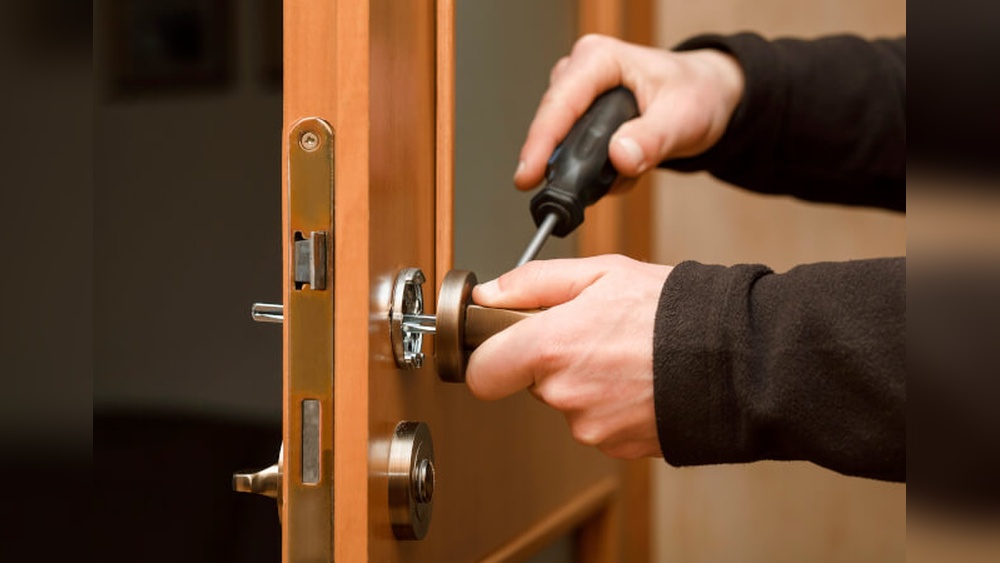
Basic hand tools are often the first choice. Screwdrivers help remove screws around the lock. A hammer can be used to create force. Pliers assist in gripping and twisting parts. A pry bar helps to apply leverage. These tools are easy to find and use.
Specialized Lock Picking Devices
Lock picking devices are designed for precise work. Tension wrenches apply pressure inside the lock. Pick tools manipulate the pins to unlock. These tools require skill and patience to operate. They cause less damage compared to forceful methods.
Power Tools And Their Use
Power tools speed up the process. A drill can bore through the lock cylinder. An angle grinder cuts through bolts and metal plates. Power tools need caution and control. They may cause more damage but work quickly.
Techniques To Force Open A Deadbolt
Forcing open a deadbolt requires specific techniques and tools. These methods vary in difficulty and risk. Some are simple and quick, while others need skill or damage the lock. Understanding these techniques helps decide the best approach for a locked door.
Using A Credit Card Or Plastic Shim
This method works on spring bolt locks, not true deadbolts. Slide a flexible card between the door and frame. Wiggle it to push the bolt back into the door. It requires some force and patience. Plastic shims can also help by slipping behind the bolt.
Lock Picking Methods
Lock picking uses tools to manipulate the lock’s pins. A tension wrench and pick are common tools. Insert the wrench to apply slight pressure. Use the pick to lift each pin to the right height. This opens the lock without damage. It takes practice to do it quickly.
Bumping The Lock
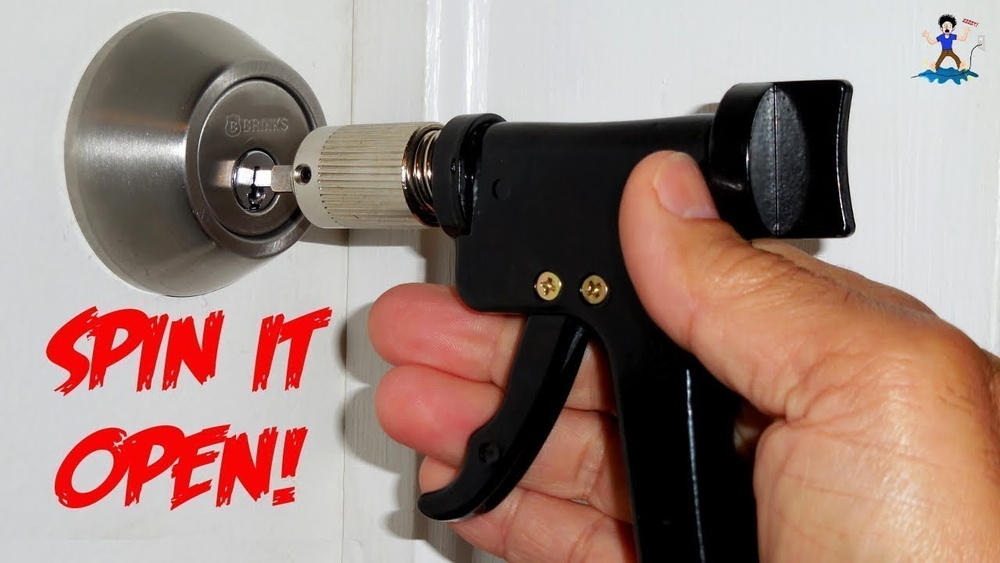
Bumping needs a special key called a bump key. Insert the bump key into the lock. Tap it lightly with a small hammer or screwdriver. This moves the pins inside and unlocks the door. It works on many pin tumbler locks but can cause wear.
Drilling The Deadbolt
Drilling destroys the lock mechanism to open the door. Use a power drill with a metal drill bit. Drill near the keyhole to break the pins inside. This method damages the lock and needs replacement afterward. It is fast but noisy and visible.
When To Call A Locksmith
Knowing when to call a locksmith is key if you cannot open a deadbolt. Trying too hard can cause damage. A professional can save time and prevent extra problems.
Recognizing the right moment to get help improves safety and lowers stress. It also protects your door and lock from harm.
Signs You Should Stop
Keep an eye on these signs. If the key won’t turn after several tries, stop. Forcing the lock can break the key or damage the deadbolt. Strange noises like grinding or clicking mean internal parts may be stuck or broken. If the lock feels stuck or jammed, do not use force. Feeling frustrated and tired? Take a break and call a locksmith.
Benefits Of Professional Help
Locksmiths have the right tools and skills. They can open deadbolts without causing damage. Professionals work quickly and safely. They can also repair or replace the lock if needed. A locksmith can give advice on improving home security. You get peace of mind knowing the job is done right.
Cost Vs. Diy Efforts
Trying to force a deadbolt can cause costly damage. Fixing a broken lock or door may cost more than hiring a locksmith. Professionals charge for their time and expertise. This is often less than repair or replacement fees. Doing it yourself may waste time and money. Calling a locksmith first saves money in the long run.
Preventing Future Lockouts
Lockouts can be frustrating and stressful. Preventing them saves time and keeps you safe. Small steps can stop lockouts before they happen. Here are some ways to avoid future lockouts.
Spare Keys And Safe Storage
Keep spare keys in safe, easy places outside your home. Give a spare key to a trusted neighbor or friend. Avoid hiding keys in obvious spots like under mats. Use lock boxes or secure containers for spare keys. This ensures quick access without risking security.
Upgrading To Smart Locks
Smart locks offer keyless entry with codes or apps. They reduce the chance of losing keys. Some models allow temporary codes for guests or workers. Smart locks add convenience and improve home security. Choose models with reliable battery life and easy setup.
Routine Lock Maintenance
Check your deadbolt regularly for smooth operation. Clean locks and lubricate them with graphite or silicone spray. Replace worn or damaged parts promptly. Regular maintenance prevents jamming and lock failures. Keep your locks working well to avoid lockouts.

Credit: www.art-of-lockpicking.com
Frequently Asked Questions
How Can I Force Open A Deadbolt Lock Safely?
Use a credit card or a flat tool to slide between the door and frame. Apply firm pressure to push the bolt back. Avoid excessive force to prevent damage. If unsuccessful, consider professional help to avoid lock or door damage.
What Tools Are Best To Force Open A Deadbolt?
Common tools include a credit card, screwdriver, or lock pick set. A credit card works on spring locks but may not work on deadbolts. Screwdrivers can pry the lock but risk damage. Lock picks require skill and practice for effective use.
Is Forcing A Deadbolt Legal In Emergencies?
Forcing a deadbolt is legal only on property you own or have permission to enter. In emergencies, such as fire or medical situations, it’s justified to save lives. Always consider legal and ethical aspects before forcing any lock.
Can A Deadbolt Be Forced Without Damaging The Door?
Forcing a deadbolt usually risks door or lock damage. Gentle methods like using a credit card might work on some locks. However, most deadbolts resist non-destructive entry. Professional locksmiths can open locks with minimal damage.
Conclusion
Forcing open a deadbolt takes patience and the right tools. Always try gentle methods first to avoid damage. Know when to call a professional locksmith for help. Safety matters most, so do not rush the process. Use these tips carefully and stay calm throughout.
You can handle this task with care and focus.