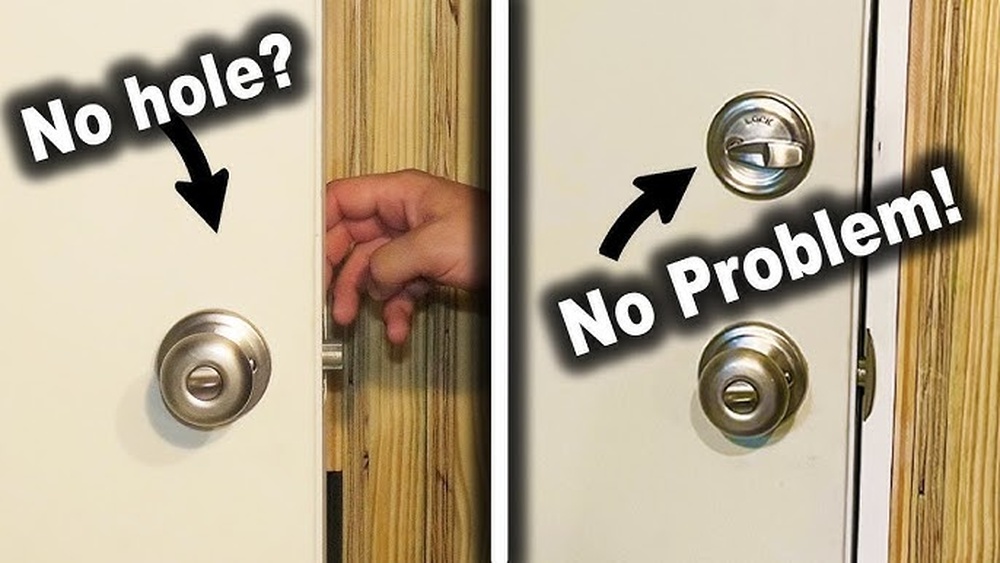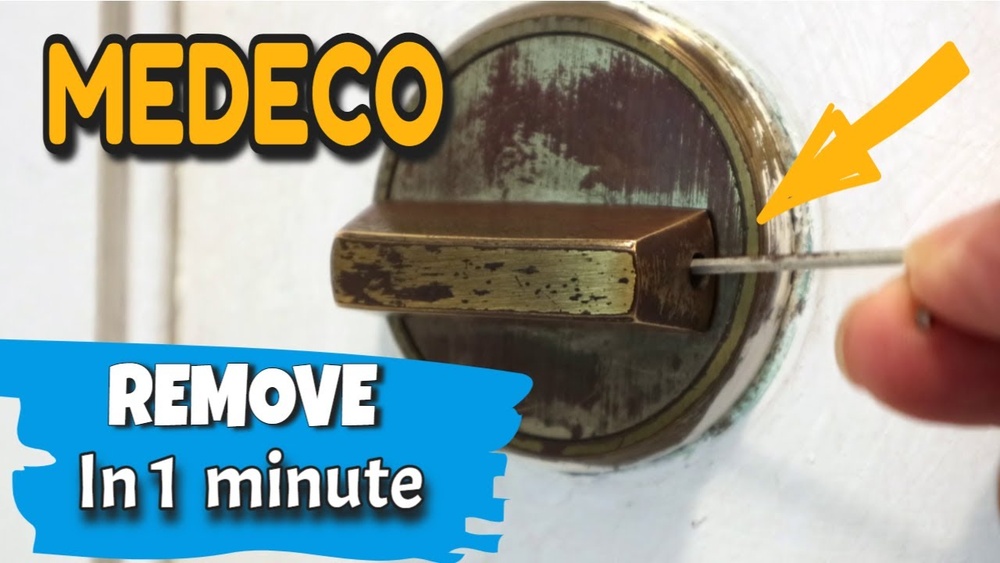
Are you struggling to remove a Medeco deadbolt and don’t know where to start? You’re not alone.
These locks are known for their strength and security, which can make taking them out feel like a tough job. But don’t worry—removing your Medeco deadbolt is easier than you think when you follow the right steps. In this guide, you’ll discover simple, clear instructions that save you time and frustration.
Keep reading, and you’ll have that deadbolt out in no time, ready for a new lock or quick repairs.
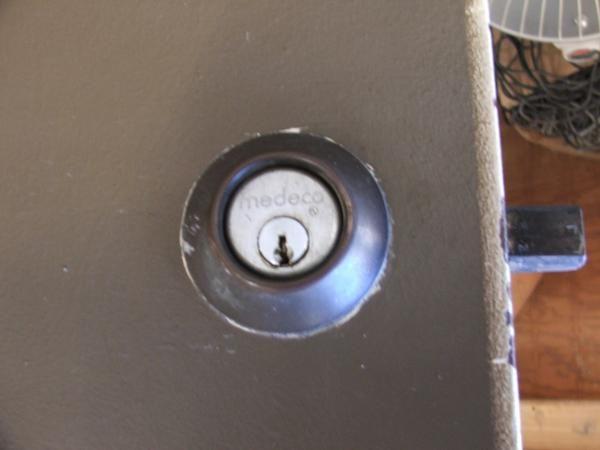
Credit: www.doityourself.com
Tools Needed
Removing a Medeco deadbolt requires specific tools. These tools help make the process smooth and safe. Having the right equipment saves time and avoids damage to the door or lock. Below is a list of essential tools for this job.
Phillips Screwdriver
A Phillips screwdriver is needed to remove screws from the lock faceplate and the interior side. Most Medeco deadbolts use Phillips screws. Choose a screwdriver that fits the screw heads well to avoid stripping.
Flathead Screwdriver
A flathead screwdriver helps pry off trim pieces gently. It can also assist in removing any stuck components. Use it carefully to prevent scratches or dents.
Allen Wrench Set
Some Medeco models have small hex screws. An Allen wrench set comes in handy for these screws. Keep different sizes ready to match the screws exactly.
Lubricant Spray
Lubricant spray loosens tight or rusty parts. It helps the screws and bolts turn smoothly. Spray it on before starting to ease the removal process.
Pliers
Pliers provide extra grip on stubborn parts. They help pull out pins or small pieces that don’t come off easily. Needle-nose pliers work best for tight spaces.
Locate The Screws
Locating the screws is the first step to remove a Medeco deadbolt. These screws hold the lock together and keep it attached to the door. Without finding them, you cannot take the deadbolt apart safely.
Medeco deadbolts usually have screws hidden under the faceplate or cover. Finding these screws requires a close look at the lock. Some screws may be visible, while others might need a small tool to pry open the cover.
Check The Inside Of The Door
Open the door to access the side where the lock knob or thumb turn is. Look carefully at the inside plate. Screws often sit on this part, holding the lock in place. Use a flashlight if the area looks dark.
Remove The Faceplate Cover
The faceplate can hide the screws. Gently pry it off with a flathead screwdriver. Be careful not to damage the door or lock. Once removed, the screws should be visible and ready to unscrew.
Identify Screw Types
Medeco deadbolts use different screw heads like Phillips or flathead. Knowing the type helps select the right screwdriver. Using the wrong tool can strip the screws and cause problems.
Look For Hidden Screws
Some screws hide behind small plastic covers or inside the lock body. Check all sides carefully. Use a small pick or knife to lift covers without scratching the door.
Remove The Interior Knob
Removing the interior knob is a key step in taking out a Medeco deadbolt. This part holds the lock’s inner mechanism. Without removing it, you cannot access the screws or other parts inside the door. Follow these simple steps to take off the interior knob safely and easily.
Locate The Set Screw On The Interior Knob
First, find the small set screw on the knob’s base. This screw holds the knob tightly on the spindle. It usually sits on the side or underneath the knob. Use a flashlight if needed to see it clearly.
Use The Correct Screwdriver To Loosen The Screw
Choose a screwdriver that fits the set screw perfectly. Most Medeco knobs use a small flathead or Phillips screwdriver. Turn the screw counterclockwise to loosen it. Do not remove it fully yet; just loosen enough to free the knob.
Pull The Interior Knob Straight Off The Spindle
Once the screw is loose, grab the knob firmly. Pull the knob straight away from the door. Avoid twisting or bending it to prevent damage. If it feels stuck, wiggle gently while pulling. The knob should slide off smoothly.
Check For Any Additional Fasteners Or Clips
Some models may have extra clips or fasteners inside the knob. Look closely once the knob is off. Remove any clips using needle-nose pliers. Keep all parts safe for reassembly later.

Credit: www.youtube.com
Take Out The Deadbolt Cylinder
Removing the deadbolt cylinder is a key step in taking out a Medeco deadbolt. This part holds the keyhole and controls the locking mechanism. Removing it lets you access the inner parts of the lock for repair or replacement.
The process is simple but needs care. Follow these steps carefully to avoid damage.
Locate And Remove The Cylinder Screw
Start by opening the door and looking at the edge of the door. Find the long screw that holds the cylinder in place. Use a screwdriver to unscrew it. Keep the screw safe for reassembly.
Turn The Key To Align The Cylinder
Insert the key into the cylinder. Slowly turn it about 15 to 20 degrees. This movement aligns the internal parts to allow the cylinder to slide out easily.
Pull Out The Deadbolt Cylinder
Hold the key firmly and gently pull the cylinder straight out. Do not force it. If it does not come out, check the key position again. The cylinder should slide out smoothly.
Extract The Deadbolt Mechanism
Extracting the deadbolt mechanism is a key step in removing a Medeco deadbolt. This step lets you access the internal parts that control the lock. Careful handling ensures the lock stays intact for repair or replacement.
Start by loosening the screws holding the faceplate. This plate covers the deadbolt inside the door edge. Removing it reveals the locking mechanism behind.
Remove The Faceplate Screws
Use a screwdriver that fits the screws well. Turn each screw counterclockwise to loosen it. Keep the screws safe for later use.
Pull Out The Deadbolt
After removing the faceplate, gently pull the deadbolt from the door edge. Wiggle it slightly if it feels stuck. Avoid forcing it to prevent damage.
Inspect The Lock Mechanism
Look inside the door cavity for the lock parts. Check for any broken or jammed components. This helps decide if repair or replacement is needed.
Tips For Stubborn Locks
Stubborn Medeco deadbolts can test your patience. These locks are built tough, designed to resist tampering and forced entry. Removing them might feel tricky but patience and the right steps help.
Here are some useful tips to make the process easier and safer for your lock and door.
Use The Correct Screwdriver
Always use a screwdriver that fits the screw heads perfectly. Slipping screws can cause damage and frustration. A tight fit allows better control and less chance of stripping screws.
Apply Lubricant Carefully
Spray a small amount of graphite or silicone lubricant into the lock. Avoid oil-based lubricants as they attract dirt. Let the lubricant settle for a few minutes before trying again.
Tap The Lock Gently
Use a rubber mallet or the handle of your screwdriver to tap the lock gently. This can loosen parts that are stuck inside. Avoid heavy strikes that can damage the door or lock.
Check For Hidden Screws
Look closely for screws hidden under caps or plates. Medeco deadbolts often hide screws for extra security. Removing these will make the lock easier to take off.
Use A Tension Wrench
A tension wrench helps to hold the lock cylinder while removing screws. It keeps the lock steady and prevents damage. This tool is handy for stubborn or jammed locks.
Reinstalling Or Replacing The Deadbolt
After removing a Medeco deadbolt, reinstalling or replacing it is the next step. This process requires care to ensure the lock works smoothly. Proper alignment and secure fixing are key to a strong, safe lock.
Reinstalling the original deadbolt can save money and time. Replacing the deadbolt might be necessary if the old one is damaged or outdated.
Preparing The Door For Reinstallation
Check the door edge and face for damage or dirt. Clean the surfaces well to allow the deadbolt to fit correctly. Ensure the holes align with the lock parts.
Use a screwdriver to tighten any loose screws around the hole. This prevents wobbling and keeps the lock steady.
Installing The Deadbolt Mechanism
Insert the deadbolt body into the door edge hole. Make sure the bolt slides smoothly in and out. Attach the fixing screws firmly but avoid over-tightening.
Test the bolt movement by turning the thumb turn or key. The bolt should move without sticking or resistance.
Attaching The Exterior And Interior Plates
Place the exterior plate with the key cylinder on the outside of the door. Align the tailpiece so it fits into the lock mechanism.
Attach the interior plate with the thumb turn on the inside. Secure both plates with screws evenly.
Check that the key and thumb turn operate the lock easily. Adjust screws if necessary to improve function.
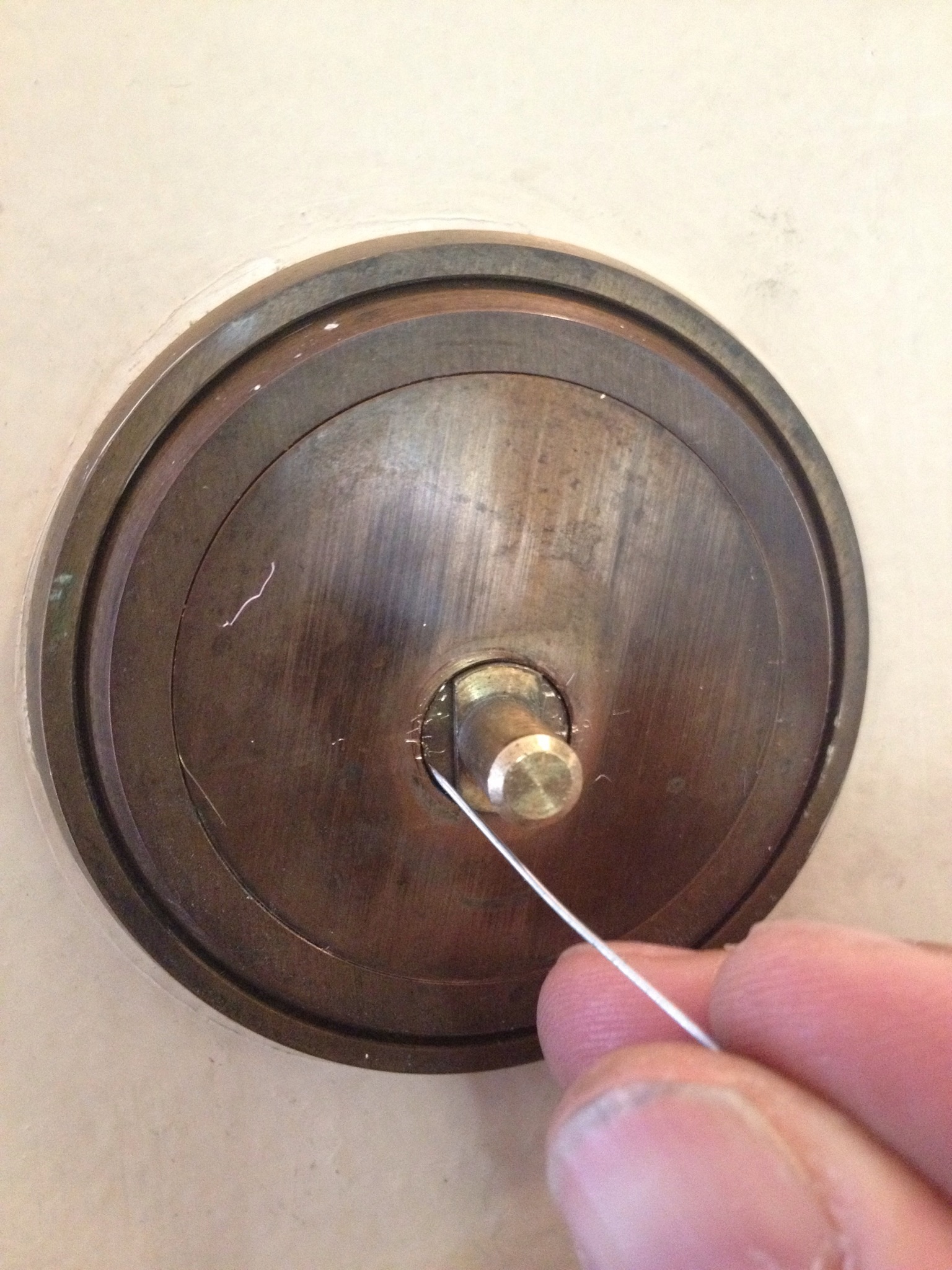
Credit: guides.brit.co
Frequently Asked Questions
How Do I Remove A Medeco Deadbolt Lock?
To remove a Medeco deadbolt, first unscrew the interior knob or lever. Then, remove the screws holding the lock in place. Finally, pull out the deadbolt mechanism carefully from the door edge.
What Tools Are Needed To Remove A Medeco Deadbolt?
You will need a Phillips screwdriver, flathead screwdriver, and possibly a hex key. These tools help unscrew and detach the lock components safely and efficiently.
Can I Remove A Medeco Deadbolt Without The Key?
Yes, you can remove it by unscrewing the interior side of the lock. The key is not required if you access the lock from inside the door.
How Long Does It Take To Remove A Medeco Deadbolt?
Removing a Medeco deadbolt typically takes 10 to 20 minutes. The process is straightforward if you have the right tools and follow steps carefully.
Conclusion
Removing a Medeco deadbolt is easier than it seems. Follow each step carefully and take your time. Use the right tools to avoid damage. Safety matters most, so work with caution. After removal, clean the area and check your new lock fits well.
This guide helps you handle the job yourself. You can save money and gain confidence. Try it today and secure your home your way.