Have you ever found yourself locked out because of a stubborn deadbolt door? It can be frustrating and stressful, especially when you need quick access.
But don’t worry—knowing how to get past a deadbolt door can save you time and hassle. You’ll discover simple, effective methods to handle this common problem safely. Keep reading, because the solution might be easier than you think, and it could make all the difference the next time you face a locked door.
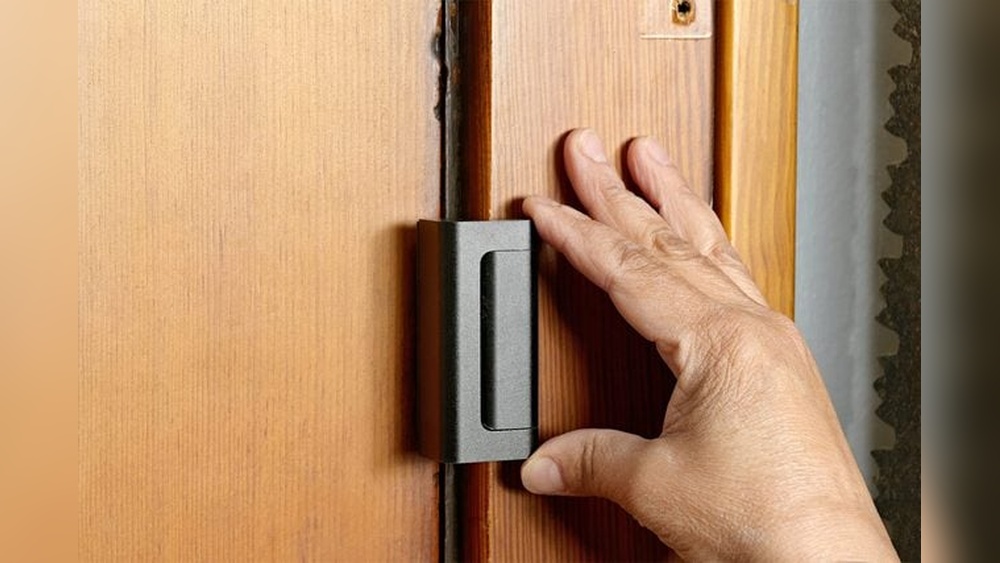
Credit: compx.com
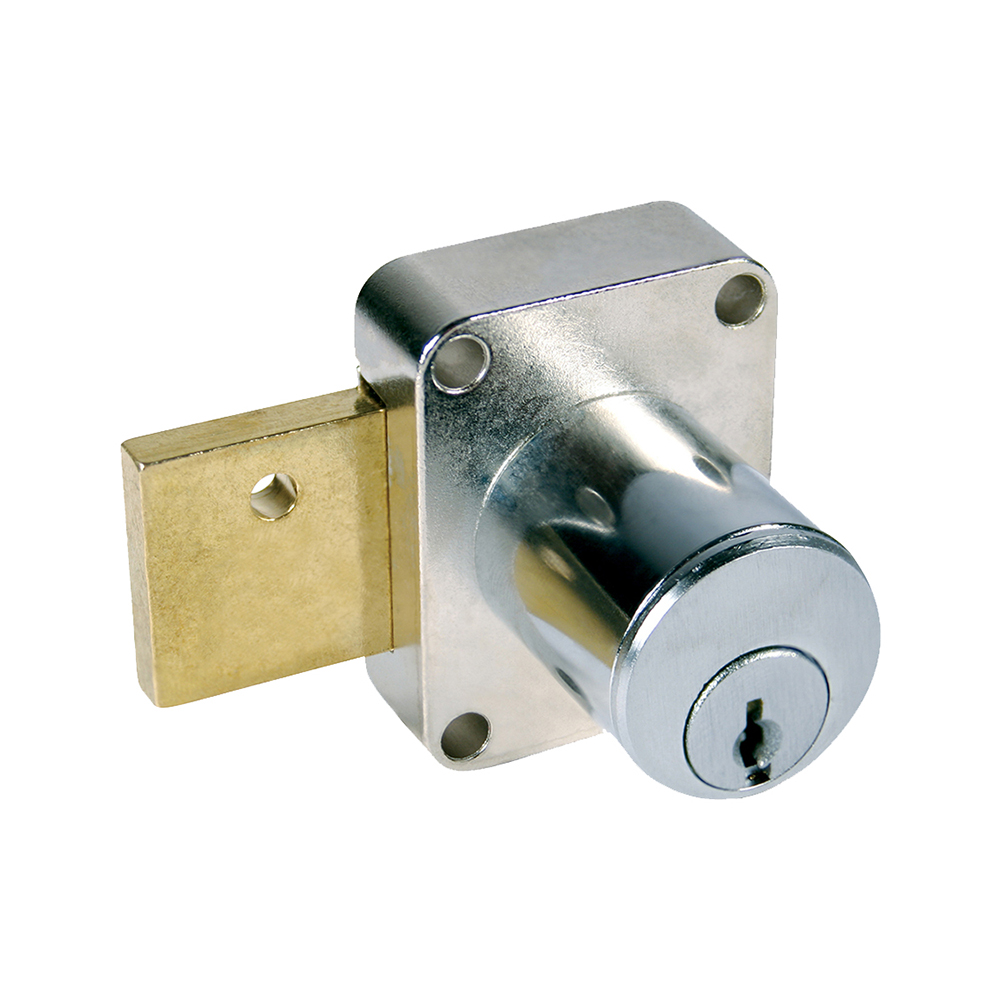
Types Of Deadbolt Locks
Deadbolt locks come in different types. Each type offers different security features and ways to use them. Understanding these types helps you know how to get past a deadbolt door if needed. Here are the main types of deadbolt locks commonly found on doors.
Single Cylinder Deadbolts
Single cylinder deadbolts have a keyhole on the outside. Inside, they have a thumb turn to lock and unlock. This type is common in many homes. It is easy to use but can be a risk if there is glass near the door. Someone could break the glass and reach inside to turn the thumb turn.
Double Cylinder Deadbolts
Double cylinder deadbolts need a key on both sides. No thumb turn inside. This adds extra security to doors with nearby glass. It prevents someone from unlocking the door from inside without a key. It can be less convenient in emergencies. You must always have a key to leave quickly.
Keyless And Smart Deadbolts
Keyless deadbolts use codes or cards to open. Smart deadbolts connect to phones or home systems. They allow remote locking and unlocking. This type offers convenience and control. Batteries power smart deadbolts, so they need checks. They often provide alerts and access logs for security.

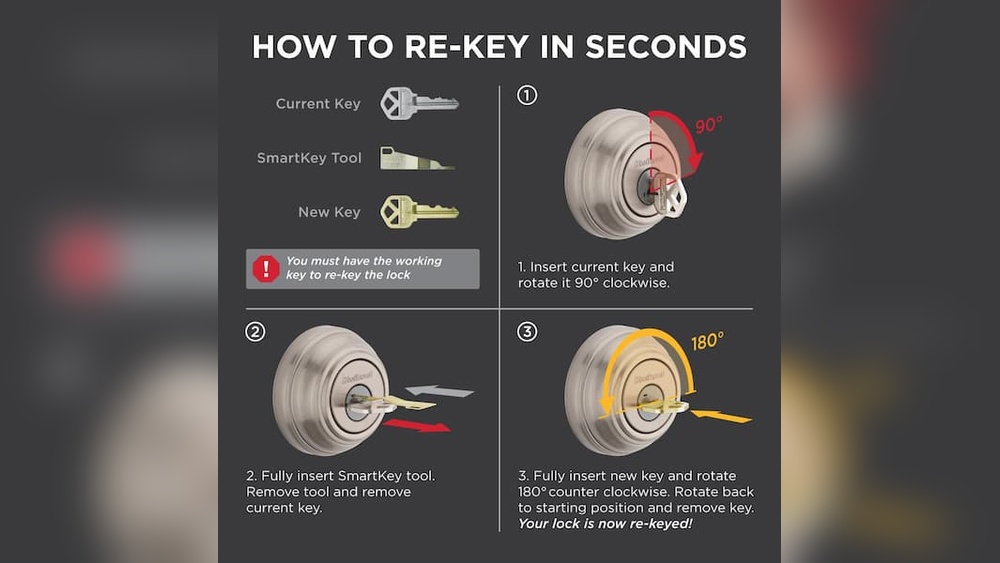
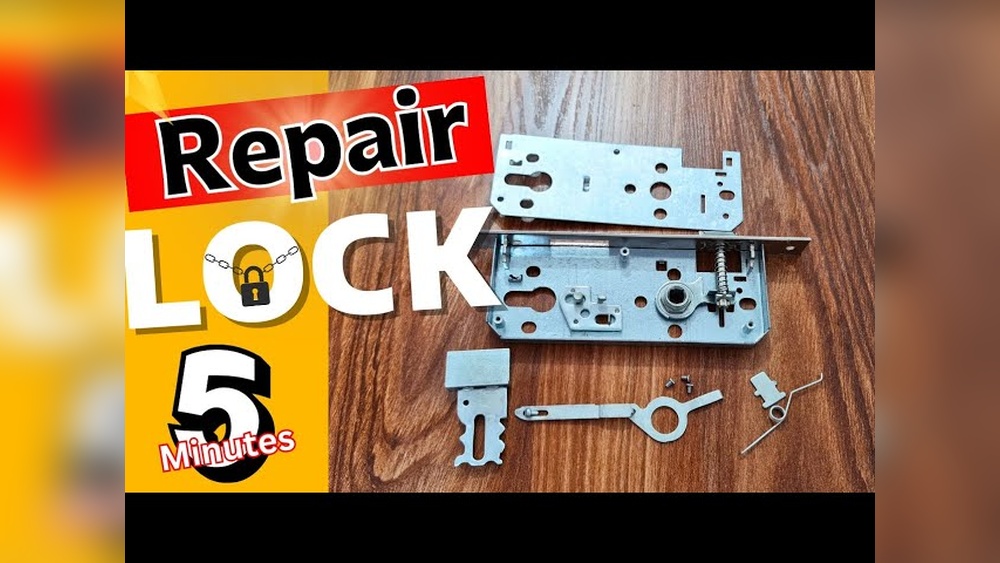
Credit: www.youtube.com
Tools Needed For Entry
Getting past a deadbolt door requires the right tools. These tools help you handle different types of locks. Knowing what to use is key for success. Here is a list of tools you may need for entry.
Basic Lockpicking Tools
Basic tools include tension wrenches and lock picks. A tension wrench turns the lock cylinder slightly. Lock picks lift the pins inside the lock. These tools are small and easy to carry. They work well on simple locks and standard deadbolts.
Advanced Equipment
Advanced tools help with tougher locks. A bump key is a special key used to jolt pins into place. A pick gun vibrates the pins quickly to open the lock. Electronic lock decoders can read lock patterns. These tools require more skill and practice to use.
Improvised Tools For Emergencies
Improvised tools can work when nothing else is available. Paper clips can be shaped into basic picks. Bobby pins can act as tension wrenches or picks. Slim knives might help turn the lock cylinder. These tools are not always reliable but can help in a pinch.
Techniques To Bypass Deadbolts
Deadbolt locks are tough to open without the key. They add strong security to doors. But some methods can bypass these locks. These techniques need patience and care. They show how locks work and ways to open them quietly.
Below are common ways to bypass deadbolts. These methods are used by locksmiths and security experts. Knowing them helps understand lock security better.
Lock Picking Methods
Lock picking uses small tools to move the lock’s pins. The goal is to set each pin to the right height. This lets the lock turn and open. Picks and tension wrenches are common tools. Picking takes practice and a steady hand. It works best on older or simpler deadbolts.
Bumping The Lock
Bumping uses a special key called a bump key. This key fits into the lock and is hit lightly. The impact moves the pins inside quickly. When done right, the lock turns open. This method is fast but noisy. It may not work on high-security deadbolts.
Using A Credit Card Or Shims
Credit cards or shims slide between the door and frame. The goal is to push the latch back. This only works on spring-latch locks, not deadbolts. Some older deadbolts have weak parts that shims can move. New deadbolts are too strong for this trick. This method needs careful angle and pressure.
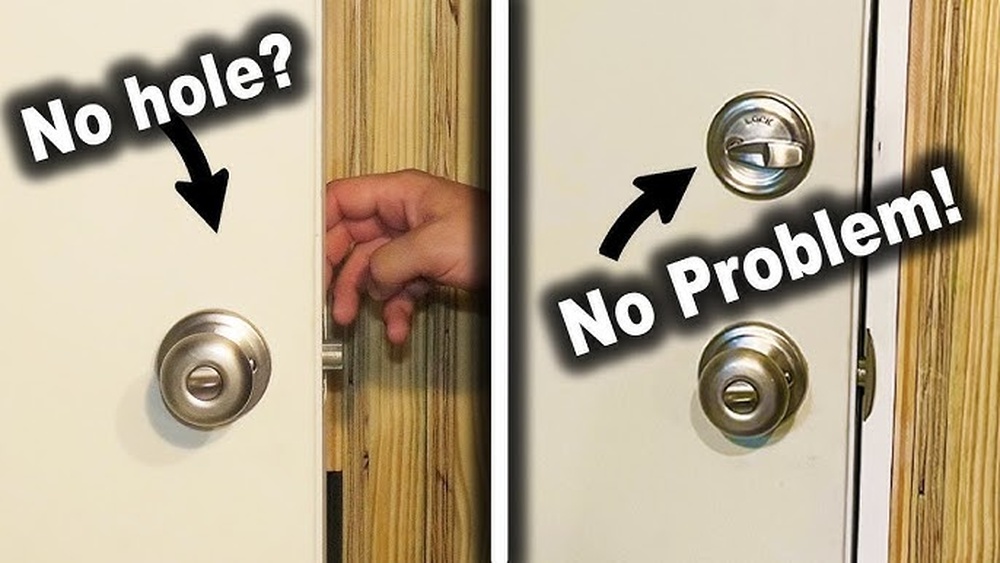
Credit: www.reddit.com
Non-destructive Entry Tips
Non-destructive entry methods help open a deadbolt without damage. These techniques keep the door and lock intact. They require patience, skill, and the right approach. Understanding the lock and door structure is key. Below are some useful tips to try.
Manipulating The Lock Cylinder
Manipulating the lock cylinder means working directly with the lock. Use tools like a tension wrench and pick. Apply gentle pressure to the cylinder. Feel for pins that need lifting inside the lock. Small movements can release the deadbolt. Practice helps improve the sensitivity of your touch. This method takes time but avoids harm.
Exploiting Weak Door Frames
Some door frames have weak spots near the lock. Check for cracks or loose wood around the frame. Use a thin tool to push the bolt back slightly. This can open the door without touching the lock. It works best on older doors or poor-quality frames. Be careful not to break the frame or door.
Leveraging Strike Plate Looseness
The strike plate holds the deadbolt in place on the frame. Over time, screws can loosen or shift. Tighten or remove the screws to move the strike plate. Sometimes you can create enough room to slide the bolt out. This method requires simple tools like a screwdriver. It is effective if the strike plate is not firmly fixed.
When To Use Force
Sometimes, opening a deadbolt lock requires force. This usually happens when keys are lost or the lock jams. Using force should be a last choice after other methods fail. It helps to know when and how to apply force safely.
Safe Methods To Break A Deadbolt
Start with gentle methods like bumping or picking the lock. These cause less damage and may work quickly. If these fail, use force carefully. Try striking the lock with a hammer near the bolt. This may break the bolt or loosen it. Another way is to use a crowbar to pry the door frame near the lock. This can bend the deadbolt mechanism. Always test minor force before using heavy tools.
Tools For Forced Entry
Common tools include hammers, crowbars, and drills. A hammer can break the lock or door frame. Crowbars help to pry open the door by force. Drills can cut through the lock cylinder. Use tools designed for door entry to avoid injury. Wear gloves and safety glasses. Keep tools in good condition for better control.
Risks And Precautions
Force can damage the door and lock permanently. It may also harm your fingers or hands. Avoid breaking windows or fragile parts near the door. Loud noise from force can attract unwanted attention. Always check local laws before forcing entry. Only force entry in emergencies or with permission. Use protective gear to prevent injury.
Legal And Ethical Considerations
Getting past a deadbolt door is not just about skills or tools. It involves important legal and ethical rules. Ignoring these rules can cause serious problems. Understanding these considerations helps keep actions safe and lawful.
Obtaining Permission
Always get clear permission before trying to open a locked deadbolt. This means asking the property owner or person in charge. Without permission, entry is illegal and can lead to trouble. Written consent is best to avoid misunderstandings.
Avoiding Illegal Entry
Entering a property without permission is against the law. It can be seen as breaking and entering or trespassing. Even if the reason seems urgent, the law must be respected. Avoid actions that may cause legal issues or harm trust.
Hiring Professionals
Call a locksmith or qualified expert to open a deadbolt. They follow legal rules and know how to do it safely. Professionals also protect your property from damage. Hiring them reduces risk and ensures proper handling of locked doors.
Frequently Asked Questions
How Can I Unlock A Deadbolt Without A Key?
You can unlock a deadbolt by using a bump key, lock pick tools, or a credit card for simple locks. Always try non-destructive methods first and consider calling a locksmith for complex locks.
What Tools Do I Need To Bypass A Deadbolt Lock?
Common tools include lock picks, tension wrenches, bump keys, and sometimes a drill for emergency situations. Use tools carefully and legally to avoid damage or legal issues.
Is It Legal To Bypass A Deadbolt Lock?
Bypassing a deadbolt without permission is illegal and considered breaking and entering. Only attempt to unlock your own property or with the owner’s consent.
Can A Deadbolt Be Bypassed Without Damaging The Door?
Yes, some deadbolts can be bypassed using lock-picking or bumping techniques without damage. However, some high-security deadbolts require destructive methods to open.
Conclusion
Getting past a deadbolt door needs patience and care. Use the right tools and methods for safety. Practice helps improve your skills and confidence. Always respect laws and property rights. Remember, knowing these steps can save time in emergencies. Stay calm and focused during the process.
Simple techniques often work better than force. Keep learning to handle locks better next time.