Is your deadbolt lock sticking, jammed, or refusing to turn? You rely on that lock every day to keep your home safe, so a faulty deadbolt can be both frustrating and worrisome.
But before you call a locksmith or spend money on a new lock, there’s good news—you might be able to fix it yourself. In this guide, you’ll discover simple, step-by-step tips to repair your deadbolt lock quickly and easily. Keep reading, and you’ll regain control over your home’s security without stress or extra costs.
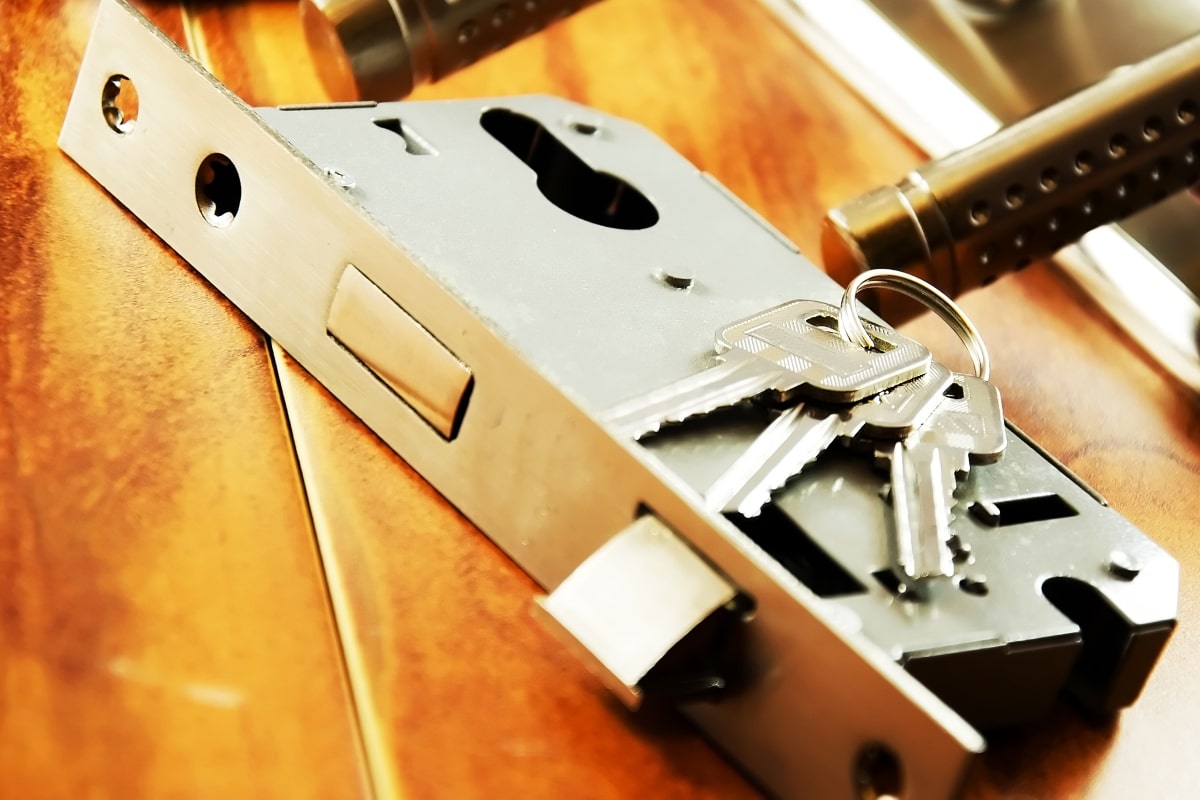
Credit: www.centralscreensandlocks.com.au
Signs Of A Faulty Deadbolt
A deadbolt lock is a key part of home security. It keeps your home safe from intruders. But deadbolt locks can wear out or break over time. Recognizing the signs of a faulty deadbolt helps you fix problems early. This prevents bigger issues and keeps your home secure.
Difficulty Turning The Key
One sign of a bad deadbolt is trouble turning the key. The key may feel stiff or stuck. It might need extra force to turn. This can happen if the lock is dirty or parts are worn. Ignoring this problem can cause the key to break inside the lock.
Lock Jamming Or Sticking
A jammed or sticky lock shows that the deadbolt has a problem. The bolt may not move smoothly. It can get stuck halfway or not lock fully. Dirt, rust, or broken parts often cause this issue. A jammed lock lowers your home’s safety.
Key Won’t Insert Or Remove
If you cannot put the key into the lock or take it out, the lock is faulty. The keyhole might be blocked or damaged. The key could be bent or worn. This issue can trap the key inside. Fixing it fast stops lockouts or lost keys.
Loose Or Wobbly Lock
A deadbolt that feels loose or wobbly is a clear warning. The lock may move when you touch it. Screws might be loose or parts broken. A loose lock does not protect well. Tightening or replacing parts is needed to secure the door.
Tools Needed For Repair
Repairing a deadbolt lock needs the right tools. Having these tools ready makes the job easier and faster. This section lists the basic tools you need to fix a deadbolt lock.
Screwdrivers
Screwdrivers are essential for removing and tightening screws. A Phillips head screwdriver fits most deadbolt screws. A flathead screwdriver helps pry parts gently. Keep both types handy for smooth repair work.
Lubricants
Lubricants help the lock move smoothly. Use a graphite powder or silicone spray. Avoid oil-based lubricants as they can attract dirt. Lubricants reduce friction and prevent sticking inside the lock.
Replacement Parts
Replacement parts fix broken or worn pieces. Common parts include screws, springs, and the lock cylinder. Check the lock’s brand for matching parts. Having spares saves time during repair.
Cleaning Supplies
Cleaning supplies remove dirt and grime inside the lock. Use a soft brush and a clean cloth. Mild soap and water help clean stubborn dirt. Dry the parts well before reassembling the lock.
Removing The Deadbolt
Removing the deadbolt is the first step to repair it properly. You need to take out some parts carefully. This lets you see inside and fix any problems. Follow the steps below to remove the deadbolt safely and easily.
Unscrewing The Lock Plate
Find the screws on the lock plate. They hold the deadbolt to the door. Use a screwdriver that fits the screws well. Turn the screwdriver counterclockwise to remove each screw. Keep the screws safe for later use. After all screws are out, gently pull the lock plate away from the door. If it feels stuck, wiggle it a little. Do not force it hard to avoid damage.
Taking Out The Deadbolt Mechanism
Once the lock plate is off, locate the deadbolt mechanism inside the door. It is the long metal piece that moves when you turn the key. Look for screws or clips holding it in place. Remove these carefully with your screwdriver. Slowly slide the deadbolt mechanism out of the door. Check for any parts still attached and disconnect them. Now, the deadbolt is free and ready for repair or replacement.
Cleaning And Lubricating
Cleaning and lubricating your deadbolt lock helps it work smoothly. Dirt and dust can build up inside the lock. This makes turning the key hard or impossible. Regular cleaning removes this dirt. Lubricating the lock keeps its parts moving freely. This makes your lock last longer and prevents damage.
Removing Dirt And Debris
Start by opening the lock if possible. Use a small brush or a can of compressed air to clear dirt. Gently remove dust from the keyhole and bolt parts. Avoid pushing dirt further inside. Wipe the outside of the lock with a soft cloth. This cleans off surface grime. Removing dirt stops the lock from sticking.
Applying Lock Lubricant
Choose a lubricant made for locks, like graphite powder or silicone spray. Avoid oil-based lubricants because they attract more dirt. Insert the lubricant into the keyhole in small amounts. Move the key in and out several times. This spreads the lubricant inside the lock. Lubrication reduces friction and keeps parts moving smoothly.
Replacing Worn Or Damaged Parts
Replacing worn or damaged parts is key to fixing a deadbolt lock. Over time, parts inside the lock wear out or break. This causes the lock to stick or stop working. Swapping out bad parts helps the lock work like new again.
Knowing which parts to replace saves time and money. It also keeps your home safe. This section shows how to find broken parts and install new ones easily.
Identifying Broken Components
Start by looking at the lock carefully. Check the key cylinder for damage or dirt. Turn the key and watch for sticking or jamming. Inspect the bolt for smooth movement. If it feels loose or stuck, it may be damaged.
Look inside the lock case. Springs and pins can wear out or break. Small parts like screws can also get loose or rust. Spot any parts that look bent, cracked, or rusty. These need replacing to fix the lock.
Installing New Parts
Gather the new parts that match your deadbolt model. Use a screwdriver to remove the lock from the door. Take out the worn parts carefully. Keep small pieces safe so they don’t get lost.
Put the new parts in the right place. Make sure springs and pins fit well. Tighten screws firmly but don’t over-tighten. Test the lock by turning the key. The bolt should move smoothly without sticking.
Reinstall the lock on the door. Check the lock works from both sides. If it does, your repair is done. If not, double-check the parts and try again.
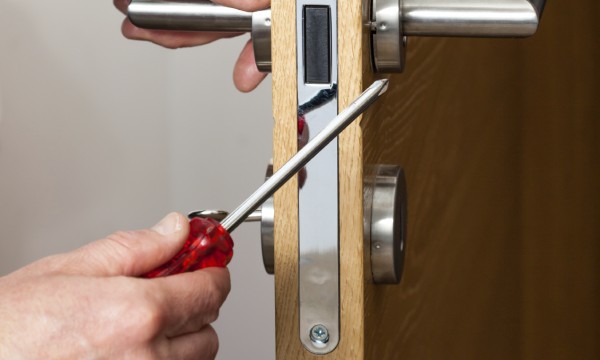
Credit: www.yellowpages.ca
Reassembling The Deadbolt
Reassembling the deadbolt is a key step in fixing your lock. It brings all parts back together so the lock works properly. Take your time and be careful. A well-assembled lock keeps your home safe and secure.
Aligning Lock Components
Start by placing the deadbolt components in the right order. Match the bolt and the locking mechanism carefully. Make sure the bolt slides smoothly into the door frame. Check the key cylinder fits perfectly with the bolt. Proper alignment makes the lock turn easily without sticking.
Securing Screws And Plates
After aligning, hold the lock parts firmly in place. Use a screwdriver to tighten all screws evenly. Do not overtighten, or you might damage the parts. Attach the faceplate over the bolt on the door edge. Secure the strike plate on the door frame. These plates protect the lock and keep it steady.
Testing The Lock
Testing the lock is a key step in repairing a deadbolt. It ensures the lock works properly and keeps your door secure. Take time to check each part carefully. This helps find any issues before final use.
Checking Key Operation
Insert the key into the lock smoothly. Turn the key slowly in both directions. The key should move without sticking or resistance. If it feels stiff, the lock may need lubrication. Try a graphite powder or lock lubricant. Avoid oil-based products that attract dirt. Test the key several times to confirm easy turning.
Ensuring Smooth Bolt Movement
Turn the lock knob or key to extend the bolt. Watch the bolt move in and out without hesitation. The bolt should slide smoothly into the doorframe. If it sticks, check for dirt or misalignment. Clean the bolt and the strike plate area. Adjust the strike plate if needed to allow free bolt movement. Test the bolt several times for consistent motion.
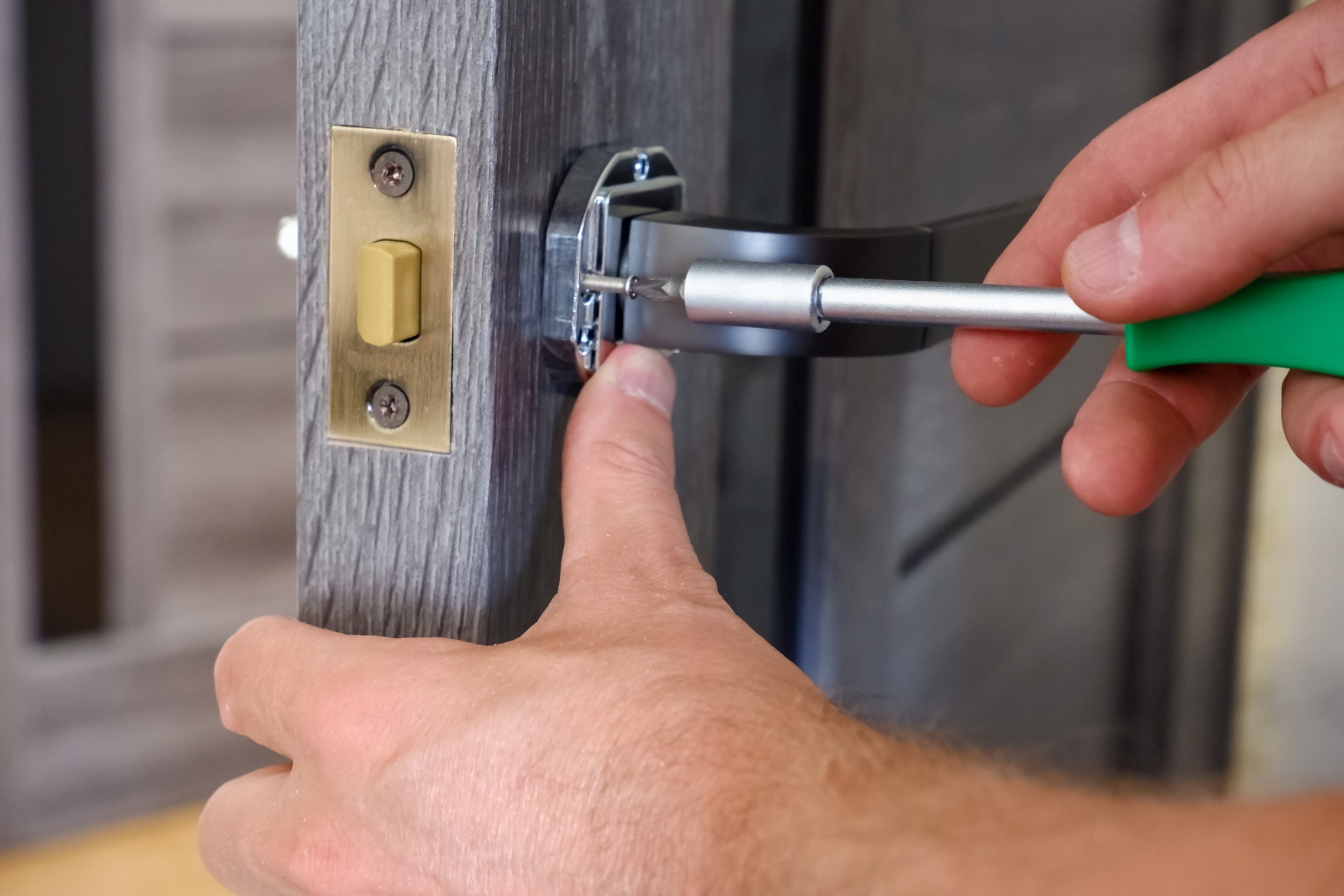
Credit: homecareandrepair.com
Preventing Future Issues
Preventing future issues with your deadbolt lock helps keep your home safe and secure. Small care steps can stop problems before they start. Regular attention makes your lock work smoothly for a long time.
Regular Maintenance Tips
Clean the lock with a soft cloth to remove dirt and dust. Use graphite powder to lubricate the keyhole, not oil. Check screws and tighten them if loose. Test the lock monthly to catch problems early. Replace worn parts right away to avoid bigger damage.
Proper Usage Practices
Always use the correct key and avoid forcing it. Turn the key gently and stop if it feels stuck. Lock and unlock the door fully to avoid partial locking. Teach everyone in your home how to use the lock properly. Avoid slamming the door, as it can damage the deadbolt mechanism.
Frequently Asked Questions
How Do I Fix A Jammed Deadbolt Lock?
To fix a jammed deadbolt, first clean the lock mechanism. Lubricate it with graphite powder or silicone spray. Check for misaligned parts and tighten screws. Test the lock’s function after adjustments to ensure smooth operation.
What Tools Are Needed To Repair A Deadbolt Lock?
Basic tools include a screwdriver, lubricant, replacement screws, and a pencil. A tension wrench and lock pick set help with internal repairs. Ensure you have all tools ready before starting to save time.
Why Is My Deadbolt Lock Key Hard To Turn?
A hard-to-turn key may indicate dirt buildup, rust, or worn pins inside the lock. Lubricate the lock and keyway with graphite powder. If issues persist, consider replacing the lock cylinder or consulting a locksmith.
Can I Repair A Deadbolt Lock Myself?
Yes, minor deadbolt repairs like lubrication, tightening screws, and cleaning can be DIY tasks. Complex issues, such as broken internal components, may require professional help. Always follow safety guidelines during repairs.
Conclusion
Fixing a deadbolt lock can save time and money. Small steps make the process easier. Always check the lock parts first. Tighten screws and clean moving pieces. Test the lock after each fix. If problems continue, consider calling a locksmith.
A working deadbolt keeps your home safe. Regular care helps locks last longer. Keep this guide handy for future repairs. Simple actions can improve your lock’s function. Stay safe with a secure deadbolt lock.