Have you ever wondered how your lights turn on automatically when you enter a room? Sensor light switches make this possible, saving you time and energy without you even needing to lift a finger.
But how exactly do these clever devices work? Understanding the simple technology behind sensor light switches can help you decide if they’re right for your home or office. Keep reading, and you’ll discover how these switches detect your presence and make your daily life more convenient and efficient.

Credit: www.youtube.com
Basics Of Sensor Light Switches
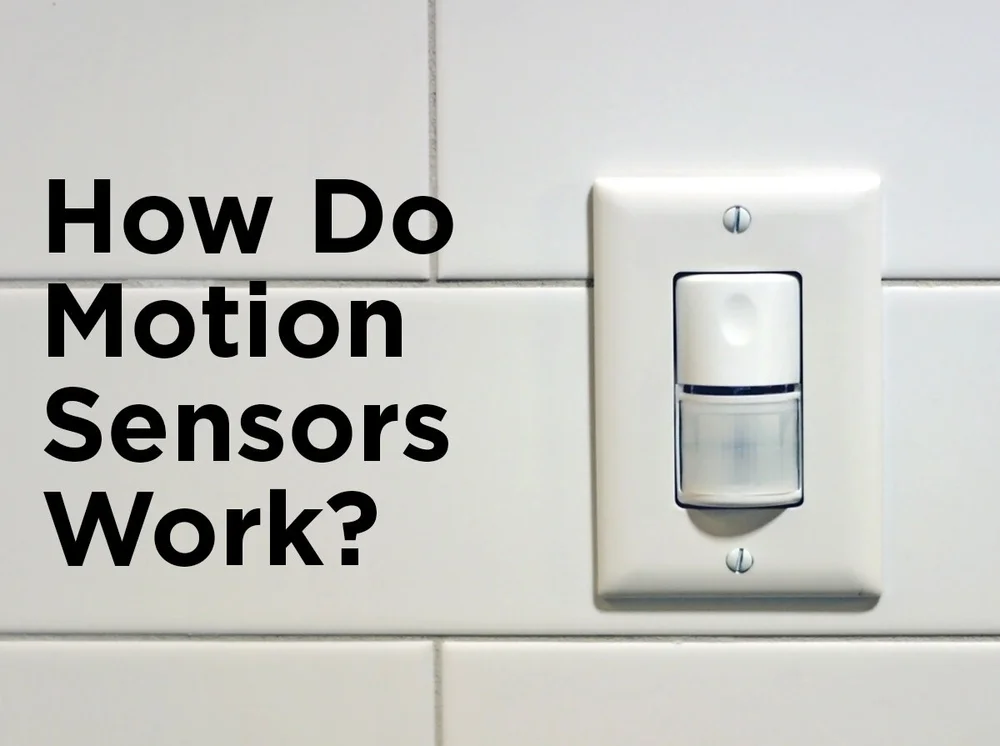
Sensor light switches turn lights on and off automatically. They save energy and add convenience. These switches detect movement or changes in the environment. Once detected, they trigger the light to respond without manual action. Understanding their basics helps in choosing the right type for your needs.
Types Of Sensor Switches
There are several types of sensor switches. Motion sensors detect body movement to control lights. They work well in rooms or hallways. Occupancy sensors sense presence and keep lights on as long as someone stays. Vacancy sensors require manual switch-on but turn off automatically. Light sensors use ambient light levels to adjust lighting.
Key Components
Sensor light switches have a few main parts. The sensor is the core part that detects motion or light. A microcontroller processes the sensor’s signals. It decides when to turn the light on or off. The relay or switch controls the electrical current to the light fixture. Power supply keeps the system running smoothly.
Motion Detection Technology
Motion detection technology powers sensor light switches by sensing movement in a room. This technology helps control lights automatically. It saves energy and adds convenience. Different types of sensors detect motion using unique methods. Each sensor type suits different environments and needs.
Passive Infrared Sensors
Passive infrared sensors detect heat from body movement. They sense infrared light given off by warm objects. When a person moves, the sensor notices changes in heat. It then triggers the light to turn on. These sensors work best in areas with clear line of sight.
Ultrasonic Sensors
Ultrasonic sensors use sound waves to detect motion. They send out high-frequency waves that bounce off objects. When something moves, the wave pattern changes. The sensor picks up this change and activates the light. These sensors work well in rooms with obstacles.
Microwave Sensors
Microwave sensors emit microwave signals and monitor their reflection. Movement alters the reflected microwaves. The sensor detects these changes and switches on the light. Microwave sensors cover large areas and can detect motion through thin walls.
Light Sensing Features
Sensor light switches use light sensing features to control lighting automatically. These features help save energy and improve convenience. They detect light levels around them and adjust the lights accordingly. This section explains how these light sensing features work.
Ambient Light Sensors
Ambient light sensors measure the natural light in a room. They detect brightness from windows or lamps. The sensor tells the switch to turn lights off when there is enough daylight. At night or in dark rooms, the sensor turns lights on. This avoids wasting electricity and keeps rooms well-lit.
Daylight Harvesting
Daylight harvesting uses ambient light sensors to save energy. It dims or turns off artificial lights when natural light is sufficient. This system adjusts lighting throughout the day. Offices and homes benefit by lowering electricity bills. It also creates a comfortable and bright environment without manual control.
Credit: blog.1000bulbs.com
Installation Process
Installing a sensor light switch is a simple process. It requires basic tools and a little electrical knowledge. This guide helps you understand the steps to install the switch safely and correctly. Follow each step carefully for the best results.
Wiring Basics
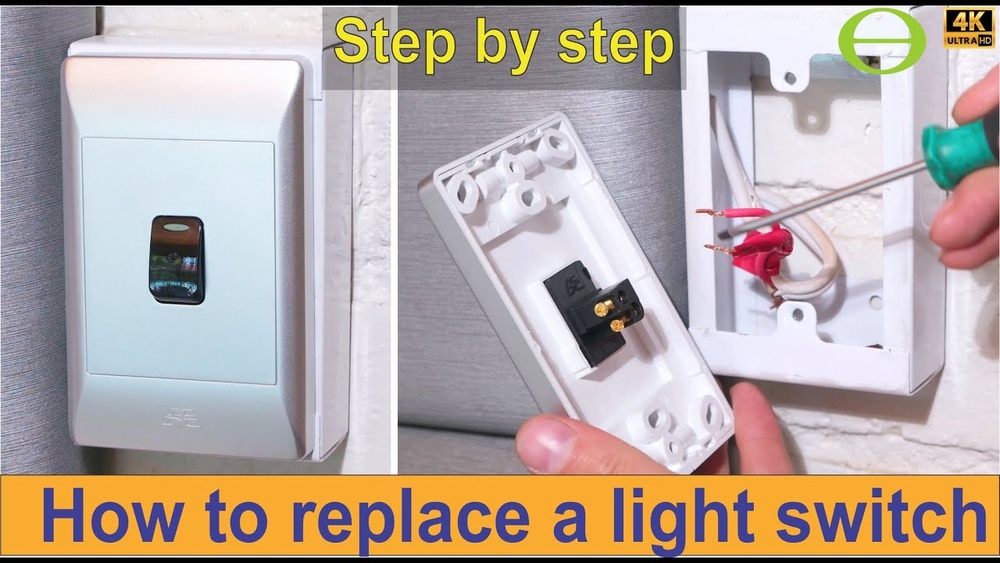
Turn off the power at the circuit breaker. Safety first. Remove the old switch from the wall. Identify the wires: usually black (live), white (neutral), and green or bare copper (ground). Connect the sensor switch wires to the matching wires. Use wire nuts to secure connections. Tighten screws and check that all wires are connected firmly. Restore power and test the switch to ensure it works.
Placement Tips
Place the sensor switch where it can detect movement easily. Avoid areas blocked by furniture or walls. Keep it away from heat sources like ovens or vents. Install it at eye level, usually around 48 inches from the floor. Test the sensor range before finalizing the position. Proper placement helps the switch detect motion accurately and save energy.
Benefits Of Smart Lighting
Smart lighting offers many benefits for homes and offices. It improves how we use light every day. Sensor light switches are a key part of this smart technology.
These switches help save energy and increase comfort. They also improve safety by controlling lights automatically. Understanding these benefits shows why smart lighting is useful.
Energy Efficiency
Sensor light switches turn lights off when no one is in the room. This stops wasted electricity and lowers energy bills. Lights only stay on when needed. This simple change helps save a lot of energy over time.
Smart lighting also uses LED bulbs more often. LEDs use less power and last longer than regular bulbs. Together, sensor switches and LED bulbs create an energy-saving system.
Convenience And Safety
Sensor light switches turn lights on automatically when you enter a room. No need to find the switch in the dark. This adds great convenience to daily life.
They also improve safety by lighting pathways at night. This reduces the risk of trips and falls. In homes with children or elderly people, this is especially helpful. Smart lighting keeps spaces well-lit only when needed.
Common Issues And Solutions
Sensor light switches make life easier by turning lights on and off automatically. Yet, they can face some common problems that affect their performance. Understanding these issues helps keep your sensor switches working well. Here are two frequent problems and how to fix them.
False Triggers
False triggers happen when the sensor turns the light on without real motion. This can waste energy and annoy users. Causes include pets moving nearby or changes in sunlight. To fix this, adjust the sensor sensitivity to a lower level. Also, check if the sensor is aimed at busy areas like streets or trees. Moving the sensor or changing its angle can reduce false triggers.
Sensor Range Problems
Sensor range problems occur if the light does not turn on when you want. The sensor might not detect motion outside its range. Dirt or obstructions like furniture can block the sensor. Clean the sensor surface regularly to keep it clear. Make sure no objects block the sensor’s view. You can also increase the sensor range by adjusting the settings or installing a model with a longer detection distance.
Future Trends In Sensor Lighting
Sensor lighting is evolving fast. New trends are shaping how we use light in homes and offices. These changes make lighting smarter, more efficient, and easier to control. Sensor light switches will soon offer more than just on and off functions.
Integration With Smart Home Systems
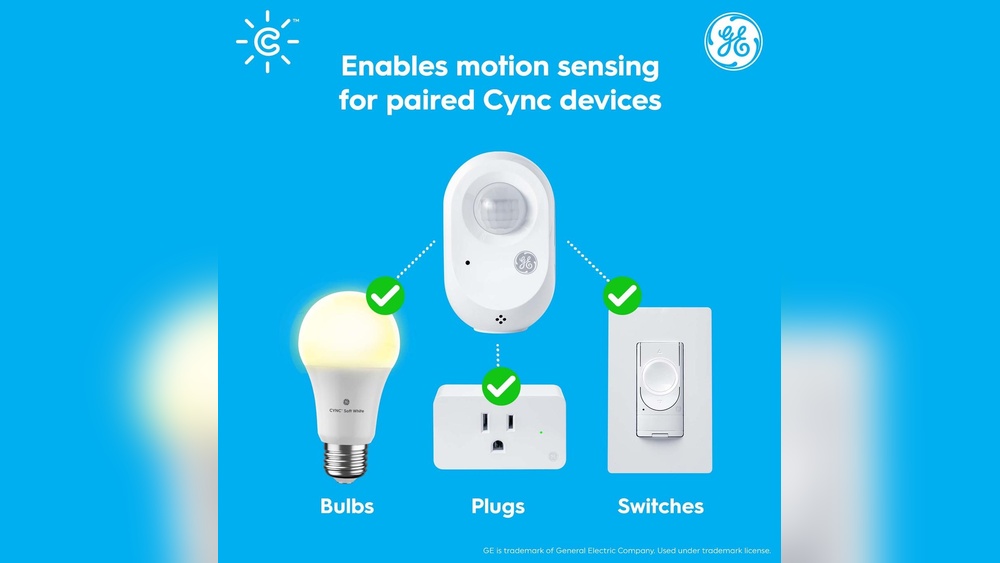
Sensor light switches are becoming part of smart home networks. They connect with devices like smartphones and voice assistants. This allows users to control lights remotely. Lights can turn on or off based on routines or presence. Integration brings convenience and energy savings. Smart homes learn user habits and adjust lighting automatically.
Advancements In Sensor Technology
Sensor technology is improving in accuracy and speed. New sensors detect motion, light levels, and even temperature changes. They reduce false triggers and save more energy. Some sensors can distinguish between people and pets. Others adjust brightness based on natural light. These advances make sensor lighting more reliable and user-friendly.

Credit: blog.1000bulbs.com
Frequently Asked Questions
How Do Sensor Light Switches Detect Motion?
Sensor light switches use infrared or ultrasonic sensors to detect movement. When motion is sensed, they trigger the light to turn on automatically. This helps save energy by only lighting spaces when occupied.
What Types Of Sensors Are In Light Switches?
Common sensors include Passive Infrared (PIR) and ultrasonic sensors. PIR detects body heat, while ultrasonic sensors use sound waves to sense motion. Both types help activate lights efficiently and reduce manual switching.
Can Sensor Light Switches Save Energy?
Yes, sensor light switches save energy by turning lights off when no motion is detected. This prevents lights from being left on unnecessarily, reducing electricity bills and promoting eco-friendly living.
Are Sensor Light Switches Easy To Install?
Most sensor light switches are designed for simple installation. They often replace standard switches and require basic wiring knowledge. However, consulting an electrician ensures safety and proper setup.
Conclusion
Sensor light switches detect movement or light changes to work. They turn lights on or off automatically, saving energy. These switches use simple technology like infrared or motion sensors. Installing them can make your home more convenient and safe. Understanding how they function helps you choose the right one.
Sensor light switches offer a smart way to control lighting. They respond quickly and do not need manual operation. A small change with a big impact on daily life.