Are you tired of your adhesive wall hooks falling off just when you need them the most? You’re not alone.
These handy hooks can make organizing your space simple, but when they don’t stick right, frustration takes over. The good news is, fixing them doesn’t have to be complicated or expensive. You’ll discover easy, practical steps to get your adhesive hooks to stay put and hold strong.
Keep reading, and you’ll never have to worry about falling hooks again.
Common Issues With Adhesive Hooks
Adhesive wall hooks offer a simple way to hang items without drilling holes. They work well on many surfaces but can face common problems. Knowing these issues helps you fix hooks quickly and keep them secure.
Peeling And Falling Off
Adhesive hooks often peel or fall off after some time. This happens if the surface was dirty or wet before sticking. Poor surface preparation weakens the bond between the hook and wall. Weight beyond the hook’s limit causes it to lose grip. Extreme temperature changes can also make the adhesive lose strength.
Weak Grip On Surfaces
Some surfaces do not hold adhesive hooks well. Textured or rough walls reduce contact area, causing weak grip. Painted or glossy surfaces might prevent the glue from sticking properly. Certain materials like brick, concrete, or wallpaper are hard for hooks to stick to. Choosing the right hook for your surface improves hold.
Residue Problems
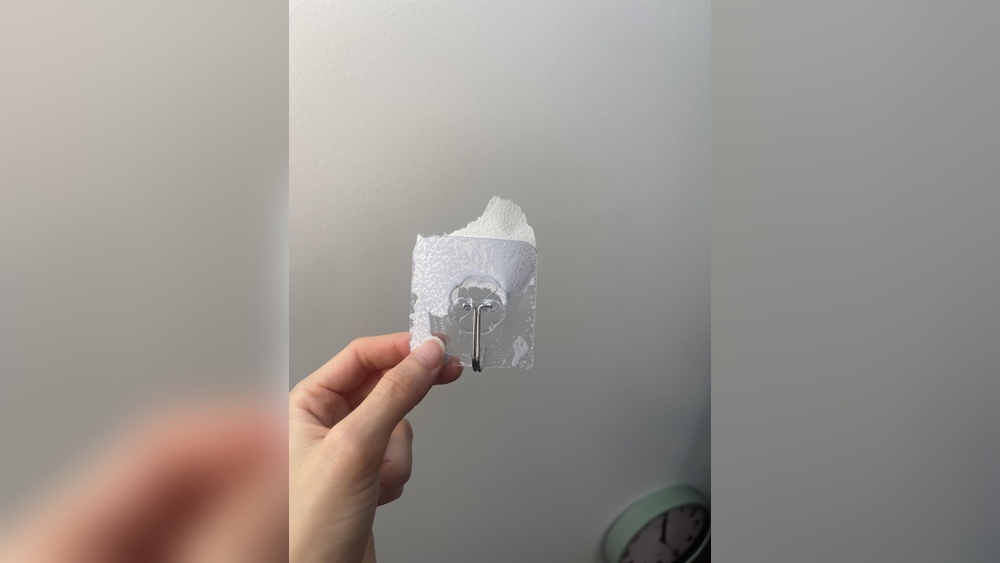
Removing adhesive hooks can leave sticky residue on walls. This residue attracts dust and dirt, spoiling wall appearance. Harsh removal may damage paint or wallpaper. Using gentle removal techniques helps reduce residue. Special cleaning solutions can remove leftover glue safely without harming surfaces.

Credit: myfuse.education
Preparing The Wall Surface
Preparing the wall surface is the first step to fix adhesive wall hooks properly. A clean and smooth wall helps the hook stick better. This makes the hook hold more weight and last longer. Follow simple steps to get the wall ready.
Cleaning Techniques
Start by removing dust and dirt from the wall. Use a soft cloth or sponge with mild soap and water. Gently wipe the area where the hook will go. Avoid harsh cleaners that can damage the paint. Clean walls allow the adhesive to stick tightly.
Drying And Smoothing
After cleaning, dry the wall completely with a dry cloth. Moisture can stop the adhesive from sticking well. Check the wall surface for bumps or rough spots. Use fine sandpaper to smooth any rough areas. A flat surface keeps the hook secure and prevents it from falling.
Choosing The Right Surface
Pick a surface that is smooth and non-porous for the best results. Painted walls, tiles, and glass work well. Avoid textured wallpaper, brick, or rough surfaces. These surfaces reduce the stickiness of adhesive hooks. Choosing the right surface helps your hook stay fixed for a long time.
Selecting The Best Adhesive Hooks
Selecting the best adhesive hooks is key to a strong and lasting hold. The right hook keeps your items safe and your walls damage-free. Choosing the wrong type can cause hooks to fall or leave marks behind. Consider the load, material, and brand to find the best fit for your needs.
Weight Capacity Considerations
Always check the weight limit on the packaging. Choose hooks that hold more than your item’s weight. Overloading hooks leads to falls and damage. Heavy items need stronger hooks with higher weight capacity. Light items can use smaller hooks for convenience.
Material Types
Adhesive hooks come in plastic, metal, and silicone. Plastic hooks suit light to medium loads. Metal hooks offer more strength and durability. Silicone hooks provide extra grip and flexibility. Pick materials based on the surface and item weight.
Brands That Work Well
Trusted brands often provide better adhesives and quality. They test hooks for strength and damage-free removal. Popular brands include Command, 3M, and Tesa. These brands offer various sizes and styles. Choosing known brands reduces the risk of failure.

Credit: www.amazon.in
Step-by-step Fixing Process
Fixing adhesive wall hooks can be simple with clear steps. Follow this guide carefully for best results. Each step helps ensure the hook sticks well and holds weight.
Removing Old Hooks Safely
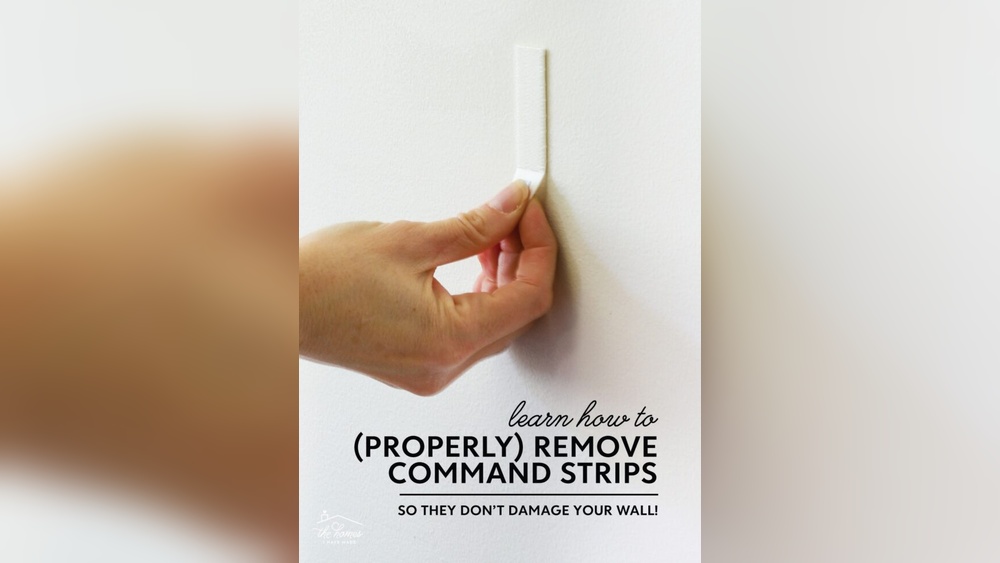
Start by peeling the old hook gently from the wall. Use a hairdryer to warm the adhesive. This softens the glue and reduces wall damage. Pull slowly at an angle to avoid paint peeling. Clean leftover sticky residue with rubbing alcohol and a soft cloth.
Applying New Adhesive Properly
Use a clean surface for the new adhesive. Peel off the backing carefully without touching sticky parts. Place the adhesive on the hook base firmly. Avoid air bubbles by pressing from the center outward. Make sure the surface is dry and dust-free before sticking.
Pressing And Setting Time
After placing the hook, press it firmly against the wall. Hold for at least 30 seconds to ensure good contact. Avoid hanging anything for one hour to let the adhesive set. Full strength usually develops after 24 hours. Patience helps hooks stay secure longer.
Tips For Stronger Hold
Adhesive wall hooks are great for organizing spaces without drilling holes. Their success depends on a strong hold. Simple tips can help your hooks stay secure longer. These tips focus on the environment, how you hang items, and regular care. Follow these steps for better results.
Avoiding Humidity And Heat
Moisture weakens adhesive on wall hooks. Avoid placing hooks in bathrooms or kitchens near steam. Heat also softens glue, causing hooks to fall. Keep hooks away from heaters and direct sunlight. Choose dry, cool walls for the best grip. This will help hooks stick firmly.
Weight Distribution Tricks
Heavy items pull hooks down quickly. Spread the weight evenly across multiple hooks. Use small, light items for each hook. Hang bags or clothes so weight is balanced. Avoid overloading one hook with too much weight. Balanced loads keep hooks from falling.
Regular Maintenance
Check hooks often to catch loose ones early. Gently press hooks back onto the wall if they lift. Clean the wall surface before reapplying hooks. Dust and dirt reduce adhesive strength. Replace hooks that lose stickiness after repeated use. Regular care helps hooks last longer.

Credit: www.reddit.com
Troubleshooting Persistent Problems
Adhesive wall hooks can be a great help, but sometimes they fail to stick well. Persistent problems with these hooks can cause frustration and damage to walls. Troubleshooting these issues helps extend the life of your hooks and keeps your walls safe.
Reinforcing With Additional Adhesive
Adding more adhesive can improve the hook’s hold on the wall. Use a strong glue or double-sided tape made for walls. Apply it carefully behind the hook, then press firmly. Let the adhesive dry for several hours before hanging anything.
Check the wall surface first. Clean it with rubbing alcohol to remove dirt and oils. A clean surface helps the adhesive stick better and last longer.
Alternative Mounting Solutions
Sometimes, adhesive hooks just won’t work on certain surfaces. Try other mounting options like suction cups for smooth tiles or magnetic hooks for metal surfaces. These can offer better grip and are easy to remove.
For heavier items, consider small nails or screws. They provide stronger support but may leave marks. Choose the best method based on your wall type and the item’s weight.
When To Replace Hooks
Hooks lose their stickiness after repeated use or exposure to moisture. If a hook falls off often, it may be time to replace it. Old adhesive can fail no matter how much you reinforce it.
Look for cracks or damage on the hook itself. Replace broken hooks immediately to avoid wall damage or accidents. New hooks will hold better and keep your space organized.
Frequently Asked Questions
How Do I Fix A Loose Adhesive Wall Hook?
To fix a loose adhesive wall hook, clean the surface thoroughly. Dry it completely. Reapply a strong adhesive or double-sided tape. Press firmly for 30 seconds. Allow 24 hours before hanging items to ensure a strong bond.
Can I Reuse Adhesive Wall Hooks After Removal?
Most adhesive wall hooks lose their stickiness after removal. To reuse, clean the hook and apply new adhesive strips. Ensure the surface is smooth and dry. However, reusing is less reliable than a fresh hook with new adhesive.
What Surfaces Work Best For Adhesive Wall Hooks?
Adhesive wall hooks work best on smooth, non-porous surfaces like glass, tiles, metal, and finished wood. Avoid textured, rough, or porous surfaces like brick or drywall. Clean and dry the surface thoroughly before applying the hook for maximum adhesion.
How Long Should Adhesive Wall Hooks Set Before Use?
Adhesive wall hooks should set for at least 24 hours before use. This allows the adhesive to bond securely with the surface. Avoid hanging heavy items immediately to prevent the hook from falling or losing grip.
Conclusion
Fixing adhesive wall hooks is simple with the right steps. Clean the surface well before applying the hook. Press firmly and wait before hanging items. Avoid heavy objects to keep hooks strong. Small mistakes can cause hooks to fall. Follow these tips to save time and effort.
Your walls will stay neat and damage-free. Try these easy fixes for better results. Keep your space organized without hassle.