Are you ready to take control of your home lighting and save money by doing it yourself? Learning how to put a light switch is easier than you might think.
Whether you’re upgrading an old switch or installing a new one, this simple skill can make a big difference in your daily life. In this guide, you’ll discover step-by-step instructions that anyone can follow, even if you’re not an expert.
Keep reading, and by the end, you’ll have the confidence to handle this project safely and efficiently. Your home is about to get a little brighter—let’s get started!
Tools And Materials Needed
Before you start putting in a light switch, gather all the tools and materials. This step saves time and helps the work go smoothly. Having the right items also keeps the job safe and easy to finish. Below are the main things you will need.
Essential Tools
You need a few basic tools for this task. A screwdriver, both flathead and Phillips, is important. Wire strippers help remove the insulation from wires. A voltage tester checks if the power is off. Pliers and a tape measure also come in handy. Keep these tools close before starting.
Choosing The Right Switch
Pick the correct switch for your needs. A standard single-pole switch works for most rooms. Dimmer switches let you control light brightness. Three-way switches control a light from two spots. Make sure the switch fits the wiring and box size. Check the switch’s voltage and amperage ratings, too.
Safety Gear
Safety is key while working with electricity. Wear insulated gloves to avoid shocks. Use safety glasses to protect your eyes. Keep a flashlight nearby in case the power goes out. Make sure your clothes fit well and avoid loose sleeves. This gear helps keep you safe during installation.
:max_bytes(150000):strip_icc()/how-to-wire-and-install-single-pole-switches-1152330-05-2de77af170364a6fb3846f30634a5cd3.jpg)
Credit: www.thespruce.com
Preparing The Work Area
Preparing the work area is the first step to put a light switch safely and correctly. A clean and organized space helps you work faster and avoid accidents. It also makes it easier to find tools and parts during the job.
Before starting, make sure the area is well-lit. Clear any objects that could block your movement. Gather all necessary tools like screwdrivers, wire strippers, and voltage testers. Safety gear such as gloves and goggles is important too.
Turning Off Power
Always turn off power to the switch at the circuit breaker. This prevents electric shock and injury. Use a voltage tester to confirm the power is off. Never skip this step. Safety comes first.
Removing Old Switch
Remove the switch cover plate by unscrewing it carefully. Unscrew the old switch from the wall box. Gently pull the switch out to see the wires behind it. Keep track of the wire connections for later.
Inspecting Wiring
Check the wires for damage or wear. Look for frayed or exposed wires that could cause shorts. Tighten loose wire connections. Replace damaged wires before installing the new switch. Safe wiring means a safe switch.
Wiring The New Switch
Wiring the new switch is the most important step in installing a light switch. It controls the flow of electricity to the light fixture. This step requires careful attention to ensure safety and proper function. Understanding how to identify and connect wires is key. Follow simple steps to make secure connections.
Identifying Wires
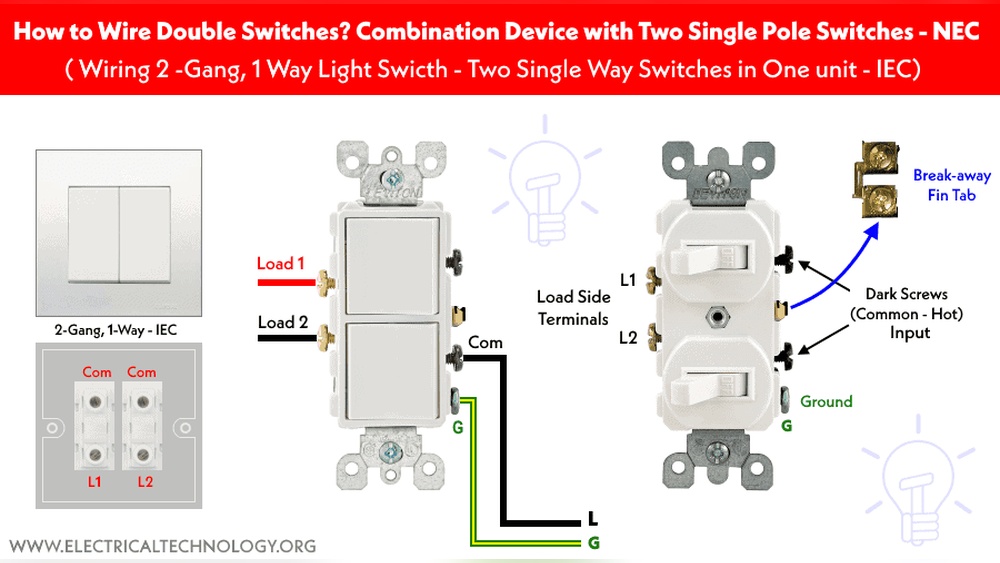
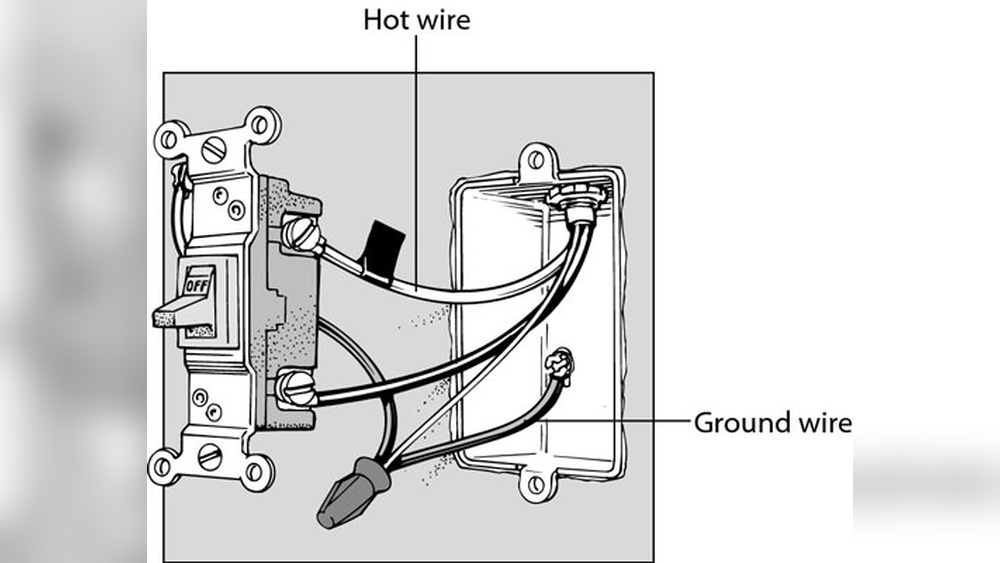
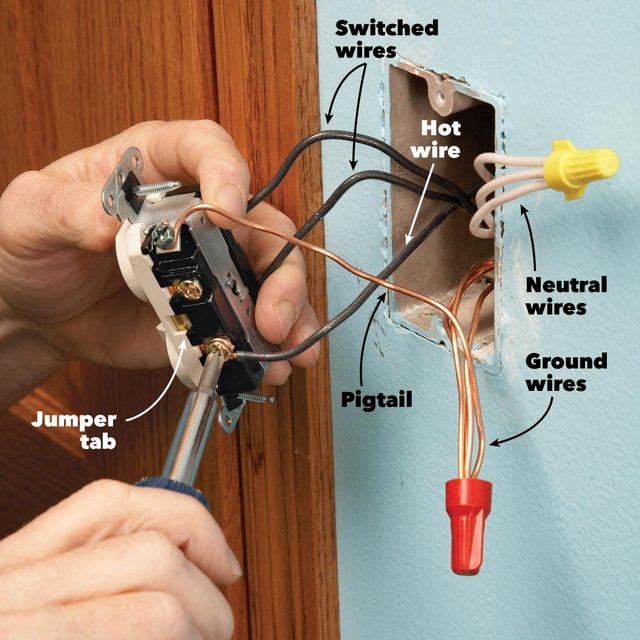
First, turn off power at the circuit breaker. Use a voltage tester to confirm no current flows. Look inside the switch box to see the wires. Typically, you find a black (hot) wire, a white (neutral) wire, and a green or bare copper (ground) wire. The black wire carries power to the switch. The white wire returns current to the panel. The ground wire provides safety by directing electricity to the earth.
Connecting Wires Correctly
Match wires to the switch terminals. Attach the black wire to the brass or dark-colored screw. Connect the white wire only if the switch requires it, usually to a silver screw. Attach the ground wire to the green screw on the switch. Tighten screws firmly but avoid over-tightening. Ensure no bare wire is exposed outside the terminal. This prevents shorts and electrical hazards.
Securing Connections
Use wire nuts to join wires if needed. Twist wires together clockwise before screwing on wire nuts. Tug gently to check for a secure fit. Push wires neatly into the electrical box. Avoid crowding or bending wires sharply. Attach the switch to the box with screws. Restore power and test the switch to confirm it works properly.

Credit: www.angi.com
Installing The Switch
Installing the switch is the next step after preparing the wires. It involves fixing the switch securely and making sure it fits well in the wall box. Proper installation ensures the switch works safely and looks neat.
Mounting The Switch
First, place the switch into the wall box carefully. Align the screw holes on the switch with those on the box. Use a screwdriver to tighten the screws. Tighten just enough to hold the switch firmly. Avoid overtightening to prevent damage. Check that the switch sits flat and does not wiggle.
Attaching The Cover Plate
Next, position the cover plate over the switch. The plate should line up with the screw holes on the switch. Insert the screws and tighten them gently. Make sure the plate is flush against the wall. A tight cover plate protects the wiring and gives a clean finish. Double-check for any gaps or loose parts.
Testing The Installation
Testing the installation is a crucial step after wiring a light switch. It ensures the switch works safely and correctly. Skipping this step can cause problems later. Take time to test everything carefully. This way, you can fix small mistakes quickly.
Restoring Power
Turn the main power back on at the circuit breaker. Check that power is flowing to the switch box. Use a voltage tester for safety. Make sure no wires are loose or exposed. Power should be steady before moving on.
Checking Functionality
Flip the switch up and down. The light should turn on and off smoothly. Test all connected lights or fixtures. Listen for any buzzing or unusual sounds. The switch should feel firm, not loose or stiff.
Troubleshooting Common Issues
If the light does not turn on, check the wiring again. Loose connections are a common problem. Make sure the switch matches the circuit’s voltage. Replace the switch if it feels damaged. Use a multimeter to test the switch for faults.
Credit: www.familyhandyman.com
Safety Tips And Best Practices
Working with light switches requires care and attention. Safety must be the top priority. Following simple rules helps avoid accidents and keeps your home safe.
Below are essential tips and best practices for installing and maintaining light switches properly.
Avoiding Electrical Hazards
Always turn off the power at the circuit breaker before starting. Use a voltage tester to confirm no electricity flows. Avoid working on switches with wet hands or in damp areas. Wear insulated gloves to protect from shocks. Use tools with insulated handles designed for electrical work. Never touch exposed wires directly. Keep children and pets away from the work area. If unsure, call a professional electrician for help.
Maintaining Switches
Check switches regularly for signs of wear or damage. Replace switches that feel hot, loose, or make buzzing sounds. Clean switch covers with a dry cloth; avoid water or liquids. Tighten any loose screws to prevent poor connections. Use switches rated for the correct voltage and current. Replace old switches with modern, safer models. Proper maintenance extends switch life and prevents hazards.
Frequently Asked Questions
How Do I Safely Install A Light Switch?
Turn off the power at the circuit breaker before starting. Use a voltage tester to ensure no electricity flows. Follow wiring instructions carefully. Secure connections and mount the switch properly. Restore power and test the switch to confirm installation success.
What Tools Are Needed To Put A Light Switch?
You need a screwdriver, wire stripper, voltage tester, and pliers. Electrical tape and a light switch device are also essential. These tools help ensure safe and precise installation. Having the right tools makes the process easier and safer.
Can I Replace A Light Switch Myself?
Yes, if you follow safety precautions and understand wiring basics. Turn off power, double-check with a tester, and follow instructions carefully. If unsure, consult a professional electrician to avoid hazards and ensure code compliance.
What Types Of Light Switches Can I Install?
Common types include single-pole, three-way, and dimmer switches. Choose based on your lighting needs and wiring setup. Each type serves specific purposes, so select one compatible with your electrical system.
Conclusion
Installing a light switch is a simple task with the right steps. Always turn off the power before starting. Use a tester to check wires for safety. Connect wires carefully to the correct terminals. Secure the switch firmly to the wall box.
Finally, restore power and test the switch. Taking time and following instructions helps avoid mistakes. This guide makes the process clear and easy. You can improve your home by doing small repairs like this. Practice safety and enjoy the satisfaction of your work.