Are you planning to install a 10-shelf unit and wondering what size bracket you should use? Choosing the right bracket size is crucial to keep your shelves sturdy and safe.
If the brackets are too small, your shelves might sag or even fall. Too big, and they could look bulky or waste space. You’ll discover exactly how to pick the perfect bracket size for your 10 shelves. Keep reading to avoid common mistakes and make your shelving project a success.
Choosing Bracket Size
Choosing the right bracket size is important for a 10 shelf setup. Brackets hold the shelves in place. They must support the weight and size of each shelf safely. Using the wrong size can cause shelves to tilt or fall. This section guides you on how to pick the best bracket size.
Factors Affecting Bracket Size
Several factors affect which bracket size you need. The material of the shelf matters. Wood shelves need different support than glass or metal. The wall type also plays a role. Drywall may need stronger brackets than concrete. The style of the shelf affects bracket choice too. Some shelves need more support at the front or sides. Consider these points before buying brackets.
Weight Capacity Requirements
Every bracket has a weight limit. Check the weight of each shelf with items on it. Add the weight of books, decorations, or tools. The bracket must hold more weight than this total. Choose brackets with a higher weight capacity for safety. Do not overload the brackets to avoid damage.
Shelf Depth And Length
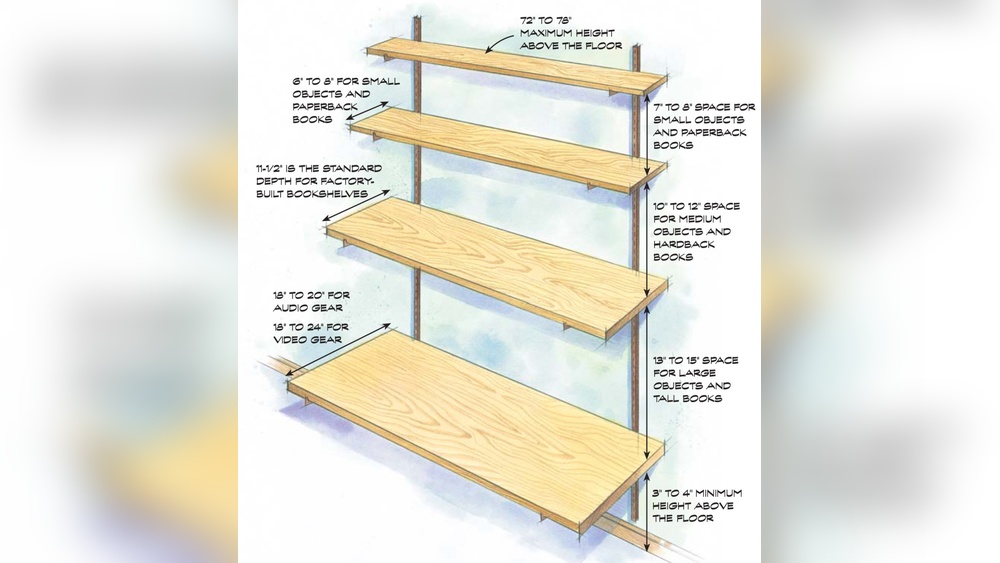
The size of your shelf affects bracket length. Deeper shelves need longer brackets to support the front. Longer shelves may need more than two brackets. Place brackets evenly under the shelf for balance. Measure the shelf depth and length before buying brackets. This helps ensure the shelves stay steady and strong.
Credit: semiexact.com
Types Of Brackets
Choosing the right bracket type is important for a 10 shelf setup. Brackets hold shelves firmly and keep things safe. Each bracket style offers different support and looks. Knowing the types helps pick the best fit for your shelves.
L-shaped Brackets
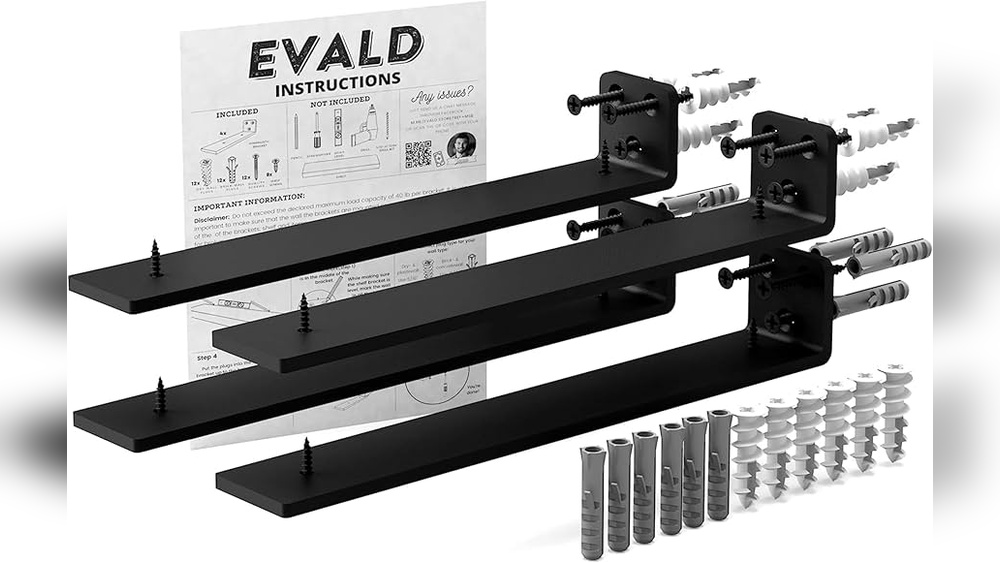
L-shaped brackets are the most common type. They have two arms forming a right angle. One arm attaches to the wall; the other supports the shelf. These brackets provide strong support for most shelves. They work well with wood or metal shelves. Easy to install and very reliable.
Floating Brackets
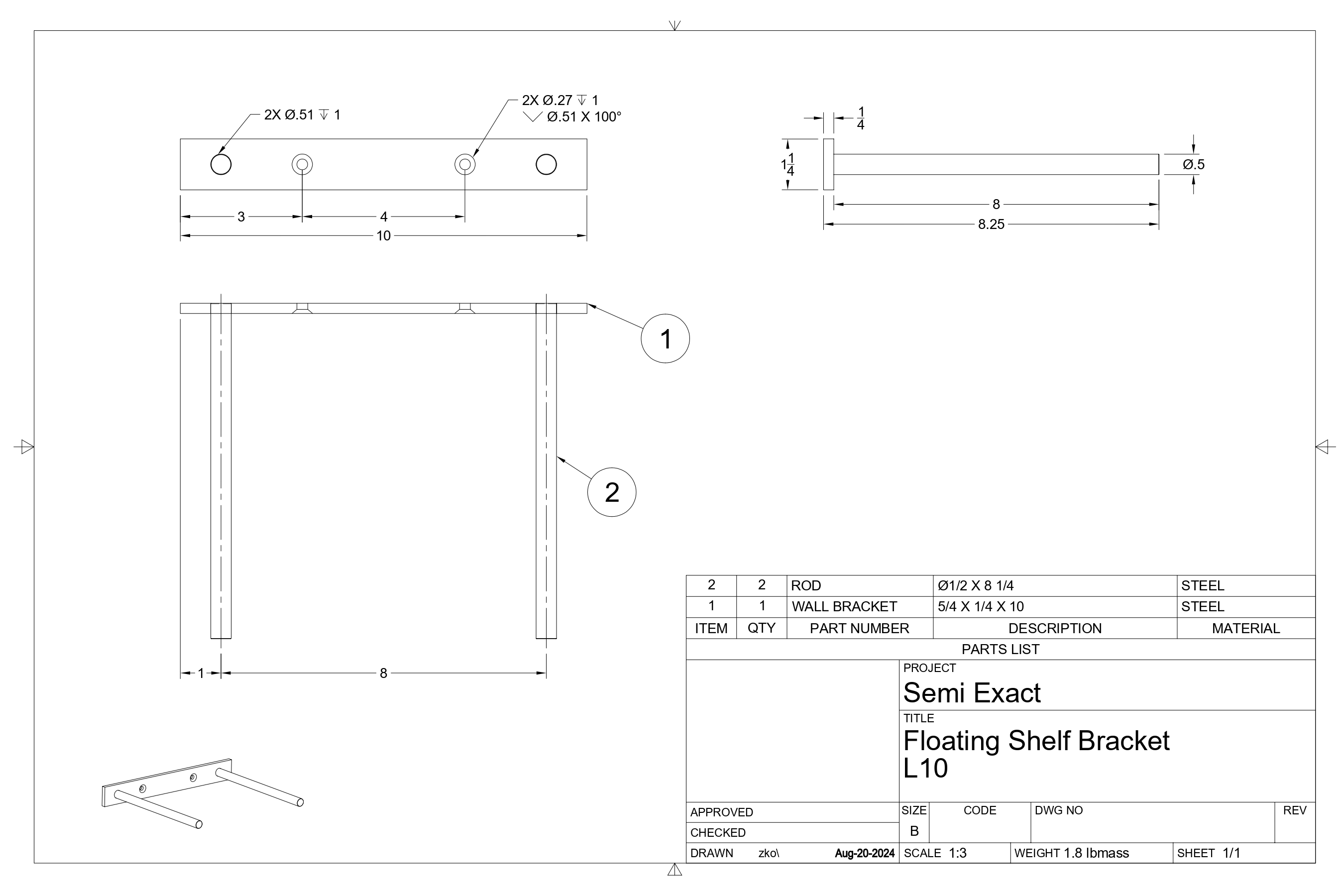
Floating brackets create a clean, modern look. The shelf appears to “float” without visible supports. These brackets fit inside the shelf, hidden from view. They need precise installation and strong walls. Ideal for light to medium weight shelves. Great for minimalist designs.
Heavy-duty Brackets
Heavy-duty brackets hold very heavy or wide shelves. They are made from thick metal for extra strength. These brackets often have extra arms or reinforcements. Perfect for shelves storing heavy items or many objects. They ensure safety and prevent sagging over time.
Material Considerations
Choosing the right bracket size for a 10-shelf unit depends heavily on the material of the brackets. Each material has unique strength and durability. These factors affect how much weight the brackets can hold and their lifespan. Understanding these differences helps you pick the best bracket for your shelves.
Metal Brackets
Metal brackets are strong and hold heavy loads well. They work great for large or heavy shelves. Steel or iron brackets resist bending under pressure. Metal brackets last a long time and handle wear and tear. They often come in various sizes and styles for flexibility. Rust-resistant coatings improve their durability in damp areas.
Wooden Brackets
Wooden brackets offer a classic look and good support. They suit lighter to medium weight shelves. The wood type affects strength; hardwoods are stronger than softwoods. Wooden brackets are easy to paint or stain to match furniture. They may wear out faster in humid areas. Proper sealing can protect wood from moisture damage.
Plastic Brackets
Plastic brackets are lightweight and affordable. They support small, light shelves best. Plastic can bend or break under heavy weight. These brackets work well in low-stress areas. Plastic is resistant to water, so it suits bathrooms. Choose thick, high-quality plastic brackets for better strength.

Credit: www.amazon.com
Installation Tips
Installing brackets for a 10-shelf unit needs care and attention. Proper installation keeps shelves strong and safe. Follow these tips to make sure your shelves stay steady and look good.
Proper Placement
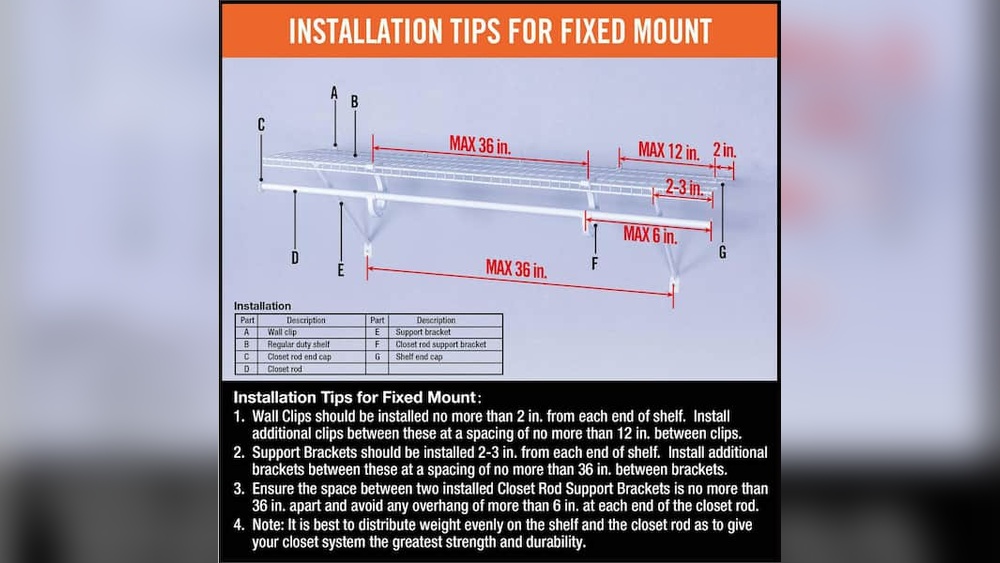
Place brackets evenly along the wall for balance. Space them about 16 inches apart for strong support. Position brackets near studs to hold more weight. Avoid placing brackets too close to shelf edges.
Using Wall Anchors
Use wall anchors if studs are not available. Anchors help secure brackets in drywall or plaster. Choose anchors rated for the shelf weight. Insert anchors carefully to avoid wall damage.
Ensuring Level Shelves
Use a level tool to check bracket alignment. Mark bracket spots before drilling holes. Adjust brackets until shelves are perfectly horizontal. Level shelves prevent items from sliding off.
Troubleshooting Common Issues
Setting up a 10 shelf unit can bring some common problems. These issues may affect the shelf’s strength and balance. Knowing how to fix these problems helps keep your shelves safe and steady. Here are solutions to common troubles with brackets and shelves.
Bracket Sagging
Brackets may bend under heavy weight. Thin or short brackets cause sagging. Use brackets that are longer than the shelf depth. Choose thicker metal brackets for better support. Check if screws are tight and in strong wall studs. Replace weak brackets quickly to avoid damage.
Shelf Stability Problems
Shelves wobble when brackets are not fixed well. Use at least two brackets per shelf for balance. Place brackets evenly spaced to spread weight. Tighten all screws firmly. Add corner braces under shelves for extra strength. Avoid overloading shelves beyond their weight limit.
Dealing With Uneven Walls
Uneven walls cause shelves to tilt or not fit properly. Use a level tool to check shelf alignment. Shim small gaps behind brackets with thin wood or plastic. Adjust bracket positions slightly to fit wall shape. Use flexible mounting kits designed for uneven surfaces. This keeps shelves straight and stable.

Credit: www.amazon.com
Frequently Asked Questions
What Size Bracket Is Ideal For A 10 Shelf?
For a 10 shelf, use brackets at least 10 inches long. This size supports the shelf’s length and weight evenly. Ensure the bracket can handle the shelf material and load capacity for safety.
How To Choose The Right Bracket Size For Shelves?
Choose bracket size based on shelf length and weight. Brackets should be one-third the shelf length for proper support. Always check the maximum load capacity and material compatibility before purchase.
Can Small Brackets Hold A 10-foot Shelf Safely?
Small brackets usually can’t support a 10-foot shelf safely. Longer shelves need stronger, larger brackets to prevent sagging and damage. Always opt for brackets designed for the shelf’s length and weight.
What Material Is Best For 10 Shelf Brackets?
Steel or heavy-duty metal brackets are best for 10 shelves. They provide strong support and durability. Avoid plastic or thin metal brackets as they may bend or break under load.
Conclusion
Choosing the right bracket size keeps your 10-shelf sturdy and safe. Check the shelf length and weight before picking brackets. Strong brackets prevent sagging and accidents. Always match bracket size to shelf size for best support. This small step makes a big difference in shelf stability.
Now, you can install shelves with confidence and ease.