Have you ever wondered how dual light switches control two lights from a single spot? Understanding how these switches work can save you time and money, especially when you need to fix or install them yourself.
Imagine being able to easily manage your lighting without confusion or extra wiring. You’ll discover the simple mechanics behind dual light switches and how they can make your home more convenient. Keep reading to unlock the secrets that make these switches so useful—and see how you can use them to your advantage.
Credit: socketstore.co.uk
Basics Of Dual Light Switches
Dual light switches control two separate lights or light groups from one place. They save space and add convenience. Understanding their basics helps you use them better.
These switches are common in many homes. They make managing lighting easier and more efficient. Let’s explore what they are, where they are used, and how they work.
What Is A Dual Light Switch
A dual light switch has two toggles or buttons. Each toggle controls a different light or set of lights. It fits in a single wall box, replacing two switches.
This switch type combines two controls in one unit. It simplifies wiring and reduces wall clutter. You can turn on or off two lights independently.
Common Uses In Homes
Dual light switches are popular in kitchens, living rooms, and hallways. They allow control of overhead lights and accent lighting separately. This lets you adjust lighting levels easily.
They also work well in rooms with multiple light sources. For example, controlling ceiling lights and wall sconces from one switch. This setup improves comfort and energy use.
Components And Design
Dual light switches contain two separate switch mechanisms inside one frame. Each switch has its own terminals for wiring. The design keeps controls distinct but compact.
Materials include durable plastic and metal parts for safety. The switch toggles move independently to operate each light. Wiring connects each switch to its light fixture.
The design ensures easy installation and reliable function. It fits standard electrical boxes and matches home decor styles.
How Dual Light Switches Function
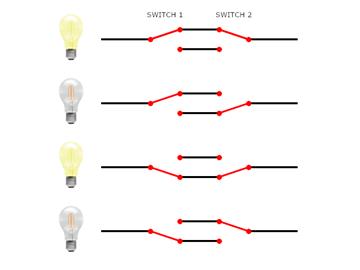
Dual light switches allow control of two separate lights or light groups from one location. They save space and add convenience. Understanding how these switches work helps with installation and troubleshooting. The function depends on wiring, switch design, and load connection.
Wiring Setup Explained
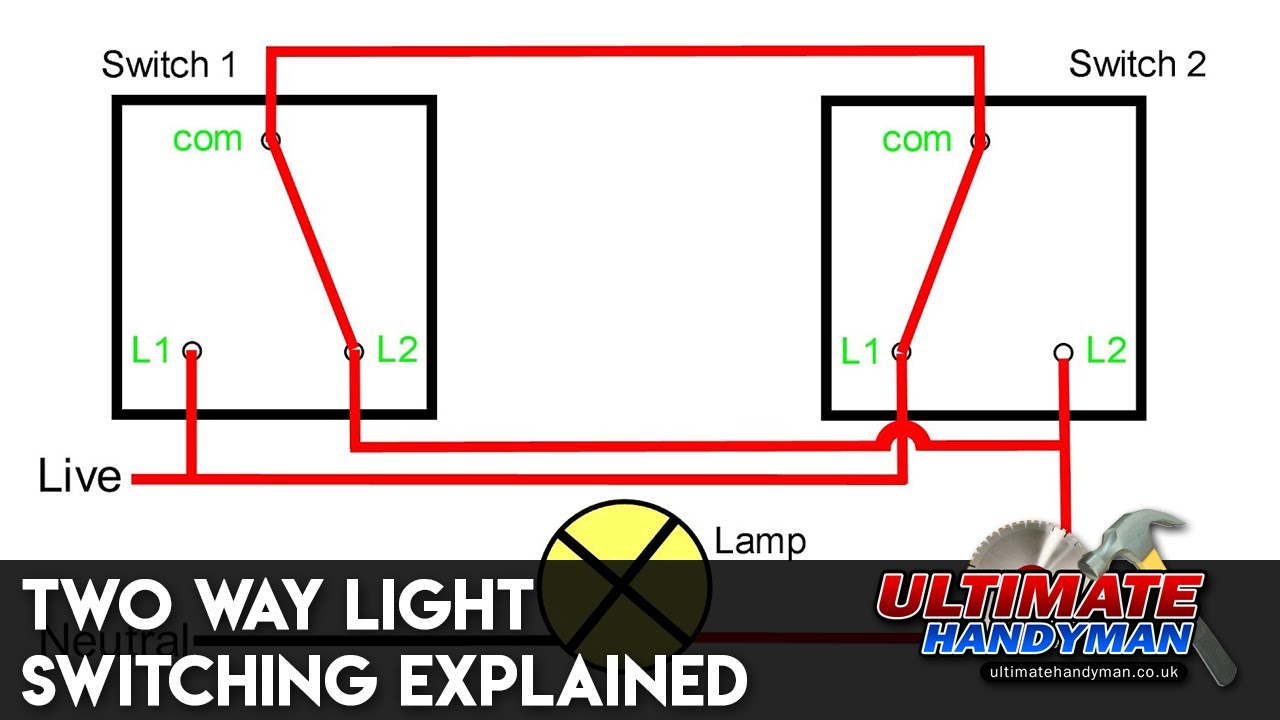
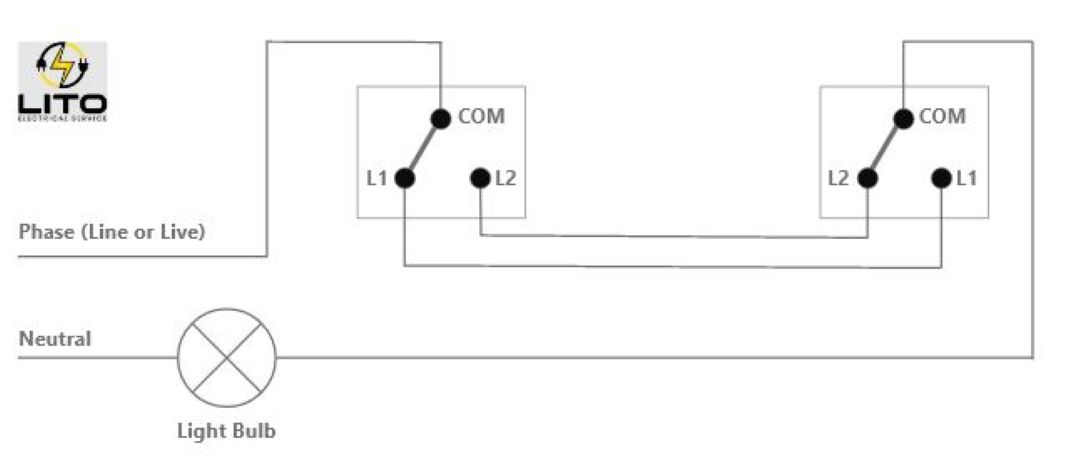
Dual light switches use a common power source. Each switch controls its own light wire. The switch box has a live wire, two load wires, and a neutral wire. The live wire connects to the switch’s input terminal. Each output terminal connects to a separate light fixture. Proper wiring ensures safe and effective operation.
Switch Mechanism Operation
Each switch works by opening or closing an electrical circuit. When flipped on, it completes the circuit, allowing current to flow. When off, the circuit is broken, stopping the flow. The switches operate independently, so turning one on does not affect the other. This mechanism makes dual switches practical and reliable.
Controlling Multiple Lights
Dual switches let you control two lights from the same box. You can turn on a hallway light and a stairway light separately. This setup offers flexibility in managing lighting. It reduces the number of switches on the wall. Each light can be adjusted based on need and preference.
Types Of Dual Light Switches
Dual light switches come in various types. Each type offers different ways to control two lights or fixtures. Choosing the right switch depends on your needs and the style of your home. Understanding these types helps you pick the best option for your space.
Toggle Switches
Toggle switches are the classic option. They use a small lever that flips up or down to turn lights on or off. These switches are simple to use and easy to install. Many homes still use toggle switches for their reliability and familiar look.
Rocker Switches
Rocker switches have a flat surface that rocks back and forth. They work like toggle switches but offer a modern design. Rocker switches are often easier to operate, especially for children and older adults. They fit well in contemporary homes and can match many decor styles.
Smart Dual Switches
Smart dual switches connect to your Wi-Fi network. They allow you to control lights using a smartphone or voice commands. These switches can be scheduled or automated for convenience. Smart switches add technology to your home, making lighting control easier and more flexible.
Installation Tips And Safety
Installing dual light switches can improve your home’s lighting control. Proper installation ensures safety and functionality. Follow these tips to install dual switches correctly and safely.
Tools Needed
- Flathead screwdriver
- Phillips screwdriver
- Voltage tester
- Wire strippers
- Electrical tape
- Wire nuts
- Needle-nose pliers
Step-by-step Installation
- Turn off power at the circuit breaker.
- Use voltage tester to confirm power is off.
- Remove the existing switch cover and switch.
- Note the wiring setup before disconnecting wires.
- Strip about ¾ inch of insulation from wire ends.
- Connect wires to the new dual switch terminals.
- Secure wires with wire nuts and wrap with electrical tape.
- Attach the switch to the wall box and screw it in place.
- Put the switch cover back on.
- Turn the power back on and test the switches.
Safety Precautions
Always turn off power before starting any electrical work. Use a voltage tester to double-check wires are not live. Wear insulated gloves if possible. Avoid working in wet areas or with wet hands. Follow local electrical codes and regulations. If unsure, hire a licensed electrician for help. Keep children and pets away from work areas. Use tools that are in good condition. Do not force wires or terminals. Properly secure all connections to avoid shorts or sparks.
Troubleshooting Common Issues
Troubleshooting common issues with dual light switches can be simple. These switches control two different lights or sets of lights from one panel. Problems may arise due to wiring, switch faults, or electrical connections. Understanding these issues helps fix them quickly and safely.
Switch Not Working
A switch not working is often caused by a loose connection or a broken switch. Check if the switch clicks when pressed. No click means the switch might be faulty. Turn off the power before testing or replacing the switch. Use a voltage tester to confirm power is off.
Flickering Lights
Flickering lights often signal a poor connection or a loose wire. Look for loose bulbs or sockets first. Tighten the bulb gently to see if flickering stops. If not, check the switch wiring for loose connections. Flickering can also happen if the bulb is old or incompatible.
Wiring Problems
Wiring issues are common in dual light switches. Wrong wiring can cause lights not to work or act strangely. Turn off the power before inspecting the wires. Look for damaged insulation or loose wire nuts. Make sure wires match the switch terminals according to the wiring diagram.
Credit: www.youtube.com
Benefits Of Using Dual Light Switches
Dual light switches offer several practical benefits. They allow control of two different lights from one place. This setup adds value in many rooms, such as living rooms, kitchens, and hallways. The following sections explain the main advantages of dual light switches.
Energy Efficiency
Dual light switches help save electricity by controlling lights separately. You can turn on only the light you need. This reduces power use and lowers energy bills. Using less energy also helps the environment by cutting down waste.
Convenience And Control
With dual switches, controlling multiple lights becomes easy. No need to walk across the room to switch lights on or off. It gives quick access to adjust lighting based on your needs. This control improves comfort in your space.
Aesthetic Advantages
Dual light switches look neat and organized on the wall. They reduce the number of switch plates needed, creating a cleaner look. This simple design blends well with modern home decor. It keeps walls less cluttered and more attractive.
Credit: www.litoelectrical.com
Frequently Asked Questions
What Is A Dual Light Switch And How Does It Work?
A dual light switch controls two separate light fixtures from one location. It has two toggles or buttons, each operating an individual light. This setup allows independent control, saving space and wiring complexity compared to using two single switches.
Can Dual Light Switches Control Lights In Different Rooms?
Yes, dual light switches can control lights in different rooms. Each switch connects to a separate circuit or fixture, enabling you to operate lights in multiple locations from one panel.
How Do You Wire A Dual Light Switch Safely?
To wire a dual light switch safely, turn off the power first. Connect the live wire to the common terminal and each light fixture to its respective switch terminal. Always follow electrical codes or consult a professional electrician.
Are Dual Light Switches Compatible With Smart Home Systems?
Many dual light switches are compatible with smart home systems. Look for models with Wi-Fi or Zigbee support. These switches allow remote control, scheduling, and voice commands via smart home hubs or apps.
Conclusion
Dual light switches control two lights or devices from one place. Each switch works independently to turn lights on or off. Wiring connects the switches to the power source and lights. This setup saves space and adds convenience in rooms.
Knowing how they work helps with repairs and upgrades. Always follow safety rules when handling electrical switches. Understanding dual light switches makes home lighting easier and smarter. Simple, useful, and common in many homes today.