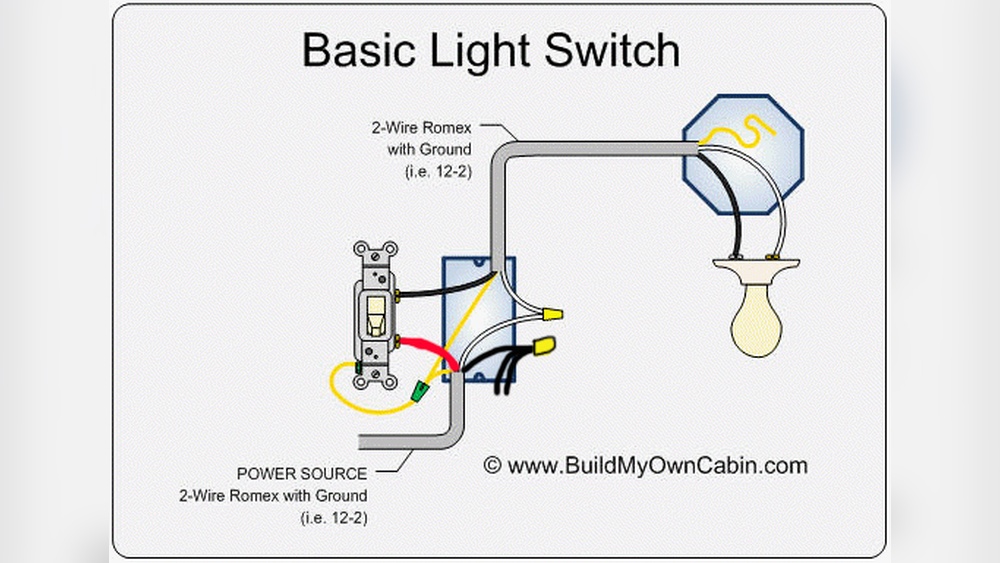
Have you ever wondered if your light switches are placed at the right height? Whether you’re renovating, building a new home, or just curious, knowing the proper height for light switches matters more than you might think.
Getting this simple detail right can make your daily life easier, safer, and more comfortable. You’ll discover exactly how high your light switches should be and why it’s important for you and everyone in your home. Keep reading to make sure your switches are just where they need to be.

Credit: www.reddit.com
Standard Heights For Light Switches
Standard heights for light switches ensure comfort and safety in every room. Setting the right height helps people reach switches easily. It also keeps homes consistent and organized. Builders and electricians follow these standards to make homes user-friendly.
Typical Measurements In Homes
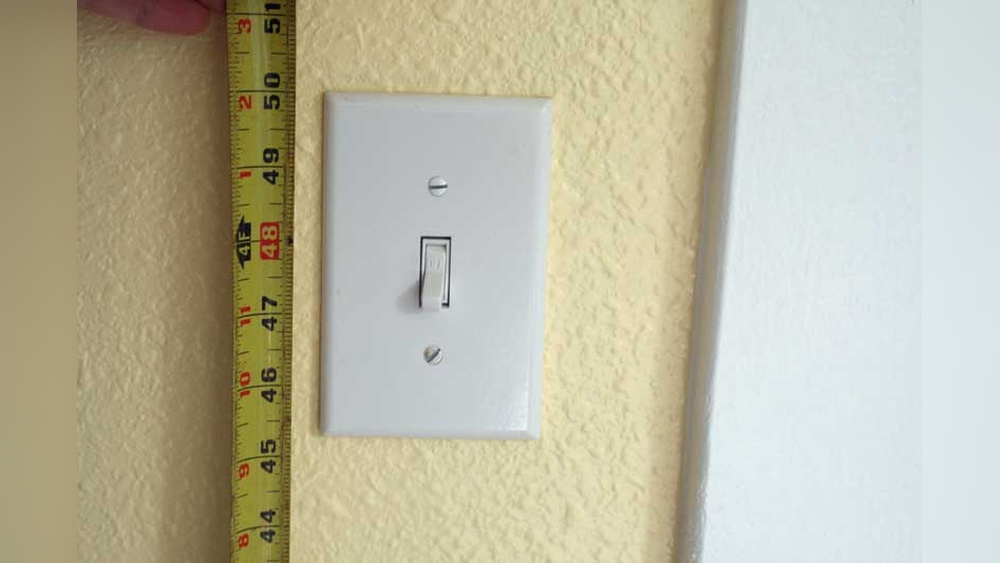
Most light switches are placed between 42 and 48 inches from the floor. This height fits most adults and children comfortably. It also matches rules set by building codes. Placing switches too low or high can cause inconvenience. The common height is about 48 inches, or four feet, from the floor.
Variations By Room Type
Different rooms sometimes need different switch heights. In kitchens, switches may be a bit higher to avoid water splashes. In bedrooms, switches are often placed near the door at the standard height. Bathrooms may have switches outside or away from water sources, still near the standard height. Hallways and living rooms typically follow the usual 42 to 48-inch range.
Building Codes And Regulations
Building codes and regulations set the rules for installing light switches safely. These codes ensure switches are placed at the right height for easy use. They also help prevent electrical hazards and meet accessibility standards. Following these rules is important for home safety and legal compliance.
National Electrical Code Requirements
The National Electrical Code (NEC) provides guidelines for light switch height. It generally recommends switches be installed about 48 inches from the floor. This height works well for most adults and is easy to reach. The NEC focuses on safety and accessibility for all users. It requires switches to be placed where they can be quickly found and used during emergencies.
Local And Regional Differences
Local rules can change the height of light switches. Some regions may require switches to be lower or higher. These variations depend on local safety concerns and building styles. Always check your local building department for exact rules. Following local codes avoids fines and ensures your home meets safety standards.
Accessibility Considerations
Accessibility is key when placing light switches. Everyone must reach and use them easily. Proper switch height helps people with disabilities, seniors, and children. Thoughtful design improves daily life and independence.
Ada Guidelines For Switch Height
The Americans with Disabilities Act (ADA) sets rules for switch height. Switches should be 15 to 48 inches from the floor. This range allows wheelchair users to reach switches comfortably. The rules also say switches must be easy to operate. No tight grasping or twisting is allowed. Following ADA guidelines ensures safe and fair access for all.
Designing For People With Disabilities
Design must consider different physical abilities. Some people have limited hand strength or reach. Switches placed lower or with large paddle designs help these users. Clear space around switches is important for wheelchair access. Using contrasting colors on switches helps people with low vision. Good design creates homes and public spaces that everyone can enjoy.
:max_bytes(150000):strip_icc()/measuring-electrical-outlet-height-1821556-06-b960a41f86664f03b648797767b113af.jpg)
Credit: www.thespruce.com
Factors Influencing Switch Placement
Choosing the right height for light switches depends on several factors. These factors ensure ease of use and safety. They also consider the design and function of the room. Understanding these elements helps place switches in the best spots.
User Convenience And Ergonomics
Switches should be easy to reach for most people. The common height is about 48 inches from the floor. This height suits adults and children in many cases. Switches placed too high or too low can cause discomfort. Ergonomic placement reduces strain and makes daily use simple.
Furniture And Room Layout
Switches must fit well with the room’s furniture. Placing a switch behind a door or large furniture is not practical. It should be visible and accessible when entering a room. The layout guides the best spot for the switch without causing obstacles.
Switch Type And Function
Different switches serve different purposes. Some control lights, others control fans or dimmers. Switches with multiple functions may need to be placed at specific heights. For example, dimmer switches might be lower for better access. The type of switch affects its ideal position on the wall.
Adjusting Switch Height For Special Needs
Adjusting the height of light switches is important for people with special needs. The right height makes switches easier and safer to use. It helps children and elderly individuals control lighting without strain or risk. This section explores switch heights for these groups.
Child-friendly Heights
Children need switches placed lower than standard heights. A switch height around 36 inches from the floor works well. This height lets kids reach switches easily without climbing or stretching. It encourages independence and safety in the home. Bright, simple switch designs also help children identify and use them quickly.
Elderly Accessibility
Elderly people often have limited mobility or strength. Switches placed between 42 and 48 inches high reduce bending or stretching. This height suits those who use wheelchairs or walkers. Large, easy-to-press switches improve comfort and usability. Proper switch placement supports safer movement and daily routines for seniors.

Credit: www.reddit.com
Installation Tips And Best Practices
Installing light switches at the right height is important for safety and ease of use. Proper installation helps prevent accidents and makes the switches accessible to everyone. Follow these tips and best practices to ensure a smooth and correct installation process.
Measuring And Marking
Measure the height from the floor to the switch location carefully. The standard height is usually around 48 inches. Use a pencil to mark the exact spot on the wall. Double-check your measurements before cutting or drilling. Accurate marking prevents mistakes and saves time.
Working With Electricians
Hire a licensed electrician for safe and proper wiring. They know local codes and rules to follow. Communicate the switch height clearly before starting work. Electricians ensure the switch works well and meets safety standards. Trust their skills for a reliable installation.
Common Mistakes To Avoid
Do not guess the height without measuring. Avoid placing switches too high or too low. Keep switches away from doors and windows to prevent damage. Never skip safety checks before turning on power. Avoid DIY wiring unless you have experience.
Frequently Asked Questions
How High Should Light Switches Be Installed?
Light switches are typically installed 48 inches from the floor. This height is standard for easy reach and accessibility. It complies with most building codes and ensures comfort for most users.
Why Is Switch Height Important In Homes?
Proper switch height ensures convenience and accessibility. It prevents strain and makes switches usable for children and adults. Correct height also aligns with safety and building regulations.
Are There Different Standards For Switch Height?
Yes, switch height can vary by country and building codes. The standard height is usually between 42 to 48 inches. Always check local regulations before installation.
Can Switch Height Affect Accessibility?
Absolutely. Proper height supports accessibility for people with disabilities. It helps meet ADA requirements and promotes inclusive design in homes and public spaces.
Conclusion
Proper height for light switches helps everyone use them easily. Most switches sit about 48 inches from the floor. This height works well for adults and children. It also meets safety rules in many places. Keep switches away from wet areas for safety.
Think about who will use the switch most often. Adjust height if you need to, but follow local codes. A well-placed switch makes daily tasks simple and safe. Take time to measure before installation. Small details make a big difference in your home.