Have you ever needed to keep a light on without using the switch? Maybe the switch is broken, or you want to control the light differently.
Knowing how to bypass a light switch can save you time and hassle. In this guide, you’ll learn simple, safe steps to take control of your lighting. Keep reading, and you’ll discover easy tricks that anyone can follow—even if you’re not an expert.
Your next fix is just a few moments away.

Credit: www.youtube.com
Why Bypass A Light Switch
Sometimes, bypassing a light switch becomes necessary for various reasons. It means changing the wiring to let electricity flow without using the switch. This can help fix problems or make the light work differently. Understanding why people bypass a light switch helps you decide if it is right for your situation.
Common Reasons For Bypassing
One common reason is a broken switch. If the switch no longer works, bypassing restores power to the light. Another reason is to create a permanent light source. Some want a light to stay on all the time. Bypassing helps in cases of automated systems too. It allows control from other devices or timers. Sometimes, it simplifies wiring during repairs or renovations.
Safety Considerations
Safety is very important when bypassing a light switch. Incorrect wiring can cause shocks or fires. Always turn off power at the circuit breaker first. Use proper tools and follow electrical codes. If unsure, it is best to hire a professional. Proper insulation and secure connections prevent accidents. Never bypass switches in wet or damp areas without extra caution.
Tools And Materials Needed
Before you start to bypass a light switch, gather the right tools and materials. Having everything ready makes the task easier and safer. This section lists what you need to complete the job smoothly.
Essential Tools
A few basic tools help you bypass a light switch safely. A flathead screwdriver or a Phillips screwdriver is necessary to remove the switch cover. Wire strippers allow you to remove insulation from wires cleanly. A voltage tester is crucial to check if the power is off before touching wires. Needle-nose pliers help to bend and hold wires in place. Lastly, electrical tape is useful to cover exposed wire ends.
Required Materials
You need some materials besides tools to finish the work. Electrical wire is necessary to connect the circuit bypassing the switch. Wire nuts are used to join wires securely. Heat shrink tubing offers extra protection for wire connections. Having a new switch or junction box might be needed if parts are damaged. Always pick materials that match your home’s electrical system for safety and durability.
Basic Electrical Concepts
Understanding basic electrical concepts is key before bypassing a light switch. Simple knowledge about wiring helps avoid mistakes and accidents. This section explains the essential ideas clearly and simply.
Knowing how switches and wires work makes the process safer and easier. Even beginners can grasp these ideas with a bit of focus.
Understanding Switch Wiring
A light switch controls the flow of electricity to a light fixture. It connects or breaks the circuit to turn the light on or off. Most switches have two or three wires attached. These wires carry electric current through the switch. Knowing which wire does what helps handle the switch correctly. The common wires are live, neutral, and sometimes ground. Switch wiring varies but usually follows this pattern. The live wire carries current to the switch. The switch then passes current to the light or stops it.
Identifying Live And Neutral Wires
The live wire carries electricity from the power source. It is often red, brown, or black in color. The neutral wire returns electricity back to the power source. It is usually blue or white. Identifying these wires is crucial for safe work. Touching the live wire can cause a shock. Tools like a voltage tester help find the live wire safely. Always turn off power before handling wires. Correctly identifying wires avoids damage and keeps you safe.
Step-by-step Bypass Methods
Bypassing a light switch can help control lighting without using the switch itself. It requires basic electrical knowledge and safety precautions. Follow these simple methods step-by-step to bypass a light switch effectively.
Direct Wire Connection
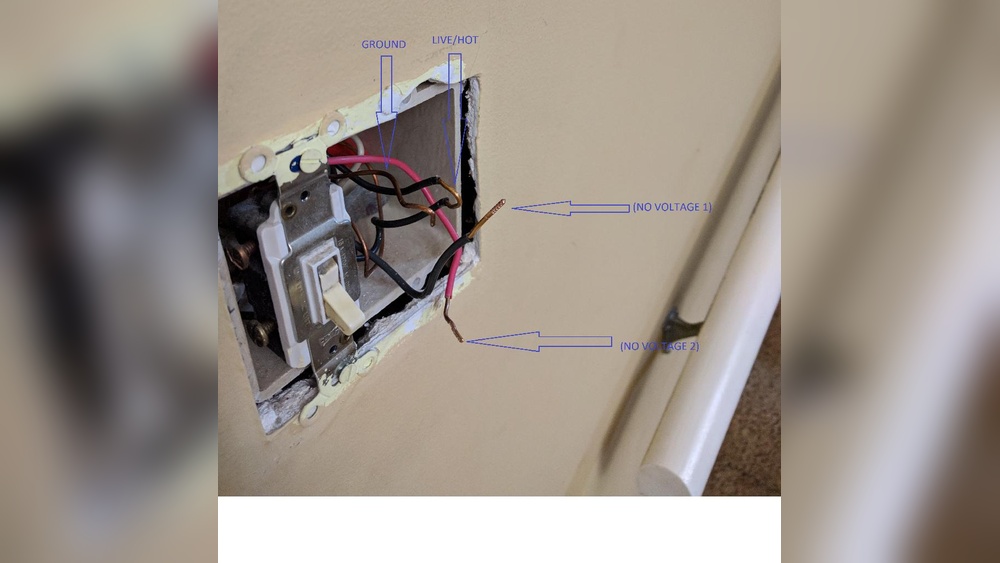
Turn off the power at the circuit breaker before starting. Remove the switch cover and unscrew the switch from the wall box. Identify the wires connected to the switch. Usually, two wires connect to the switch terminals.
Disconnect both wires from the switch. Twist the two exposed wire ends together tightly. Secure the connection with a wire nut. This creates a direct circuit path, bypassing the switch.
Carefully push the connected wires back into the box. Cover the box with a blank faceplate for safety. Turn the power back on and test the light.
Using A Jumper Wire
Switch off the power supply before working on the switch. Remove the switch and look for the terminals where wires are attached. Take a short piece of insulated wire to use as a jumper.
Connect one end of the jumper wire to one terminal on the switch box. Connect the other end to the opposite terminal. This completes the circuit without the switch controlling it.
Secure all wire connections with wire nuts. Replace the switch with a blank plate. Turn on the power and check if the light works continuously.
Installing A Bypass Module
Bypass modules are small devices used with smart switches or dimmers. Switch off the power before installation. Remove the existing light switch from the wall.
Connect the bypass module wires according to the manufacturer’s instructions. Usually, it connects across the load wire and neutral wire. Secure the module inside the switch box or near the fixture.
Reinstall the switch and turn the power back on. The bypass module helps the light work properly without the switch controlling it.
Testing The Bypass
Testing the bypass ensures the light switch works safely and correctly. This step checks that the electrical connection is continuous. It confirms the light stays on or off as desired after bypassing the switch. Proper testing prevents electrical issues and ensures safe use.
Safety Checks
Turn off the main power before testing the bypass. Use a voltage tester to verify no current flows. Wear insulated gloves to protect from shocks. Avoid touching wires directly to prevent injury. Double-check all connections are secure and insulated.
Confirming Continuous Power
Turn the power back on after safety checks. Use a multimeter to measure voltage across the bypassed wires. The reading should show continuous power without interruption. Test the light fixture to see if it stays on. If power is steady, the bypass is successful.

Credit: diy.stackexchange.com
Common Mistakes To Avoid
Bypassing a light switch can seem simple, but many make common mistakes. These errors can cause problems like electrical shorts or unsafe wiring. Knowing what to avoid helps keep the work safe and effective.
Avoiding Short Circuits
Short circuits happen when wires touch in the wrong way. This can cause sparks or trips in your electrical system. Always double-check that wires are separated and connected correctly. Do not connect live wires directly without a load. Use a tester to confirm no live current before starting work.
Proper Insulation Practices
Insulation protects wires and prevents shocks. Always cover exposed wires with electrical tape or wire nuts. Never leave wires bare or loosely connected. Use materials made for electrical insulation only. Good insulation stops accidents and keeps your wiring safe for long-term use.
When To Call A Professional
Bypassing a light switch might seem easy, but it can cause problems without the right knowledge. Sometimes, the job is more complicated than it looks. Knowing when to call a professional can save you time and keep your home safe.
Complex Wiring Situations
Some homes have old or tricky wiring systems. These setups can confuse even skilled DIYers. Incorrect handling might lead to short circuits or electrical fires. Professionals understand complex wiring and can fix problems safely. They use tools and techniques that protect your home and family.
Ensuring Code Compliance
Electrical work must follow local building codes. These rules keep installations safe and reliable. Professionals know the latest codes and standards. They ensure your wiring meets all safety requirements. This prevents future issues and helps pass home inspections. Doing it right the first time saves money and stress.

Credit: diy.stackexchange.com
Frequently Asked Questions
What Does It Mean To Bypass A Light Switch?
Bypassing a light switch means directly connecting the wires to keep the light always on. It disables the switch’s control. This method is used for troubleshooting or when a switch is faulty. It should be done carefully to avoid electrical hazards and ensure safety.
Is It Safe To Bypass A Light Switch At Home?
Bypassing a light switch can be safe if done correctly. Always turn off power at the breaker before starting. Use insulated tools and follow electrical codes. If unsure, consult a licensed electrician to avoid risks like shocks or fire hazards.
When Should You Bypass A Light Switch?
You should bypass a light switch when troubleshooting electrical issues or replacing a faulty switch. It helps determine if the problem lies with the switch or wiring. Avoid permanent bypassing unless necessary, as it removes the ability to control the light.
Can Bypassing A Switch Cause Electrical Problems?
Improperly bypassing a switch can cause electrical issues like short circuits or overheating. Always ensure correct wiring and secure connections. Incorrect bypassing may void warranties or violate electrical codes. Professional guidance is recommended to prevent damage and maintain safety.
Conclusion
Bypassing a light switch can be simple if you follow safety steps. Always turn off power before starting work. Use the right tools and check wires carefully. Avoid mistakes that can cause shocks or damage. Taking time to understand the process helps prevent problems.
Stay safe and work slowly. This guide helps you handle basic switch bypassing with confidence. Remember, if unsure, ask a professional for help. Safety first, always.