Have you ever struggled with removing mounting tape, only to end up with sticky residue or damaged walls? You’re not alone.
Getting rid of mounting tape without leaving marks or tearing paint can feel like a tricky task. But what if you knew simple, effective tricks to peel it off cleanly and safely? You’ll discover easy steps that protect your surfaces and save you time.
Keep reading, and you’ll never dread removing mounting tape again.
Credit: www.velcro.com
Types Of Mounting Tape
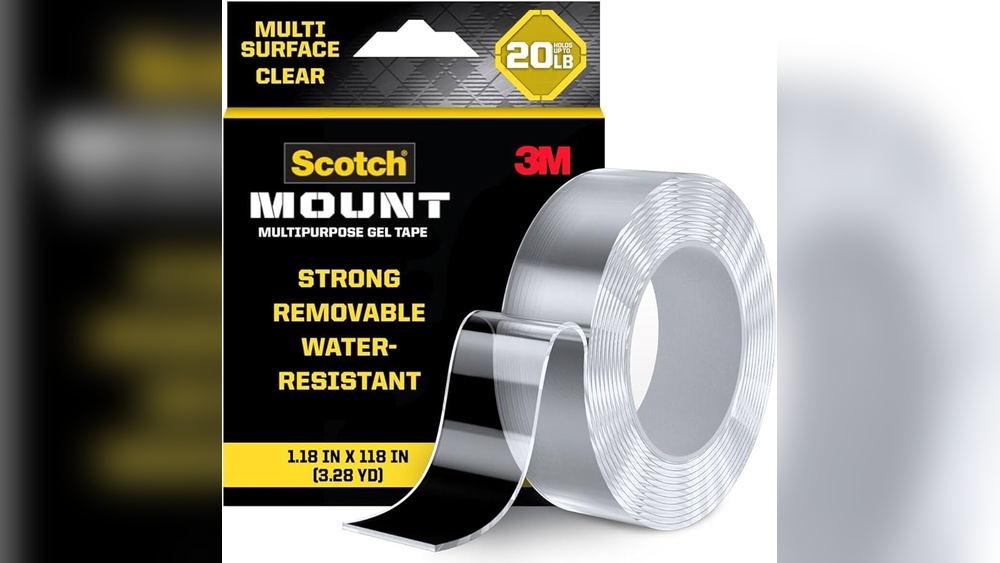
Mounting tape is a popular choice for sticking objects on walls and surfaces. It comes in different types, each made for specific uses. Knowing the type of mounting tape helps you remove it without damage. Some tapes hold tightly, while others peel off easily.
Understanding these types makes removal safer and cleaner. Here are the main kinds of mounting tape you will find.
Double-sided Foam Tape
Double-sided foam tape has a soft, cushiony middle layer. It sticks on both sides, perfect for uneven surfaces. The foam helps absorb shock and holds items firmly. It works well on walls, wood, and glass.
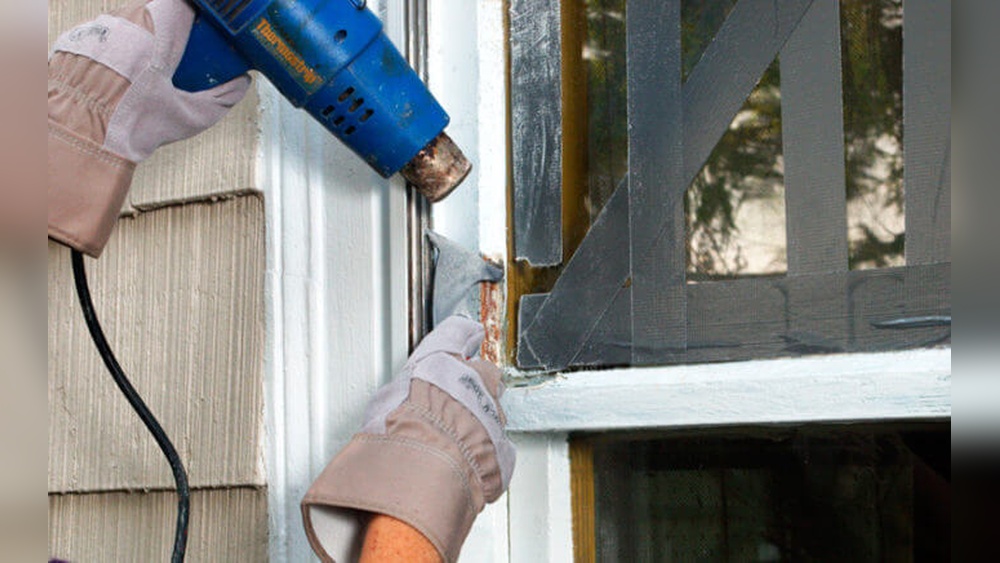
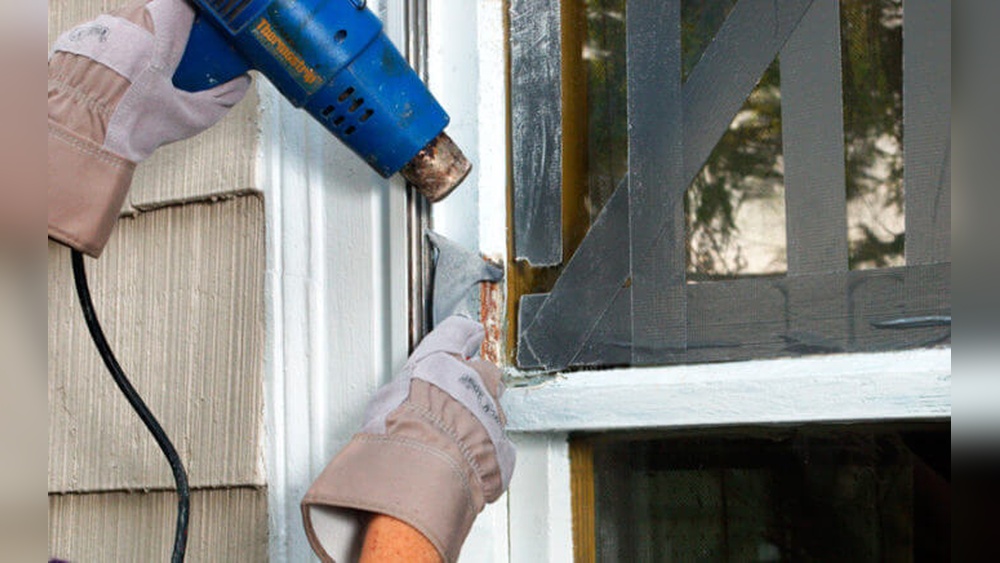
Removal needs care to avoid pulling paint or wallpaper. Heat can soften the tape, making it easier to peel away.
Heavy-duty Mounting Tape
Heavy-duty mounting tape is very strong. It holds heavy objects like shelves or hooks. This tape uses powerful adhesives for a lasting bond. It sticks on metal, plastic, and rough surfaces.
Removing heavy-duty tape can be tricky. Slow peeling and using heat or oil helps reduce damage.
Removable Vs Permanent Tape
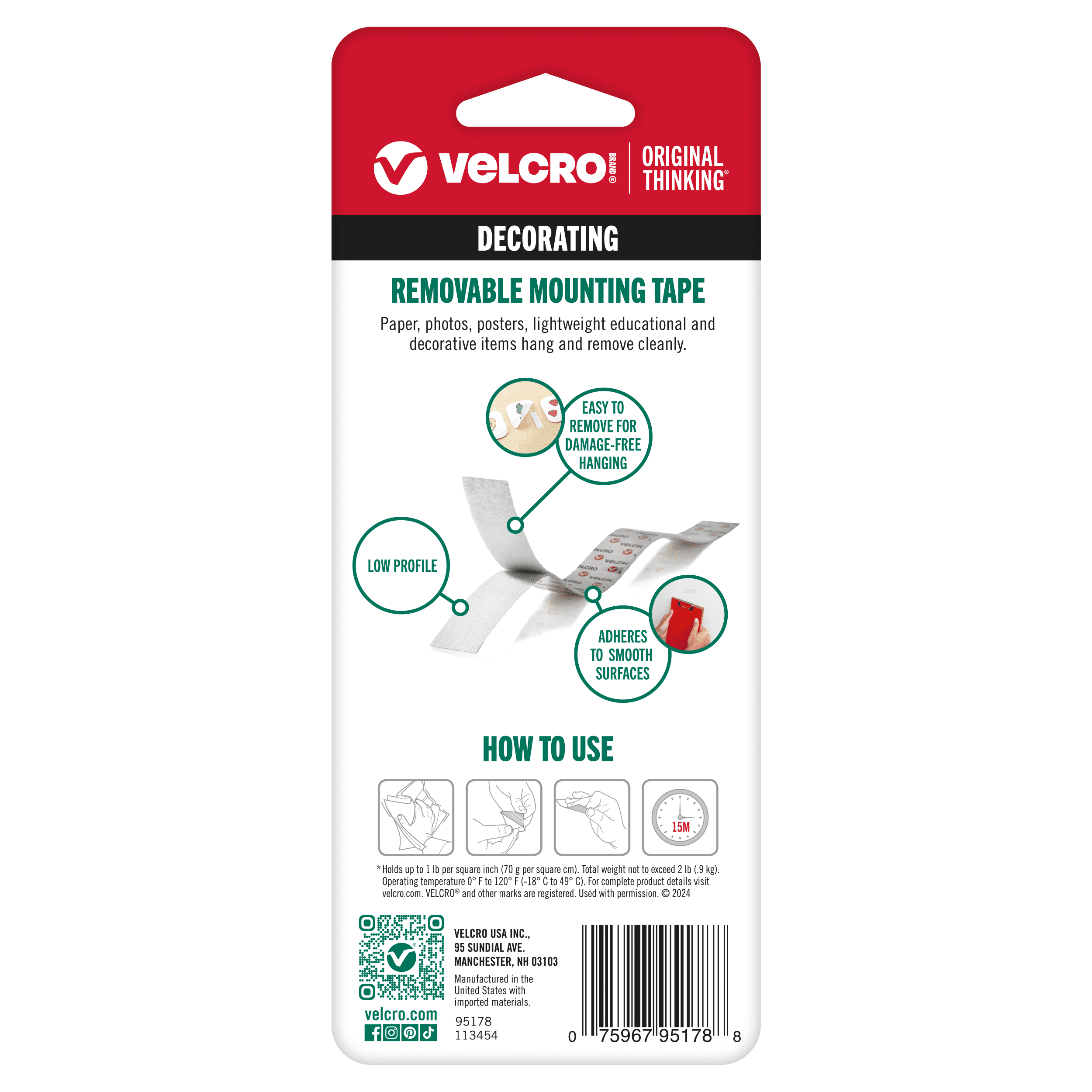
Removable tape is designed to come off easily. It leaves little or no residue behind. This tape is best for temporary use or delicate surfaces.
Permanent tape sticks for a long time. It is hard to remove and may cause damage. Choose the right tape type based on your needs and surface.
Preparing For Removal
Preparing to remove mounting tape is key to avoiding damage. This step ensures a smooth removal process. Proper preparation saves time and effort. It protects your walls, furniture, and surfaces from harm. Start by gathering the right tools. Then, test a small area before full removal.
Gathering Necessary Tools
Collect tools to help remove the tape safely. You will need a hairdryer or heat gun to soften the adhesive. Use a plastic scraper or old credit card to lift tape edges gently. Keep rubbing alcohol or adhesive remover handy for stubborn residue. Have a clean cloth ready to wipe surfaces clean. These simple tools make the process easier and protect your surfaces.
Testing A Small Area
Always test a small hidden area first. Apply heat or adhesive remover on a tiny spot. Check for any damage or discoloration on the surface. This step ensures your method is safe. If the surface reacts badly, try a gentler approach. Testing avoids surprises and protects your walls or furniture.
Safe Removal Techniques
Removing mounting tape can be tricky. The tape sticks very well and pulling it off carelessly can damage walls or surfaces. Using safe removal techniques helps protect your walls and keeps things clean. These methods soften the adhesive or loosen the tape, making removal easier.
Using Heat To Soften Adhesive
Heat makes the tape adhesive soft. Use a hairdryer on low or medium heat. Hold it a few inches away from the tape. Warm the tape for 30 seconds to one minute. Test if the tape feels softer. Then, try peeling it off gently. Heat prevents paint or wallpaper from tearing.
Peeling Tape Slowly
Peeling too fast can cause damage. Pull the tape back slowly at a low angle. Use steady, gentle force. Stretch the tape as you pull. This reduces stress on the wall or surface. Stop if the tape resists and try heating again. Slow peeling helps avoid leaving sticky residue.
Applying Oil Or Solvent
Oils and solvents break down adhesive bonds. Dab a small amount of baby oil or rubbing alcohol on the tape edge. Let it sit for a few minutes. The adhesive becomes weaker and easier to remove. Wipe off excess oil or solvent with a soft cloth. Test on a hidden spot first to avoid stains.

Credit: www.amazon.com
Cleaning Residue
After removing mounting tape, sticky residue often stays behind. This leftover can attract dust and dirt. It also makes surfaces look messy. Cleaning residue is important for a neat finish. Doing it gently avoids damage to walls or furniture.
Using Rubbing Alcohol
Rubbing alcohol breaks down sticky glue easily. Apply a small amount on a cloth. Gently rub the residue in circles. Avoid soaking the surface. Wipe clean with a dry cloth afterwards. Repeat if needed but be gentle.
Employing Commercial Adhesive Removers
Commercial removers are made to handle sticky residues. Choose one safe for your surface type. Apply a small amount with a cloth or sponge. Let it sit for a few minutes. Wipe away the residue carefully. Test on a hidden spot first to avoid damage.
Homemade Cleaning Solutions
Simple household items can remove residue too. Mix equal parts of warm water and vinegar. Dip a cloth into the mix and wring it out. Rub the sticky area gently. Another option is warm soapy water. Both are safe and effective for most surfaces.
Preventing Surface Damage
Removing mounting tape can be tricky. The biggest risk is damaging the surface underneath. Preventing surface damage should be your top priority. Taking gentle steps protects walls, wood, glass, or painted surfaces. Careful removal avoids scratches, peeling paint, or dents. Use safe methods and tools to keep surfaces intact.
Avoiding Sharp Tools
Sharp tools can easily damage surfaces. Knives, razor blades, or metal scrapers often cut or scratch the area. Instead, use plastic scrapers or your fingernails to lift tape edges. Apply gentle pressure and work slowly. If the tape resists, soften it with heat from a hairdryer before peeling. This reduces the need for force and prevents marks.
Protecting Delicate Surfaces
Delicate surfaces like wallpaper or soft wood require extra care. Test a small hidden area first to check if the tape removal harms the finish. Use mild adhesive removers designed for sensitive materials. Avoid harsh chemicals that cause discoloration or warping. Keep the surface clean and dry before starting. These steps help keep delicate surfaces safe and beautiful.

Credit: mirrormate.com
Tips For Future Use
Removing mounting tape without damage is easier with smart habits. Learning tips for future use helps protect surfaces and saves time. Small changes in how you pick and use tape make a big difference. These tips help you avoid marks and residue on walls or furniture.
Choosing The Right Tape
Select tape made for your surface type. Some tapes stick too hard and peel paint. Look for tapes labeled “removable” or “damage-free.” Clear tapes usually leave less residue. Test a small piece first to check if it peels or sticks well.
Proper Application Techniques
Clean the surface before applying tape. Dirt or dust can weaken the hold. Press tape firmly but avoid stretching it. Stretching can cause the tape to pull paint off. Apply tape in small strips instead of one long piece. This helps remove it easily later without damage.
Frequently Asked Questions
How Do I Safely Remove Mounting Tape From Walls?
To safely remove mounting tape, gently heat it with a hairdryer. Then, slowly peel it off at a 45-degree angle. This method softens the adhesive and prevents wall damage.
Can I Use Household Items To Remove Mounting Tape?
Yes, common items like rubbing alcohol, vinegar, or cooking oil help dissolve tape adhesive. Apply gently with a cloth, then wipe residue clean to avoid surface harm.
What If Mounting Tape Leaves Sticky Residue Behind?
Use adhesive removers or warm soapy water to clean sticky residue. Apply carefully, then wipe with a soft cloth to protect the surface’s finish.
Is It Safe To Use Heat On All Surfaces?
Heat works well on most surfaces, but avoid excessive heat on delicate materials like wallpaper or vinyl. Test a small area first to prevent damage.
Conclusion
Removing mounting tape without damage takes patience and care. Use heat or oil to soften the adhesive gently. Pull tape slowly and steadily to avoid tearing surfaces. Clean leftover residue with mild soap or adhesive remover. These simple steps protect walls and objects from harm.
Taking time helps keep your space neat and safe. Now, you can remove mounting tape with confidence and ease.