Have you ever wondered what makes snap fasteners so quick and easy to use? Whether you’re fixing a jacket, crafting a bag, or updating your kids’ clothes, understanding how snap fasteners work can save you time and frustration.
These tiny, clever closures hold fabric together firmly yet open with a simple press – but what’s the secret behind their grip? You’ll discover the simple but smart design that lets snap fasteners lock and unlock effortlessly. By the end, you’ll know exactly how to choose, install, and use them like a pro.
Ready to unlock the mystery? Let’s dive in!
Snap Fastener Components
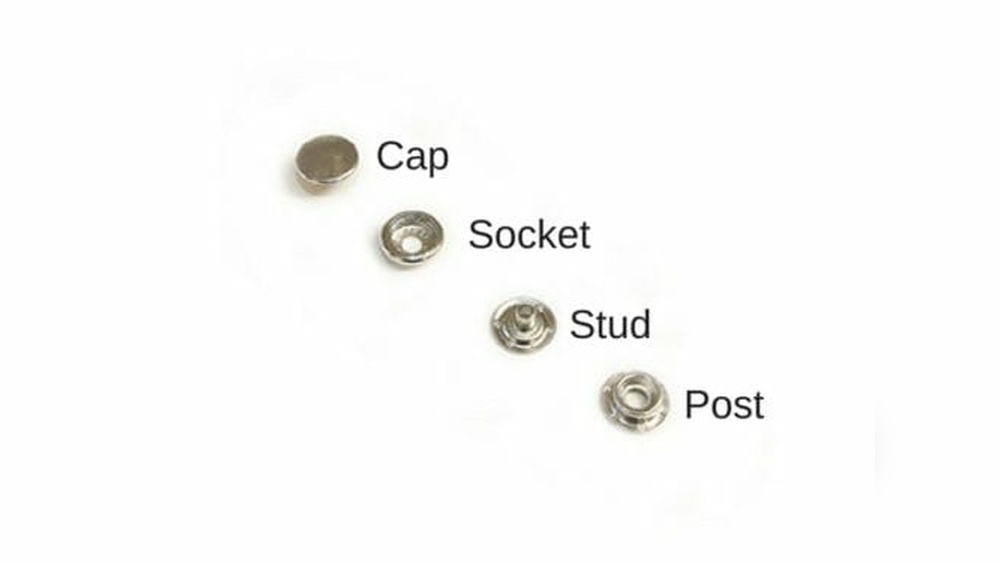
Snap fasteners have simple parts that work together to close fabric securely. Each snap fastener set includes components that attach firmly yet open easily. Understanding these parts helps explain how snaps function well on clothes and accessories.
The main pieces connect by pressing together, locking and unlocking as needed. The design makes snaps reusable and reliable for many uses.
Male Stud And Female Socket
The male stud is a small, rounded piece that fits into the female socket. The socket has a groove that holds the stud tightly in place. When pressed together, the stud snaps into the socket, making a secure bond. This connection keeps fabrics fastened but allows easy opening by pulling them apart.
Both parts are usually made from metal or plastic. Their shapes ensure a snug fit, preventing accidental opening during wear.
Decorative Caps And Prongs
Decorative caps cover the visible side of the snap, giving a neat look. They can be plain or stylish, matching the fabric or design. Underneath, prongs hold the snap parts firmly to the fabric.
Prongs pierce through the material and bend inward to lock the snap in place. This keeps the snap from falling off or moving. Caps and prongs work together to secure the snap while adding style.
How Snap Fasteners Connect
Snap fasteners connect two pieces of fabric quickly and securely. They consist of two main parts that fit together. Each part has a special shape that locks into the other. This connection allows easy opening and closing of clothing or accessories.
Interlocking Mechanism
Snap fasteners work using a male stud and a female socket. The male stud has a small protruding knob. The female socket has a matching groove inside. When pressed together, the stud fits tightly into the socket. This interlocking holds the two pieces firmly in place.
The caps on each side grip the fabric well. They keep the fastener stable and prevent it from moving. The prongs on the caps bend slightly to lock the pieces together. This design ensures the snap stays closed until pulled apart.
Creating A Secure Closure
The snap fastener creates a strong, but not permanent, bond. Pressing the male and female parts together locks them in place. The closure resists accidental opening from small tugs or movements.
You can open the snap by applying opposite force. This lets you separate the two parts easily. The fastener can be used again and again without losing strength. This makes snap fasteners ideal for everyday use on clothing and bags.
Materials And Types
Snap fasteners come in different materials and types. Each material suits specific needs and projects. Choosing the right snap depends on the fabric and purpose. Understanding materials helps in making the best choice for your work.
Plastic Snaps
Plastic snaps are lightweight and resistant to rust. They work well on children’s clothing and soft fabrics. These snaps come in many colors and sizes. They are easy to install with basic tools. Plastic snaps offer flexibility and gentle grip on fabric.
These snaps are perfect for DIY crafts and casual wear. They do not conduct heat or electricity, adding safety. Plastic snaps may not last as long under heavy use. Still, they provide a smooth finish and bright look.
Metal Snaps
Metal snaps are strong and durable. They suit heavy fabrics like denim and leather. These snaps can withstand frequent opening and closing. Metal snaps come in finishes like brass, nickel, and steel. They add a classic, polished look to garments.
Installation requires more care and sometimes special tools. Metal snaps resist wear and tear better than plastic. They are common in jeans, jackets, and bags. Metal snaps offer a secure hold for tough materials.

Credit: so-sew-easy.com
Installation Tools
Snap fasteners need the right tools for proper installation. Using the correct tools ensures a secure fit. It also prevents damage to fabric or snaps. Tools vary from simple hand tools to more advanced machines. Each tool type suits different user needs and projects.
Pliers And Snap Press
Pliers are common and easy to use. They have special jaws to hold snap parts. By squeezing the handles, the snap halves press together. This tool works well for small projects and light fabrics. Snap presses are more advanced machines. They apply even pressure for a perfect snap fit. Snap presses suit frequent use and thicker materials. Both tools help install snaps without sewing skills.
Hammer And Anvil Tool
This classic tool uses impact force to fix snaps. The anvil holds one snap part steady. The hammer taps the other part into place. It is simple and low-cost. This tool works best with metal snaps. The hammer and anvil require careful handling. Too much force can bend or break snaps. This tool fits well in home workshops or craft rooms.
Installation Steps
Installing snap fasteners is a simple process. It requires a few basic tools and some careful steps. Each snap has two parts: male and female sides. Both need to be attached securely to the fabric for the snap to work well. Follow these steps for a clean, strong finish.
Preparing The Fabric
Start by choosing the right fabric area for the snap. Mark the spot with a fabric pen or chalk. Make sure the fabric is flat and clean. Use a small hole punch or scissors to make a tiny hole where the snap will go. This helps the snap fit better and stay in place.
Attaching The Male Side
Take the male part of the snap and place it on the marked spot. Push the prongs through the fabric hole carefully. Place the cap on the backside of the fabric, holding the prongs in place. Use a snap fastener tool or pliers to press the parts together firmly. Check that it is tight but not damaging the fabric.
Attaching The Female Side
Next, position the female side of the snap on the opposite fabric piece. Align it with the male side for easy snapping. Push its prongs through the fabric hole and add the cap on the back. Use the tool or pliers to press firmly. Test the snap by pressing both sides together to ensure they hold well.

Credit: sailrite.wordpress.com
Tips For Durability
Snap fasteners need proper care for long-lasting use. Small steps can protect their strength. These tips help keep snaps working smoothly.
Focus on how the fabric supports the snap and how to avoid damage. This ensures snaps stay secure and fabric remains intact.
Using Interfacing
Interfacing adds extra support to fabric for snap fasteners. It stops fabric from stretching or tearing. Choose a lightweight or medium-weight interfacing. Iron it to the fabric where snaps will go. This reinforcement keeps snaps tight and fabric strong.
Avoiding Fabric Damage
Careful handling prevents holes or tears around snaps. Use sharp tools to make clean holes for snaps. Avoid forcing snaps through thick or weak fabric. Press snaps gently with the right tool to avoid bending. These actions protect fabric and keep snaps reliable.
Common Uses
Snap fasteners have many practical uses across different fields. Their simple design makes them ideal for quick and secure closures. Snap fasteners are easy to use and hold fabrics firmly together. They appear in everyday items and special gear. Here are some common uses of snap fasteners.
Clothing
Snap fasteners are popular in clothing for easy fastening. They replace buttons on shirts, jackets, and baby clothes. Snaps allow fast dressing and undressing. They are gentle on fabric and reduce wear. Snaps provide a neat look without bulk.
Outdoor Gear
Outdoor gear uses snap fasteners to secure parts quickly. Camping tents often have snaps to hold flaps and panels. Snaps keep rain covers and pockets closed tightly. They resist dirt and moisture better than zippers. Snap fasteners help adjust gear without tools.
Craft Projects
Craft makers use snap fasteners in many creative ways. Handmade bags and wallets often include snaps for closures. Snaps allow interchangeable parts in crafts. They are easy to install with simple tools. Snap fasteners add functionality and style to projects.

Credit: thehabygoddess.blogspot.com
Troubleshooting
Troubleshooting snap fasteners helps maintain their function and extend their life. Common issues include snaps that become loose or hard to close. Understanding simple fixes can save time and frustration.
Loose Snaps
Loose snaps fail to hold fabric securely. This happens when the snap parts separate easily. Check if the snap is properly attached to the fabric. Tighten the snap by pressing the two parts firmly together. If needed, replace the snap with a new one. Using the right tool ensures a strong grip.
Difficulty Snapping Closed
Snaps that are hard to close may have bent or damaged parts. Dirt or fabric caught inside can also block the snap. Clean the snap gently with a soft brush. Make sure both sides align perfectly before pressing. If the snap still resists, try adjusting the position slightly. Replace the snap if damage is visible.
Frequently Asked Questions
How Do You Put On Snap Fasteners?
Mark snap locations on fabric. Push prongs through fabric holes. Align snap halves properly. Use pliers or hammer to press firmly. Ensure snaps lie flat and secure.
How Do Snap Buttons Work?
Snap buttons work by pressing two parts: a male stud and a female socket, which snap together securely. Each part has prongs that grip the fabric. Pressing them deforms the prongs to lock the pieces. This creates a reusable, strong closure that opens and closes easily.
Which Part Of Snap Goes On Top?
The snap’s cap with the stud (male part) goes on top. It faces outward for easy snapping.
How Does A Snap Clasp Work?
A snap clasp works by pressing two parts together: a male stud and a female socket. Their caps grip fabric, locking securely yet allowing easy opening and closing. Pressure flattens prongs, securing the snap firmly to the material for reusable fastening.
Conclusion
Snap fasteners use two parts that fit tightly together. The male stud locks inside the female socket. Each side has a cap that grips the fabric. Pressing them forms a secure but easy-to-open closure. This simple design makes snap fasteners reliable and reusable.
They work well on many clothing and craft items. Understanding this helps you use or fix snaps better. Snap fasteners combine strength with convenience in a small package.