Are you wondering if screws are really considered fasteners? You’re not alone.
When you pick up a screw, it might just seem like a simple piece of hardware, but it plays a crucial role in holding things together. Understanding whether screws fall into the fastener category helps you make smarter choices for your projects, whether you’re fixing furniture or tackling a DIY home repair.
You’ll discover what makes screws unique, how they work, and why they are indeed one of the most reliable fasteners out there. Keep reading to unlock the secrets behind these small but mighty tools and learn how they can make your next project stronger and more secure.
Credit: bhansalitechno.com
Screws As Fasteners
Screws are essential fasteners used in many projects. They join materials firmly and securely. Their design and function make them unique among fasteners.
Mechanical Joining Role
Screws hold objects together by creating a tight grip. Their spiral threads cut into the material. This action pulls parts closer and keeps them fixed. Screws can fasten wood, metal, plastic, and other materials. They provide strong, lasting connections without needing extra parts.
Thread Design And Function
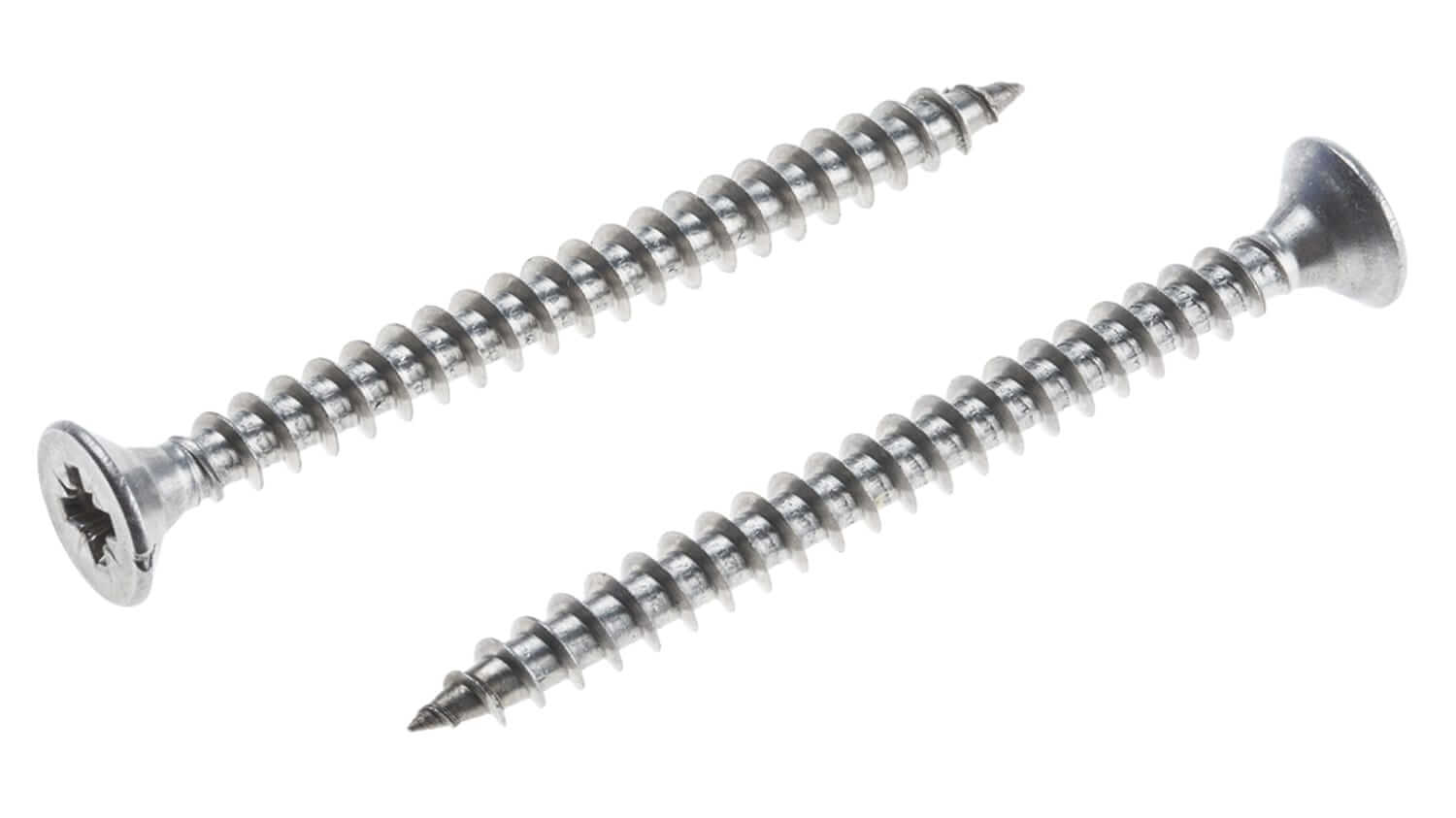
The threads on a screw are key to its performance. They are helical ridges wrapped around the shaft. Threads allow screws to dig into materials as they turn. Some screws create their own internal thread in soft materials. Others fit into pre-threaded holes. Thread spacing and shape affect holding power and ease of use.
Comparison With Bolts
Screws and bolts look similar but work differently. Bolts usually need a nut to secure parts. Screws do not require nuts and fasten directly into materials. Bolts rely on clamping force between nut and bolt head. Screws create holding force by threading into the material. This difference affects their typical uses and applications.
Credit: www.3erp.com
Common Screw Types
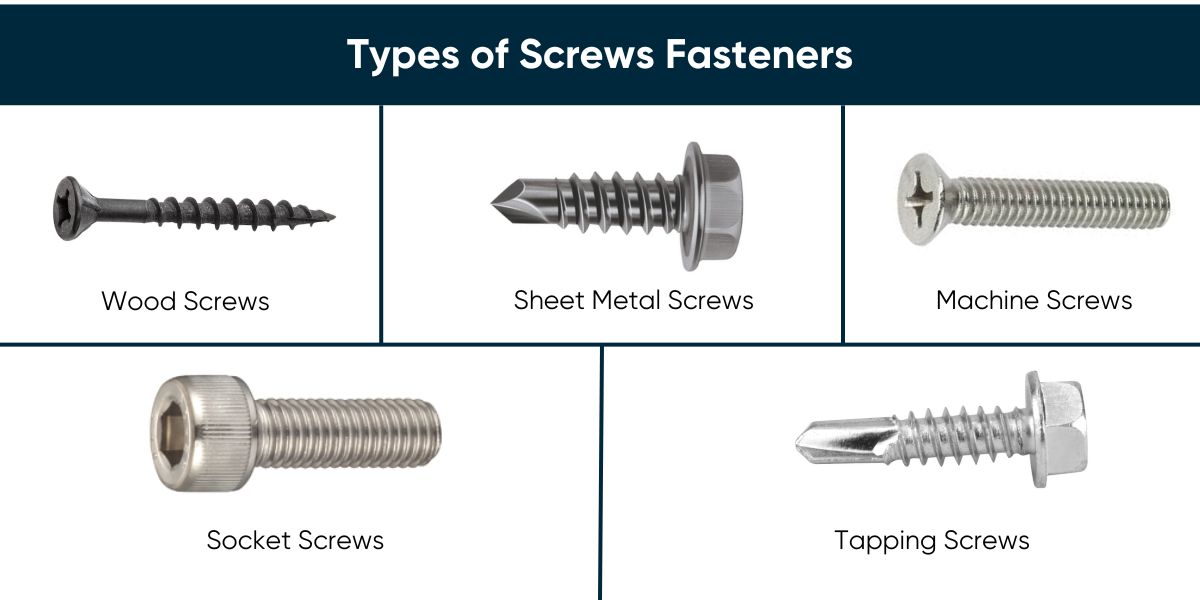
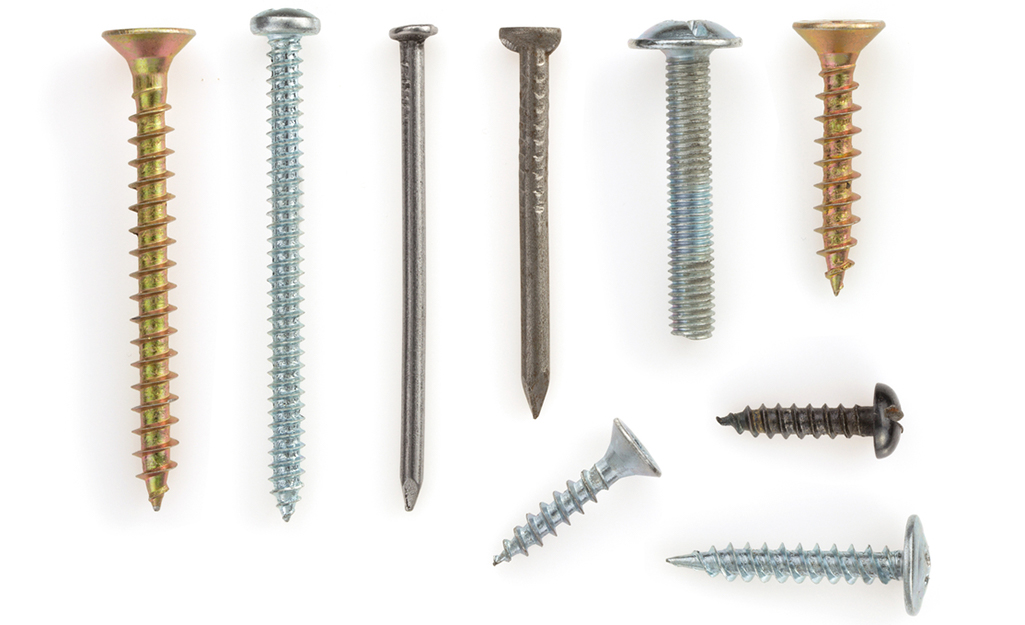
Screws come in many types, each designed for specific uses and materials. Understanding common screw types helps in choosing the right fastener for any project. Screws vary by thread design, head shape, and purpose.
They are essential in construction, woodworking, metalworking, and other tasks. Here are some common screw types used widely across industries and homes.
Wood Screws
Wood screws are made to join pieces of wood. Their coarse threads grip wood fibers tightly. They often have a tapered body to prevent splitting. These screws usually have a flat or oval head. They work well in soft and hard woods.
Machine Screws
Machine screws are small and have uniform threads. They fit into a tapped hole or a nut. These screws are used in machinery and electronics. Their heads come in many shapes like flat, round, or pan. Machine screws provide strong, precise fastening.
Sheet Metal Screws
Sheet metal screws hold thin metal sheets together. They have sharp threads that cut into metal. These screws can also fasten metal to wood or plastic. They often have a pointed tip for easy starting. Sheet metal screws come in different head styles.
Self-tapping Screws
Self-tapping screws create their own threads as they are driven. They work well in metal, plastic, and wood. These screws save time by eliminating the need for pre-drilling. Self-tapping screws often have a sharp, cutting tip. They are popular for quick and secure fastening.
Materials And Coatings
Screws are essential fasteners used in many fields. They join materials securely and provide strong holds. Their design allows them to create or fit into threads inside the material. This makes screws versatile for different jobs. Below are some common uses of screws in various industries.
Woodworking
Screws hold wood pieces firmly together. They prevent wood from splitting better than nails. Wood screws have sharp threads to grip soft materials well. Furniture, cabinets, and frames often use screws for durability. Their ease of removal also helps in repairs and adjustments.
Metal Fabrication
Metal screws fasten thin metal sheets and parts. Machine screws fit into pre-tapped holes for tight connections. They resist vibration and keep metal components stable. Screws allow easy assembly and disassembly in machines. Their precision threading suits detailed metal work.
Construction
Construction uses screws to join various building materials. Drywall screws attach plasterboard to wooden or metal studs. Concrete screws fix items to masonry or concrete surfaces. Screws provide strong, lasting bonds in walls and floors. Their reliability supports building safety and strength.
Electronics Assembly
Screws secure delicate electronic parts inside devices. Small screws hold circuit boards and components in place. They allow safe access for repairs or upgrades. Screws prevent damage from movement or vibration. Their precision and size fit well in tight spaces.
Applications Of Screws
Choosing the right screw is important for a strong and lasting hold. Screws come in many types and sizes. Each screw fits different needs and materials. Picking the correct screw makes your project safer and easier. Consider what you are fixing and where the screw will go. This helps you select the best fastener for the job.
Material Compatibility
Use screws that match the material you are working with. Wood screws work best for wood. Metal screws suit metal parts. Using the wrong type can cause damage or weak joints. Check the screw’s coating and metal type. Some screws resist rust better on certain materials.
Load Requirements
Think about how much weight the screw must hold. Heavy loads need thicker, stronger screws. Small screws are good for light tasks. The screw length also affects strength. Longer screws give better grip and support. Choose screws that fit the force and use of your project.
Environmental Conditions
Consider where the screw will be used. Outdoor screws need to resist weather and moisture. Stainless steel and coated screws prevent rust. Indoor screws can be simpler and less costly. Harsh environments need special fasteners to last longer. Match the screw’s durability to its setting.
Tool And Drive Types
Select screws that fit your tools and skills. Phillips, flathead, and hex drives are common types. Some drives offer better grip and less slipping. Use screwdrivers or drills that fit the screw head. The right tool helps you work faster and avoid damage. Pick screws and tools that make your job easier.
Choosing The Right Screw
Proper installation techniques ensure screws hold materials firmly and last long. Correct methods reduce damage and improve the strength of the join. Understanding basic steps helps both beginners and professionals achieve better results.
Pre-drilling And Pilot Holes
Pre-drilling creates a small hole before inserting the screw. This hole guides the screw and prevents the material from splitting. Pilot holes save time and effort during installation. The hole size should match the screw’s core diameter for best grip.
Driving Methods
Using the right tool improves screw installation quality. Manual screwdrivers work well for light jobs. Power drills or impact drivers fit tightly and drive screws faster. Keep the driver bit aligned with the screw head to avoid stripping.
Avoiding Common Mistakes
Do not force screws without pre-drilling in hard materials. Avoid over-tightening, which can strip threads or break screws. Choose the correct screw length and type for the material. Check alignment before driving screws to ensure a secure fit.
Credit: www.homedepot.com
Installation Techniques
Fasteners hold materials together in many projects. Screws are common fasteners. Still, other options work well for different needs. These fastener alternatives vary in strength, use, and application.
Choosing the right fastener affects the stability and durability of your work. Here are some popular alternatives to screws.
Nails
Nails are simple metal pins driven into materials. They hold wood and soft materials tightly. Nails do not have threads like screws. They are quick to install with a hammer. Nails work best for light to medium loads.
Bolts And Nuts
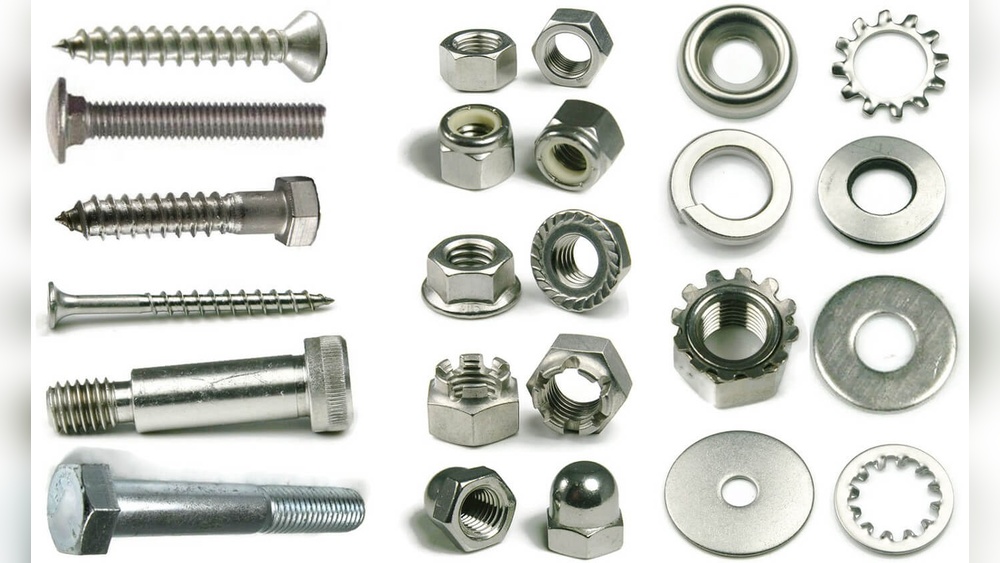
Bolts are strong fasteners with external threads. They need nuts to secure parts together. Bolts pass through holes in materials. Nuts tighten on the bolt’s threads to lock parts. Bolts are good for heavy-duty connections.
Rivets
Rivets join materials permanently. They have a smooth shaft with a head. Rivets are inserted into holes, then deformed to hold tight. They work well in metal and plastic. Rivets resist vibration and loosening over time.
Anchors
Anchors secure fasteners in hollow or brittle materials. They expand inside walls or concrete when a screw or bolt is inserted. Anchors increase holding power in drywall or masonry. They prevent fasteners from pulling out easily.
Frequently Asked Questions
Is A Screw Considered A Fastener?
Yes, a screw is a fastener that joins materials by threading directly into them. It creates a strong mechanical bond.
What Is The Difference Between Fasteners And Screws?
Fasteners join materials; screws are a type of fastener with threaded shafts that grip directly into materials. Screws create their own threads or use pre-drilled holes, while fasteners include bolts, nails, and others designed for various connections.
What Are The Four Types Of Fasteners?
The four types of fasteners are screws, bolts, nails, and rivets. These join materials securely in various applications.
What Qualifies As A Fastener?
A fastener is a hardware device that joins two or more objects mechanically. Common fasteners include screws, bolts, nuts, and nails. Screws create a strong bond by threading into materials, while bolts typically require nuts for securing components together.
Conclusion
Screws are definitely fasteners used to join materials securely. Their threaded design allows them to grip tightly without needing nuts. They work well in wood, metal, and plastic by creating strong bonds. Screws differ from bolts because they thread directly into the material.
Understanding screws helps in choosing the right fastener for your projects. Remember, screws are simple yet effective tools for fastening needs.