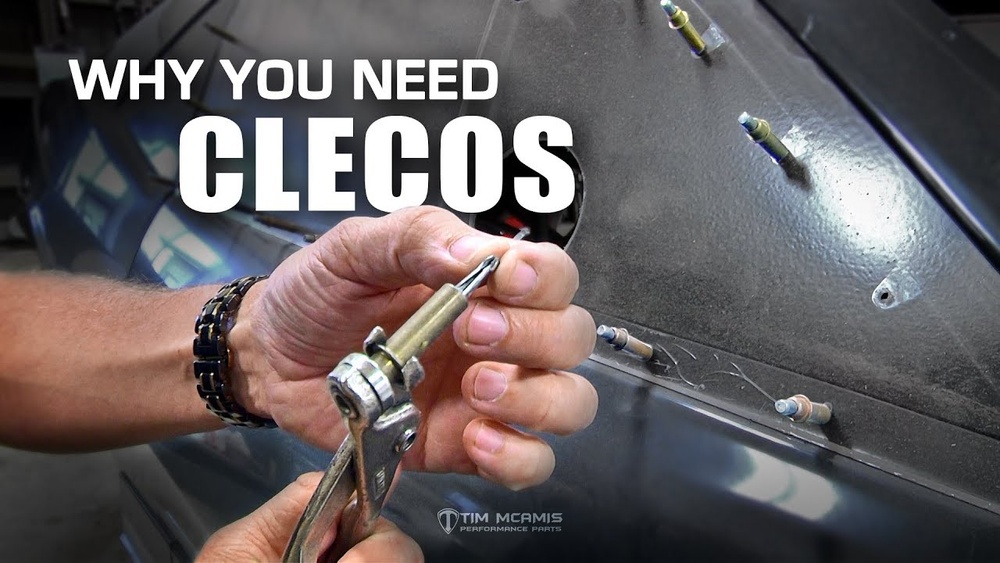
If you’ve ever struggled to hold metal or other materials perfectly in place while working on a project, Cleco fasteners are about to become your new best friend. These clever tools let you quickly and securely clamp parts together, so you can focus on precision without juggling clamps or asking for extra hands.
Whether you’re building a car body, assembling ductwork, or working on a woodworking project, knowing how to use Cleco fasteners can save you time and headaches. In this guide, you’ll learn exactly what Clecos are, how they work, and the smartest ways to use them for flawless, professional results every time.
Ready to make your next project smoother and more efficient? Let’s dive in!
Cleco Fasteners Basics
Cleco fasteners are essential tools in metalwork and fabrication. They hold pieces together temporarily. This allows for easy adjustments before final assembly. Their use helps maintain perfect alignment and fit. Understanding the basics of Cleco fasteners is key to using them effectively.
These fasteners are common in aerospace, automotive, and other precise industries. Their design allows quick installation and removal without damage. Knowing how they work and their parts ensures better handling and results.
Design And Components
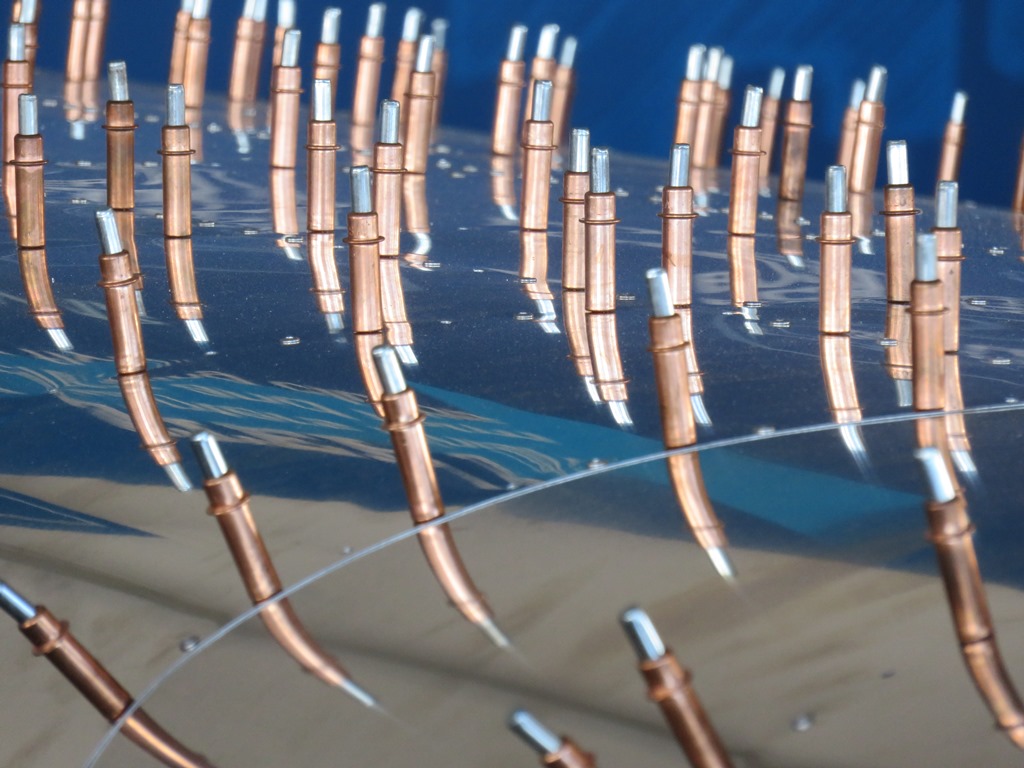
A Cleco fastener consists of several simple parts. The main body is a cylindrical steel piece. Inside, a spring holds jaws in place. The jaws are stepped and retractable. A plunger on top operates the jaws. Special pliers compress the plunger to open the jaws. This design allows the fastener to clamp tightly in holes.
How They Work
First, use Cleco pliers to compress the plunger. This action pulls the jaws inward. Insert the fastener into a pre-drilled hole of materials. Release the pliers to let the jaws expand. The jaws grip the material edges from inside the hole. This holds the pieces securely and temporarily. Removing the fastener is simple by compressing the plunger again. This mechanism allows quick and strong temporary fastening.
Credit: en.wikipedia.org
Choosing The Right Cleco
Choosing the right Cleco fastener is crucial for a smooth assembly process. Picking a suitable Cleco ensures materials stay in place securely. It also helps maintain alignment during work. Different projects need different Cleco sizes and types. Matching the Cleco to the material prevents damage and improves grip. Below are key points to consider for selecting the right Cleco fastener.
Sizes And Types
Cleco fasteners come in various sizes. Common sizes include 3/32″, 1/8″, 5/32″, and 3/16″. Size choice depends on the hole diameter in your materials. Using the wrong size can cause loose or tight fits. Clecos also vary by type, such as standard, low profile, and flush. Low profile Clecos are best for tight spaces. Flush types sit nearly flat for smooth surfaces. Choose a size and type that suits your project’s needs.
Material Compatibility
Clecos work with different materials like aluminum, steel, and composites. Some Clecos have coatings to resist corrosion on certain metals. Steel Clecos are strong but can rust if not coated. Aluminum Clecos are lighter and resist corrosion well. Composite materials need Clecos that won’t damage their surface. Consider the material type before picking a Cleco. Proper compatibility keeps the parts safe and secure during assembly.
Tools Needed For Use
The step-by-step assembly process with Cleco fasteners makes joining parts quick and precise. This method ensures materials stay aligned and secure before permanent fastening. Following simple steps helps avoid mistakes and improves the final product quality.
Preparing Materials
Start by gathering all parts and tools needed for assembly. Check the materials for clean, drilled holes matching Cleco fastener sizes. Remove any debris or sharp edges around holes to avoid damage. Organize parts in the order you will assemble them for easy access.
Inserting Clecos
Use Cleco pliers to compress the fastener’s spring-loaded jaws. Insert the compressed Cleco into the pre-drilled hole of the aligned parts. Release the pliers so the jaws expand and clamp the materials tightly. Place Clecos evenly along the joint for stable holding.
Aligning Parts
After inserting Clecos, check the parts for proper alignment. Adjust the pieces slightly if needed by moving the Clecos or repositioning the parts. Make sure all holes line up perfectly before proceeding. This step guarantees accuracy in the final assembly.

Credit: www.youtube.com
Step-by-step Assembly Process
Using Cleco fasteners efficiently can save time and improve your assembly quality. Following simple tips helps you get the best results. These tips focus on speeding up assembly, ensuring precise alignment, and handling hard-to-reach areas.
Speeding Up Assembly
Keep your Cleco pliers close to your work area. This reduces the time spent searching for tools. Use multiple Clecos to hold parts before final tightening. Insert fasteners quickly by compressing the pliers firmly. Work in a systematic order, moving from one hole to the next. This method cuts down unnecessary movements and speeds up the process.
Ensuring Precise Alignment
Choose Cleco fasteners that fit snugly in your pre-drilled holes. Loose fasteners can cause misalignment. Place Clecos evenly around the parts to keep everything balanced. Check alignment often as you insert fasteners. Adjust parts gently before locking the Clecos in place. This helps maintain tight tolerances throughout your project.
Handling Hard-to-reach Areas
Use angled or extended Cleco pliers for tight spots. This allows you to reach holes without strain. Insert Clecos carefully to avoid damaging delicate materials. Consider using smaller fasteners if space is limited. Work slowly and steadily in these areas to keep parts secure. Proper handling prevents mistakes and improves overall fit.
Tips For Efficient Use
Cleco fasteners find use in many industries and projects. Their ability to hold parts firmly yet temporarily makes them valuable in various settings. Below are some common applications where Clecos prove essential.
Aerospace Assembly
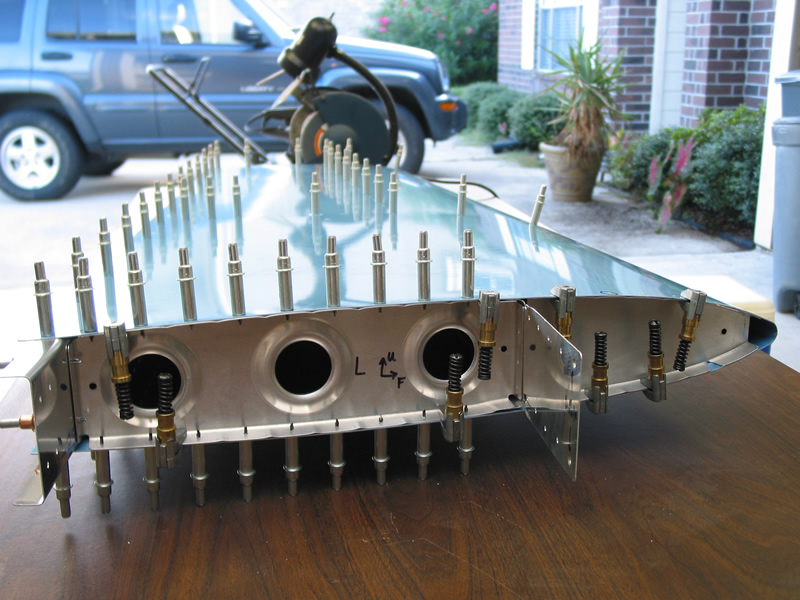
In aerospace, precision is crucial. Cleco fasteners keep sheet metal parts aligned during aircraft construction. They allow easy adjustment before permanent riveting or welding. This helps maintain strict tolerances needed for safety and performance.
Automotive Fabrication
Car body shops use Clecos to hold panels in place while fitting and welding. They speed up assembly by replacing clamps for temporary holds. This makes shaping and aligning sheet metal faster and more accurate.
Hvac And Ductwork
Clecos assist in assembling duct sections and HVAC units. They hold parts steady during cutting, shaping, or fastening. This ensures tight joints and reduces air leaks in ventilation systems.
Woodworking Projects
Woodworkers use Cleco fasteners to secure templates or parts during layout and drilling. They help align multiple pieces before gluing or screwing. This prevents shifting and improves overall craftsmanship.
Credit: www.mustangevolution.com
Common Applications
Proper maintenance and storage of Cleco fasteners extend their life and keep them working well. Dirt, rust, and damage can reduce their grip and accuracy. Small steps in cleaning and storing protect your investment and improve your project’s quality. Taking care of Clecos ensures they stay ready for use every time.
Cleaning Clecos
Remove dirt and metal shavings after each use. Use a soft brush or compressed air to clean hard-to-reach areas. Wipe the fasteners with a clean cloth to remove grease. Lightly oil moving parts to prevent rust and keep them working smoothly. Avoid soaking Clecos in water; moisture can cause corrosion. Regular cleaning keeps the jaws tight and reliable.
Proper Storage Practices
Store Clecos in a dry, cool place to stop rust. Use a compartment box or organizer to keep fasteners separate by size. Avoid mixing Clecos with heavy tools that can damage them. Label storage containers clearly for easy selection. Keep your storage area clean and dust-free. Proper storage saves time and protects Clecos from damage.
Frequently Asked Questions
What Is The Purpose Of A Cleco Fastener?
Cleco fasteners temporarily hold sheet metal and composite parts together during fabrication. They ensure precise alignment before final assembly. These reusable fasteners speed up work, maintain tight tolerances, and allow easy access in hard-to-reach areas across aerospace, automotive, HVAC, and woodworking industries.
Are Cleco Fasteners Better Than Rivets?
Cleco fasteners offer temporary, reusable holding with precise alignment during fabrication. Rivets provide permanent fastening. Clecos excel in speed and adjustability, while rivets ensure long-term strength. Choose Clecos for assembly and rivets for final, durable joints.
How Do Klinkos Work?
Klinkos use spring-loaded jaws compressed by special pliers to grip materials through pre-drilled holes. They hold parts temporarily and align them precisely during assembly. This tool speeds up fabrication by securing components firmly until permanent fasteners replace them.
Are Cleco Pins Reusable?
Yes, Cleco pins are reusable. They securely hold materials temporarily and can be removed and used multiple times during fabrication.
Conclusion
Using Cleco fasteners makes holding parts simple and precise. They save time by keeping materials aligned during work. These fasteners fit tight spaces where clamps can’t reach. Removing them is quick once final assembly begins. Practicing their use improves your project’s quality and efficiency.
Keep these tips in mind for smooth fabrication tasks. Try Clecos to make your sheet metal work easier.